
Iran Expands Gulf Assault, Strikes U.S. Air Base in Kuwait and Bahrain
In a stark escalation that reverberated across the Gulf and caught the attention of Manila, Iran launched fresh attacks on U.S. facilities in both Kuwait and Bahrain, according to ANC 24/7’s latest video report.
In a stark escalation that reverberated across the Gulf and caught the attention of Manila, Iran launched fresh attacks on U.S. facilities in both Kuwait and Bahrain, according to ANC 24/7’s latest video report. The strikes, which targeted a U.S. air base in Kuwait and a strategic site in Bahrain, underscore a widening theater of conflict that threatens regional stability and could have ripple effects for Filipino overseas workers and the broader security environment that the Philippines monitors closely. While the video did not disclose casualty figures or the exact weapons used, the mere fact that Iran extended its campaign to two separate U.S. installations signals a deliberate intent to broaden pressure on Washington and its allies in the Gulf.
Context of the Gulf Escalation
The attacks come amid a series of heightened tensions in the Persian Gulf, where Iran has repeatedly warned of retaliatory measures against what it perceives as U.S. aggression. In recent weeks, the region has seen a flurry of incidents, ranging from naval confrontations to cyber intrusions, each contributing to an atmosphere of uncertainty. The ANC footage places Iran’s latest strikes within this broader pattern, suggesting a strategic calculus aimed at stretching U.S. defensive resources across multiple fronts.
For Filipinos living and working in the Gulf, the escalation is more than a distant geopolitical development. The Philippines maintains a sizable community of OFWs in Kuwait, Bahrain, and neighboring states, many of whom are employed in domestic work, construction, and the service sector. Any disruption to security or transportation networks could directly affect their safety and livelihood, prompting the Department of Foreign Affairs to monitor the situation closely and issue travel advisories as needed.
Moreover, the Philippine government has historically aligned with U.S. defense interests, as reflected in joint exercises and the Mutual Defense Treaty. An expanded Iranian campaign against U.S. assets may compel Manila to reassess its own security posture, especially if the conflict threatens to spill over into maritime routes that are vital for the country's trade and energy imports.
Details of the Kuwait Air Base Attack
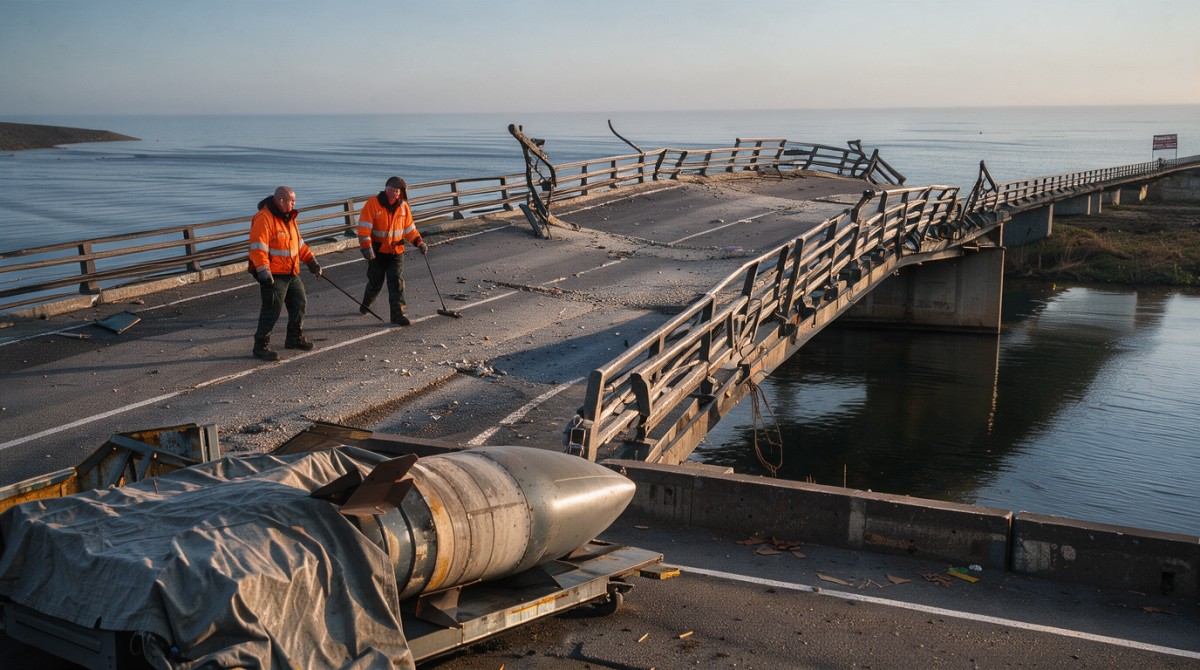
The video report highlights that Iran targeted a U.S. air base in Kuwait, though it does not specify the exact location or the nature of the damage inflicted. The choice of a military installation underscores Iran’s intent to strike at symbols of American power projection in the Gulf, a tactic it has employed in past confrontations. By focusing on an air base, Tehran may be aiming to disrupt U.S. aerial surveillance and rapid response capabilities in the region.
While the footage does not reveal the weapons employed, the pattern of Iranian attacks in recent years has included missile strikes, drone incursions, and cyber operations. Analysts familiar with the region’s security dynamics suggest that the use of precision-guided munitions would align with Iran’s desire to send a clear message without necessarily provoking a full-scale retaliation.
For the Philippines, the Kuwait incident holds particular relevance. Kuwait is a major destination for Filipino domestic workers, and any instability could affect the flow of remittances that sustain countless families back home. The Department of Labor and Employment, together with the Overseas Workers Welfare Administration, may need to coordinate with the Kuwaiti authorities to ensure the safety of Filipino nationals, possibly arranging temporary evacuations or reinforcing consular support in the event of further escalations.
Bahrain Target and Its Strategic Implications
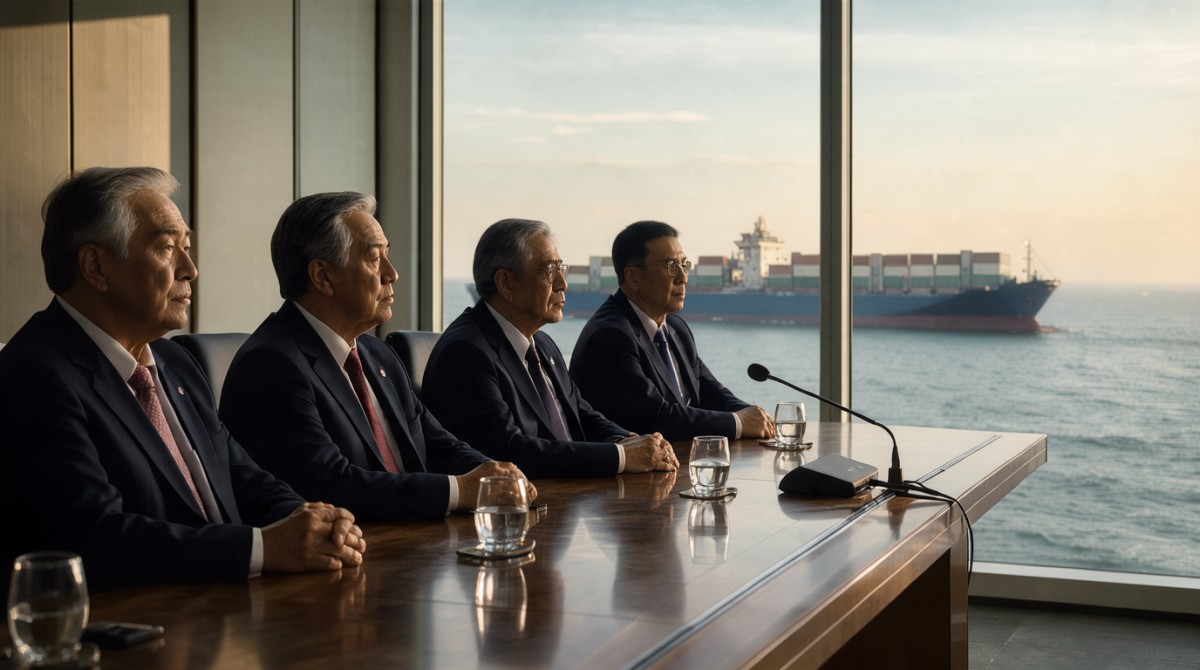
In addition to the strike on the Kuwaiti air base, Iran also attacked a U.S. facility in Bahrain, as noted in the ANC broadcast. Bahrain hosts the U.S. Navy’s Fifth Fleet, a critical hub for American naval operations in the Persian Gulf, Red Sea, and beyond. An attack on any U.S. site within Bahrain therefore carries significant strategic weight, potentially disrupting naval patrols and logistics that safeguard international shipping lanes.
The report does not detail whether the target was a naval base, a communications center, or another type of installation. Nonetheless, the selection of Bahrain suggests Iran’s broader objective to challenge U.S. maritime dominance and to signal its capability to strike multiple nodes of American power simultaneously.
From a Philippine perspective, the security of maritime routes is paramount. The country’s import-dependent economy relies heavily on the safe passage of oil and goods through the Strait of Hormuz and the Gulf of Aden. Any disruption caused by heightened tensions could translate into higher fuel costs and supply chain delays, affecting everything from jeepney fares in Manila to the price of imported rice in barangays across Luzon.
Regional Reactions and Diplomatic Maneuvers
While the ANC video does not capture statements from Gulf states or the United Nations, the pattern of Iranian aggression typically elicits swift diplomatic responses. Saudi Arabia, the United Arab Emirates, and other Gulf Cooperation Council members have historically condemned Iranian attacks on U.S. facilities, often calling for collective security measures and increased cooperation with Washington.
In Manila, the Department of Foreign Affairs is likely to coordinate with its counterparts in the United States and regional allies to assess the implications of Iran’s moves. The Philippines has a long-standing partnership with the United States, reinforced by joint military exercises such as Balikatan, and any threat to U.S. forces in the Gulf could trigger discussions on deeper security collaboration, possibly including intelligence sharing or logistical support.
Furthermore, the Philippine Senate and House of Representatives may hold hearings to examine the potential impact on overseas Filipino workers and the nation’s strategic interests. Lawmakers often invoke the principle of bayanihan, urging the government to protect the welfare of its citizens abroad while also safeguarding national security.
Human Impact on Filipino Communities
Beyond the geopolitical calculations, the human dimension of Iran’s expanded attacks cannot be overlooked. Filipino families with members working in Kuwait and Bahrain watch anxiously as news of military strikes reaches their homes through social media and community networks. In many barangays, the local sari-sari store becomes a hub for sharing updates, as neighbors discuss the safety of their relatives overseas.
The Department of Health may also be called upon to provide psychosocial support for families dealing with the stress of potential conflict. Past crises, such as the COVID-19 pandemic and natural disasters, have shown the importance of community resilience, and the same spirit of bayanihan can be mobilized to help families cope with the anxiety generated by distant wars.
Moreover, the Philippine Overseas Employment Administration (POEA) could issue advisories urging workers to register with the nearest Philippine embassy, ensuring that they can be reached quickly in case of evacuation orders. Such measures echo past practices during the Arab Spring, when Filipino workers were temporarily relocated to safer areas as protests turned violent.
Looking Ahead: Potential Scenarios and Policy Options
As Iran widens its Gulf campaign, several scenarios could unfold. One possibility is a limited escalation, where Iran continues to target specific U.S. installations without crossing a threshold that triggers a large-scale military response. In this case, the Philippines would likely focus on diplomatic engagement, urging restraint from all parties while safeguarding its overseas workers.
Another scenario involves a broader confrontation, perhaps spurred by a miscalculation or an accidental escalation. Should the United States decide to retaliate with a more robust strike, the region could see heightened air and naval activity, increasing the risk of collateral damage. In such a climate, the Philippine government might consider reinforcing its consular presence in the Gulf, coordinating with the Department of National Defense to monitor developments, and preparing contingency plans for evacuation if necessary.
Finally, there is the diplomatic avenue, where backchannel negotiations could lead to a de-escalation. Iran has, in the past, engaged in talks mediated by European powers or regional actors to temper its actions. The Philippines, through its diplomatic corps, could support multilateral efforts aimed at restoring stability, emphasizing the need to protect civilian lives and maintain the flow of remittances that sustain countless Filipino households.
Regardless of the path the crisis takes, the core principle remains the same: the safety and well‑being of Filipino people, whether at home in a barangay or abroad in a foreign land, must guide the nation’s response. As the ANC report underscores, Iran’s attacks on U.S. facilities in Kuwait and Bahrain mark a concerning turn in Gulf dynamics, one that calls for vigilant monitoring, compassionate outreach to affected families, and a steadfast commitment to peace and justice in the face of rising tensions.
By Bella Reyes, Staff Writer
This article was produced with AI-assisted research and editorial support. Reporting is based on the source material cited below. Sources: ANC 24/7 video report (19 November 2026); ANC 24/7; Global1.News
What's Your Reaction?
 Like
0
 Dislike
0
 Love
0
 Funny
0
 Wow
0
 Sad
0
 Angry
0

Philippines/Southeast Asia Correspondent at Global1.News. Manila-based journalist covering Philippine politics, environment, maritime security, and social issues. Passionate about marine conservation and the communities protecting the Philippines' natural heritage.












Comments (0)