
Weather forecast for Sunday, November 15, 2026
Good morning, neighbours. As we sit down with a steaming cup of coffee, the Barbados Meteorological Services have just released today’s weather outlook – and it’s a good reminder of how the Atlantic’s moods shape our daily lives across the Caribbean.
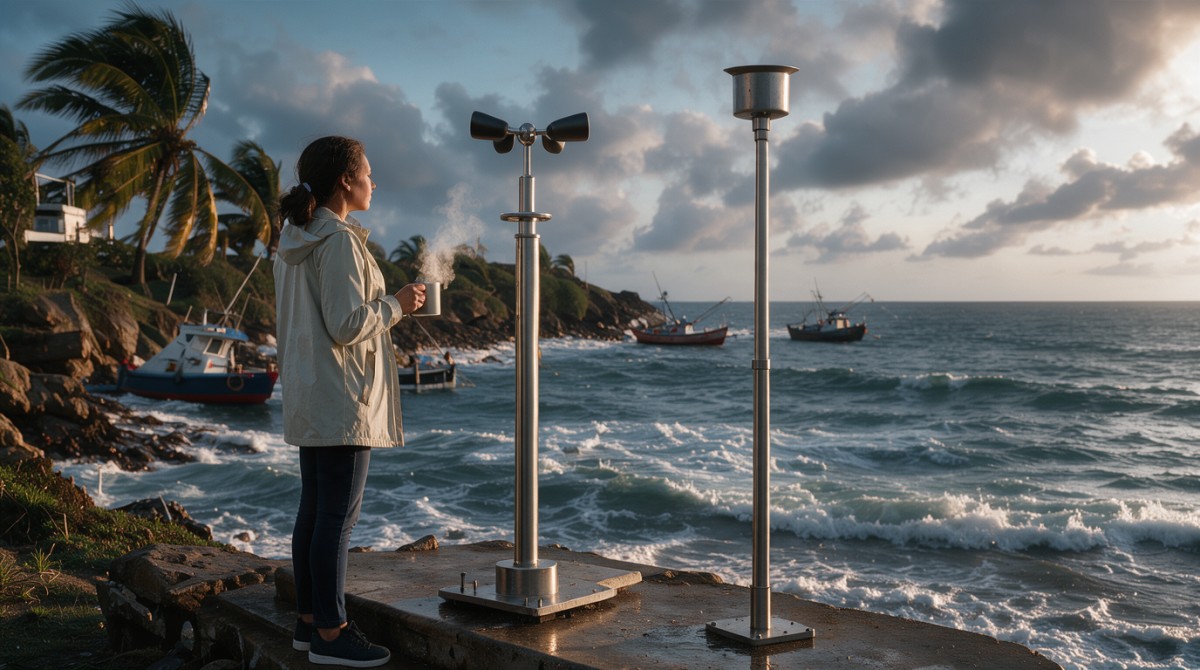
Good morning, neighbours. As we sit down with a steaming cup of coffee, the Barbados Meteorological Services have just released today’s weather outlook – and it’s a good reminder of how the Atlantic’s moods shape our daily lives across the Caribbean. While the forecast is specific to Barbados, the patterns it highlights echo across our own islands, from Port of Spain to Scarborough, and they give us a chance to think about how the weather weaves into our cost‑of‑living worries, tourism plans, and even the rhythm of our cultural calendar.
Dominant Atlantic high‑pressure system
The headline from the Barbados service is clear: an Atlantic high‑pressure system will dominate the day. In plain terms, this means the atmosphere is settled, with stable conditions prevailing over the island. For us in Trinidad, a similar high often brings a stretch of dry, sunny weather that can be a welcome break from the occasional showers that pepper our rainy season.
High‑pressure systems are the engine behind the warm, dry trade winds that sweep our coasts. When they sit strong, they tend to suppress cloud formation, giving us those bright, blue skies we love for a beach day or a stroll along the waterfront. However, they also bring a subtle side‑effect – a thin layer of dust haze that can drift across the islands, as the Barbados outlook notes.
Dust haze and air quality
Both the morning and evening forecasts for Barbados mention a “slight dust haze” that will be visible across the island. This haze is typically a fine, dry particulate that originates from the Sahara and travels across the Atlantic, a phenomenon we’re all familiar with during the dry season. While it’s usually harmless, it can reduce visibility and give the air a dry feel.
For those of us who rely on outdoor markets and street vendors, a dust haze can make a difference. It may prompt a few more shoppers to stay indoors, which in turn can affect the daily takings of small traders already feeling the pinch of rising living costs. It’s also a reminder for health‑conscious citizens to keep an eye on any respiratory sensitivities, especially the elderly and children.
Wind conditions – easterly breezes
The forecast calls for a moderate easterly breeze, blowing at 30 to 35 kilometres per hour (about 19 to 22 miles per hour). That’s a steady, pleasant wind that will keep the sea breezes alive and the temperature comfortable, especially as the sun climbs higher.
In Trinidad, similar easterly trades are a staple of our weather, especially on the east coast where they can bring a refreshing chill after a hot morning. For fishermen and those involved in the energy sector, such as the crews at Atlantic LNG, a moderate breeze is a boon – it aids navigation and can improve the efficiency of offshore operations without the hazards that stronger gusts might bring.
Marine conditions – swells and tides
Barbados’ marine forecast notes smooth to moderate conditions in open water, with swells ranging from one to two metres (roughly three to seven feet). These gentle swells are ideal for a range of water‑based activities, from sailing and windsurfing to the more leisurely paddle‑boarding that’s become popular with tourists.
High tide is slated for 8:09 a.m., with a second high at 7:09 p.m., while low tides occur at 1:21 a.m. and 1:13 p.m. For those of us who enjoy early‑morning fishing trips or late‑evening beach walks, these tide times are useful markers. They also matter for the logistics of cargo ships that dock at our ports, ensuring that loading and unloading can be timed to avoid the low‑tide bottlenecks that sometimes delay deliveries of essential goods.
Sunrise, sunset and daylight hours
Barbados will see sunrise at 5:56 a.m. and sunset at 5:28 p.m., giving a day length of just under twelve hours. While the exact times differ slightly across the islands, the pattern is similar throughout the eastern Caribbean. The early sunrise offers a head start for commuters and market traders, while the early sunset can affect evening activities, especially during the busy Carnival season when events stretch into the night.
These daylight hours also intersect with the energy sector’s demand patterns. As the sun sets earlier, households may rely more on electricity for lighting, which can put pressure on the grid, especially when combined with the higher usage of air‑conditioning during hotter periods.
Implications for tourism and local life
For tourists heading to Barbados, the forecast promises mostly sunny skies with only a few isolated light showers. That’s the kind of weather that encourages beach outings, snorkeling, and exploring historic sites without the worry of a sudden downpour. Similarly, in Trinidad, a comparable stretch of sunshine can boost visitor numbers to our own attractions – from the Caroni Swamp to the bustling streets of Port of Spain.
However, the slight dust haze and moderate breezes also serve as gentle reminders that the Caribbean climate is ever‑present. Travel operators and local businesses need to stay agile, adjusting outdoor plans and ensuring that visitors are informed about the best times to enjoy outdoor activities while staying safe and comfortable.
Looking ahead – the broader climate picture
While today’s forecast is a snapshot, it fits into a larger climate narrative that the Caribbean has been navigating for years. The persistence of high‑pressure systems, the regular dust haze from the Sahara, and the steady easterly trades are all part of the natural rhythm that shapes our islands. Yet, as we confront rising living costs, energy challenges, and the ever‑present threat of severe weather events, understanding these patterns becomes more than a curiosity – it’s essential for planning and resilience.
In the coming weeks, we’ll watch how the Atlantic high evolves, whether it brings more prolonged dry spells or eventually gives way to the rainier phases that follow in the seasonal cycle. For now, though, we can enjoy the modest comfort of a moderate breeze, a clear sky, and the gentle roll of the sea – all the while keeping an eye on how these conditions ripple through our daily lives, from the market stalls to the offshore rigs, and from the schoolchildren’s playgrounds to the festive streets of our beloved Caribbean.
This article was produced with AI-assisted research and editorial support. Reporting is based on the source material cited below. Sources: CBC Barbados; cbc.bb; Global1.News (15 November 2026).
By Sharon Sahatoo, Staff Writer
What's Your Reaction?
 Like
0
 Dislike
0
 Love
0
 Funny
0
 Wow
0
 Sad
0
 Angry
0

Caribbean Correspondent at Global1.News. Based in Port of Spain, Trinidad, covering Caribbean politics, economy, energy, climate, and culture. Amplifying the voices and stories of the Caribbean region.












Comments (0)