
Porter pilots cast ballots on strike mandate ahead of first-ever contract
Porter Airlines pilots walked onto the tarmac at Billy Bishop Toronto City Airport on Wednesday, marking the first public step in a strike‑mandate vote that could see the carrier’s first‑ever contract negotiations turn into a labour action.
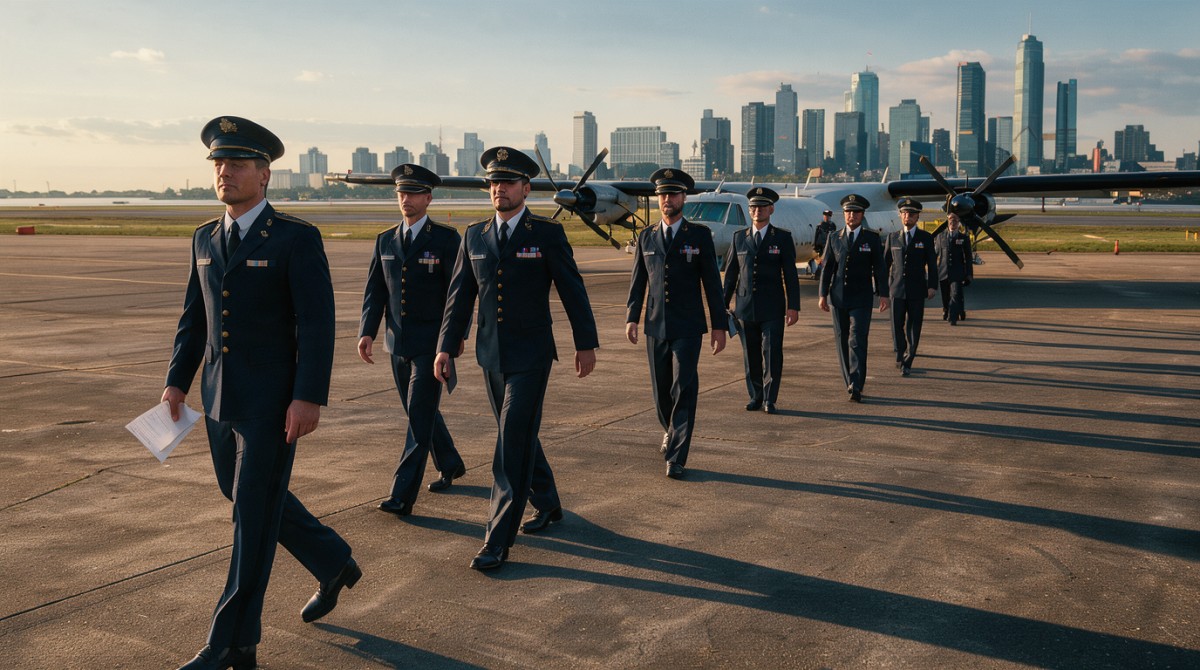
Porter Airlines pilots walked onto the tarmac at Billy Bishop Toronto City Airport on Wednesday, marking the first public step in a strike‑mandate vote that could see the carrier’s first‑ever contract negotiations turn into a labour action. The move, organised by the Air Line Pilots Association (ALPA), involved roughly 200 of the airline’s 900‑plus pilots joining picket lines alongside crew from more than a dozen other North American carriers that operate at the downtown airport.
Background to the dispute
The dispute centres on three core issues that have long defined pilot‑union negotiations across the sector: wages, scheduling and quality of life. Union chair Brian Smith, who leads the Porter contingent within ALPA, said the pilots are seeking gains that bring their compensation and working conditions in line with peers at comparable airlines. “Porter pilots are prepared to take decisive action if that’s what’s required to secure a fair agreement,” Smith said in a release, underscoring the seriousness with which the pilots view the negotiations.
Porter’s management has so far declined to comment on the specifics of the bargaining table. In an email, spokesperson Robyn van Teunenbroek stressed the airline’s appreciation for its pilots, noting that discussions are ongoing and that Porter remains “committed to reaching an agreement that supports our pilots and reinforces our positive working relationship over the last 20 years.” The tone of the response reflects a broader trend among Canadian carriers to balance fiscal pressures with the need to retain skilled flight crews.
The legal timetable
Federal conciliation, a mandatory three‑month period during which a government‑appointed conciliator attempts to bridge the gap between the union and the employer, is set to conclude on Sunday. Should the conciliation phase end without a deal, the parties will enter a 21‑day cooling‑off period, after which a strike or lockout could be legally initiated as early as 14 December.
During the cooling‑off period, a majority “yes” vote from the pilots would authorize union leadership to commence a job action on the first day of that window. The timing aligns with the airline’s operational calendar, as the winter months traditionally see a dip in passenger traffic at the downtown airport, potentially amplifying the impact of any work stoppage on both travellers and the carrier’s revenue.
Economic pressures on Porter
Porter’s bargaining position is being shaped by external economic forces that have strained the airline’s finances in recent months. The carrier has grappled with a sharp rise in jet fuel prices, a consequence of the ongoing Iran war that has disrupted global oil markets. In response to the heightened operating costs, the airline secured a $125‑million bailout loan from the federal government over the summer. This infusion was intended to offset the cost pressures while the airline pursued a rapid expansion strategy that saw new routes and increased flight frequencies added to its schedule.
The loan, while providing short‑term relief, adds a layer of fiscal scrutiny to the negotiations. Pilots and union officials are aware that any wage increases must be balanced against the airline’s debt obligations and the broader cost‑of‑living challenges facing Canadians. The interplay between these financial realities and the pilots’ demand for parity with industry peers forms a central tension in the talks.
Implications for Toronto’s downtown airport
Billy Bishop Airport, perched on the Toronto waterfront, is a unique hub that serves primarily short‑haul domestic and regional flights. The airport’s proximity to the city centre makes it a critical gateway for business travellers and tourists alike. A strike at Porter, which operates a significant share of the airport’s traffic, could reverberate through the local economy, affecting everything from hotel occupancy to airport retail sales.
Moreover, the presence of pilots from more than a dozen other airlines on the picket line signals a broader solidarity among flight crews operating at the downtown field. While the current action is specific to Porter’s contract, the visibility of the protest could inspire similar tactics at other carriers if negotiations stall, potentially amplifying the disruption across the entire Toronto air travel network.
Comparative perspective on pilot contracts in Canada
The issues raised by Porter pilots echo longstanding concerns across the Canadian aviation sector. Pilots at major carriers such as Air Canada and WestJet have, in recent years, secured contracts that address fatigue‑related scheduling, compensation tied to profitability, and enhanced retirement benefits. These precedents have become benchmarks for smaller carriers seeking to attract and retain talent in a competitive labour market.
Union leaders argue that without comparable terms, Porter risks losing experienced pilots to larger airlines that can offer more generous packages. The claim that pilots are seeking “gains on par with peers in the sector” reflects this competitive dynamic, where labour standards set at flagship carriers often cascade down to regional and low‑cost operators.
Potential outcomes and next steps
If the strike‑mandate vote yields a majority in favour of action, the union could call a work stoppage as early as 14 December, after the cooling‑off period expires. Such a move would trigger a series of legal and operational steps, including the possible involvement of the Canada Labour Relations Board to oversee the strike’s conduct and ensure compliance with federal labour law.
Conversely, a “no” vote would signal that the pilots prefer to continue negotiations without resorting to a strike, potentially prompting the airline to make fresh proposals before the cooling‑off window closes. In either scenario, the next few weeks will be pivotal in determining whether Porter can secure a contract that satisfies its pilots while maintaining fiscal stability.
Broader context for Canadian workers
The Porter pilots’ action is part of a wider wave of labour activity across Canada in 2026, as workers in sectors ranging from health care to manufacturing have increasingly turned to collective bargaining to address wage stagnation and work‑life balance concerns. The public’s perception of such actions often hinges on the visibility of the industry and the perceived fairness of the employer’s response.
In the case of Porter, the airline’s public statements emphasise a longstanding partnership with its pilots, a narrative that may resonate with Canadians who value stable employment relationships and the safety record of their carriers. How the government and the public respond to the airline’s request for a bailout loan, and whether they view the pilots’ demands as reasonable, will shape the broader discourse on labour rights and corporate responsibility in the country’s transport sector.
This article was produced with AI-assisted research and editorial support. Reporting is based on the source material cited below. Sources: Global News Canada; globalnews.ca; Global1.News (18 November 2026).
By Alex Thompson, Staff Writer
What's Your Reaction?
 Like
0
 Dislike
0
 Love
0
 Funny
0
 Wow
0
 Sad
0
 Angry
0

Canada Correspondent at Global1.News. Based in Toronto, covering Canadian politics, energy, trade, and US-Canada relations. Provides the Canadian perspective on North American and global affairs.















Comments (0)