
The Cooling Supplement
Data centre cooling is finally getting the shake‑up it deserves. Both are less about flash and more about hard‑earned savings, and both raise a red flag for independent hosting providers who can’t afford to be dazzled by hyperscaler pricing tricks.
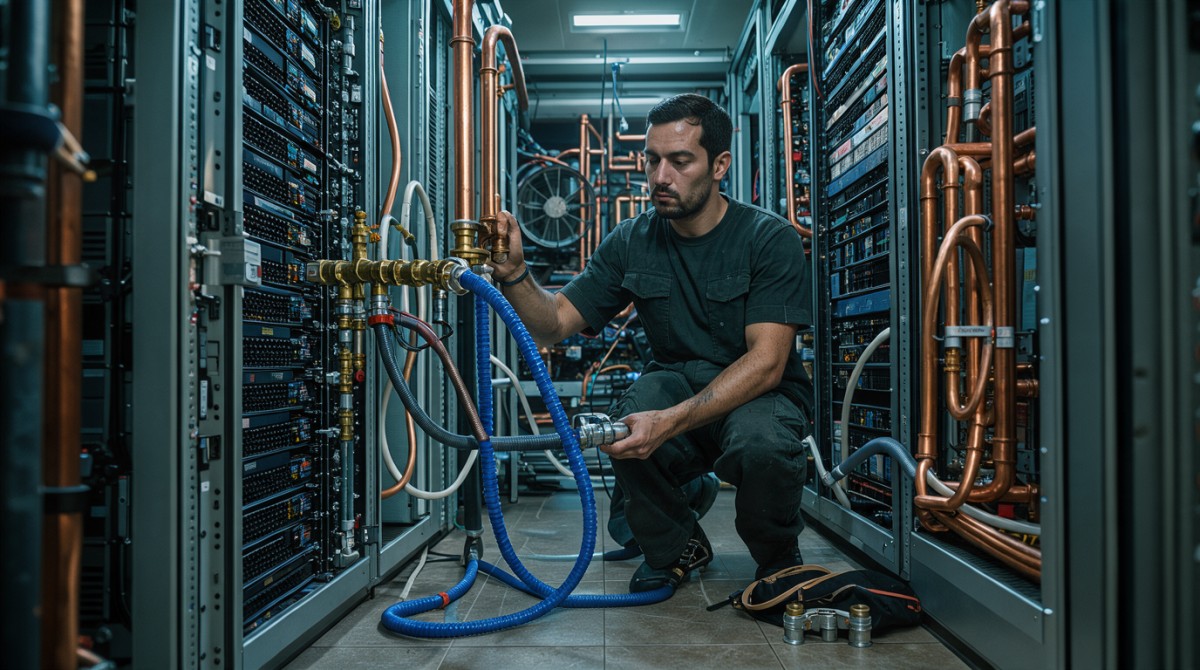
Data centre cooling is finally getting the shake‑up it deserves. For years we’ve been handed the same old playbook – crank the chillers, spray the aisles, hope the racks don’t overheat – while the bill for power keeps climbing and the hype around “green” solutions turns into a never‑ending vendor carousel. The latest supplement from Data Centre Dynamics, produced with Airedale, cuts through the noise and flags two practical fronts that matter to anyone running real infrastructure: squeezing more efficiency out of waste heat and looking seriously at liquid‑cooling retrofits. Both are less about flash and more about hard‑earned savings, and both raise a red flag for independent hosting providers who can’t afford to be dazzled by hyperscaler pricing tricks.
Why the old cooling playbook is dead
The traditional approach to cooling – big air‑handling units, raised floors, endless rows of fans – was never meant to be a long‑term solution at scale. It works fine when you have deep pockets and can afford to waste a chunk of your electricity bill on brute‑force chill. But the reality on the ground is that every kilowatt‑hour of power you draw for cooling is a direct hit to your bottom line, and the margin for error is razor‑thin when you’re serving customers on a pay‑as‑you‑go model.
What the supplement makes clear is that the industry is under growing pressure to improve energy efficiency, trim operating costs, and get more mileage out of existing racks. That pressure isn’t coming from a tech‑trend report; it’s coming from the ledger. When you’re a founder juggling hardware spend, bandwidth contracts, and staff salaries, you can’t hide behind “best practice” guidelines that assume you have unlimited power and cooling budgets.
Harvesting waste heat – a missed revenue stream
One of the most promising angles the supplement highlights is the recovery of waste heat. Data centres generate a massive amount of thermal energy, and instead of letting it dissipate into the atmosphere, you can capture it for secondary uses – from district heating to on‑site hot‑water loops. The concept isn’t new, but the execution is finally becoming practical for mid‑size operators.
For independent hosting firms, the business‑risk calculus changes when you can turn a cost centre into a modest revenue source. It means re‑thinking your rack layout, installing heat exchangers, and negotiating with local utilities or property owners. The supplement doesn’t dive into numbers, but the qualitative takeaway is clear: waste‑heat recovery can offset a portion of your electricity spend, and it does so without the need for massive capital outlays that only hyperscalers can justify.
Liquid cooling retrofits – more than a buzzword
The other heavyweight in the supplement is liquid cooling, particularly retrofitting existing air‑cooled racks with direct‑to‑chip or immersion solutions. The narrative is that liquid cooling can dramatically improve thermal efficiency, allowing you to run higher density workloads without blowing your power budget.
What matters for a founder is that the supplement frames liquid cooling as a retrofit, not a brand‑new build. That means you can upgrade your current infrastructure in phases, aligning spend with cash flow. The key is to evaluate the commercial case – does the reduction in power‑usage‑effectiveness (PUE) translate into real cost savings, and can you recoup the retrofit expense over a reasonable horizon? The supplement nudges you to run that analysis before you get seduced by vendor promises of “10‑percent energy savings” that often hide integration costs.
Smarter thermal management – software over hardware
Beyond hardware upgrades, the supplement points to smarter thermal management strategies. Think dynamic airflow controls, AI‑driven temperature set‑points, and real‑time monitoring that lets you throttle cooling where it’s not needed. The advantage here is that you can extract efficiency gains from the equipment you already own.
From a founder’s perspective, the actionable insight is to invest in a robust monitoring stack that can feed data into automated control loops. It’s not about buying the flashiest dashboard; it’s about having the granularity to spot hotspots, balance loads, and avoid the “one‑size‑fits‑all” cooling approach that wastes power across the board.
Risk of chasing hyperscaler‑style pricing
The supplement’s focus on efficiency is a reminder that the industry’s biggest cost drivers aren’t the cooling tech themselves but the pricing models that hyperscalers use to lock customers into long‑term contracts. Those deals often bundle “premium” cooling services at rates that make sense only at massive scale.
Independent providers must resist the lure of “best‑in‑class” cooling as a selling point if it inflates your cost structure. Instead, leverage the practical steps outlined – waste‑heat recovery, phased liquid‑cooling retrofits, and smarter controls – to keep your operating expenses in check while still offering reliable service.
Practical steps for founders today
So, what should you do right now? First, audit your current cooling footprint. Identify where you’re over‑cooling and where you have hot spots. Second, explore a pilot waste‑heat recovery loop – even a modest heat‑exchange system can demonstrate ROI without a huge upfront spend. Third, evaluate a liquid‑cooling retrofit on a single rack or a small cluster to benchmark performance gains. Finally, tighten your monitoring and automation stack to make sure every kilowatt of cooling is justified.
These steps align with the supplement’s thrust: incremental, data‑driven improvements that protect your margins. They also keep you clear of the hype cycle that swallows up VC‑funded cooling startups promising miracles but delivering costly integration headaches.
Looking ahead – cooling as a competitive advantage
If you can turn cooling from a cost centre into a strategic lever, you gain a real edge. Efficient thermal management frees up power headroom for higher‑density workloads, reduces your carbon footprint, and can even become a marketable differentiator when you tell customers you’re “green‑by‑design.” The supplement, while brief, signals that the next wave of data‑centre evolution will be judged on how cleverly you manage heat, not just on raw compute power.
In the end, the message is simple: stop treating cooling as an afterthought or a vendor‑driven expense. Treat it as a core part of your infrastructure strategy, apply the practical tactics outlined, and you’ll keep your servers humming without letting the utility bill blow your budget.
— Allan Ali, Founder
This article was produced with AI-assisted research and editorial support. Reporting is based on the source material cited below. Sources: Data Center Dynamics; datacenterdynamics.com; Global1.News (18 November 2026).
By Allan Ali, Global1.News
What's Your Reaction?
 Like
0
 Dislike
0
 Love
0
 Funny
0
 Wow
0
 Sad
0
 Angry
0

Publisher of Global1.News. Automation architect, systems builder, and the guy making sure the truth gets published.















Comments (0)