
Saudi Arabia, Japan Hold Strategic Talks in Riyadh
RIYADH — In a region still reeling from the shockwaves of the 2026 Iran conflict, the third Japan-Saudi Arabia Foreign Ministerial Strategic Dialogue convened in Riyadh on August 19, 2026, with a dual mandate: urgent de-escalation and the hard-nosed business of keeping global energy arteries open.
RIYADH — In a region still reeling from the shockwaves of the 2026 Iran conflict, the third Japan-Saudi Arabia Foreign Ministerial Strategic Dialogue convened in Riyadh on August 19, 2026, with a dual mandate: urgent de-escalation and the hard-nosed business of keeping global energy arteries open. Japanese Foreign Minister Toshimitsu Motegi’s arrival marks the first visit by a Japanese top diplomat to the Gulf since the U.S.-Israeli strikes on Iran began in February, underscoring how deeply the war has scrambled the strategic calculations of Asia’s most energy-dependent economies.
Japan’s Motegi in Riyadh: De-escalation, Maritime Security, and the Fight for Energy Flow
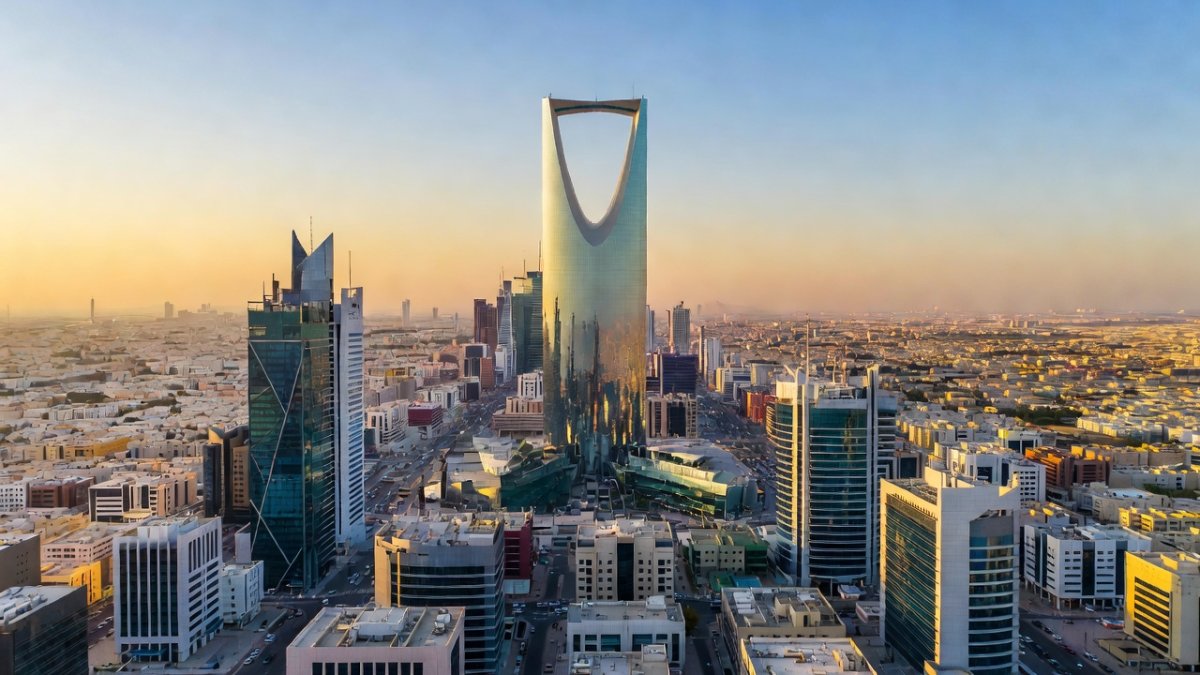
Riyadh, Saudi Arabia - August 19, 2026 - The meeting between Motegi and Saudi Foreign Minister Prince Faisal bin Farhan was not merely a diplomatic courtesy call. It was a crisis-management session. The agenda, confirmed by both ministries, centered on reaffirming a commitment to "urgent de-escalation" of regional tensions, ensuring free and safe navigation through the Strait of Hormuz and the Bab el-Mandeb Strait, assessing reconstruction support for Gulf infrastructure damaged in Iran's attacks, and strengthening bilateral economic ties. For Japan, which imports roughly 90% of its crude oil from the Middle East, this dialogue is existential. For Saudi Arabia, it is a chance to cement its role as the indispensable energy partner while navigating a volatile security landscape.
A Dialogue Forged in Crisis: From Kishida’s 2023 Visit to the 2026 War
The strategic dialogue mechanism itself is a product of calmer times, established in July 2023 during Japanese Prime Minister Fumio Kishida's visit to Saudi Arabia and his summit with Crown Prince Mohammed bin Salman. The first session was held in September 2023 in Riyadh with then-Foreign Minister Hayashi. The second, held in Tokyo on February 3, 2025, saw the two ministers sign a Memorandum for Establishing a Strategic Partnership Council—a bureaucratic milestone that has now become a lifeline for policy coordination in wartime.
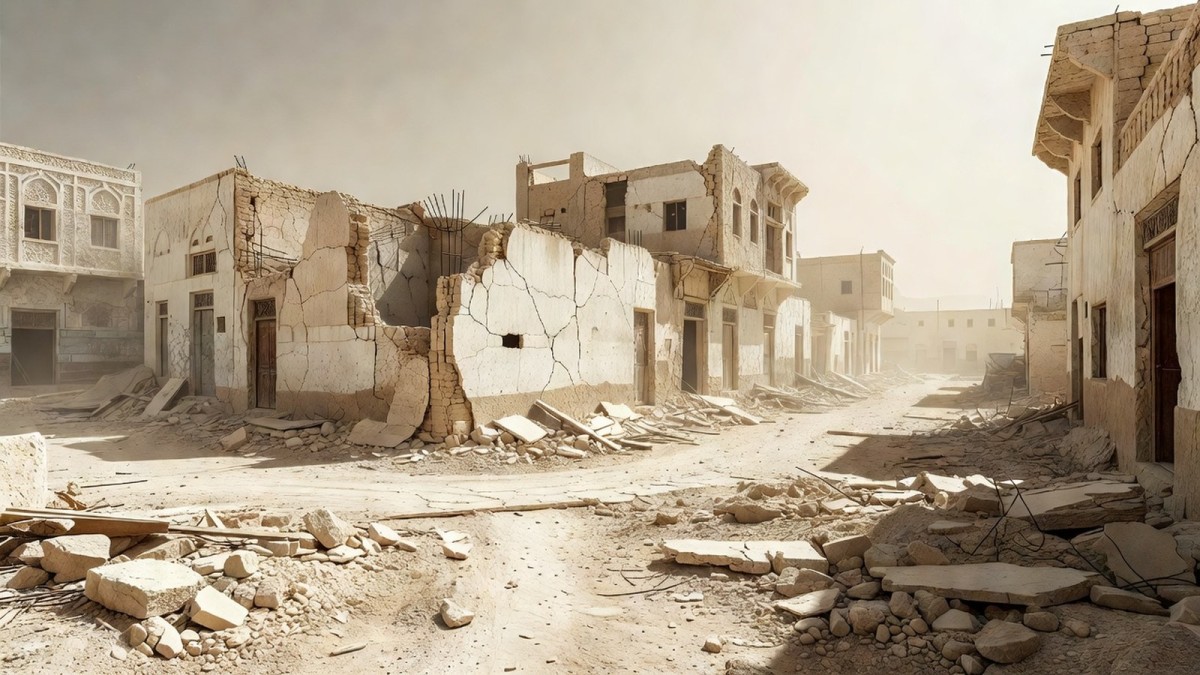
That February 2025 meeting seems like a distant era. By February 2026, the geopolitical landscape had been violently redrawn. The U.S.-Israeli strikes on Iran triggered a cascade of consequences: Iran’s effective closure of the Strait of Hormuz, the largest disruption to global energy supplies since the 1973 oil embargo, and a surge in Brent crude prices that forced global growth forecasts to be slashed. The strategic dialogue, once a forum for long-term Vision 2030 cooperation, is now a war cabinet for energy security.
The Hormuz Calculus: Japan’s Vulnerability and Saudi Arabia’s Leverage
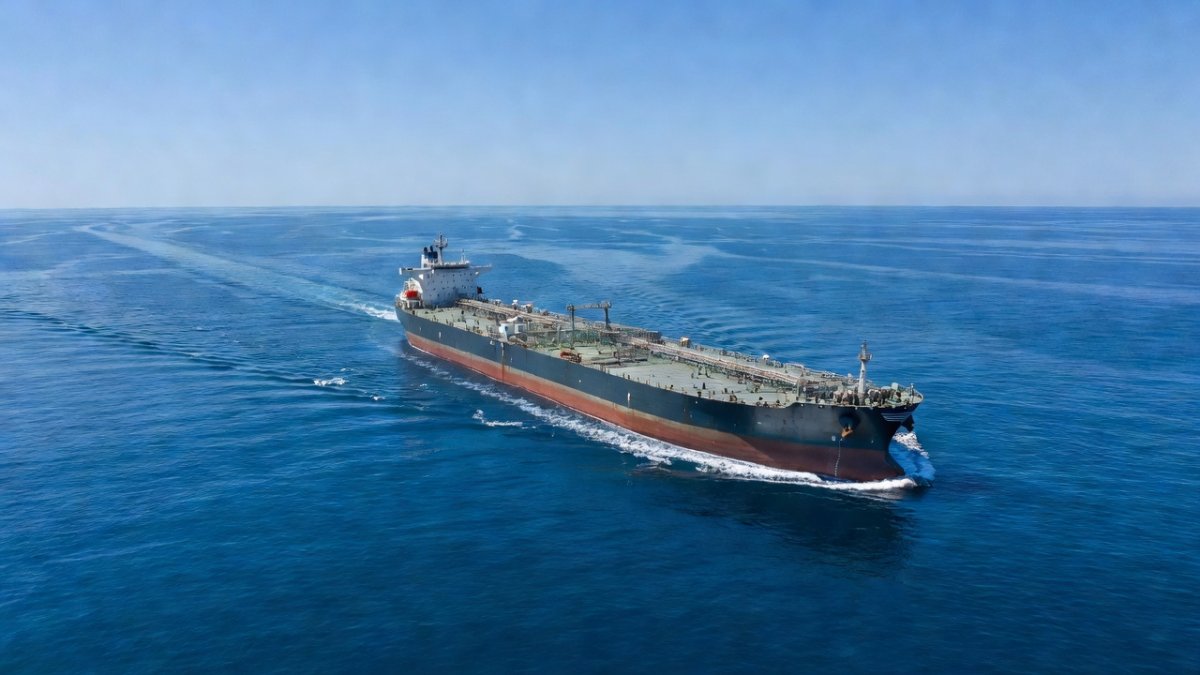
The core of Motegi’s mission is the Strait of Hormuz. For Japan, the strait is not just a chokepoint; it is the aorta of its industrial economy. With nearly all of its crude oil transiting through these waters, the effective closure by Iran has forced Tokyo into a frantic search for alternatives. The New York Times reported on August 18, 2026, that Gulf producers are expanding overseas stockpiles and building pipelines designed to bypass Hormuz, while major importers race to secure oil and gas from outside the region and accelerate renewables investment. Japan is at the front of that race.
Motegi’s meeting with Prince Faisal bin Farhan was therefore a negotiation about redundancy and reliability. Saudi Arabia, as one of Japan’s largest crude suppliers, holds significant leverage. The Kingdom has already launched a new maritime coalition to protect shipping lanes, a direct response to Iran’s attacks on ADNOC tankers in UAE waters—attacks that Arab nations have roundly condemned. For Riyadh, the message to Tokyo is clear: we are the security provider in the Gulf, and our partnership with Japan must reflect that reality.
The strategic calculus for Saudi Arabia is twofold. First, by positioning itself as the guarantor of maritime security, Riyadh strengthens its case as the indispensable energy partner not just for Japan, but for all of Asia. Second, the reconstruction of Gulf infrastructure damaged in Iran’s attacks—which includes Saudi facilities—requires massive investment. Japan, with its advanced technology and capital, is a natural partner for this rebuilding effort. The "energy for technology" formula that has defined Saudi-Japan Vision 2030 since 2017 is now being applied to wartime reconstruction.
Beyond Hormuz: The Bab el-Mandeb and the Houthi Threat
While Hormuz dominates the headlines, the Bab el-Mandeb Strait has emerged as a critical alternative route for crude oil transport amid the effective closure of Hormuz. This has brought the Houthi threat into sharper focus. Motegi is scheduled to meet Rashad al-Alimi, chairman of Yemen's Presidential Leadership Council, who is based in Riyadh, to discuss the Houthi threat and maritime security. This meeting is a recognition that the Red Sea route is now a vital lifeline for global energy, and that the Houthis—who have attacked Saudi Arabia and continue to hold the Bab el-Mandeb in their crosshairs—are a direct threat to Japanese energy security.
Al-Alimi has urged the Houthis to disarm amid renewed military escalation, but the situation remains volatile. For Japan, the strategic interest is clear: if the Bab el-Mandeb becomes as dangerous as Hormuz, the global energy system faces a two-front crisis. Motegi’s meeting with al-Alimi signals that Tokyo is no longer a passive observer in the Yemen conflict. Japan is now a stakeholder in the maritime security architecture of the Red Sea, and its engagement with the Presidential Leadership Council is a de facto endorsement of the Saudi-backed government against the Iran-aligned Houthis.
This is a significant shift. Historically, Japan has been cautious in its Middle East engagements, preferring economic over political involvement. The 2026 war has forced Tokyo to abandon that posture. By meeting with al-Alimi, Motegi is effectively aligning Japan with the Saudi-led coalition’s position on Yemen, a move that carries risks but also rewards. The reward is a seat at the table when the maritime security architecture of the Red Sea is being redesigned. The risk is becoming a target for Houthi retaliation, a prospect that Japanese shipping companies are already bracing for.
Oman’s Pivotal Role: The Muscat Gambit
Motegi’s next stop, expected in Muscat on August 20, is arguably as important as Riyadh. Oman is an important supplier of crude oil and liquefied natural gas to Japan, and it occupies a unique position as a neutral mediator in the Gulf. Motegi is expected to urge Oman to help restore normal shipping operations through the Strait of Hormuz without imposing additional costs such as transit fees. This is a delicate ask. Oman has historically maintained good relations with both Iran and the Gulf states, and it has been a conduit for back-channel communications between Washington and Tehran.
The Japanese calculation is that Oman can serve as a bridge to Iran, or at least as a guarantor of safe passage for Japanese tankers. But the "no transit fees" demand is a hard sell. If Iran has effectively closed Hormuz, any reopening will likely come with conditions, and Oman may not have the leverage to prevent additional costs from being imposed. The strategic dialogue with Saudi Arabia is about building a coalition for maritime security; the Oman visit is about finding a workaround for the immediate crisis.
For Oman, the Japanese visit is an opportunity to enhance its diplomatic relevance. Muscat has been sidelined in recent years as the Gulf has polarized around the Saudi-Iranian rivalry. By positioning itself as the mediator that can help Japan navigate the Hormuz crisis, Oman can reclaim a role as an indispensable neutral player. The Japanese request for no transit fees also aligns with Oman’s interest in keeping shipping costs low, as higher fees would make Omani oil and LNG less competitive.
The Vision 2030 Partnership: From Energy for Technology to Wartime Reconstruction
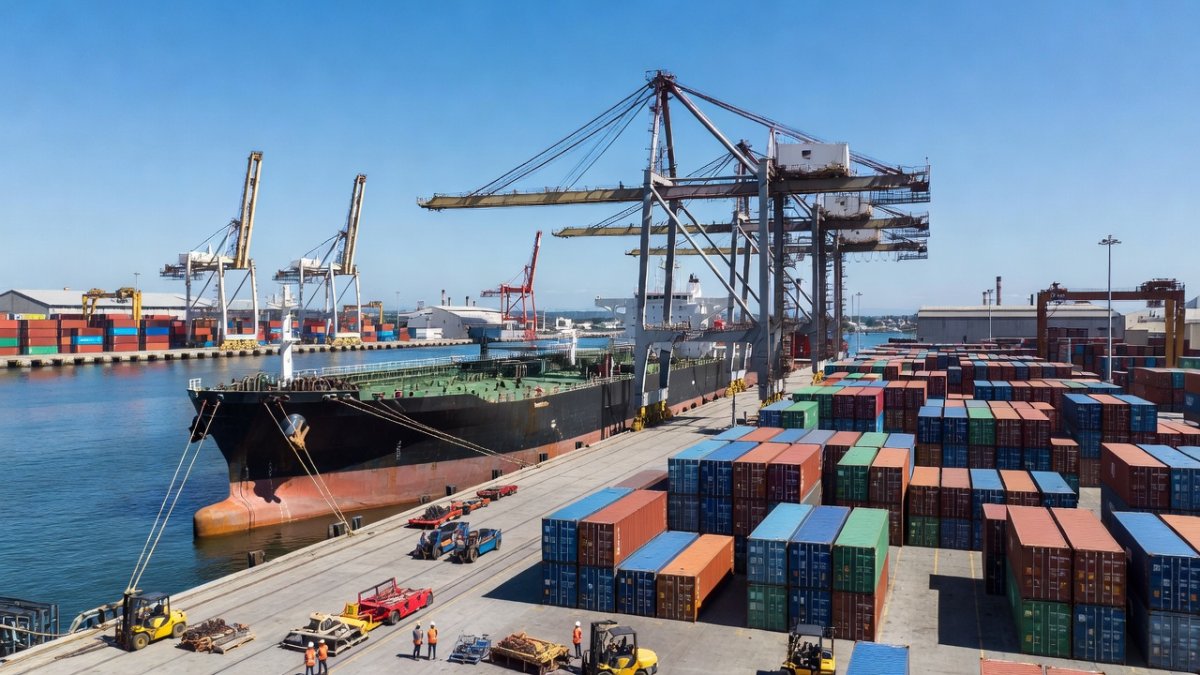
Beneath the crisis management lies a deeper, more durable partnership. The Saudi-Japan Vision 2030 initiative, launched in 2017, covers nine sectors with 65 Saudi and Japanese government entities participating: food security, media and entertainment, medical care, infrastructure, finance and investment, competitive industries, energy, culture/sport/education, and SMEs. The formula has always been "energy for technology": Saudi Arabia provides energy security—hydrocarbons and increasingly green hydrogen—while Japan provides technology, manufacturing expertise, and cultural content.
In January 2026, just weeks before the Iran war began, the two countries signed 12 memorandums of understanding at the Saudi-Japanese Ministerial Investment Forum spanning space, finance, agriculture, technology, education, water, and manufacturing. The 8th Ministerial Meeting of Saudi-Japan Vision 2030 was held on September 22, 2025, and 2025 marked 70 years of Saudi-Japan diplomatic relations. This institutional depth is now being tested in wartime.
The reconstruction of Gulf infrastructure damaged in Iran’s attacks is a natural extension of the Vision 2030 partnership. Saudi Arabia has the capital and the political will; Japan has the technology and the project management expertise. The question is whether the war will accelerate or derail this cooperation. On one hand, the urgency of reconstruction could fast-track joint projects. On the other, the security risks and supply chain disruptions caused by the war could make Japanese companies hesitant to commit resources to the region.
The strategic dialogue in Riyadh was an attempt to reassure Japanese investors that Saudi Arabia remains a safe and profitable destination. Prince Faisal bin Farhan’s message was likely that the Kingdom is not just a victim of the war but a stabilizing force, and that the reconstruction boom will be a major economic opportunity for Japanese firms. For Motegi, the message back was that Japan remains committed to the partnership, but that commitment is contingent on Saudi Arabia’s ability to ensure maritime security and a stable investment climate.
Regional Dynamics: The Sunni-Shia Axis and Great Power Competition
The Saudi-Japan dialogue cannot be understood in isolation. It is part of a broader regional realignment triggered by the 2026 Iran war. The conflict has deepened the Sunni-Shia divide, with Saudi Arabia leading the Arab coalition against Iran’s proxies while the UAE, Bahrain, and others have been targeted by Iranian attacks. The Houthi attacks on Saudi Arabia and the Iranian strikes on ADNOC tankers have unified the Gulf states in a way that the 2023-2025 period of detente could not.
Japan’s engagement with Saudi Arabia is also a signal to Washington. The United States, which launched the strikes on Iran, is now deeply entangled in the conflict. Japan, as a key U.S. ally, is walking a tightrope: it supports the de-escalation agenda but cannot be seen as undermining the U.S. position. The strategic dialogue with Saudi Arabia allows Japan to carve out an independent role as a mediator and stabilizer, distinct from the U.S. military posture.
Turkey’s foreign policy is another factor. Ankara has maintained a complex relationship with both Iran and the Gulf states, and its role in the conflict has been ambiguous. Japan’s engagement with Saudi Arabia and Oman is partly aimed at building a coalition of moderate states that can counterbalance both Iranian aggression and Turkish opportunism. The energy dimension is crucial here: if Japan can secure its energy supplies through Saudi Arabia and Oman, it reduces its vulnerability to disruptions elsewhere.
The Road Ahead: De-escalation, Reconstruction, and the New Energy Order
The Riyadh dialogue concluded with a reaffirmation of shared commitments, but the real test lies ahead. The de-escalation agenda faces enormous obstacles: Iran’s leadership is under domestic pressure, the Houthis are escalating in Yemen, and the U.S. election cycle is injecting uncertainty into American policy. Japan’s ability to influence these dynamics is limited, but its economic leverage is significant. As one of the world’s largest importers of Middle East energy, Japan has a vested interest in stability, and its willingness to invest in reconstruction gives it a voice.
The reconstruction of Gulf infrastructure will be a multi-billion-dollar endeavor, and Japan is well-positioned to be a major player. But the competition is fierce: China, South Korea, and European firms are all vying for contracts. The Saudi-Japan Vision 2030 framework gives Tokyo an institutional advantage, but it must be backed by concrete action. The 12 MOUs signed in January 2026 are a good start, but they need to be translated into projects on the ground.
The energy dimension is equally critical. The New York Times report on overseas stockpiles and bypass pipelines signals a fundamental shift in the global energy order. Japan, which has long relied on Middle East crude, is now diversifying its sources and accelerating its renewables investment. Saudi Arabia, for its part, is investing heavily in green hydrogen and other clean energy technologies, positioning itself as a partner for the post-oil era. The "energy for technology" formula is evolving into "clean energy for advanced technology," and the Saudi-Japan partnership is at the forefront of this transition.
For now, the immediate priority is de-escalation. The Strait of Hormuz remains closed, and the global economy is suffering. Japan’s diplomatic offensive—Riyadh, then Muscat, with a meeting with al-Alimi in between—is a desperate attempt to restore normalcy. But the strategic dialogue has also laid the groundwork for a deeper, more resilient partnership. The war has tested the Saudi-Japan relationship, and so far, it has held. The question is whether it can survive the peace.
By Malik Hassan, Staff Writer
This article was produced with AI-assisted research and editorial support. Reporting is based on sources cited in the article.
What's Your Reaction?
 Like
0
Like
0
 Dislike
0
Dislike
0
 Love
0
Love
0
 Funny
0
Funny
0
 Wow
0
Wow
0
 Sad
0
Sad
0
 Angry
0
Angry
0

Middle East Correspondent at Global1.News. Based in Beirut, covering politics, conflict, energy, and society across the Middle East. Brings context and depth to a region often reduced to headlines.










Comments (0)