
Saudi Airport Attack Sparks Regional Alarm and Raises Questions for South African Sports Fans
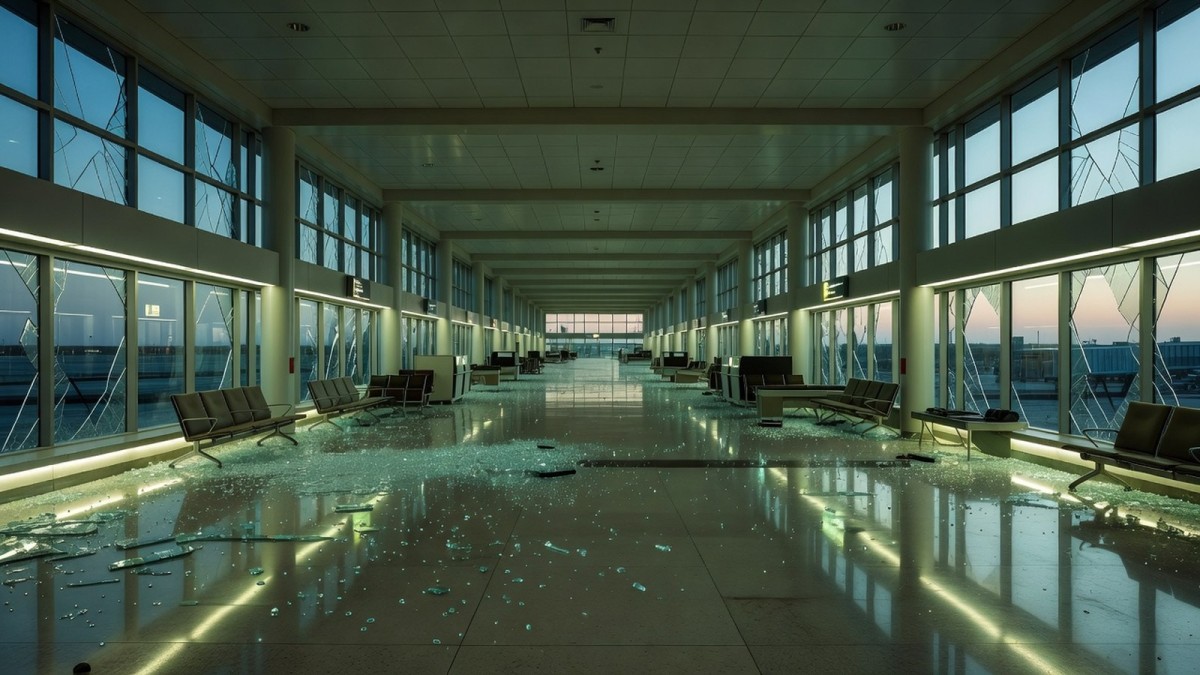
Al Jazeera English’s latest footage from Riyadh shows a scene of devastation at King Khalid International Airport after a Houthi strike that left twelve dead and injured hundreds.
Al Jazeera English’s latest footage from Riyadh shows a scene of devastation at King Khalid International Airport after a Houthi strike that left twelve dead and injured hundreds. The video, reported by Jama Nur Ahmed, captures the chaos of emergency crews scrambling through smoke‑filled terminals while the Saudi government publicly vows a firm response. For South Africans, the headlines may seem far from our own rugby pitches and cricket grounds, yet the reverberations of this attack echo through the world of sport – from the safety of travelling athletes to the political backdrop that frames our own domestic competitions.
What Happened at King Khalid Airport?
The Al Jazeera report confirms that the latest Houthi assault targeted Riyadh’s main gateway, King Khalid International Airport. According to the footage, the strike caused a massive explosion that ripped through a terminal, triggering a fireball that sent debris scattering across the tarmac. The channel’s correspondents counted twelve fatalities among passengers and airport staff, while more than three hundred people sustained injuries of varying severity.
In the immediate aftermath, Saudi emergency services rushed to the scene, establishing triage zones and evacuating survivors. The video shows ambulances lining the runway and medical teams working under a haze of dust and smoke. The scale of the incident, as portrayed by Al Jazeera, underscores a pattern of escalating Houthi attacks on civilian infrastructure that the Saudi coalition has condemned repeatedly.
Beyond the human toll, the footage also highlights the disruption to air traffic. Runway lights flickered, and the control tower appeared to coordinate a sudden halt to all departures and arrivals. Passengers were ushered away from boarding gates, and the airport’s usual bustle turned into a somber exodus. The visual narrative paints a stark picture of how a single strike can cripple a major transport hub.
Saudi Arabia’s Vow of a Firm Response
In the wake of the attack, Saudi officials issued a clear statement promising a “firm response” to the Houthi aggression. While the Al Jazeera clip does not detail the exact nature of the retaliation, the language used by the Saudi leadership signals an intention to intensify military actions against the Yemeni militia. The report notes that the Saudi-led coalition, which has been engaged in the Yemen conflict for years, is poised to step up its operations following the latest bloodshed.
Regional leaders and international observers have condemned the strike, calling it an unacceptable targeting of civilians. The Al Jazeera description emphasizes the widespread condemnation, suggesting that the attack has drawn unified criticism across the Middle East. This diplomatic pressure adds another layer to the Saudi response, potentially shaping the coalition’s next moves both on the battlefield and in the realm of public relations.
For South African sports administrators, the notion of a “firm response” raises practical concerns. Increased military activity in the region could affect air routes that South African teams and fans rely on when travelling to the Gulf for tournaments or friendly matches. The safety of athletes, support staff, and supporters becomes a priority when regional instability threatens flight paths and airport security.
Implications for South African Athletes Traveling Abroad
South Africa’s sporting calendar frequently includes trips to the Middle East, whether for cricket tours, rugby test matches, or football friendlies. The recent attack at Riyadh’s primary airport forces a reassessment of travel logistics for our national squads and club sides. While the Al Jazeera piece does not mention any specific travel bans, the heightened threat level could prompt airlines and governments to reroute flights or impose additional security checks.
Sports bodies such as SA Rugby, Cricket South Africa, and the South African Football Association have historically worked closely with travel agencies to secure safe passage for their delegations. In light of the Riyadh incident, these organisations may need to liaise with the Department of International Relations and Cooperation to obtain updated travel advisories. The potential for flight disruptions could also affect ticketing, broadcast schedules, and the broader commercial arrangements that underpin our sporting events.
Moreover, the psychological impact on athletes cannot be ignored. Players accustomed to routine travel may feel uneasy about boarding flights that could be targeted by hostile forces. The Al Jazeera footage, with its stark images of a bustling airport turned into a disaster zone, serves as a visual reminder that sport does not exist in a vacuum; it is vulnerable to the same geopolitical currents that affect ordinary citizens.
Regional Stability and Its Effect on South African Sports Development
Beyond immediate travel concerns, the broader instability in the Gulf region could influence South Africa’s sports development programmes. Over the past decade, South African football academies and rugby development initiatives have partnered with Gulf clubs to exchange coaching expertise and host training camps. The Al Jazeera report’s emphasis on regional condemnation hints at a collective desire for stability, which could translate into renewed diplomatic efforts to curb the conflict.
If Saudi Arabia’s promised “firm response” leads to an escalation, there is a risk that sporting collaborations could be paused or delayed. Funding streams from Gulf sponsors, which have become increasingly important for South African sports, might be redirected towards security priorities. Conversely, a decisive Saudi action that restores security could open the door for renewed investment in grassroots projects, especially those that aim to use sport as a tool for peacebuilding.
South African sport administrators must therefore monitor the evolving situation closely. The Al Jazeera coverage, while focused on the immediate tragedy, indirectly signals the importance of a stable regional environment for the continuation of cross‑border sporting ties. Engaging with the South African Sports Confederation and Olympic Committee to advocate for sport‑friendly diplomatic initiatives could become a strategic priority.
The Role of Media Coverage in Shaping Public Perception
The Al Jazeera English video, with its on‑the‑ground reporting, plays a crucial role in framing how the global audience perceives the Houthi attacks. By highlighting the human cost – twelve dead and hundreds injured – the report personalises the conflict, moving it beyond abstract geopolitical analysis. For South African viewers, such vivid coverage can influence public sentiment towards the conflict and, by extension, towards any South African athletes competing in the region.
Media narratives also affect how sponsors and commercial partners view risk. Companies that back South African sports teams often assess the safety of venues and travel routes before committing resources. The stark images from Riyadh may prompt sponsors to request additional safety guarantees or to reconsider involvement in events hosted in volatile areas. This could have downstream effects on the financing of South African sport, especially for smaller clubs that rely heavily on external sponsorship.
Furthermore, the Al Jazeera report’s emphasis on regional condemnation underscores a collective moral stance against attacks on civilians. This moral framing may inspire South African civil society, which has long used sport as a platform for social cohesion, to advocate for stronger international pressure on parties that threaten civilian safety. Such advocacy can ripple into the sports arena, where athletes often become ambassadors for peace and humanitarian causes.
Looking Ahead: What South African Sports Stakeholders Should Watch For
In the weeks to come, several developments will be crucial for South African sport. First, any official Saudi statements outlining the specifics of their “firm response” will signal the likely trajectory of the conflict. If the response escalates military operations, travel advisories may tighten, directly affecting upcoming tours and tournaments.
Second, the reaction of airlines operating routes to and from Saudi Arabia will be telling. Adjustments to flight schedules, heightened security screenings, or even temporary suspensions could impact the logistics of South African teams heading to the Gulf for competitions. Sports administrators should maintain close contact with airline partners and monitor any changes in flight availability.
Third, the broader diplomatic climate will shape sponsorship and partnership opportunities. Should the conflict subside, Gulf investors may resume or increase funding for South African sports projects, particularly those that align with development and transformation goals. Conversely, prolonged instability could see a shift in investment focus away from the region, prompting South African sport bodies to diversify their funding sources.
Finally, the emotional resonance of the Riyadh tragedy will linger in the public consciousness. South African fans, many of whom follow international sports closely, may demand that their teams avoid venues perceived as unsafe. Engaging with fan groups and communicating clear safety measures will be essential for maintaining support and confidence.
In sum, the Al Jazeera English report on the Houthi strike at King Khalid International Airport offers more than a snapshot of a single violent episode. It serves as a reminder that sport, travel, and geopolitics are tightly interwoven. For South Africa’s vibrant sporting community, staying informed, adaptable, and proactive will be key to navigating the uncertain landscape that this latest attack has illuminated.
By Dante Williams, Staff Writer
This article was produced with AI-assisted research and editorial support. Reporting is based on the source material cited below. Sources: Al Jazeera English video report (11 October 2026); Al Jazeera English; Global1.News
What's Your Reaction?
 Like
0
Like
0
 Dislike
0
Dislike
0
 Love
0
Love
0
 Funny
0
Funny
0
 Wow
0
Wow
0
 Sad
0
Sad
0
 Angry
0
Angry
0

Breaking News and Investigations Correspondent at Global1.News. Based in London, covering global breaking news, security, and investigative stories. Known for digging deeper and connecting the dots across continents.












Comments (0)