
Salmonella Outbreak From Mexican Jalapenos Sickens 345 Across 27 States, Hits Chipotle and QDOBA
Two Salmonella outbreaks—one from Mexican jalapenos sickening 345 across 27 states, another from 19 million recalled eggs—have hit over 440 people with no deaths reported. Chipotle and QDOBA removed peppers; consumers must check sources and discard recalled items now.
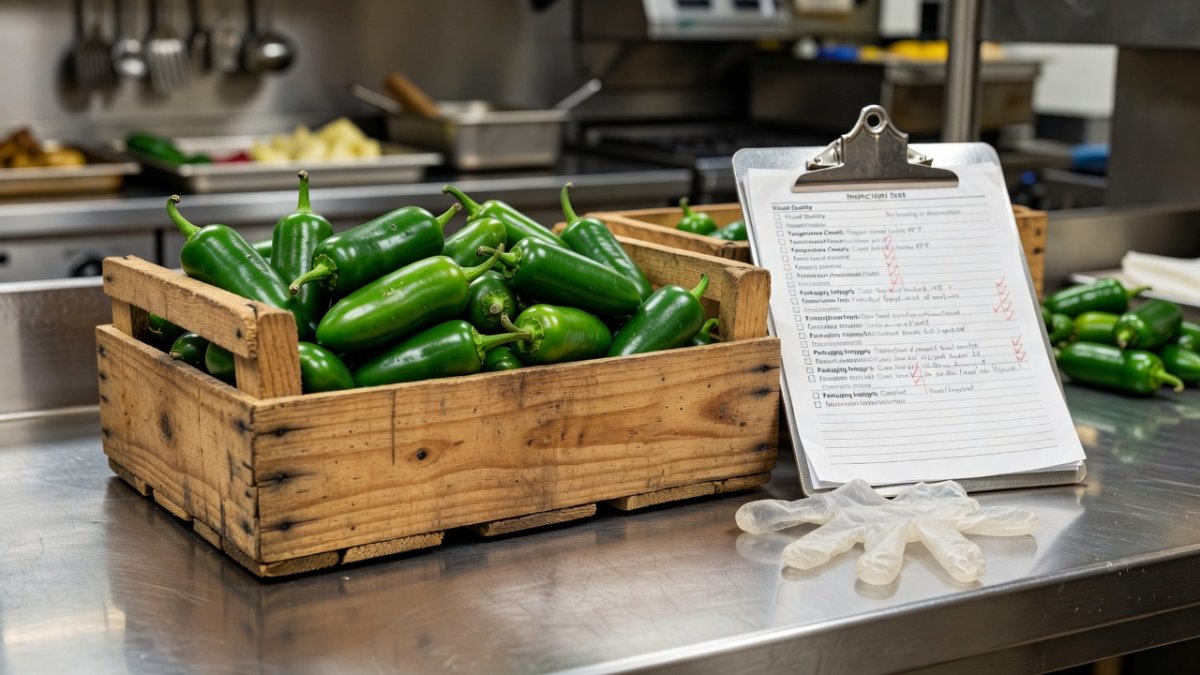
Folks, two separate Salmonella outbreaks are slamming into American kitchens and restaurant tables right now, and the numbers keep climbing. Fresh jalapenos from Mexico have already sickened 345 people across 27 states, while a massive egg recall adds dozens more cases on top. This is not some distant problem — it is hitting Chipotle, QDOBA, and grocery shelves hard.
The Scale of the Jalapeno Outbreak
The CDC and FDA issued joint alerts this week confirming 345 confirmed infections with the outbreak strain of Salmonella Javiana. Cases span 27 states, with the heaviest concentration in Minnesota and Colorado. Thirty-six people have been hospitalized so far, though no deaths have been reported. The outbreak strain is spreading through fresh jalapeno peppers that reached restaurants and wholesale buyers nationwide. Most illnesses trace directly to these peppers, and federal investigators continue to trace additional exposures. The speed of the spread shows how quickly one contaminated lot can affect diners from coast to coast. Public health officials are still interviewing patients to map every possible source.
Folks, the concentration in Minnesota and Colorado points to early distribution hubs that funneled peppers straight into high-volume restaurant networks before warnings went out. That pattern forces investigators to treat every state line as a potential new front in the outbreak. The absence of deaths so far does not mean the danger has passed, because the same supply lines could still carry hidden lots into kitchens that have not yet been checked.
Officials know the 345 count is a floor, not a ceiling, since many mild cases never reach a lab for confirmation. Each new interview with a sick patient can pull another restaurant or wholesaler into the net and extend the timeline of exposure. This is why the CDC keeps updating its map daily instead of declaring the Jalapeno outbreak contained.
Origin of the Peppers and the Distributor Recall
The contaminated jalapenos were grown in Sinaloa, Mexico, and entered the United States through Coast Citrus Distributors. That company has now agreed to recall the product and is actively notifying its customers. The peppers went primarily to restaurants and wholesale buyers rather than direct retail shelves, which explains why so many illnesses link to dining out. Federal officials emphasize that any remaining product must be pulled immediately. Distributors and buyers are being told to stop selling or serving the recalled peppers. Surfaces and equipment that touched the peppers must be washed and sanitized to prevent further spread. The recall focuses on stopping additional exposure before more people fall ill.
Folks, the Sinaloa origin forces every buyer to confront how far a single farm lot can travel once it crosses the border. Coast Citrus Distributors now carries the burden of proving every downstream customer received the recall notice, or the chain of liability stays open. Restaurant operators who ignored the first alert are now facing the choice between pulling every dish that uses jalapenos or risking another round of lawsuits.
The decision to route these peppers almost exclusively through wholesale channels rather than grocery aisles made the outbreak harder to spot early. Wholesale buyers often move product faster than retail, so the peppers reached plates before any consumer complaint could trigger a wider look. That speed is exactly why the recall must be treated as an all-hands operation rather than a routine paperwork exercise.
Chipotle and QDOBA Actions and Past Problems
Chipotle moved quickly on Tuesday by first pulling jalapenos from locations in Minnesota and then removing them from every U.S. restaurant. The chain's stock dropped more than 8 percent that day, wiping out roughly 10 percent of its market value in a single session. Federal officials now consider the immediate jalapeno risk at Chipotle to be over because the peppers are gone. Still, the company carries a long record of food-safety troubles, including E. coli, salmonella, and norovirus outbreaks that began in late 2015 and repeatedly hurt investor confidence. QDOBA has also removed jalapeno dishes from its menus nationwide. Both chains are working with investigators, yet the repeated hits to the same brand raise questions about how well supply chains are being vetted before product reaches customers.
Folks, Chipotle's rapid nationwide pull shows the company learned something from its 2015 troubles, but the stock reaction proves investors still punish any hint of another safety lapse. The 8 percent drop in one day wiped out far more value than the cost of the peppers themselves, which tells every chain that reputation damage travels faster than any recall truck. QDOBA's quieter removal of jalapeno items may buy it time, yet both brands now sit under the same microscope until investigators close the file.
The history since late 2015 means every new outbreak at these chains triggers automatic skepticism from regulators and customers alike. Supply-chain vetting that once looked adequate now appears thin when the same peppers reach two national brands at once. Investors are watching to see whether the current response becomes a turning point or just another chapter in the same story.
The Parallel Egg Recall Adds to the Toll
A separate Salmonella Enteritidis outbreak tied to shell eggs is running at the same time. Midwest Poultry Services recalled more than 1.5 million dozen eggs, roughly 19 million individual eggs, after the outbreak strain was found in Kroger cartons. Ninety-eight people across 17 states have fallen ill, with 26 hospitalizations and no deaths. The eggs include both brown cage-free and white varieties sold in multiple package sizes with sell-by dates from July 20 through August 17. They were produced in Texas and distributed between June 6 and July 3. The strain shows resistance to ciprofloxacin, making treatment more difficult in severe cases. Combined, the two outbreaks have now sickened more than 440 people with dozens of hospitalizations.
Folks, the ciprofloxacin resistance in the egg strain changes the risk calculation for anyone who might need antibiotics later. Doctors now face a narrower set of options when a patient from the egg outbreak lands in the hospital, which lengthens recovery times and raises costs. That resistance marker also tells public health labs they are dealing with a strain that survived whatever pressures exist on the farm or in processing.
The 1.5 million dozen figure from Midwest Poultry Services represents one of the larger egg recalls in recent years, yet it still only covers the lots tied to confirmed cases. Any eggs that left the same Texas facility but carried different lot codes remain outside the current recall boundary until testing catches up. Consumers holding eggs with the listed sell-by dates have no choice but to treat every carton as suspect until they confirm the source.
Symptoms and Who Faces the Greatest Risk
Salmonella bacteria cause salmonellosis, a common foodborne illness. Typical symptoms include diarrhea, fever, and stomach cramps that usually start between six hours and six days after exposure and last four to seven days. Most healthy adults recover without medical treatment. However, young children, older adults, and people with weakened immune systems can develop severe illness that requires hospitalization. The drug-resistant strain in the egg outbreak adds another layer of concern for those who may need antibiotics. Anyone experiencing persistent high fever, bloody diarrhea, or dehydration should seek medical care right away. Public health messages stress that these groups should avoid any recalled products entirely.
Folks, the six-hour to six-day window means families can still be incubating illness from meals eaten days earlier, so the case count will keep rising even after the peppers and eggs are pulled. Young children and older adults absorb the worst outcomes because their immune systems cannot fight the infection as effectively, turning what looks like a stomach bug into a hospital stay. The added resistance factor in the egg outbreak simply narrows the margin for error for those same vulnerable groups.
Public health departments are urging anyone in a high-risk category to skip restaurant meals that feature fresh peppers or eggs until the investigations close. That advice is not panic; it is arithmetic based on the 36 hospitalizations already recorded. Every day the outbreaks remain active, the pool of people who could tip from mild to severe grows larger.
What Consumers Must Do Immediately
Do not buy, sell, or serve any recalled jalapeno peppers or the listed shell eggs. Check with restaurants and stores to confirm the source of any jalapenos still on menus or shelves. Wash and sanitize any surfaces, cutting boards, or utensils that might have touched the peppers. For eggs, verify sell-by dates and discard any matching the recall if they remain in your refrigerator. People who recently ate at Chipotle or QDOBA and feel sick should contact their doctor and mention the possible exposure. Staying alert to local health department updates can help households avoid additional risk while the investigations continue.
Folks, the sanitize step after handling recalled peppers is not optional theater; it is the only way to break the chain before the bacteria moves to the next cutting board or knife. Checking restaurant menus now prevents the next wave of cases from people who assume the problem has already been fixed. Local health department alerts remain the fastest way to learn whether new lots have surfaced in your area.
Anyone who still has eggs with the July 20 through August 17 sell-by dates needs to treat the entire carton as a potential vector rather than gamble on a single carton code. The same rule applies to any leftover dishes that might have contained the recalled peppers. Speed matters because the bacteria can survive on surfaces long after the food itself is gone.
How the Investigation Unfolded
Folks, the traceback started with sick patients describing what they ate, then moved backward through restaurant receipts to the common distributor, and finally to the Sinaloa farm that supplied Coast Citrus Distributors. Each interview added another link until investigators could draw a straight line from the 345 cases to the same pepper lots. That methodical path is the only reason the recall reached the right buyers before more people became ill.
Once the peppers were tied to Chipotle and QDOBA locations, federal teams visited those kitchens to sample surfaces and confirm the strain matched patient samples. The same process applied to the egg outbreak, where Kroger cartons gave investigators the first physical evidence that pointed back to Midwest Poultry Services in Texas. Without patient interviews feeding the early map, both outbreaks would have kept spreading for weeks longer.
The Sinaloa connection closed the final gap because shipping records showed exactly which lots crossed the border and when. That level of traceability turned a scattered set of illnesses into a single, actionable recall rather than a mystery that dragged on through the summer.
What This Means for Your Grocery Cart
Folks, checking egg cartons means reading every sell-by date on the side before you put them in the cart or keep them in the fridge. Any carton marked July 20 through August 17 should be returned or discarded, even if the eggs look and smell fine. The same rule applies to any produce that might have come from the same wholesale channels that carried the recalled jalapenos.
General produce safety now requires asking the store where the peppers or other fresh items originated, because restaurant supply chains and retail shelves sometimes share the same distributor. Washing hands, boards, and knives after handling any fresh pepper remains the simplest defense until the investigations finish. Those steps protect the household even when the next recall has not yet been announced.
The Larger Food-Safety Picture
These back-to-back outbreaks highlight ongoing weaknesses in how fresh produce and eggs move from farm to table. Peppers grown abroad and eggs distributed across many states both reached consumers before problems were caught. Restaurant chains with prior safety issues still accepted product that later proved contaminated. The fact that one outbreak involves a drug-resistant strain shows that resistance is no longer rare in foodborne pathogens. Regulators and industry must improve traceability and testing before contaminated lots travel nationwide. Consumers end up bearing the health costs when systems fail to catch problems earlier.
Folks, the overlap between the jalapeno and egg outbreaks proves that separate supply chains can fail at the same time, overwhelming the same public health system. The drug-resistant egg strain adds urgency because it shows resistance markers are moving through multiple food categories rather than staying isolated to one commodity. Every delay in traceability testing simply multiplies the number of people who reach the hospital before anyone issues a warning.
Restaurant chains that survived earlier crises now face the reality that one bad lot can erase years of recovery in a single trading day. Consumers who keep pressure on stores and chains through their purchases are the only consistent force pushing faster testing and clearer labeling. Without that pressure, the next outbreak will follow the same path from farm to table with the same results.
Bottom Line and Next Steps
The immediate priority is keeping contaminated food out of homes and restaurants. Check your fridge and pantry tonight, confirm sources at any place you eat out, and speak up if something seems off. Report illnesses to local health departments so investigators can finish mapping both outbreaks. Holding suppliers and chains accountable through purchases and public pressure remains the fastest way to push real improvements. Stay informed, stay cautious, and demand better safeguards on the food supply that reaches every table.
Folks, the next few days will show whether the recalls actually reached every restaurant and store that received the peppers or eggs. Any gap in that notification chain means another round of illnesses that could have been prevented. The only way to close those gaps is for every buyer to verify the source before the next meal is served.
Public pressure works when it stays focused on the specific actions still needed: full lot tracing, surface testing in every affected kitchen, and clear answers on whether more lots remain in circulation. That pressure must continue until the CDC and FDA declare both outbreaks over, not just quiet.
By Jessica Ali, Staff Writer
This article was produced with AI-assisted research and editorial support. Reporting is based on sources cited in the article.
What's Your Reaction?
 Like
0
Like
0
 Dislike
0
Dislike
0
 Love
0
Love
0
 Funny
0
Funny
0
 Wow
0
Wow
0
 Sad
0
Sad
0
 Angry
0
Angry
0

Editor-in-Chief at Global1.News. Atlanta-based journalist who cuts through the BS and tells it like it is. Lead anchor, host, and the voice you hear when the spin stops and the truth starts.













Comments (0)