
Royal command promotes 14 senior monks to higher ecclesiastical ranks
In a quiet but deeply significant moment for Thailand's Buddhist community, the Royal Gazette published royal commands this week elevating 14 senior monks to higher ecclesiastical ranks — a move that ripples far beyond the marble halls of Bangkok's grandest temples and reaches into the heart of vill.
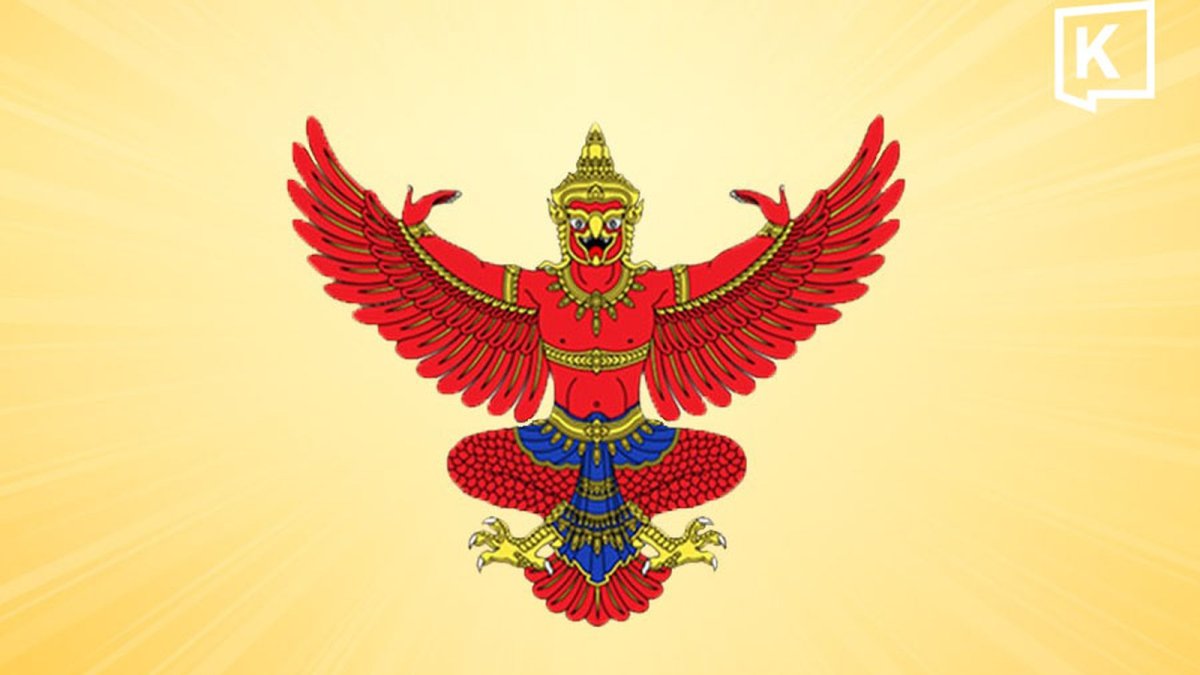
In a quiet but deeply significant moment for Thailand's Buddhist community, the Royal Gazette published royal commands this week elevating 14 senior monks to higher ecclesiastical ranks — a move that ripples far beyond the marble halls of Bangkok's grandest temples and reaches into the heart of village monasteries across the Isaan region and beyond.
The announcements, published on Monday, carry the weight of centuries of tradition, connecting the Thai monarchy's role as protector of the faith with the daily spiritual lives of millions of Buddhists who look to their local abbots for guidance, merit-making, and moral leadership.
Royal Command Elevates 14 Senior Monks to Higher Ecclesiastical Ranks, Strengthening Buddhist Hierarchy Across Thailand
Bangkok, Thailand — The Royal Gazette published two royal commands on Monday confirming the promotion of 14 senior Buddhist monks to elevated ecclesiastical positions, with the most senior appointment elevating Phra Thamma Wachira Dilok of Wat Suthat Thepwararam Ratchaworamahawihan in Bangkok to the rank of deputy supreme ecclesiastical dignitary. The promotions took effect on Sunday, according to the official announcements.
A Historic Elevation at Wat Suthat
The first royal command focuses on Phra Thamma Wachira Dilok, the abbot of one of Bangkok's most revered royal temples, Wat Suthat Thepwararam Ratchaworamahawihan, located near the Giant Swing in the old city. His Majesty the King has conferred upon him the new title Phra Phrom Wachira Muni, a rank that places him among the highest echelons of the Thai Sangha hierarchy.
This elevation, effective Sunday, carries with it the authority to appoint eight monks to positions within his ecclesiastical entourage — a practical recognition of the administrative and spiritual responsibilities that accompany such a senior rank. Wat Suthat, built during the reign of King Rama I and completed under King Rama III, has long been a center of royal patronage and remains one of the most important temples in the capital.
For Thai Buddhists, the deputy supreme ecclesiastical dignitary rank is not merely ceremonial. It represents a formal recognition of a monk's scholarship, discipline, and service to the faith, placing him in a position to influence monastic education and practice across the country.
Thirteen Monks Across the Kingdom Receive New Titles
A second royal command, published in the same edition of the Royal Gazette, promotes 13 additional monks from temples spanning seven provinces — from the northern city of Chiang Mai to the northeastern heartland of Isaan. Each promotion reflects years of dedicated service to their communities and the broader Sangha.
Among the most notable elevations, Phra Thep Wachira Khunathan of Wat Ban Plueai Yai in Roi Et has been promoted to Phra Thamma Wachira Khunathan, a significant step upward in the ecclesiastical hierarchy. Roi Et, a province in the Isaan region known for its deep Buddhist traditions and numerous temples, will see its local monastic leadership strengthened by this recognition.
Similarly, Phra Yan Wilat of Wat Pa Song Tham in Roi Et has been elevated to Phra Ratcha Yan Wachirophas, while Phra Khru Chotithammaprakat of Wat Kasemsap Phatthanaram, also in Roi Et, has been appointed Phra Wachira Thamma Chot. The concentration of promotions in Roi Et underscores the province's importance as a center of Buddhist learning and practice in the Northeast.
Bangkok Temples and the Capital's Monastic Leadership
The capital's temples feature prominently in the royal commands. Phra Ratcha Wachira Methi of Wat Traimit Witthayaram Worawihan — home to the famous Golden Buddha, the world's largest solid gold statue — has been promoted to Phra Thep Pariyat Wachira Methi. This temple in Bangkok's Chinatown district attracts thousands of visitors daily, and its abbot's elevation reflects the temple's growing stature.
Phra Phimon Phawana Phithan of Wat Rakhang Khositaram Woramahawihan, a historic temple on the Thonburi side of the Chao Phraya River known for its beautiful bell and its connection to Thai literary heritage, has been promoted to Phra Ratcha Wachira Phawana Phithan. Wat Rakhang, which once housed the famous monk-poet Somdet Phra Phutthachan (To Phrommarangsi), remains a pilgrimage site for those seeking blessings and merit.
Phra Si Thiraphong of Wat Thong Nopphakhun, a temple in Bangkok's Dusit district, has been promoted to Phra Ratcha Wachira Saramethi, while Phra Khru Si Wachirawong of Wat Suthat Thepwararam has been appointed Phra Pariyat Wachira Wethi, further strengthening the ecclesiastical team at the capital's most prominent royal temple.
Isaan's Buddhist Heartland Honored
Beyond Roi Et, the northeastern region receives significant recognition in these royal commands. Phra Khru Pariyat Woraphirak of Wat Nong I But in Kalasin has been appointed Phra Pariyat Wachirathon, while Phra Khru Si Wisut Wat of Wat That in Khon Kaen has been appointed Phra Pariyat Wachira Sunthon. Both provinces are known for their vibrant temple cultures, where monasteries serve not only as places of worship but as community centers, schools, and social welfare hubs.
For villagers in Kalasin and Khon Kaen, the elevation of their local abbots is a source of collective pride. In Isaan, where economic opportunities can be scarce and social services limited, temples often fill crucial gaps — providing education for novice monks, organizing community events, and offering spiritual comfort during difficult times. A higher ecclesiastical rank for a local abbot brings prestige to the entire community and can attract pilgrims and donors to the region.
The promotions also carry practical implications. Higher-ranking monks often gain greater influence in regional Sangha councils, giving their communities a stronger voice in decisions about monastic education, temple funding, and the preservation of local Buddhist traditions.
From Chiang Mai to Chachoengsao: A National Recognition
The royal commands extend to the north and the central plains as well. Phra Khru Sitthi Phawananusak of Wat Si Song Mueang in Chiang Mai has been appointed Phra Phawana Wachira Thada, a recognition of the temple's role in the spiritual life of Thailand's northern capital. Chiang Mai, with its hundreds of temples and deep Lanna Buddhist heritage, remains a vital center of the faith.
In Chachoengsao, east of Bangkok, Phra Khru Santi Kitjanukan of Wat Bang Samak has been appointed Phra Phawana Wachira Wisit. And in Pathum Thani, just north of the capital, Phra Maha Adirek Techawanno of Wat Bang Tanai has been appointed Phra Udom Wachira Suthi. The inclusion of a monk from Pathum Thani, a province experiencing rapid urbanization, highlights the Sangha's reach into both rural and peri-urban communities.
Finally, Phra Khru Si Kitti Warodom of Wat Benchamabophit Dusitwanaram — the famous Marble Temple in Bangkok, built from Italian Carrara marble during the reign of King Rama V — has been appointed Phra Kitti Wachirodom. This temple, which serves as the abode of the Supreme Patriarch, holds special significance in the Thai Buddhist world, and its monks' promotions carry particular weight.
Understanding the Ecclesiastical Hierarchy
For many Thai readers, the titles conferred in these royal commands may seem complex, but they represent a carefully structured system of monastic governance that has evolved over centuries. The Thai Sangha hierarchy, formalized under the Ecclesiastical Acts of 1902 and subsequent revisions, establishes a clear chain of authority from the Supreme Patriarch down through regional and provincial heads to individual abbots.
The titles themselves combine Pali and Thai elements, with prefixes like "Phra Thamma," "Phra Ratcha," and "Phra Pariyat" indicating different areas of expertise and responsibility — from doctrinal scholarship to meditation practice to administrative leadership. The suffix "Wachira" (diamond) appears frequently in these new titles, symbolizing the indestructible nature of wisdom and the purity of the monastic path.
These ranks are not merely honorary. They determine a monk's role in the Sangha's administrative councils, his authority to ordain new monks, and his responsibility for overseeing monastic discipline within his jurisdiction. For the monks themselves, elevation is both an honor and a burden — a call to greater service and stricter adherence to the Vinaya, the monastic code.
What These Appointments Mean for Thai Communities
The timing of these royal commands, taking effect on Sunday and published on Monday, reflects the monarchy's ongoing role as the upholder of Buddhism in Thailand. Since the Sukhothai period, Thai kings have been regarded as defenders of the faith, and the annual promotion of monks through royal command is one of the most visible expressions of this relationship.
For the communities served by these 14 monks, the promotions signal continuity and stability. In an era of rapid social change, when younger generations are increasingly drawn to urban centers and digital distractions, the presence of respected, high-ranking abbots in local temples provides an anchor for traditional values. Parents can point to their local abbot's elevation as evidence that the path of Buddhist practice remains honored and rewarded.
The geographic spread of the promotions — from Chiang Mai in the north to Roi Et and Kalasin in the Northeast, from Bangkok's grand royal temples to modest village monasteries in Pathum Thani — also sends a message that the Sangha's leadership is drawn from all corners of the kingdom. For Isaan, in particular, where feelings of marginalization sometimes surface in national discourse, these royal recognitions affirm the region's vital contribution to Thai Buddhism.
As the news of these promotions spreads through temple networks and community gatherings this week, monks and laypeople alike will offer congratulations to the newly elevated dignitaries. In villages across Roi Et and Kalasin, in the bustling streets of Bangkok's old city, and in the mountain-shadowed temples of Chiang Mai, the royal commands will be read aloud, discussed, and celebrated — a reminder that in Thailand, the bond between the throne, the Sangha, and the people remains as strong as ever.
This article was produced with AI-assisted research and editorial support. Sources: Khaosod English.
By Ann Srisawat, Staff Writer
What's Your Reaction?
 Like
0
Like
0
 Dislike
0
Dislike
0
 Love
0
Love
0
 Funny
0
Funny
0
 Wow
0
Wow
0
 Sad
0
Sad
0
 Angry
0
Angry
0

Southeast Asia Correspondent at Global1.News. Based in Bangkok, covering Thai and Southeast Asian politics, economy, technology, and culture. Deep regional perspective on one of the world's most dynamic regions.













Comments (0)