
Retail spending fell in March as consumers pull back
Retail sales sank 1% in March, steeper than the expected 0.4% drop, as smaller $84B tax refunds, expired SNAP benefits, and banking fears led consumers to cut back. General merchandise fell 3%, gas stations 5.5%. Jobs stayed solid with 236K added, but recession risks are rising.
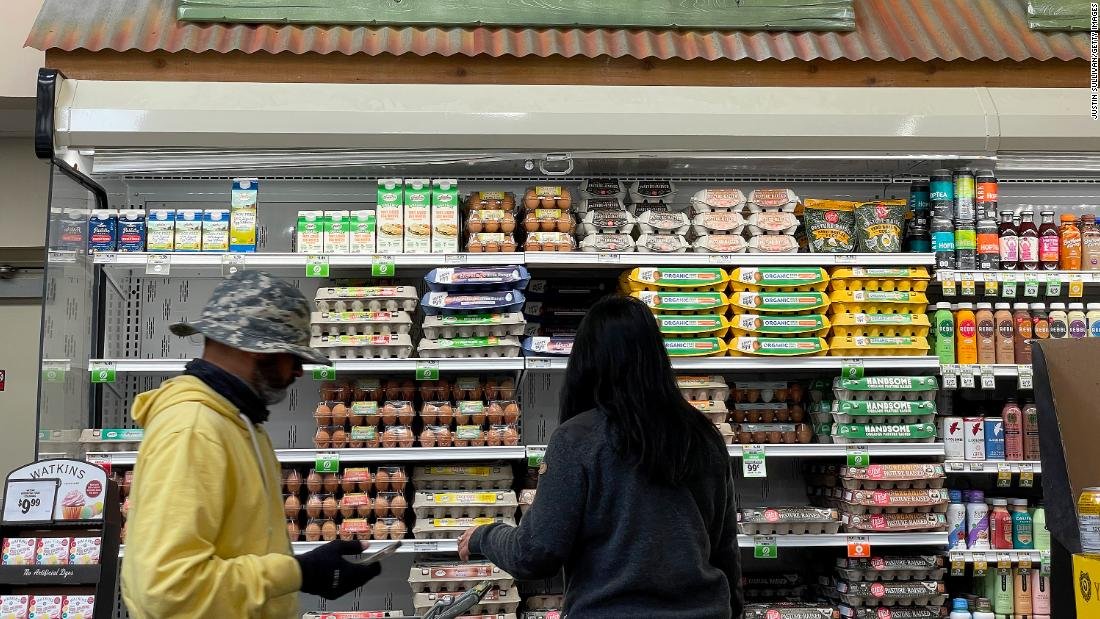
March Numbers Deliver a Clear Warning Shot to the Economy
American shoppers hit the brakes hard in March, sending retail sales tumbling a full 1 percent from the prior month according to the latest Commerce Department figures. That drop landed well steeper than the 0.4 percent decline economists had penciled in, and it arrived on the heels of a downwardly revised 0.2 percent slip in February. Year-over-year, spending still managed a 2.9 percent gain, but the monthly freefall tells the real story: households are tightening their belts.
This is not some abstract Wall Street data point. When retail sales crater like this, it means fewer trips to the mall, thinner receipts at big-box stores, and a growing reluctance to open wallets for anything beyond the essentials. The Commerce Department’s report lands at a moment when every major economic signal is being scrutinized for signs of the slowdown Federal Reserve officials have been trying to engineer without tipping the country into full-blown recession.
Let’s be blunt. Consumers have been the engine keeping this expansion alive through inflation spikes, rate hikes, and banking jitters. A 1 percent monthly drop is the kind of number that forces everyone from the Federal Reserve to Main Street retailers to recalibrate their outlooks. The prior-month revision to a 0.2 percent decline only sharpens the picture of momentum already fading before March even began.
Strip out the volatile gasoline category and the retreat still clocks in at 0.6 percent. That underlying weakness matters more than the headline for anyone trying to gauge true demand. Americans are not suddenly flush with cash and choosing thrift as a lifestyle; they are responding to thinner tax refunds, expired pandemic-era benefits, and the lingering chill from the spring banking scare.
Smaller Tax Refunds and Expired Benefits Hit Household Cash Flow
One of the clearest culprits sits in the IRS data: the agency issued roughly $84 billion in tax refunds this March, about $25 billion less than the same month in 2022. That is real money that never reached checking accounts. For middle-income families who treat the annual refund as a de facto savings vehicle or a chance to catch up on bills, the shortfall translates directly into fewer discretionary purchases.
Layer on the February expiration of enhanced SNAP benefits and the pressure intensifies. Those extra food-assistance dollars had been propping up grocery and general merchandise spending for lower-income households. Once they vanished, the math got uglier fast. Bank of America card data already showed spending moderating to its slowest pace in more than two years, a trend Aditya Bhave, senior US economist at BofA Global Research, has flagged as evidence that consumers are finally tapping the brakes after an extended run of resilience.
Banking-sector turmoil in March did not help. Even households with no direct exposure to Silicon Valley Bank or Signature Bank felt the psychological hit. When headlines scream about regional bank stress, people instinctively pull back on big-ticket plans. The combination of lighter refund checks, lost SNAP support, and financial-system nerves created a perfect storm for the 1 percent retail sales drop.
Michelle Meyer, North America chief economist at Mastercard Economics Institute, has noted that the moderation in card spending aligns with households recalibrating after months of drawing down excess savings. The $25 billion refund gap alone is large enough to move the national needle, and when you add the SNAP cliff, the pullback stops looking mysterious and starts looking inevitable.
Department Stores and Gas Stations Took the Heaviest Damage
Drill into the categories and the pain becomes granular. Spending at general merchandise stores sank 3 percent on the month. That bucket covers the department stores and big-box chains where middle-class families do a huge share of their non-food shopping. A 3 percent drop is not a gentle cooling; it is a clear signal that shoppers are walking past apparel, home goods, and electronics.
Gasoline stations saw sales plunge 5.5 percent. Lower pump prices explain part of that decline, yet the broader ex-gasoline retail figure still fell 0.6 percent, proving the weakness runs deeper than energy costs. Durable goods, the longer-lasting purchases that households can postpone, also felt the chill as consumers deferred anything that was not immediately necessary.
These category moves matter because they reveal priorities. People still buy groceries and pay for housing; they cut the rest. When general merchandise is off 3 percent and overall sales are down 1 percent, retailers that live on discretionary traffic face an immediate inventory and staffing headache. The Commerce Department numbers leave little room for spin: the American consumer is choosing caution over consumption.
Year-over-year growth of 2.9 percent offers some cushion, but that figure is inflated by earlier price increases. In real terms, the volume of goods moving off shelves is under clearer pressure. Store managers reading these reports know the next few months will test whether promotions and discounts can lure shoppers back or whether the pullback has further to run.
Job Market Stays Solid Even as Wage Gains Cool
Against this spending retreat, the labor market continues to offer a counterweight. Employers added 236,000 jobs in March, a robust figure by any historical standard even if the pace is slowing from the red-hot levels of 2022. The Bureau of Labor Statistics data show hiring remains broad-based enough to keep unemployment low and paycheck income flowing.
Yet wage growth is losing altitude. Average hourly earnings rose 4.2 percent from a year earlier, the smallest annual increase since June 2021. That deceleration is exactly what the Federal Reserve has wanted to see, but it also means workers have less extra cash to absorb higher prices or to fund discretionary shopping sprees.
The combination is delicate: jobs are still plentiful, yet the raises are no longer outrunning inflation by a comfortable margin. For the typical household, a steady paycheck is welcome, but a smaller real raise plus a thinner tax refund equals less room at the register. The 236,000 March payroll gain keeps recession talk from dominating every conversation, yet it cannot fully offset the retail sales shock.
Federal Reserve economists have already signaled they expect a downturn later this year. The jobs data give them cover to stay patient on rates, but the retail collapse raises the odds that the soft landing they seek becomes harder to stick. Workers are employed; they are simply spending more carefully.
Economists Flag Rising Recession Odds and Shifting Sentiment
Aditya Bhave at BofA Global Research has pointed to the card-spending slowdown as confirmation that the consumer engine is losing rpm. When Bank of America’s own data show the weakest pace in over two years, it is difficult to dismiss the Commerce Department’s 1 percent drop as a one-off. Bhave’s colleagues across the Street are quietly raising recession probabilities for the second half of 2023.
Michelle Meyer of the Mastercard Economics Institute has emphasized that the pullback is concentrated in discretionary categories while essentials hold up better. That pattern is classic late-cycle behavior: households protect food and shelter and slash everything else. Meyer’s tracking of aggregate transaction data lines up tightly with the official retail sales release, reinforcing that this is broad-based caution rather than a statistical quirk.
Joanne Hsu, director of surveys at the University of Michigan, reported that overall consumer sentiment held steady in the latest reading. Stability is better than a collapse, yet the details under the hood are less comforting. Year-ahead inflation expectations jumped from 3.6 percent to 4.6 percent. When families expect prices to accelerate again, they become even more reluctant to commit to big purchases today.
The Federal Reserve now faces a familiar dilemma. Inflation expectations are climbing even as retail demand softens. That mix complicates the path for interest-rate policy and keeps the risk of a harder landing squarely on the table. Economists are no longer debating whether growth will slow; they are debating how bumpy the deceleration becomes.
Banking Stress and Policy Crosscurrents Add Extra Drag
The March banking episode left a residue of caution that numbers alone cannot capture. Even after federal officials stabilized the immediate crisis, depositors and borrowers alike grew more conservative. Credit conditions tightened at the margin, and households that might have financed a furniture set or a home-improvement project decided to wait.
At the same time, the policy backdrop remains restrictive. The Federal Reserve has lifted rates aggressively over the past year, and those higher borrowing costs are now filtering through to auto loans, credit cards, and small-business lines. When you marry tighter credit with $25 billion less in tax refunds and the end of extra SNAP dollars, the 1 percent retail drop starts to look over-determined.
Retailers themselves are already adjusting. Inventory levels that looked comfortable in January now risk becoming burdensome if the sales weakness persists. Chains that leaned into expansion during the stimulus-fueled boom years may find themselves over-stored and over-staffed for a more frugal consumer. The Commerce Department report is the first hard evidence that the adjustment has begun in earnest.
None of this means households have run out of money entirely. Excess savings accumulated during the pandemic have not vanished overnight. But the pace of drawdown has clearly slowed, and the willingness to spend what remains has diminished. That behavioral shift is what the 3 percent general-merchandise decline and the 5.5 percent gas-station drop are really announcing.
Looking Ahead: A Narrow Path Between Slowdown and Recession
The road from here is narrow. If job growth holds near the 236,000 pace and wage gains stabilize around 4.2 percent, consumers may regain enough confidence to stabilize spending by summer. But if inflation expectations remain elevated at 4.6 percent and credit stays tight, the retail weakness could deepen and pull the broader economy down with it.
Federal Reserve officials will parse every subsequent data release for clues. Another soft retail month would strengthen the case that earlier rate hikes are biting harder than the headline employment numbers suggest. Conversely, a quick rebound would let policymakers claim the cooling is orderly. Right now the evidence tilts toward caution.
For ordinary Americans the message is straightforward. The era of stimulus-fueled splurging is over. Smaller refund checks, vanished food-aid extras, and higher loan rates mean budgets will stay tighter. Families that treat the Commerce Department’s 1 percent drop as a distant abstraction will feel it when local stores cut hours or when the next round of price promotions fails to materialize.
The 2.9 percent year-over-year gain provides a thin cushion, yet the monthly momentum has turned decisively negative. Aditya Bhave, Michelle Meyer, and Joanne Hsu are all reading the same tea leaves: the consumer is still standing, but no longer sprinting. How policymakers and businesses respond over the next two quarters will determine whether this pullback remains a healthy correction or becomes the opening chapter of a broader downturn.
By Jessica Ali, Staff WriterThis article was produced with AI-assisted research and editorial support. Reporting is based on sources cited in the article.
What's Your Reaction?
 Like
0
Like
0
 Dislike
0
Dislike
0
 Love
0
Love
0
 Funny
0
Funny
0
 Wow
0
Wow
0
 Sad
0
Sad
0
 Angry
0
Angry
0

Editor-in-Chief at Global1.News. Atlanta-based journalist who cuts through the BS and tells it like it is. Lead anchor, host, and the voice you hear when the spin stops and the truth starts.















Comments (0)