
Renoir Masterpieces Stolen in Cagnes-sur-Mer Museum Heist
The world's most recognisable Impressionist masterpieces are hanging in public galleries precisely because they are too famous to sell.
The world's most recognisable Impressionist masterpieces are hanging in public galleries precisely because they are too famous to sell. That uncomfortable truth now confronts French police investigating the theft of two Renoir paintings from the artist's own home on the Riviera — works so celebrated that their only realistic future lies in the shadow economy of criminal collateral and private vaults.
Renoir Heist on the Riviera: Two Masterpieces Vanished, Two Dropped in the Getaway — and a Warning for Every Museum in Europe
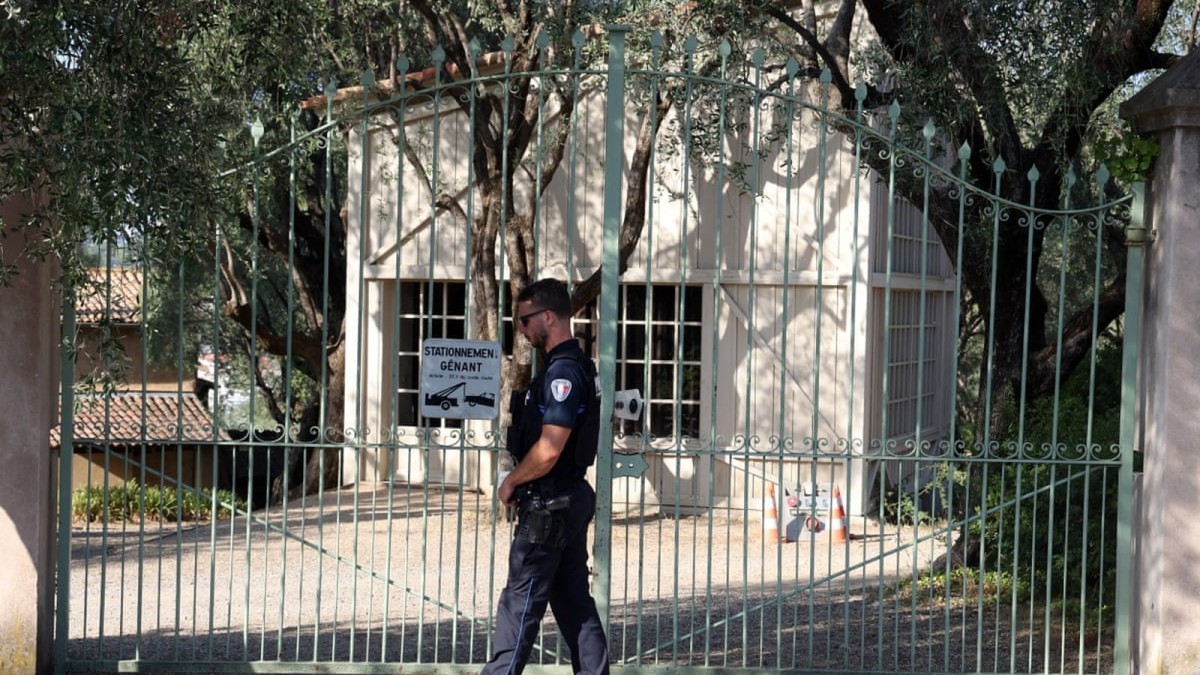
Cagnes-sur-Mer, France – 8 September 2026 — The alarm sounded at 5:48 am. Municipal police arrived five minutes later. In that narrow window, two thieves had already sliced through the garden fence of the Musée Renoir, seized four canvases, and begun their escape into the grey dawn of the French Riviera. When officers gave chase, the suspects dropped two paintings in the villa's gardens — but two others — Madame Colonna Romano and Young Woman at the Well — had vanished.
A Five-Minute Window: How the Thieves Outran the Law
The heist unfolded with a precision that has become disturbingly familiar to European art investigators. Shortly before 6:00 am local time (04:00 GMT), the intruders cut through the perimeter fence of Les Collettes, the olive-tree-covered hilltop villa where Pierre-Auguste Renoir spent his final years and died in 1919. French media report the pair were armed with saws; the town's mayor described them as "well-equipped" and "well-informed".
The museum's alarm triggered at 5:48 am, and municipal police were on the scene by 5:53 am — a response time of just five minutes that nonetheless proved insufficient. The suspects were captured on the town's CCTV network, and officers gave chase as the pair fled through the gardens. In their haste, the thieves abandoned two of the four stolen works among the olive trees, along with two zippered bags that investigators have since recovered. Whether those bags contain tools, gloves, or other forensic evidence remains a matter for France's Sub-Directorate for Combating Organised Crime and Specialised Delinquency, the Paris-based national police unit now leading the investigation.
The two paintings still missing, confirmed by the municipality, are "Madame Colonna Romano" (1910) and "Young Woman at the Well" ("Jeune femme au puits", 1886). Both belong to the Musée d'Orsay in Paris and were on loan to the Riviera museum. The two recovered in the garden — reported by the Guardian as "Madame Pichon" and "Coco lisant", a portrait of Renoir's son Claude reading — are now in police custody, awaiting return to their owners.
"It's Renoir's, It Is Priceless": A Mayor's Fury and a Town's Grief
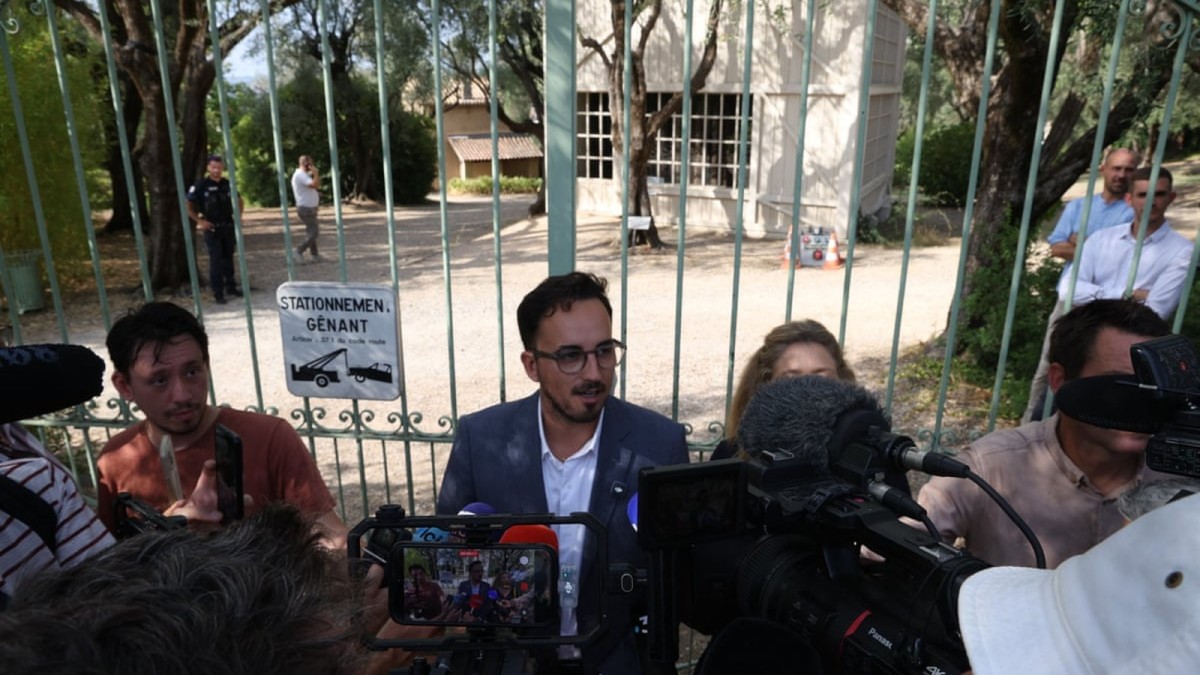
For Bryan Masson, the newly elected mayor of Cagnes-sur-Mer who took office in March 2026 under the National Rally banner, the theft is an assault on the town's very identity. "This morning, two individuals broke into the Renoir Museum and stole four works of art," Masson told reporters. "Spotted thanks to the town's video surveillance cameras, the two individuals fled, abandoning one of the stolen paintings as they ran."
The mayor's anger was palpable as he addressed the broader implications. "Attacking the Renoir Museum is attacking a part of the history and heritage of Cagnes-sur-Mer. These actions are particularly serious." He estimated the value of the stolen works at approximately €9 million (£7.5m / $10.5m) — a figure that, in the art world's peculiar arithmetic, simultaneously overstates and understates their true worth. "It's Renoir's, it is priceless, you cannot sell it like that," Masson added, capturing the paradox at the heart of art crime.
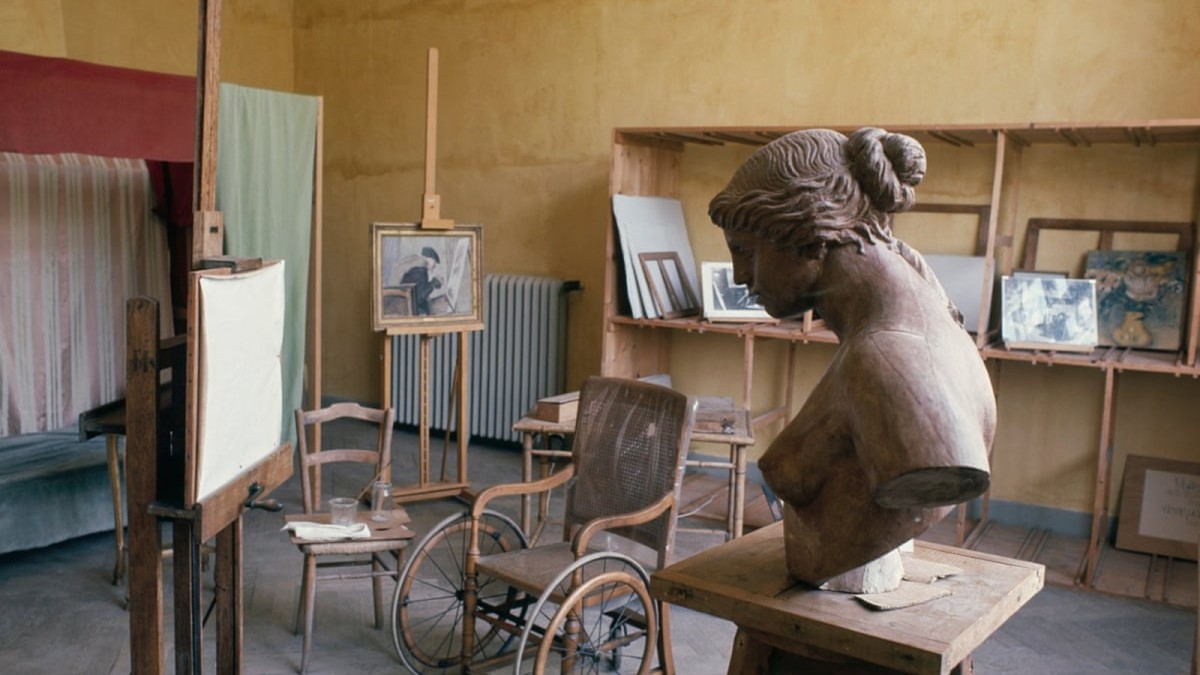
The museum, which opened in 1960, is the town's most famous attraction. Its collection includes 13 paintings by Renoir, roughly 40 sculptures, and the furniture and personal objects that surrounded the artist in his final years — including his easel and his wheelchair. The villa itself, with its ancient olive groves and panoramic views toward the Mediterranean, was Renoir's sanctuary from 1907 until his death in 1919, and it remains a pilgrimage site for art lovers from across the world.
A Continent Under Siege: The Wave of European Museum Thefts
What happened in Cagnes-sur-Mer this morning is not an isolated incident. It is the latest in a cascade of audacious art thefts that has swept across Europe over the past twelve months, leaving museum directors, security consultants, and law enforcement agencies scrambling for answers. Less than a year ago, in October 2025, eight items including Empress Eugénie's tiara — valued at approximately €88 million (£76m) — were stolen from the Louvre in a four-minute daylight robbery. Four suspects were arrested, but the treasures have never been recovered.
The pattern has only accelerated through 2026. In July, burglars struck the Lalique museum in France. In August alone, four Renaissance paintings were stolen from a Sicilian museum, a 673-diamond necklace vanished in Vienna, and the Bronze Age Treasure of Villena was lifted in a four-minute heist in Spain. In March, thieves made off with works by Renoir, Cézanne and Matisse from the Magnani-Rocca Foundation near Parma, Italy — a crime that ended more happily when Italian police recovered the paintings and arrested five Moldovan nationals.
Europol, the European Union's law enforcement agency, issued a stark assessment last month. In its August 2026 report, the agency warned that art thieves in Europe are committing more violent robberies, and that the specialist gangs of old have been replaced by ad-hoc opportunists recruited through social media. This is a different breed of criminal — less sophisticated, perhaps, but more unpredictable and potentially more dangerous. The Cagnes-sur-Mer thieves, who cut through a fence with saws in the pre-dawn darkness, fit this new profile uncomfortably well.
The London Connection: Why This Theft Matters in the UK
For British observers, the theft carries particular resonance. London's National Gallery holds major Renoirs including "The Umbrellas" and "The Skiff", while the Courtauld Gallery houses "La Loge" — works that draw millions of visitors annually and stand as monuments to the artist's genius. The Musée d'Orsay, which owns the stolen paintings, is itself a former Parisian railway station whose collection is the envy of the world; its loans to regional museums like the Musée Renoir are part of a deliberate policy of cultural decentralisation that now looks rather more vulnerable.
James Ratcliffe, an art-theft expert at the Art Loss Register — the world's largest private database of stolen art, based in London — offered a sobering assessment to the Associated Press. "Sadly, without further funding to improve museum security, we are likely to see an increase in the number of museum thefts we see," he said. The Art Loss Register has spent decades tracking stolen artworks across the globe, and its database is the first port of call for auction houses, dealers, and insurers seeking to verify the provenance of works offered for sale.
The fundamental problem, as Ratcliffe and his colleagues well know, is that stolen masterpieces of this calibre are almost impossible to sell openly on the legitimate market. Renoir's most valuable works have fetched tens of millions of dollars at auction — "Bal du moulin de la Galette" sold for $78.1 million in New York in 1990 — but that very value makes them radioactive in the legitimate art trade. Instead, such works are typically trafficked through criminal networks, used as collateral for illicit transactions, or held in private collections where they will never see the light of day. A painting like "Madame Colonna Romano" is, in effect, a hostage of the underworld.
The Investigation: A Race Against Time and the Art Market
French police are pursuing multiple lines of inquiry. The Sub-Directorate for Combating Organised Crime and Specialised Delinquency, which operates under the national police and is based in Paris, has taken charge of the investigation, with municipal and national officers deployed across the region. The recovery of the two zippered bags in the museum gardens may provide forensic evidence, while CCTV footage from the town's surveillance network could yield images of the suspects and any getaway vehicle.
There are also questions about how the thieves gained entry. French media have reported that they may have broken in through a window in addition to cutting the fence, suggesting either prior reconnaissance or a degree of improvisation. A neighbour named Luc, speaking to BFM TV, said he was woken by the police response and expressed a frustration that will resonate far beyond the Riviera: "They are attacking all museums now, we must react. It's very isolated here."
The isolation of Les Collettes — perched on a hill above the town, surrounded by gardens and olive groves — is both its charm and its vulnerability. Museums in rural or semi-rural locations across Europe face a security conundrum: how to balance the open, welcoming atmosphere that attracts visitors with the layered defences needed to deter determined criminals. The mayor's warning that "this incident should serve as a warning about the protection of our museums, which now face a new form of organised crime targeting works of art" suggests that French authorities are already contemplating a broader security review.
The Bottom Line — What Comes Next
The immediate priority for French police is locating the two stolen paintings before they disappear into the criminal underworld. The window for recovery is narrow — measured in days and weeks, not months — and history suggests that the longer a masterpiece remains missing, the less likely it is to resurface. The window for recovery is narrow — measured in days and weeks, not months — and history suggests that the longer a masterpiece remains missing, the less likely it is to resurface.
For the broader museum community, the Cagnes-sur-Mer theft is a wake-up call that demands a coordinated response. Europol's warning about more violent robberies and social-media-recruited opportunists points to a threat that is evolving faster than institutional defences. The Louvre robbery of October 2025, the Magnani-Rocca heist of March 2026, and now this morning's events in Cagnes-sur-Mer form a pattern that no amount of individual museum security can fully address. What is needed, as Ratcliffe suggested, is sustained investment in protective measures — and a recognition that the world's cultural heritage is a target that will not go away.
In the meantime, the people of Cagnes-sur-Mer are left with a bitter irony. The museum that celebrates the final years of a man who painted beauty until his dying day has been violated by those who would strip it bare. Two paintings remain missing, two have been recovered, and a community is left to wonder whether the next alarm will sound before it is too late. As Mayor Masson put it, with a fury that transcends politics: "It's Renoir's, it is priceless." Some things, it seems, cannot be priced — but they can still be stolen.
By Erica Thornton, Staff Writer
This article was produced with AI-assisted research and editorial support. Reporting is based on sources cited in the article.
What's Your Reaction?
 Like
0
Like
0
 Dislike
0
Dislike
0
 Love
0
Love
0
 Funny
0
Funny
0
 Wow
0
Wow
0
 Sad
0
Sad
0
 Angry
0
Angry
0

US Politics and Policy Correspondent at Global1.News. Based in Washington DC, covering American politics, policy, elections, and the courts. Knows how the system works and tells you what it actually means.














Comments (0)