
Tanzania Mourns Hafidh Ameir Hassan, Its First First Gentleman
Tanzania is in mourning following the death of Hafidh Ameir Hassan, husband of President Samia Suluhu Hassan, who passed away on Monday morning while receiving treatment at a hospital in Zanzibar.
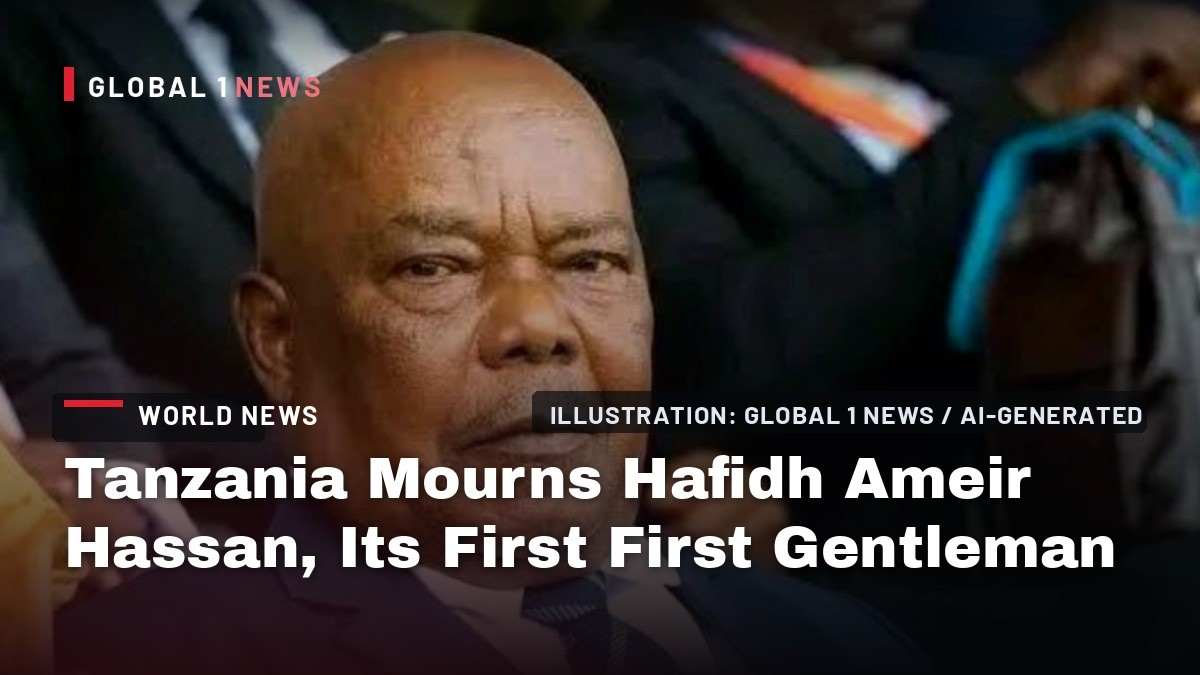
Tanzania is in mourning following the death of Hafidh Ameir Hassan, husband of President Samia Suluhu Hassan, who passed away on Monday morning while receiving treatment at a hospital in Zanzibar. The nation remembers a man who, despite his unique position as the country's first First Gentleman, chose a life of quiet service and academic dedication away from the glare of public life.
A Quiet Loss Felt Across Tanzania
Dakar, Senegal - Reporting on the continent, where the passing of a public figure often resonates far beyond borders, the death of Hafidh Ameir Hassan carries a particular weight. He was not a politician, nor a man of the podium, but his role in the life of East Africa's most prominent female leader made him a figure of quiet historical significance. His death, confirmed by Vice-President Deogratius Ndejembi, has drawn condolences from across the region and a moment of reflection from a nation unaccustomed to seeing its First Gentleman in the spotlight.
A Life Defined by Purpose, Not Profile
Hafidh Ameir Hassan was, by all accounts, an agricultural academic who largely kept a low public profile. In an era where the spouses of heads of state often command significant media attention, Ameir's choice to remain in the background was a deliberate and dignified one. He became Tanzania's first First Gentleman after President Samia Suluhu Hassan took office in March 2021, following the death of President John Magufuli. This was a historic moment for the nation and the continent, yet Ameir navigated his unprecedented role with a sense of normalcy that many Tanzanians found both reassuring and admirable.
His life's work was in agriculture, a sector that is the backbone of Tanzania's economy and the livelihood of the majority of its people. As an academic, his contribution was to knowledge and to the practical betterment of farming communities. This grounding in the realities of Tanzanian life, far removed from the corridors of political power, defined his character. He was only occasionally seen with the president at official events, and his rare appearances were marked by a quiet composure rather than any desire for attention.
The Final Days and a Solemn Farewell
The official announcement of Ameir's death was made by Vice-President Ndejembi, who conveyed the news with solemnity. He confirmed that Ameir had been suffering from a heart condition and died at 08:00 local time (06:00 GMT) on Monday at the Emilio Mzena Memorial Hospital. The news, which broke on the morning of 7 September 2026, sent a wave of sorrow through the nation.
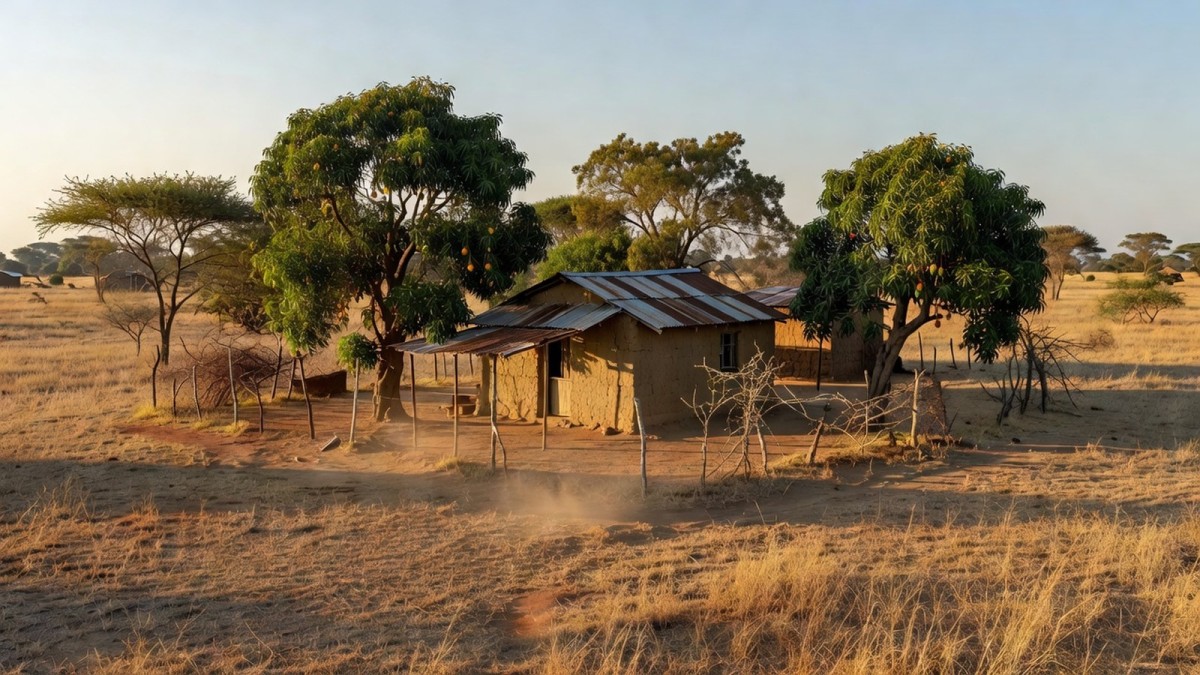
He was buried on Monday evening at his family's residence in Kizimkazi, a village on the semi-autonomous island of Zanzibar. The burial in the village his family calls home underscored the deep roots he had in the archipelago, a place that holds significant cultural and political weight within the United Republic of Tanzania. The swift and dignified burial was a final act of humility for a man who shunned ostentation throughout his life.

A Partnership Forged in 1978
The story of Hafidh Ameir Hassan and Samia Suluhu Hassan is one of a partnership that predates the heights of political power. They married in 1978, a time when Samia Suluhu was a young woman before she entered national politics. This foundational relationship, built over decades, provided the stability and support that would later underpin her historic rise to the presidency. Their union produced four children—three sons and a daughter—and their family life was kept largely private, a testament to their shared values.
Their daughter, Wanu Hafidh Ameir, has followed in her mother's footsteps into public service. She currently serves in Zanzibar's House of Representatives in the National Assembly. The continuation of the family's commitment to public duty, from the presidency to the legislature, marks a significant political lineage in the region. The vice-president led tributes as he conveyed his condolences to President Samia, as well as to Ameir's family and friends, acknowledging the personal loss at the heart of this national moment of mourning.
Regional Condolences and a Leader's Standing
The response from the region has been swift and heartfelt, reflecting the high esteem in which President Samia Suluhu Hassan is held. Kenyan President William Ruto said he received the news of his passing with "deep sorrow," writing on social media, "President Samia has lost a lifelong companion, her children a beloved father, and Tanzania a distinguished son." His words capture the multi-layered nature of the loss—personal, familial, and national.
Zambia's President Hakainde Hichilema also shared his condolences, offering a message of solidarity, saying that they "stand side by side" with the first family and all of Tanzania during "this difficult time." From Burundi, President Evariste Ndayishimiye paid his respects and prayed for Samia and her family to have "comfort and strength in this difficult moment." "May he [God] grant eternal rest to the soul of Hafidh Ameir Hassan," he added. This chorus of regional support underscores the respect Samia commands as a stabilizing force in East African politics, and the recognition that her personal strength is a cornerstone of her public leadership.
The First Gentleman: A Rare and Defining Role
Hafidh Ameir Hassan's role as First Gentleman was a rarity on the African continent, where presidential spouses are almost always women. This unique position came with no playbook, no established precedent. He had to navigate a role that was both symbolic and personal, supporting a wife who was breaking barriers while maintaining his own identity. His approach was one of quiet dignity, stepping back to allow the president's work to speak for itself.
In many African societies, the role of the president's spouse is often seen as a platform for social advocacy or public engagement. Ameir's decision to remain a private figure was a powerful statement in itself. It signaled a modern, egalitarian partnership where the focus remained on the leader's mandate. For Tanzanians, and for many across the continent watching this historic presidency, his restraint was a form of strength, allowing the nation to focus on the historic nature of Samia's leadership without distraction.
A Legacy of Family, Faith, and Service
Beyond the titles and the history, Hafidh Ameir Hassan's legacy is one of family, faith, and quiet service. He was an agricultural academic who contributed to his field, a husband who supported his wife's ambitions, and a father who raised children dedicated to public service. His life, lived largely away from the cameras, offers a different model of contribution—one that values substance over spectacle.
For Tanzanians, his life meant a reminder of the personal foundations upon which great public careers are built. As the nation mourns, there is also a moment of gratitude for a man who, in his own quiet way, helped shape the trajectory of their country's history. The prayers of the nation are with President Samia Suluhu Hassan and her family as they navigate this profound personal loss. The dignity with which he lived will be mirrored in the dignity with which the nation remembers him.
This article was produced with AI-assisted research and editorial support. Sources: BBC News (7 September 2026)
By Amara Diop, Staff Writer
What's Your Reaction?
 Like
0
Like
0
 Dislike
0
Dislike
0
 Love
0
Love
0
 Funny
0
Funny
0
 Wow
0
Wow
0
 Sad
0
Sad
0
 Angry
0
Angry
0

West Africa/Sahel Correspondent at Global1.News. Dakar-based journalist covering politics, security, climate, and development across Francophone and Anglophone West Africa. Tells the stories of a region undergoing profound transformation.












Comments (0)