
Post-Meal Walk: 10-Minute Habit to Control Diabetes in India
India Today's health segment explains how a 10-20 minute walk starting 15 minutes after meals helps blunt blood sugar spikes for India's 101 million diabetics and 136 million prediabetics. With ICMR-INDIAB data, WHO activity guidelines, and NP-NCD policy context, the report breaks down the science of post-meal glucose control and why timing matters more than duration.
With 101 million Indians living with diabetes and another 136 million in prediabetes according to the ICMR-INDIAB study, simple daily habits such as a short walk after meals offer a practical way to blunt postprandial glucose spikes. The India Today report highlights how timing movement 15 minutes after eating activates muscles to draw glucose from the bloodstream, supporting better metabolic health across urban and rural India.
Post-Meal Walking Emerges as Low-Cost Tool Against India's Diabetes Surge
New Delhi, India – August 9, 2026 — A 10- to 20-minute walk begun 15 minutes after meals can reduce blood glucose peaks that typically rise 10-20 minutes after eating and crest at 60-90 minutes, according to physician Dr Das featured in the India Today segment. This low-cost habit complements the four pillars of diabetes management—diet, exercise, medication, and regular monitoring—without replacing prescribed drugs.
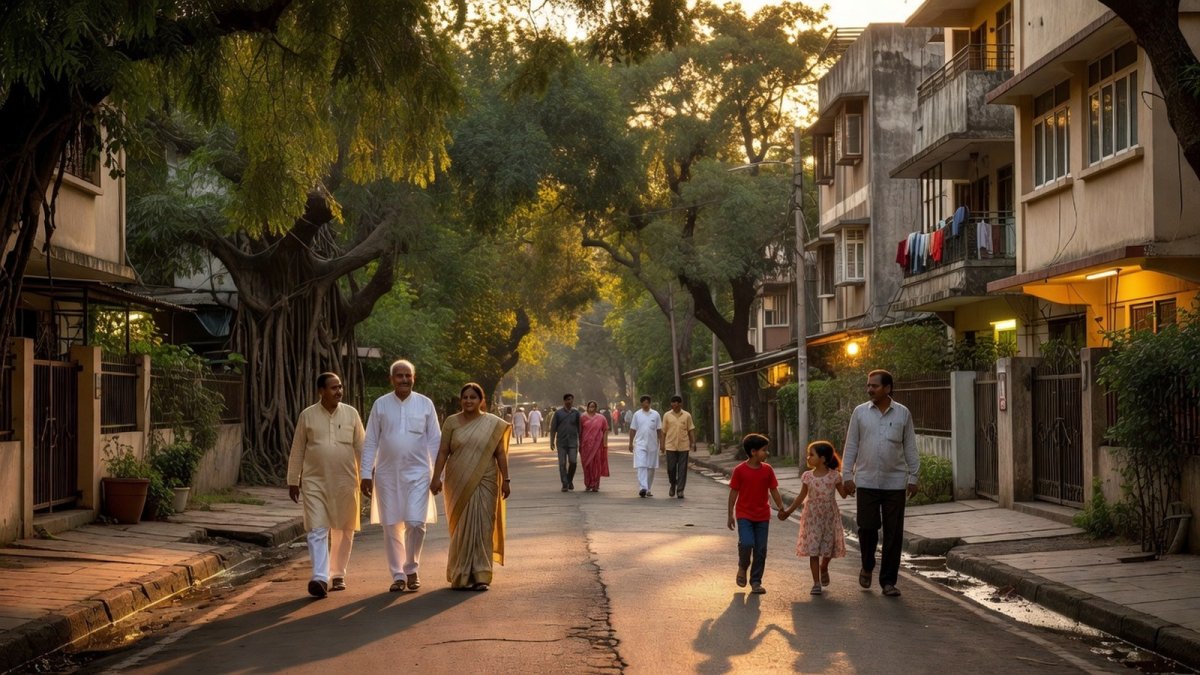
The Science of Post-Meal Glucose Management
According to Dr Das in the India Today segment, blood glucose levels typically begin rising 10-20 minutes after eating and reach their peak between 60-90 minutes, creating a critical window for intervention. A 10-20 minute walk initiated 15 minutes post-meal directly targets this ascending phase, allowing muscle activity to draw on circulating glucose. Neal K. Shah of Johns Hopkins and NIH notes that light activity after meals helps muscles use glucose, with a 10-minute walk post-eating proving more effective for control than a longer workout scheduled at another time.
The ICMR-INDIAB study underscores the urgency of such timed interventions amid rising prevalence in most states and rural areas catching up to urban ones. Dr Das emphasises that post-meal walking forms one element of a comprehensive management approach, yet does not replace medication. This approach aligns with NP-NCD efforts under the National Health Mission, which provide free screening and management for diabetes through Ayushman Bharat Health and Wellness Centres.
Physiological benefits arise because muscle contraction during walking facilitates glucose uptake independent of insulin dynamics, offering particular relevance for India's 315 million hypertensive population identified in the same ICMR-INDIAB data. The timing focus highlighted by Shah complements broader WHO recommendations of 150-300 minutes of moderate aerobic activity weekly, addressing the 50% of Indian adults currently insufficiently active.
India's Rising Diabetes Epidemic: ICMR-INDIAB Findings
The ICMR-INDIAB study published in The Lancet Diabetes & Endocrinology reports 101 million Indians living with diabetes at a prevalence of 11.4 percent and 136 million with prediabetes at 15.3 percent, alongside 315 million hypertensive individuals. Data were drawn from adults aged 20 years and above across urban and rural areas of 31 states and union territories. Goa recorded the highest diabetes prevalence, while the condition continues to rise in most states even as it stabilises in more developed ones. Rural populations are rapidly catching up to urban rates, placing additional strain on primary care infrastructure that must now serve dispersed populations previously considered lower risk.
These figures translate into an enormous load on India's healthcare system, requiring expanded diagnostic capacity and sustained follow-up for over 237 million people at immediate risk. Population-based screening under the NP-NCD programme becomes essential, as early identification of the 136 million prediabetic individuals can delay progression through low-cost interventions. The urban-rural convergence signals that existing urban-centric models of care must be replicated in district hospitals and Ayushman Bharat Health and Wellness Centres across states still reporting rising incidence.
What This Means for India
India's National Programme for Prevention and Control of Non-Communicable Diseases, implemented through the National Health Mission, offers free screening, diagnosis and management for diabetes and related conditions. Launched originally as NPCDCS in 2010, the programme now operates population-based screening for adults aged 30 years and above, with Ayushman Bharat Health and Wellness Centres extending these services to the grassroots level. Non-communicable diseases already account for roughly two-thirds of all deaths in the country, making scalable, zero-cost measures such as timed post-meal walking a practical complement to existing facility-based care.
Embedding simple activity guidance within NP-NCD protocols could reduce the long-term cost burden on both households and state health budgets by lowering medication needs and hospitalisations. Because the habit requires no equipment or infrastructure, it aligns directly with the programme's emphasis on community-level prevention and can be promoted during routine screening visits at Health and Wellness Centres. Policy integration of such timing-specific advice would strengthen the diet, exercise, medication and monitoring pillars of diabetes care without displacing pharmacological treatment.
Physical Inactivity Crisis Amplifies Risk
Approximately 50 percent of Indian adults are insufficiently active according to WHO criteria, with 57 percent of women and 42 percent of men failing to meet the recommended 150–300 minutes of moderate aerobic activity per week. The Dalberg SAPA report estimates that 155 million adults and 45 million adolescents do not achieve these guidelines. This widespread inactivity directly compounds the metabolic risks identified in the ICMR-INDIAB study, particularly as sedentary work culture spreads from metropolitan offices to smaller towns and rural enterprises.
Women face a disproportionate burden, reflecting both cultural constraints on outdoor activity and limited access to safe public spaces in many states. The gap between current activity levels and WHO targets leaves large segments of the population vulnerable to accelerated progression from prediabetes to diabetes. Public health messaging that highlights the added value of 10–20 minute walks beginning 15 minutes after meals can address this deficit without requiring major behavioural overhaul or additional time commitments.
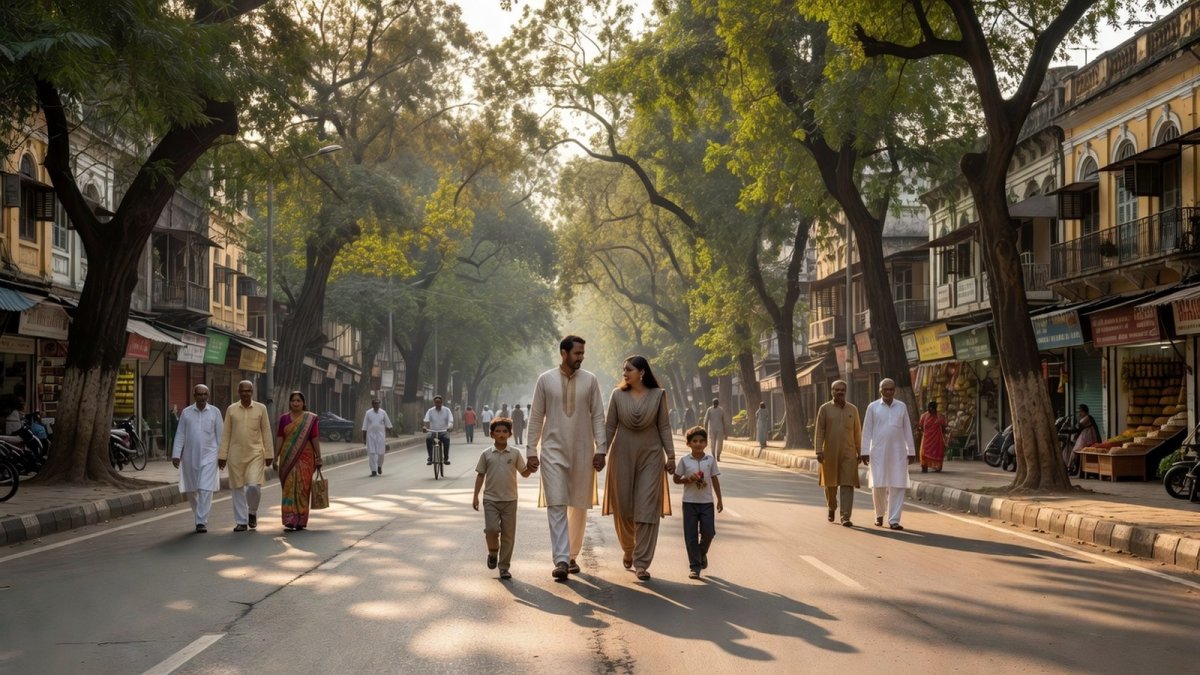
Deeper Analysis: Timing and Structured Exercise
Glucose levels typically rise 10–20 minutes after eating and peak between 60 and 90 minutes, creating a window during which light activity can enhance muscle glucose uptake. Research cited by Shah indicates that a 10-minute walk immediately after meals is more effective for glycaemic control than a longer workout performed at another time of day. The key mechanism is the timing itself: postprandial muscle contraction facilitates glucose disposal independent of insulin, offering particular benefit to older adults whose insulin sensitivity may already be reduced.
Shah emphasises that this approach does not replace structured exercise; rather, the most powerful routine combines both. Light activity after meals augments the effects of planned weekly exercise sessions while addressing the immediate post-meal glucose spike. For India's large prediabetic population, integrating short, timed walks into daily routines therefore complements the NP-NCD emphasis on regular monitoring and lifestyle modification without substituting for prescribed medication.
Expert Perspectives on Practical Integration
Dr Das outlines the four-pillar framework—diet, exercise, medication, and regular monitoring—as essential for metabolic health, positioning post-meal walking as a practical addition rather than a standalone solution. Neal K. Shah stresses that the secret lies in timing rather than duration alone, with benefits especially pronounced for older adults who can integrate short walks after meals to support glucose management.
In the Indian context, these insights connect directly to the Dalberg SAPA report showing 155 million adults and 45 million adolescents failing WHO physical activity guidelines, with 57% of women and 42% of men insufficiently active. Indian doctors increasingly recommend integrating post-lunch walks in office settings and post-dinner walks following heavy traditional meals, aligning with NPCDCS population-based screening for those aged 30 and above launched in 2010 under the National Health Mission.
Shah's research perspective reinforces that combining timed walks with overall activity targets offers the most powerful routine, supporting NP-NCD goals to curb NCDs that account for roughly two-thirds of deaths in India. This integration helps address the stabilising yet still elevated diabetes rates in more developed states like Goa while rural areas continue to see increases per ICMR-INDIAB findings.
The India Today segment itself reflects a broader shift in Indian health communication: physicians and researchers are increasingly using mainstream media to translate metabolic science into household-level action. For a country where diabetes prevalence stands at 11.4 percent and where 15.3 percent of adults already sit in the prediabetic range, the distinction between clinical advice and everyday practice can determine whether the next decade sees the epidemic plateau or accelerate.
Practical Takeaways for Indian Citizens
Actionable steps include a 10-15 minute walk after each major meal, beginning 15 minutes post-eating, to leverage the glucose curve timing identified by Dr Das. Citizens should combine this habit with WHO-recommended 150-300 minutes of moderate aerobic activity weekly, while regularly monitoring blood sugar levels and consulting physicians, ensuring post-meal walking supplements rather than replaces medication within the four-pillar approach.
Workplace integration in Indian offices can feature short post-lunch walks, while family routines after dinner address heavy meal patterns common across states. These measures gain urgency against ICMR-INDIAB data showing 101 million diabetic and 136 million prediabetic Indians, with physical inactivity affecting nearly half the adult population and rural-urban gaps narrowing.
Under NP-NCD and Ayushman Bharat expansions, free screening at Health and Wellness Centres supports early adoption of such habits. Neal K. Shah's emphasis on timing benefits older adults particularly, offering a scalable complement to structured exercise for the 315 million hypertensive individuals tracked in national surveys.
The Bottom Line
With diabetes affecting 101 million Indians and prediabetes another 136 million, the evidence-based habit of a short post-meal walk delivers measurable metabolic benefit at zero cost. When integrated into NP-NCD and Ayushman Bharat frameworks, this simple timing-focused intervention can help slow the rising tide of NCDs and ease pressure on India's healthcare system for decades ahead.
— By Dr. Raj Patel, Staff Writer
This article was produced with AI-assisted research and editorial support. Sources: India Today, ICMR-INDIAB/Lancet Diabetes & Endocrinology, Ministry of Health and Family Welfare, WHO.
What's Your Reaction?
 Like
0
Like
0
 Dislike
0
Dislike
0
 Love
0
Love
0
 Funny
0
Funny
0
 Wow
0
Wow
0
 Sad
0
Sad
0
 Angry
0
Angry
0

India/South Asia Correspondent at Global1.News. Analytical voice with a background in science and health journalism. Based in New Delhi, covering Indian politics, education, healthcare, technology, and policy. Breaks down complex data into clear, actionable reporting.















Comments (0)