
Olubadan advisory council removes 11 Mogajis in Ibadan
The Olubadan advisory council has taken the decisive step of removing eleven Mogajis – the heads of traditional compounds – from their posts across Ibadan.
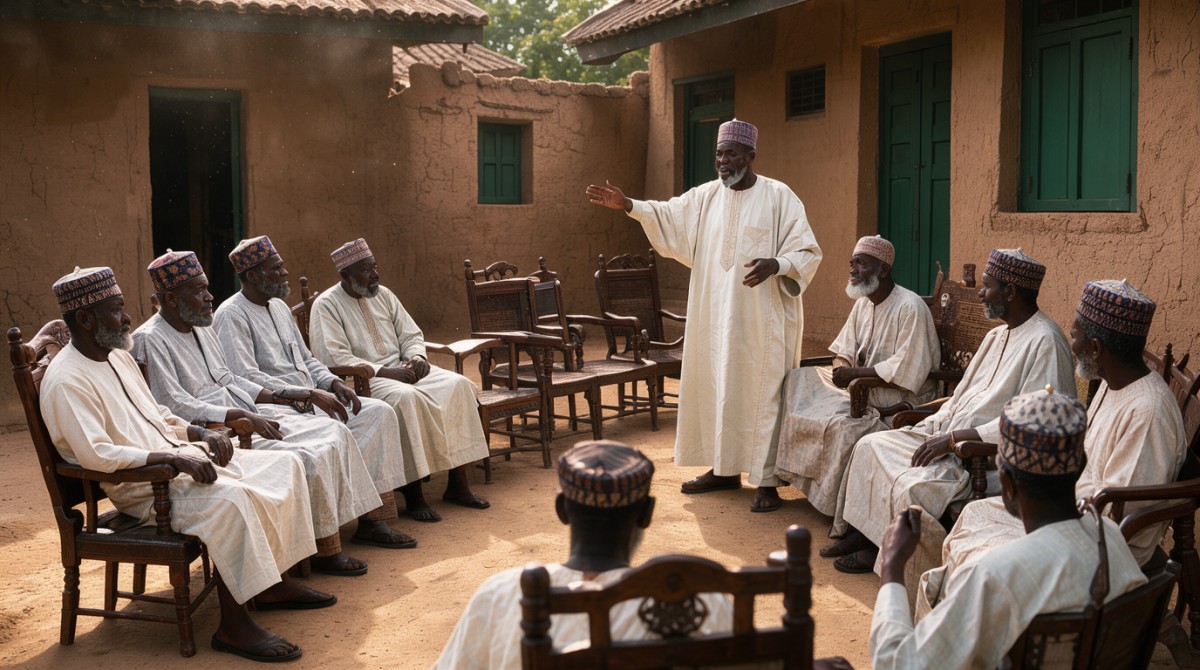
The Olubadan advisory council has taken the decisive step of removing eleven Mogajis – the heads of traditional compounds – from their posts across Ibadan. According to the Daily Post Nigeria, the removals were prompted by a range of offences and irregularities uncovered after a public outcry led the council to set up an investigative panel. Chief Adeola Oloko, media aide to the Olubadan, Oba Rashidi Ladoja, confirmed the action and urged the public not to read political motives into the decision, framing it instead as a move to “sanitise the system” and uphold proper traditional administration in Ibadanland.
Background to the Olubadan Advisory Council’s Authority
The Olubadan of Ibadanland holds a pre‑eminent position in the Yoruba traditional hierarchy, with an advisory council that oversees the conduct of compound heads, known locally as Mogajis. These individuals manage the day‑to‑day affairs of their compounds, act as custodians of customs, and serve as a bridge between the monarch and the grassroots community. The council’s mandate includes ensuring that Mogajis adhere to standards of integrity, transparency, and service to the people.
In recent years, the council has faced increasing scrutiny as citizens demand greater accountability from traditional institutions. The removal of eleven Mogajis therefore reflects a broader trend in Nigeria where civil society and the public are pressing for cleaner governance, even within long‑standing cultural structures. The council’s decision, as reported, was rooted in specific offences and irregularities, although the Daily Post did not detail the exact nature of each breach.
The List of Removed Mogajis and Their Compounds
The eleven individuals dismissed span a wide geographic spread across Ibadan’s numerous districts. They include Mr. Ishola Ganiyu Olagoke of Aladorin Compound in the Aremo area; Niyi Ajani Aborisade from Ajagba Compound in Oke‑Offa, Babasale area; Mr. Ismaila Kunle Shodeinde of Shodeinde Compound in Idi‑Arere; Mr. Funmilayo Adekunle Oluseyi of Afami Compound in Kobomoje; and Mr. Muritala Suara Adeagbo of Olukandi Compound in Inalende.
Additional removals were recorded from Peluseriki Compound in Isale‑Osi (Mr. Yekini Musiliu Olaoye), Ajalaruru Compound in Opoo‑Yeosa (Mr. Akinyemi Samuel Olusegun), Ogbagba Compound in Oke‑Are (Mr. Tunji Hamzat Jigan), Ayanniyi Compound in Popoyemoja (Mr. Emmanuel O. Ayanniyi), Onilabu Compound in Agbeni (Mr. Gbolagade Waidi Kosoko), and finally Agbon Onilabu Compound in Agbeni (Mr. Oladejo Muili Oluwole). The breadth of locations underscores how the council’s sweep touched multiple neighborhoods, signalling a systemic approach rather than isolated disciplinary action.
Public Outcry and the Formation of an Investigative Panel
Chief Adeola Oloko highlighted that the council’s move was a direct response to public pressure. He noted that a panel was constituted to examine the alleged offences and irregularities, and that its findings were subsequently presented for ratification by the advisory council. This procedural step reflects an attempt to lend legitimacy to the disciplinary process, ensuring that removals were not arbitrary but grounded in an investigative framework.
The reference to “public outcry” suggests that community members were vocal about perceived misconduct among the Mogajis. While the source material does not specify the complaints, the council’s reaction indicates that the grievances were taken seriously enough to trigger an official inquiry, a development that may encourage greater citizen participation in traditional governance matters.
Implications for Traditional Administration in Ibadanland
By removing eleven compound heads, the Olubadan advisory council sends a clear message about the standards expected of traditional officials. The council framed the action as a sanitation of the system, implying that the integrity of the compound leadership is essential for the smooth functioning of Ibadan’s broader administrative landscape. This could lead to a period of transition as new Mogajis are appointed, potentially bringing fresh perspectives and renewed accountability to the compounds.
Moreover, the council’s insistence that the public not read political meanings into the removals underscores a desire to keep traditional governance insulated from partisan politics. In a nation where political and traditional spheres often intersect, this stance may be an effort to preserve the cultural legitimacy of the Olubadan institution while still responding to popular demands for good governance.
Potential Ripple Effects Across Yoruba Traditional Structures
The decisive action taken in Ibadan may reverberate through other Yoruba kingdoms where similar advisory councils oversee compound heads. Observers note that the Olubadan’s move could set a precedent for other monarchs to conduct internal audits and enforce stricter disciplinary measures. As traditional institutions grapple with modern expectations of transparency, the Ibadan case illustrates how public pressure can catalyse internal reforms.
At the same time, the removal of multiple Mogajis could create short‑term instability in the affected compounds, as residents adjust to new leadership. The council’s emphasis on “upholding proper traditional administration” suggests that replacement appointments will be made with care, likely prioritising individuals with clean records and community trust. The transition period will be a litmus test for how effectively the council can balance continuity with reform.
Community Reactions and the Way Forward
While the source material does not capture direct quotes from community members, the mention of public outcry indicates that residents were actively engaged in the process. The council’s decision to act on these concerns may bolster confidence among Ibadan’s citizens that their voices can influence traditional governance. It also places a responsibility on the council to ensure that the new Mogajis are selected transparently, thereby reinforcing the legitimacy of the institution.
Going forward, the council’s approach of establishing investigative panels could become a standard operating procedure whenever allegations arise. Such mechanisms would provide a clear pathway for addressing misconduct, reducing the likelihood of ad‑hoc or politically motivated dismissals. By institutionalising accountability, the Olubadan advisory council may strengthen the social contract between the monarchy and its subjects.
Broader Context: Traditional Governance and Modern Accountability
The Ibadan episode sits within a larger continental conversation about how traditional authorities adapt to contemporary demands for transparency and service delivery. Across West Africa, customary leaders are increasingly called upon to demonstrate fiscal probity, respect for human rights, and responsiveness to community needs. The removal of eleven Mogajis, framed as a sanitation effort, aligns with this trend of modernising traditional structures without eroding their cultural foundations.
In Nigeria, where the interplay between formal state institutions and traditional rulers is intricate, the Olubadan council’s action may influence policy discussions at both state and federal levels. Lawmakers and civil society groups could cite the Ibadan case when advocating for clearer statutes governing the conduct of traditional officials. Ultimately, the episode illustrates how grassroots pressure, when channeled through established traditional mechanisms, can yield concrete reforms that resonate beyond the immediate locality.
This article was produced with AI-assisted research and editorial support. Reporting is based on the source material cited below. Sources: Daily Post Nigeria; dailypost.ng; Global1.News (25 November 2026).
By Sarah Okafor, Staff Writer
What's Your Reaction?
 Like
0
 Dislike
0
 Love
0
 Funny
0
 Wow
0
 Sad
0
 Angry
0

Africa Correspondent at Global1.News. Based in Lagos, covering politics, business, technology, and culture across the continent. Focused on telling African stories beyond the headlines — the innovation, entrepreneurs, and communities shaping the region's future.














Comments (0)