
Dozens of oil and shipping tankers hacked in recent weeks, per report
U.S. officials are zeroing in on Iran as the likely mastermind behind a wave of cyberattacks that have hijacked the navigation systems of dozens of oil and chemical tankers cruising between Asia and Europe.
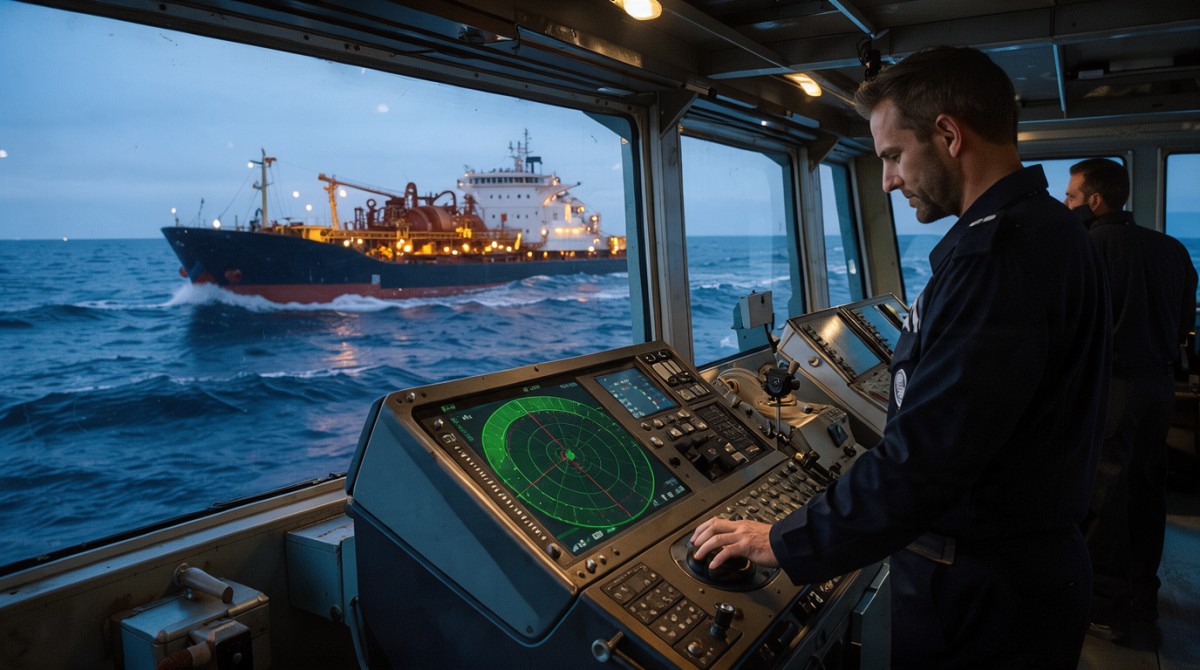
U.S. officials are zeroing in on Iran as the likely mastermind behind a wave of cyberattacks that have hijacked the navigation systems of dozens of oil and chemical tankers cruising between Asia and Europe. The allegations, first reported by The Wall Street Journal and echoed in a recent TechCrunch briefing, suggest a coordinated push to destabilise global energy logistics as part of Tehran’s broader retaliation campaign sparked by the U.S./Israel‑led war that began earlier this year.
Scope of the attacks: a fleet under fire
The breach tally is still fluid, but officials estimate “as many as 50” vessels have been compromised in recent weeks. The targets span a mix of oil carriers, liquefied gas ships and other vessels laden with volatile chemicals. Their routes criss‑crossed major arteries in both Asian and European waters, underscoring the geographic breadth of the threat.
Among the affected ships were several oil tankers en route to the United States in August. Those vessels saw their navigation controls hijacked, prompting the FBI and the U.S. Coast Guard to dispatch cyber‑security teams aboard to wrest back control. The incidents highlight a rare convergence of maritime and cyber domains, where a breach of a ship’s steering can ripple into broader supply‑chain disruptions.
The alleged weapon: FortiBleed and vulnerable routers
Investigators point to a specific vulnerability dubbed “FortiBleed,” which exploits weaknesses in routers manufactured by Fortinet. The bug lets attackers slip past network defenses and commandeer the ship’s navigation suite. A joint alert issued by the FBI and Coast Guard in September warned that Fortinet routers are a common component on modern shipping vessels, effectively flagging the hardware as a high‑risk attack surface.
While the alert did not name any particular vessel, the pattern suggests that hackers leveraged the same exploit across multiple ships, turning a single software flaw into a fleet‑wide backdoor. The reliance on off‑the‑shelf networking gear means that the vulnerability could be present on any vessel that has not patched the FortiBleed bug, widening the potential attack surface beyond the reported 50 incidents.
Why Iran might be pulling the strings
Iran’s cyber‑offensive posture has intensified since the onset of the U.S./Israel‑led conflict that claimed the life of the country’s supreme leader earlier this year. Tehran has repeatedly used digital strikes to apply pressure on adversaries, with U.S. officials linking Iran to hacks against hundreds of American water utilities and medical‑technology firms. The shipping attacks fit a pattern of expanding the target set to include critical‑infrastructure assets that can amplify economic pain.
Officials speculate that the motive could be threefold: sowing fear among shippers, disrupting established routes, or setting the stage for a more dramatic sabotage—such as an explosion at a port. Even if the compromised vessels’ automated systems were eventually overridden by manual backups, the mere prospect of a hijacked tanker sailing toward a coast raises alarm bells for regulators and insurers alike.
Response on the front lines: FBI, Coast Guard and industry
The FBI’s cyber‑crime division and the Coast Guard’s maritime security arm have taken a hands‑on approach, boarding compromised vessels to restore navigation control and assess damage. A spokesperson for the FBI declined to comment on the specifics of the shipping hacks or to confirm the exact number of affected ships, leaving the public picture somewhat hazy.
Beyond the immediate tactical response, the joint security alert underscores a growing awareness within U.S. agencies that maritime cyber‑threats demand coordinated action. By flagging Fortinet routers as a common vulnerability, the agencies are nudging ship owners and operators toward faster patch cycles and more robust network segmentation on board.
Implications for global trade and energy markets
Even a handful of hijacked tankers can ripple through the tightly calibrated oil and gas markets. Shipping delays, rerouted voyages and heightened insurance premiums can translate into higher end‑consumer prices, especially when the affected routes span the high‑volume corridors between Asia’s exporters and Europe’s refiners.
For shippers, the attacks raise a strategic dilemma: continue to rely on legacy networking hardware that may be vulnerable, or invest in newer, hardened communication stacks that can withstand state‑backed adversaries. The cost calculus will likely tilt toward the latter as insurers begin to factor cyber‑risk into hull and machinery policies.
Legal and diplomatic fallout: a new front in the Iran‑U.S. standoff
If attribution to Iran solidifies, the attacks could become another lever in the diplomatic tug‑of‑war that has escalated since the war’s outbreak. Historically, the U.S. has responded to Iranian cyber‑aggression with sanctions and indictments targeting individuals and entities linked to Tehran’s hacking units.
However, the maritime domain adds a layer of complexity. International law governing the seas, coupled with the commercial nature of shipping, means any retaliatory move would need to navigate a web of jurisdictional and diplomatic sensitivities. The lack of a public comment from the FBI suggests that officials may be weighing the best avenue for a calibrated response.
What ship operators can do now: hardening the digital hull
In the wake of the FortiBleed revelations, the immediate priority for vessel owners is to audit and patch any Fortinet equipment on board. Industry groups have begun circulating best‑practice guides that emphasize network segmentation, multi‑factor authentication for remote access, and the deployment of intrusion‑detection systems tailored to maritime environments.
Beyond technical fixes, the incidents underscore the need for crew training on cyber‑incident response. While ships retain manual backup controls, the speed at which an automated navigation system can be compromised means that crews must be ready to switch to manual mode within minutes. Building that capability into regular drills can blunt the impact of future attacks, whether they originate from Iran or another state‑backed actor.
This article was produced with AI-assisted research and editorial support. Reporting is based on the source material cited below. Sources: TechCrunch; techcrunch.com; Global1.News (24 November 2026).
By Nova Chen, Staff Writer
What's Your Reaction?
 Like
0
 Dislike
0
 Love
0
 Funny
0
 Wow
0
 Sad
0
 Angry
0

Trend Reporter at Global1.News. Based in San Francisco, tracking the stories crossing from social platforms, forums, and community discussions into mainstream news — tech breakthroughs, cultural shifts, and world events that real people are engaging with right now.














Comments (0)