
Netanyahu Trial Judges Urge Dropping the Bribery Case
Three judges in Benjamin Netanyahu's corruption trial told Israel's attorney general the public interest required a rethink, proposing that the state consider dropping the bribery count in Case 4000, reconsider Case 2000 and reach a decision or a deal in the gifts case. No verdict was written.
Netanyahu Trial Judges Urge Dropping the Bribery Case
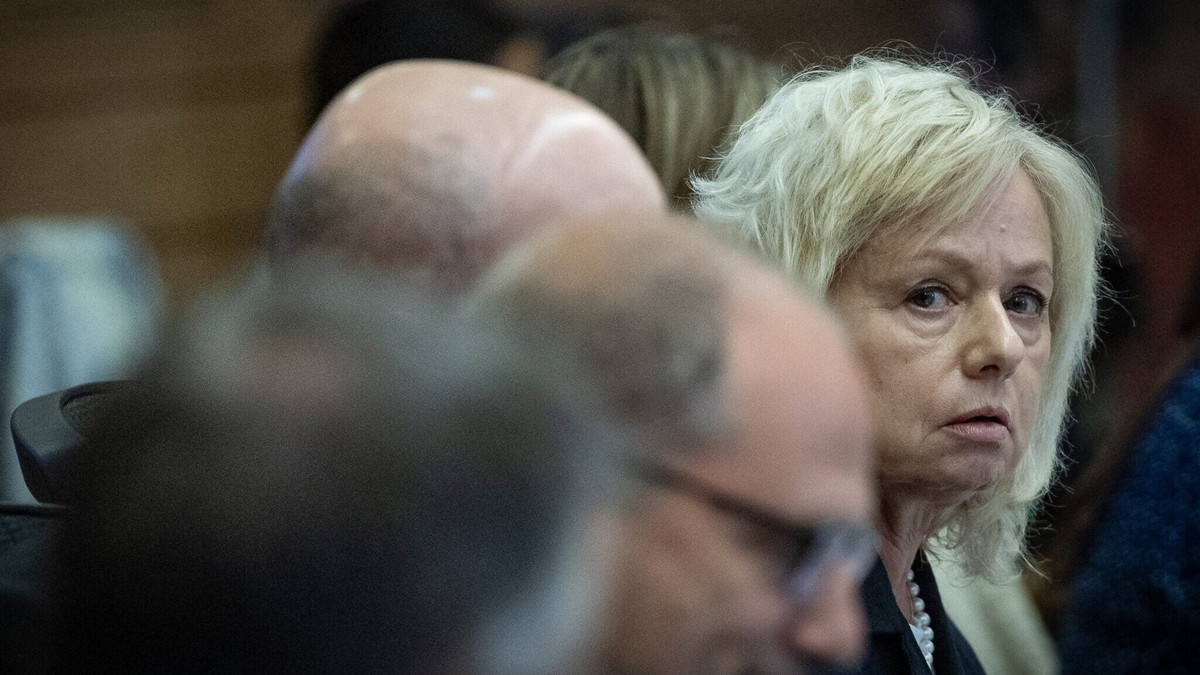
Jerusalem, Israel — November 25, 2026 — Attorney General Gali Baharav-Miara came to court in person, as ordered, and heard it directly.
A Hearing the Court Had to Force
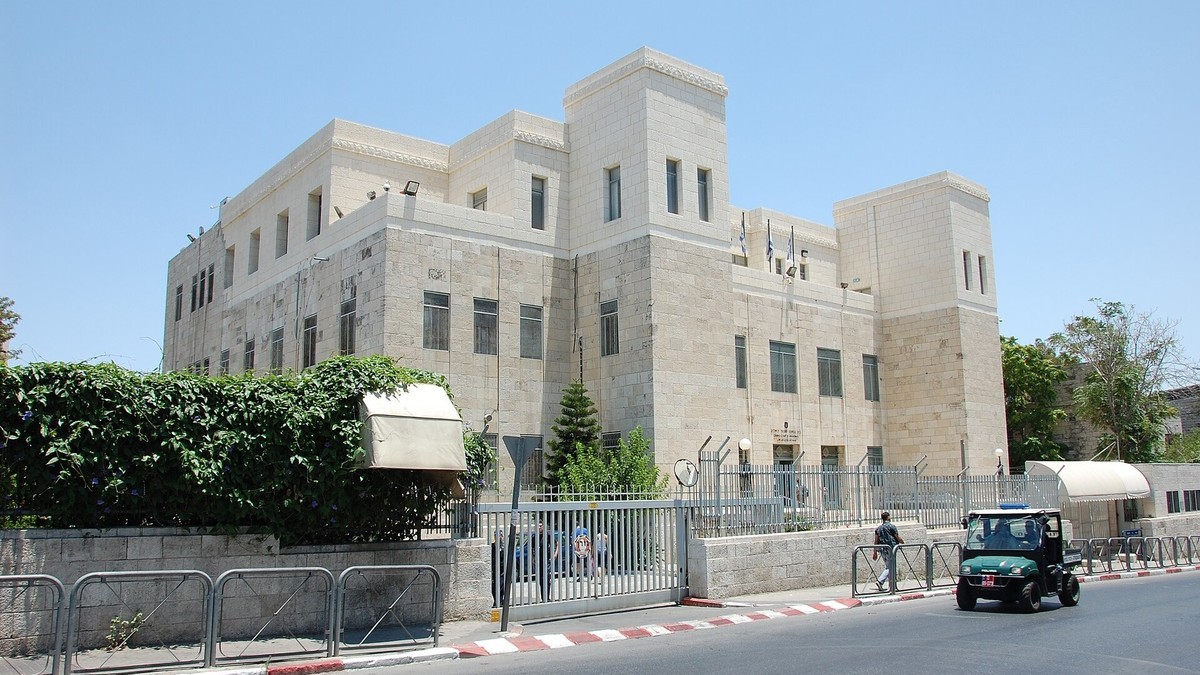
The session was extraordinary before a word was spoken, because it should not have happened this way. The Jerusalem District Court wanted the attorney general in the room. She declined a proposal to attend, saying it was unnecessary and that her prosecutors could carry any message. The judges then overruled her, writing that "the official responsible for making decisions" needed to "hear things directly and respond to them as needed."
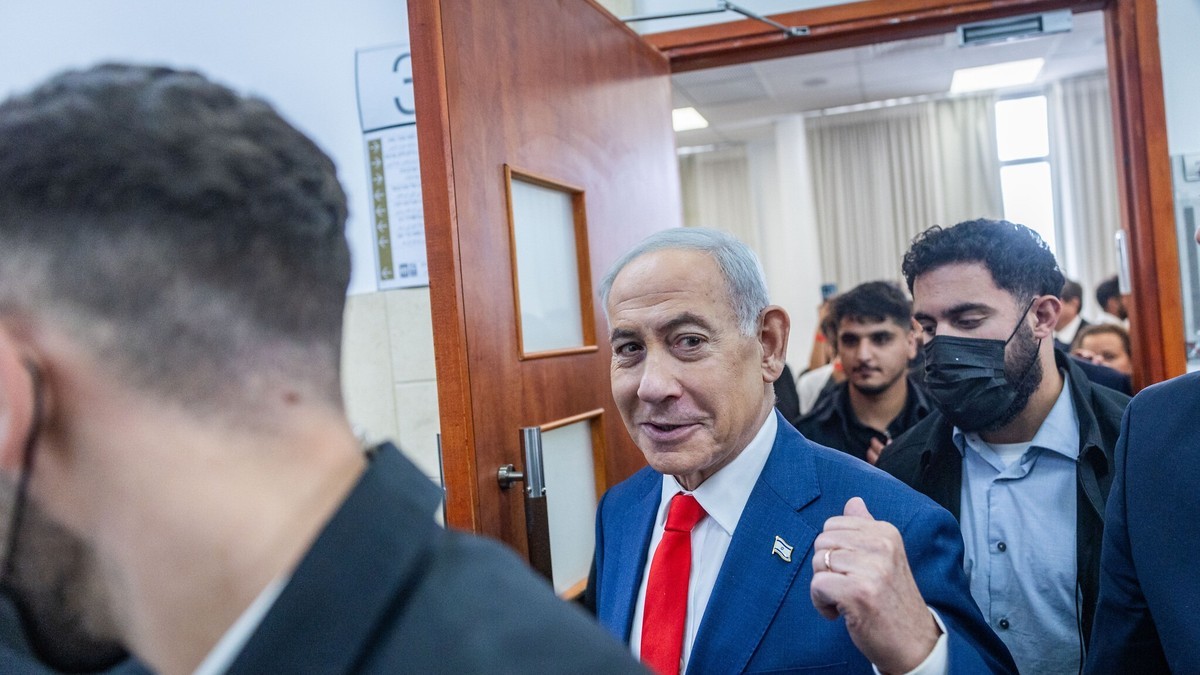
She arrived at noon under heavy security, walked past reporters without answering questions, and took her seat. State Attorney Amit Aisman came with her. Netanyahu did not attend; he was in the Knesset, where he delivered a speech on American democracy and the balance of powers and did not directly address the court. When the hearing ended, there was no ruling, no timetable and no order — only three judges explaining how they now see a case they have been hearing for years.
What the Judges Said, in Their Own Words
Presiding Judge Rivka Friedman-Feldman spoke for the panel, which includes Judges Moshe Bar-Am and Oded Shaham. Her framing was careful and, for the prosecution, brutal. "Now that Netanyahu has finished testifying, the trials have reached a point where we need to consider how to proceed," she said. "The public interest requires a rethink."
She then closed off the obvious escape routes. "We are sharing our impressions so far to convey how we see things," she said. "These comments concern Netanyahu alone because we have not heard from the other defendants." The panel added that the remarks were "our impressions so far" and that "we have not written a verdict," and stressed that nothing said in the room amounted to "an expression of no confidence in the prosecution representatives appearing before us."
Then she summarised the proposal in one sentence: "We propose considering dropping the first charge. Regarding the second charge, we propose hearing arguments from the parties. And regarding the third charge, we propose reaching a conclusion and verdict."
Case 4000: The Bribery Count Comes Apart
Case 4000 is the serious one — the only bribery count he faces. Prosecutors allege he authorised regulatory decisions worth hundreds of millions of shekels to Bezeq, then controlled by Shaul Elovitch, in exchange for friendlier coverage on the Walla news site, which Elovitch also owned.
Friedman-Feldman dismantled it in a single passage. "The bribery charge presents considerable difficulties," she said. "The quid pro quo element rests mainly on the meeting at which instructions were allegedly given. It is difficult to make findings based on Shlomo Filber's testimony. There is serious doubt as to whether the unusually favorable treatment was proven, and it is unclear on what basis it is considered unusual. The conflict of interest also raises doubts about whether Netanyahu committed a breach of trust." Her conclusion: "The chances of conviction are low enough to warrant reconsideration."
This was the third time the bench has urged the state to abandon the bribery count — once in June 2023, again this June. It is the first time the judges have cast doubt on the lesser breach-of-trust count in the same case.
Case 2000: When the Allegation May Not Be a Crime
Case 2000 is the one that always sounded worst in the retelling and may prove the weakest in law. Prosecutors say Netanyahu struck a quid pro quo with Arnon Mozes, publisher of Yedioth Ahronoth, trading legislation that would hobble the free daily Israel Hayom for more flattering coverage in Israel's best-selling newspaper.
The judges were not persuaded that any of it constitutes an offence. "We doubt whether the charge entails an offense," Friedman-Feldman said. "There is a real question as to whether the legal conclusions asserted are supported by the evidence." She did not close the door on argument: the prosecution, she noted, "was not given an opportunity to present a full argument on this point, and it can submit one before we decide." On the specific allegation of abuse of official authority, she said it was "unclear whether there is a basis."
The panel assessed the prospects of conviction on this count as low. What remains is a question of prosecutorial judgement, not evidence.
Case 1000: The Case Still Standing
Case 1000 is the gifts file, and it is the one the court did not knock down. Netanyahu is charged with fraud and breach of trust — not bribery — over luxury gifts from Hollywood producer Arnon Milchan and Australian billionaire James Packer. As reported from the indictment, the gifts from Milchan were valued at 462,602 shekels and those from Packer at 229,174. Prosecutors say he reciprocated with favours, including help on Milchan's US visa.
Here the tone changed entirely. Most of the evidence is already before the court, subject to a request to take testimony abroad from Packer. "Here we can work toward a resolution," the judges said. "We are open to every possibility." Globes reported that the remarks suggested the panel sees grounds for a conviction on some offence, even if not the breach-of-trust count originally charged. The Times of Israel put it more bluntly: Case 1000 is the only one where the court indicated the charges hold water.
The Indictment's Author on the Stand
None of this lands in a vacuum. Since last month the court has been hearing Avichai Mandelblit, the former attorney general who indicted Netanyahu in 2020, and his testimony has been uncomfortable for the state rather than the defendant. Mandelblit acknowledged that the wording of the caution he issued in 2018 was "ambiguous" — language that widened the probe into Case 4000. He also acknowledged he had not reviewed a key part of that indictment before signing off on it.
That matters legally, not just politically. The caution sits at the centre of it: if Netanyahu was never told during the investigation that he was suspected of bribery, he would not have had a fair chance to answer that allegation before he was charged with it. The defence has gone further, claiming Mandelblit was pressured into indicting, and has asked the court to dismiss the cases outright. The judges' decision to summon the attorney general followed that testimony directly.
Two Words That Decide Everything: Moral Turpitude
Any deal now turns on a phrase with a career-ending meaning. Baharav-Miara's reported position is that an agreement must include a finding of moral turpitude, which would bar Netanyahu from public office for seven years. He has been unwilling to accept that condition. In January 2022, near the end of Mandelblit's term, secret talks came close: conviction on two counts of fraud and breach of trust in Cases 1000 and 4000, with a prison term served as community service. Those talks collapsed over turpitude and the clock.
On Wednesday the attorney general did not slam the door. "There are two ways to conclude the case," she said. "A verdict or an appropriate deal that reflects the nature of the conduct and the evidence." She noted that the prosecution had answered President Isaac Herzog's invitation to talk and "the prime minister chose not to respond." Defence attorney Amit Hadad answered in kind: "We extend our hand in return. We believe the right course is mediation here in court, not with the president."
The Room Next Door: Coalition Talks
All of this is unfolding beside a government being assembled. After the October election, President Isaac Herzog handed Gadi Eisenkot the mandate to form a government, and Likud has been negotiating with Eisenkot's Yashar party; the two sides reached what Hebrew media described this week as initial understandings. Yair Golan's Democrats have suspended their own talks with Yashar, citing a stalemate.
The judges did not link their proposals to those negotiations, and no one should pretend they did. But the arithmetic is unavoidable. A plea agreement that removes Netanyahu from political life, or one that keeps him in it, changes what Likud can promise and what Eisenkot can deliver. The Jerusalem Post noted that the discussion carries political significance beyond the courtroom precisely because of those talks. Whether that pressure produces a deal or hardens both sides is now the central question in Israeli politics.
The Ministers Heard a Verdict the Court Did Not Give
The reaction from the coalition was immediate and unrestrained. Justice Minister Yariv Levin quoted Netanyahu's own 2017 line that "there will be nothing [found], because there was nothing," and added: "It was already clear then." Foreign Minister Gideon Sa'ar said there were two ways to end it: the prosecution withdrawing the charges, or the court granting a stay for abuse of process. National Security Minister Itamar Ben-Gvir called it a "witch hunt by the deep state." Finance Minister Bezalel Smotrich reached for the case number: "an earthquake measuring 4,000 on the Richter scale." Shas leader Arye Deri called it the judiciary's Yom Kippur.
Defence Minister Israel Katz went further than any of them, calling on Herzog to act and end the trial. Not everyone read it that way. Haaretz's legal affairs correspondent Yael Freidson, who has covered the case since the indictment, said the judges were "treating Netanyahu with kid gloves." The panel itself insisted it was expressing no lack of confidence in the prosecutors in front of it.
What Happens Next
Nothing is decided. The trial remains in its defence phase, with hearings scheduled five days a week to finish testimony before Friedman-Feldman retires in March 2028 — a deadline that has been pushing all three parties toward a conclusion for months. The attorney general said she will examine the court's remarks. Hadad asked for an immediate closed-door meeting with her; both the court and Baharav-Miara were reported to have opposed that.
Three things are worth watching. Whether the prosecution moves to amend or drop counts, which would end Case 4000 without a verdict. Whether a mediated agreement emerges, and whether it carries the turpitude finding Netanyahu has twice declined. And whether the coalition talks produce a government that changes his leverage. Netanyahu denies wrongdoing in all three cases and has called the prosecution a political coup. On Wednesday, three judges declined to rule on that — but they stopped defending the case built on it.
By Jessica Ali, Staff Writer
This article was produced with AI-assisted research and editorial support. Sources: The Times of Israel, The Jerusalem Post, Globes, Ynet News, Jewish Insider, JFeed, Israel National News, Zman Israel, Maariv, Bloomberg, and The Associated Press. Photographs: Yonatan Sindel/Flash90 (lead image); Chaim Goldberg/Flash90; Sir kiss via Wikimedia Commons, public domain.
What's Your Reaction?
 Like
0
 Dislike
0
 Love
0
 Funny
0
 Wow
0
 Sad
0
 Angry
0

Editor-in-Chief at Global1.News. Atlanta-based journalist who cuts through the BS and tells it like it is. Lead anchor, host, and the voice you hear when the spin stops and the truth starts.












Comments (0)