
NOAA Holds to Below-Normal 2026 Atlantic Hurricane Season Forecast
The National Oceanic and Atmospheric Administration has kept its forecast for a below-normal 2026 Atlantic hurricane season even as the climatological peak draws near in early September. Caribbean families are being urged to stay alert because one storm can still bring serious disruption to homes and communities across the islands.
The National Oceanic and Atmospheric Administration has kept its forecast for a below-normal 2026 Atlantic hurricane season even as the climatological peak draws near in early September. Caribbean families are being urged to stay alert because one storm can still bring serious disruption to homes and communities across the islands. The updated outlook offers some reassurance but also reminds everyone that preparation remains essential.
NOAA Holds to Below-Normal 2026 Atlantic Hurricane Season Forecast
Port of Spain, Trinidad and Tobago – This week — NOAA has updated its 2026 Atlantic Hurricane Season Outlook while keeping the prediction of below-normal activity as the peak period approaches. The news comes at a time when families in Trinidad and Tobago and across the Caribbean are already thinking about how to protect their homes and loved ones during the months ahead.

The Updated NOAA Outlook and What the Numbers Mean
Forecasters now expect between seven and thirteen named storms for the full season from June through November, with two to six of those becoming hurricanes and zero to two reaching major hurricane strength. These figures already include the two tropical storms that have formed so far. There is a seventy-five percent chance of below-normal activity, a twenty percent chance of a near-normal season and only a five percent chance of above-normal activity. A typical season produces fourteen named storms, seven hurricanes and three major hurricanes, so the current outlook points to noticeably quieter conditions overall.
Households across Trinidad and Tobago often recall past El Niño seasons when activity dropped yet individual systems still caused flooding in low-lying areas such as the Caroni plains or coastal villages in Tobago. Families are now checking roof ties, clearing drains and confirming that their water storage barrels are clean and covered, steps that have become routine after earlier quiet seasons turned suddenly active in short bursts. These practical habits help reduce the anxiety that rises whenever the peak months approach.
Regional cooperation through CDEMA and CARICOM allows smaller islands to share early warning messages and relief supplies quickly, something especially valuable for SIDS that face the same rising living costs and tourism pressures. In recent days community groups in Port of Spain have begun organising neighbour check-in lists so elderly residents without transport can receive updates if phones fail during heavy rain. Such local networks build everyday resilience without waiting for official alerts.
Arthur and Bertha: The Season So Far
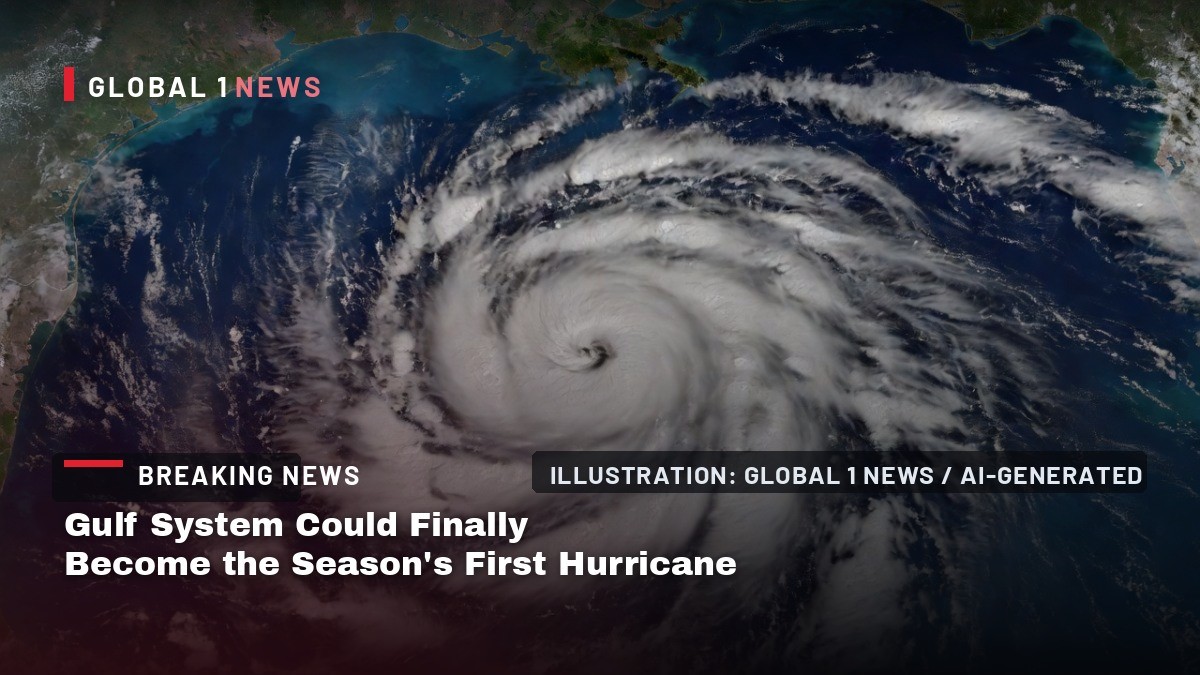
The 2026 season has so far produced only Tropical Storm Arthur and Tropical Storm Bertha, both of which formed in the Gulf of America. Arthur brought record rainfall to parts of Louisiana and spawned tornadoes along the Gulf coast, while Bertha made landfall in St Bernard Parish, Louisiana. NOAA's National Weather Service Director Ken Graham noted that inland rainfall is a major cause of damage from tropical storms and hurricanes, as Arthur demonstrated, and stressed the need to prepare for every storm projected to impact an area even if it never reaches hurricane strength. Caribbean residents are being reminded that similar rainfall threats can affect islands even when overall activity remains low.
Trinidad and Tobago households have taken the reminder seriously by reviewing their own flood-prone spots near rivers and drains, a lesson drawn from earlier seasons when even distant systems brought prolonged showers. Families are also preparing simple emergency kits with tinned food, batteries and copies of important documents, actions that fit easily into weekly budgets already stretched by higher food prices. These small steps keep communities ready without adding extra strain.
Diaspora relatives in Canada, the United Kingdom and the United States often call home during storm season to check on loved ones, and clear communication plans help reduce worry on both sides of the ocean. When families agree in advance on a single messaging app or radio station for updates, everyone stays informed even if internet service drops. This connection strengthens the wider Caribbean family network that supports island life year-round.
El Niño's Grip on the Atlantic
El Niño conditions that first emerged in the equatorial Pacific in June are expected to continue tempering tropical storm activity in the Atlantic basin by increasing wind shear. Matt Rosencrans, lead hurricane season forecaster with NOAA's National Weather Service, explained that when El Niño emerges it usually becomes the dominant factor in total hurricane season activity and that this El Niño continues to strengthen every month. Other factors such as near-average Atlantic Ocean temperatures and a neutral west African monsoon are playing smaller roles. In contrast, the Eastern Pacific outlook remains above average with fifteen to twenty-two named storms, while the Central Pacific is also expected to see above-normal activity with five to thirteen named storms or tropical depressions.
Historical patterns show that El Niño years often bring fewer Atlantic storms yet can still deliver heavy localised rain to the southern Caribbean, a reality many older residents in Trinidad remember from earlier decades. Families therefore continue to monitor sky conditions and keep tarpaulins ready for quick roof repairs, habits passed down through generations that complement modern forecasts. These traditions help communities stay grounded even when scientific outlooks point to quieter months.
Tourism operators in Tobago and Barbados are watching the subdued outlook with cautious optimism because peak visitor months overlap with the later part of the season. Hotels are using the breathing space to complete maintenance on shutters and backup generators, ensuring guest safety without last-minute rushes. This preparation supports the livelihoods that depend on steady arrivals from Europe and North America.
The One Caribbean Forecast and How Caribbean Families Prepare
The One Caribbean Television programme One Caribbean Forecast continues to serve as a trusted community resource that helps families across the islands interpret the season and plan accordingly. In Trinidad and Tobago households are advised to secure roofs, store adequate water supplies, assemble emergency kits and check on elderly neighbours before any system approaches. The TTPS and the Office of Disaster Preparedness and Management have been sharing practical guidance on these steps as the season runs from June through November. Staying informed through such regional briefings helps communities respond calmly and effectively when watches or warnings are issued.
Practical details for Caribbean homes include testing flashlights weekly, stocking non-perishable items that suit local tastes such as farine and tinned fish, and confirming that mobile phones are charged each evening. In rural areas where power cuts last longer, neighbours often share generators or battery packs, a form of community resilience that has grown stronger after recent cost-of-living pressures. These habits turn official advice into daily routines that feel manageable.
CARICOM coordination through CDEMA ensures that smaller islands receive timely regional support when one storm threatens multiple territories at once. Families in Trinidad and Tobago appreciate knowing that help can move quickly between member states, reducing the sense of isolation that sometimes accompanies hurricane season. This shared approach reflects the close ties that bind the Caribbean family of nations.
Caribbean and Regional Impact
Small island developing states remain especially vulnerable to even a single storm that could affect tourism, agriculture and daily life across CARICOM member countries. Disaster management agencies in Jamaica, Barbados and Guyana are coordinating regional efforts to ensure early warnings reach communities in good time. Although the overall outlook is quieter than average, the reminder that landfalls are determined by short-term weather patterns means families should not lower their guard. Tourism operators are also watching developments closely as the peak season for visitors overlaps with the latter part of the hurricane period.
Even in quieter seasons, agriculture in Trinidad and Tobago can suffer from unexpected heavy showers that damage crops just before harvest, so farmers are already securing greenhouses and drainage channels. This forward thinking protects both household incomes and the wider food supply that communities rely on. Such vigilance keeps the islands resilient despite global economic challenges.
Diaspora communities continue to send remittances and supplies during storm season, and clear family communication plans help direct that support where it is most needed. When relatives abroad know the latest official updates, they can respond calmly rather than reacting to unverified social media posts. This steady exchange strengthens ties across oceans and generations.
Official Response and Next Steps
The National Hurricane Center continues to provide tropical weather outlooks out to seven days along with track and intensity forecasts and the necessary watches and warnings. Governments across the region are reviewing their preparedness plans while families are encouraged to review insurance coverage and evacuation routes. As the peak approaches in early September, officials stress that timely information from official sources remains the best defence against sudden changes in storm behaviour.
Importance of official sources cannot be overstated when rumours spread quickly through community chat groups. Residents in Port of Spain and San Fernando are encouraged to rely on the TT Meteorological Service and CDEMA bulletins rather than unconfirmed posts, a habit that prevents unnecessary panic and wasted resources. Clear guidance from trusted channels keeps everyone focused on real risks.
Community drills organised by local disaster committees help families practise evacuation routes and shelter procedures before any system forms. These exercises build confidence and reveal small gaps, such as missing contact numbers for elderly neighbours, that can be fixed in advance. The result is a stronger neighbourhood network ready for whatever the season brings.

Looking Ahead
Through September and October the influence of El Niño is expected to keep Atlantic activity subdued, though short-term patterns could still produce surprises. Residents are encouraged to monitor updates on hurricanes.gov and to maintain their emergency supplies throughout the remainder of the season. Community drills and neighbour support networks can make a real difference when conditions change quickly.
The quieter outlook offers welcome breathing space for Caribbean families already dealing with rising living costs, yet it does not remove the need for steady vigilance. One well-prepared community can weather whatever the season brings and emerge stronger together.
By Sharon Sahatoo, Staff Writer
This article was produced with AI-assisted research and editorial support. Reporting is based on sources cited in the article.
What's Your Reaction?
 Like
0
Like
0
 Dislike
0
Dislike
0
 Love
0
Love
0
 Funny
0
Funny
0
 Wow
0
Wow
0
 Sad
0
Sad
0
 Angry
0
Angry
0

Caribbean Correspondent at Global1.News. Based in Port of Spain, Trinidad, covering Caribbean politics, economy, energy, climate, and culture. Amplifying the voices and stories of the Caribbean region.












Comments (0)