
Nepali Prime Minister Balen Shah Continues to Test the Limits of Executive Power
Balendra Shah’s tenure as Nepal’s prime minister has quickly become a case study in the tension between rapid reform and institutional restraint. However, the responsibilities of a mayor differ markedly from those of a prime minister.
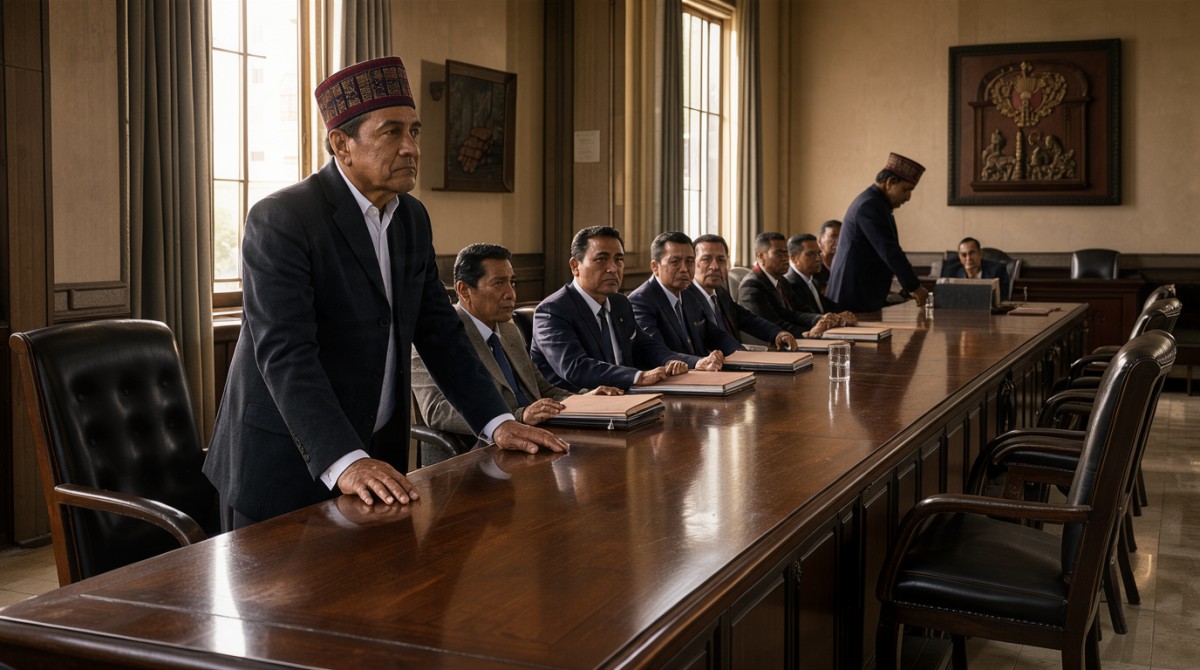
Balendra Shah’s tenure as Nepal’s prime minister has quickly become a case study in the tension between rapid reform and institutional restraint. Ascending to the premiership on a platform of anti‑corruption and efficient governance, Shah has repeatedly chosen to bypass established procedures, prompting legal challenges, media backlash and growing unease within his own Rastriya Swatantra Party (RSP). As Nepal navigates the aftermath of the September 2025 Gen Z uprising, the prime minister’s approach raises fundamental questions about the durability of the democratic mandate he secured in the March 2026 elections.
From Mayoral Maverick to National Leader
Shah first entered the national spotlight as the mayor of Kathmandu, where he cultivated a reputation for decisive, sometimes unilateral, action. He ordered bulldozers to clear squatter settlements and even dumped garbage in front of the central secretariat to protest the federal government’s policies. These gestures, coupled with a sparse social‑media presence, projected an image of a young, “rapping engineer” who could cut through bureaucratic inertia. Voters, disillusioned with the slow pace of traditional politics, embraced this outsider persona, rewarding him with an overwhelming mandate in the March 2026 parliamentary elections.
However, the responsibilities of a mayor differ markedly from those of a prime minister. While a mayor can act with considerable autonomy within a city, a prime minister must answer to a parliament and coordinate across a broad spectrum of ministries, civil servants and judicial bodies. The shift from local to national governance demands a higher degree of consultation and accountability—principles that Shah’s early actions as prime minister have repeatedly sidestepped.
Early Controversies and Legal Reversals
Shah’s first days in office were marked by two high‑profile arrests: former prime minister KP Sharma Oli and his Home Minister Ramesh Lekhak, accused of attempting to suppress the September 2025 Gen Z uprising that left at least 76 dead. While the arrests signaled a hard line against the old guard, they also set a precedent for swift, decisive action without extensive parliamentary debate.
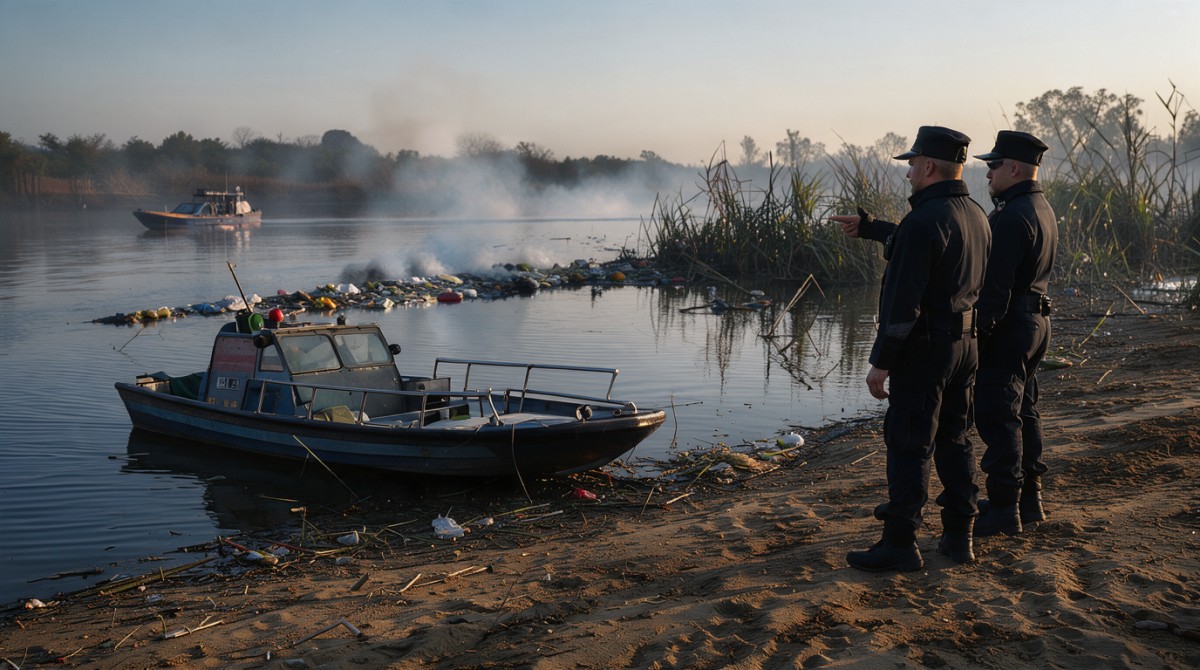
Subsequent attempts to clear riverside squatters in Kathmandu—an echo of his mayoral policies—were overturned by the courts. These legal setbacks underscored a pattern: Shah’s urgency often collides with Nepal’s entrenched due‑process mechanisms, inviting judicial scrutiny and reversal.
Executive Overreach and Institutional Strain
Since those early moves, Shah’s government has pursued a series of actions that further test the limits of executive authority. Senior bureaucrats have been forced into early retirement without the customary consultation, and the long‑standing seniority rule governing appointments to the Supreme Court chief justice position was bypassed. Such departures from norm have alarmed legal observers and civil‑service veterans alike.
The prime minister’s approach has also extended to the media. Journalists have been detained, and police forces have been dispatched into newsrooms—a level of press suppression last seen during Nepal’s early‑2000s autocratic royal regime. The most recent flashpoint involved the dismissal of Police Chief Dan Bahadur Karki, who reportedly resisted taking direct orders from the Prime Minister’s Office (PMO). This move signaled a willingness to replace senior officials who do not align with Shah’s agenda, further eroding confidence in the stability of Nepal’s institutions.
Political Fallout Within the RSP
Shah’s governing style has strained relations with RSP chair Rabi Lamichhane, who now voices concerns that the prime minister is bypassing both the party and his own ministers on key decisions. In a parliamentary system that relies on strong party cohesion, such alienation threatens the very foundation of Shah’s legislative support. Lamichhane’s criticism reflects a broader unease among RSP members, who fear that the party’s anti‑establishment platform is being compromised by the prime minister’s unilateral tactics.
The discontent extends beyond internal party dynamics. Business leaders, who initially welcomed Shah’s promise of efficient governance, have expressed disillusionment over the unpredictable policy environment. The combination of legal reversals, media crackdowns and the dismissal of senior officials has cultivated an atmosphere of uncertainty that hampers investment and economic planning.
Public Opinion and the Rise of Accountability Voices
Shah’s early popularity, fueled by his reputation as an incorruptible reformer, is now being challenged by a new wave of public scrutiny. Social‑media commentators and YouTube personalities, once ardent supporters, are calling for accountability after a controversial audio recording surfaced, allegedly linking the prime minister to a notorious “fixer.” While the source material does not confirm the authenticity of the recording, the mere existence of such allegations has intensified calls for transparency.
These emerging dissenting voices underscore a shift in the narrative surrounding Shah. The same platforms that amplified his anti‑corruption message are now amplifying criticism of his governance style, suggesting that the public’s tolerance for executive overreach is limited. The growing demand for due process reflects a broader expectation that reforms be pursued within the bounds of democratic institutions.
Risks to Nepal’s Democratic Trajectory
The stakes of Shah’s governance choices extend beyond his personal political fortunes. Nepal’s recent democratic transition, marked by the ousting of the old political elite during the Gen Z uprising, rests on a fragile consensus that new leaders will respect constitutional norms. If Shah continues to sideline consultation and due process, the risk is twofold: first, the erosion of public trust in democratic mechanisms; second, the potential for institutional decay as courts, civil service and media become increasingly marginalized.
Legal setbacks, such as the overturning of the riverside squatter clearances, illustrate how the judiciary can act as a check on executive excess. However, repeated confrontations between the PMO and the courts could lead to a politicized judiciary, undermining its role as an impartial arbiter. Similarly, the intimidation of journalists threatens press freedom, a cornerstone of accountability in any healthy democracy.
Pathways Forward: Balancing Urgency with Institutional Respect
For Shah to preserve his mandate and safeguard Nepal’s democratic progress, a recalibration of his governing approach is essential. The prime minister must recognize that urgency does not absolve the need for consultation, especially on matters that affect the civil service, judiciary and media. Engaging senior bureaucrats, respecting seniority conventions, and allowing parliamentary debate on key appointments would restore confidence among both the RSP and the broader public.
Moreover, transparent communication about policy decisions—rather than reliance on cryptic social‑media posts—could mitigate the perception of secrecy that fuels suspicion. By aligning his reformist ambitions with the procedural safeguards embedded in Nepal’s parliamentary system, Shah can transform his early decisive style into a sustainable model of governance that delivers on anti‑corruption promises without compromising democratic institutions.
This article was produced with AI-assisted research and editorial support. Reporting is based on the source material cited below. Sources: The Diplomat; thediplomat.com; Global1.News (17 November 2026).
By Kenji Tanaka, Staff Writer
What's Your Reaction?
 Like
0
 Dislike
0
 Love
0
 Funny
0
 Wow
0
 Sad
0
 Angry
0

Japan Correspondent at Global1.News. Tokyo-based voice covering Japanese politics, technology, economy, and culture. Tracks the intersection of tradition and innovation in one of the world's most dynamic societies.











Comments (0)