
One Blood Test, 20,000 Patients, and the Question the NHS Still Cannot Answer
More than 20,000 patients at 200 GP surgeries in England will be offered a blood test that looks for thirteen cancers at once, in a trial the government calls a world-first. The earlier Galleri trial missed its main goal, and whether earlier detection helps patients is still unproven.
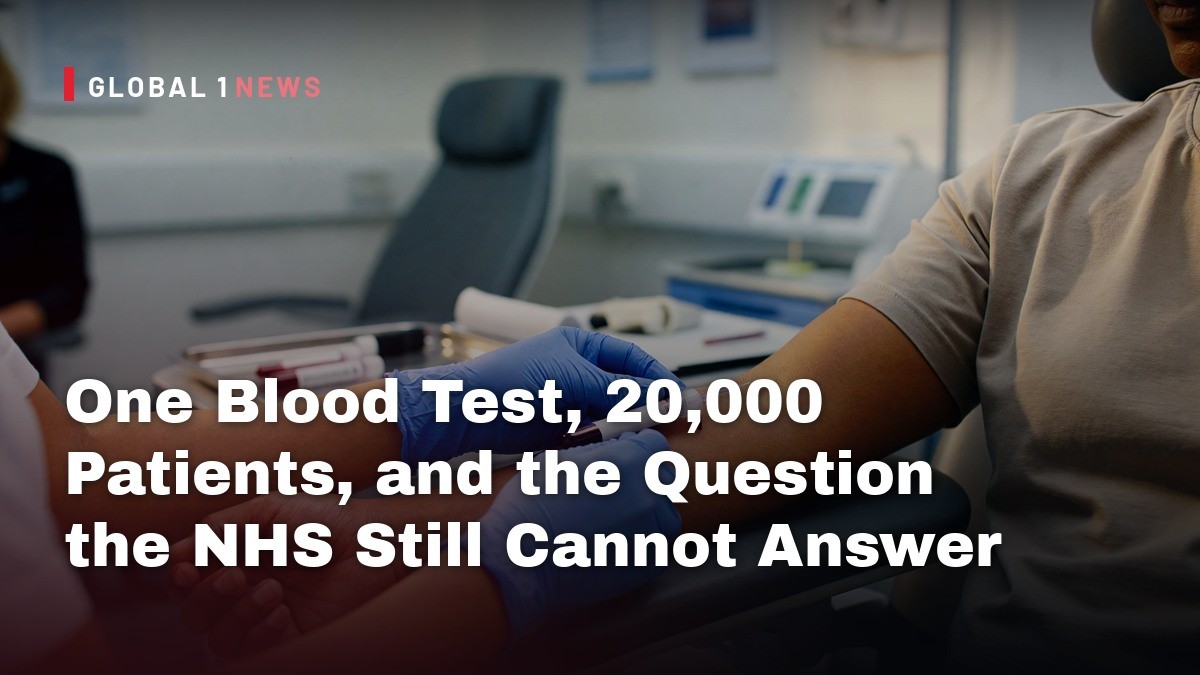
More than 20,000 people in England will be asked for a tube or two of blood at their GP surgery, and the answer that comes back could reset how the NHS handles some of its deadliest cancers. That is the promise, at least. The trial is called STRIDE-RCT, it was announced on Wednesday 4 November 2026, and it comes with up to 8.49 million pounds of government money. What it will test, and what it will not, is the story.
One Blood Test, 20,000 Patients, and the Question the NHS Still Cannot Answer
London, England - The Department of Health and Social Care set out the scale and the funding on Wednesday.
Twenty Thousand Patients, One Blood Sample
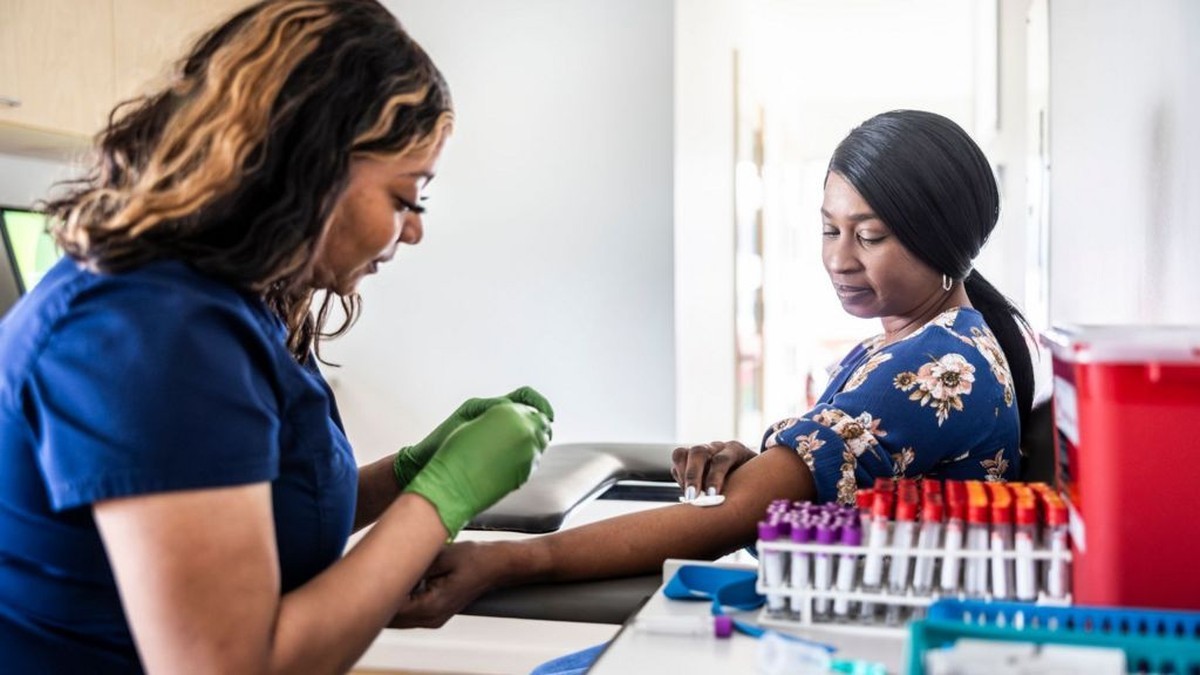
STRIDE-RCT will run across at least 200 GP practices in England and more than 20,000 NHS patients will take part. The government and the University of Birmingham, which leads the trial, have called it a world-first. It is funded by the Office for Life Sciences through the National Institute for Health and Care Research, with up to 8.49 million pounds of government money behind it.
Patients aged 45 and over who visit their GP with abdominal symptoms, such as persistent bloating or discomfort, will be offered the chance to take part. Most of the tests will ask for one or two tubes of blood, taken at the practice alongside routine blood tests. The University of Birmingham's research project record lists the trial as active, with an effective start and end date of 1 November 2026 to 31 October 2031.
What the Tests Are Actually Looking For

The tests look for signs of several cancers in a single sample and suggest where in the body they come from. They use a variety of the latest technology, including artificial intelligence and measuring proteins in the blood, and descriptions of the trial also mention detecting DNA shed by tumours. The trial will initially evaluate three different tests from three companies, with more tests potentially added later, the Department of Health and Social Care said.
Thirteen cancer types are covered: bowel, small bowel, stomach, oesophageal, pancreatic, liver, bile duct, gallbladder, ovarian, endometrial, kidney, bladder and prostate. Around 71,000 people are diagnosed with pancreatic, stomach, liver, ovarian or bowel cancer in England each year, and there are almost 35,000 deaths from them. Around nine in ten people diagnosed with bowel cancer at stage 1 survive at least five years, compared with around one in ten at stage 4.
The Symptoms That Get Dismissed
Abdominal symptoms are easy to wave away. Persistent bloating, discomfort, vague pain that could be nothing. Professor Peter Johnson, the NHS National Clinical Director for Cancer, says: "Detecting abdomen cancer early is notoriously difficult because the symptoms can easily be mistaken for other less serious conditions, but the NHS is determined to find a solution."
Michelle Mitchell, chief executive of Cancer Research UK, says: "Symptoms such as bloating and stomach pain are common and could have many causes, making it difficult for GPs to know when to investigate for cancer." She adds that some cancers may go undetected until they are at a later stage, when they are harder to treat.
Currently, just 2-6% of urgent referrals for cancer result in a diagnosis. That is the gap the trial is aimed at: too many people sent for tests who do not have cancer, and too many whose cancer is found late.
Why a Positive Result Is Not a Diagnosis
Officials state that a positive result does not automatically mean there is cancer, and a negative result is not a guaranteed all-clear. A positive result will help the GP and patient decide whether an urgent referral is needed, but is not by itself a confirmed cancer diagnosis.
Professor Aneel Bhangu, a consultant colorectal surgeon and co-chief investigator, says: "Too many patients with cancer reach me after months of vague symptoms that were hard to pin down. At the same time, most people referred urgently do not have cancer, causing unnecessary worry and expense."
The stakes are different in a GP's room. King's College London notes that the earlier Galleri trial's positive predictive value of around 50%, measured in a screening population, compares with around 6% for GP symptomatic urgent referrals. Thomas Round of King's College London wrote of that trial: "A positive test could trigger investigations before symptoms develop, but a negative result must never provide false reassurance or delay investigation of concerning symptoms."
Randomised Practices, and a GP's Own Hunch
Participating practices will be randomly allocated. Half will offer eligible patients a blood test alongside their usual care. The other half will provide usual care. GPs taking part will record how strongly they suspect cancer, so researchers can assess how well the tests work alongside GPs' own judgement.
That last part is the heart of it. The trial is not simply asking whether a blood test can spot a signal. It is asking whether the test adds anything to what an experienced GP already suspects, and the trial will assess that before an assessment is made on rolling the tests out nationwide.
This is not a screening programme. Everyone taking part has already gone to their GP with a problem. Birmingham's other platform trials include GLO-BNHL, an international paediatric cancer trial, and the ROSSINI Platform, which will involve 26,000 surgery patients in the UK.
The Precedent That Failed Its Main Goal
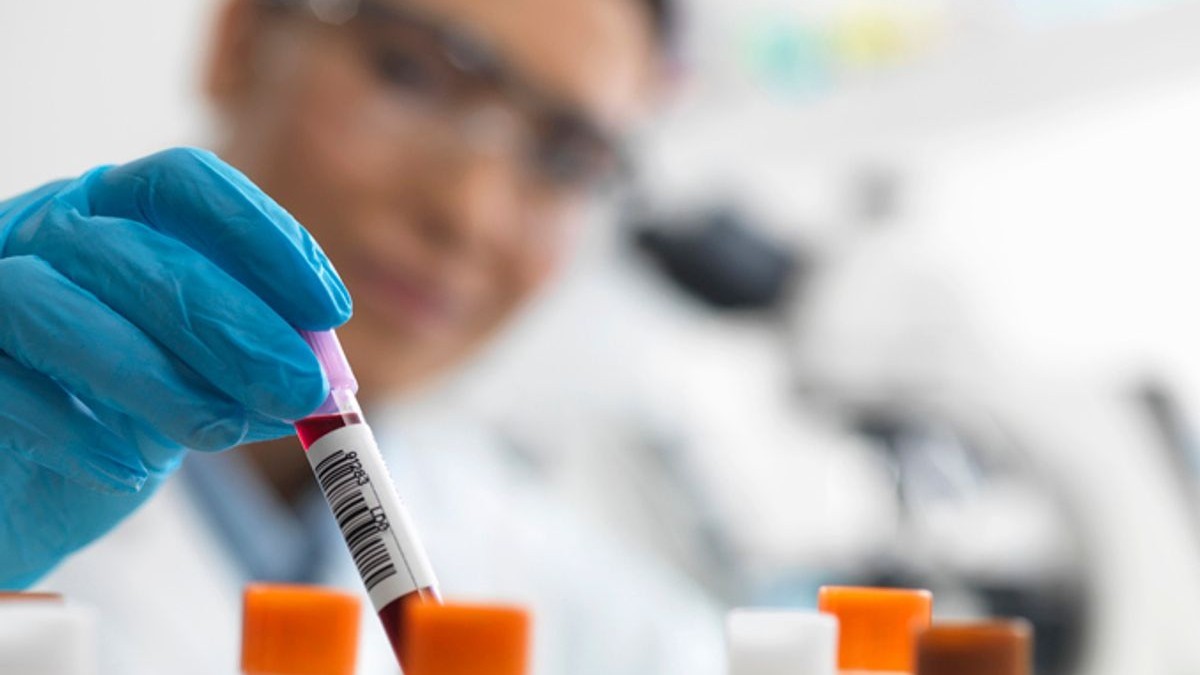
NHS-Galleri is the precedent, and it was a separate trial with a different design. King's College London describes it as the largest randomised controlled trial of a multi-cancer early detection blood test to date. It recruited more than 142,000 adults across England, aged 50-79, randomised to three annual blood tests or usual care. It screened people with no symptoms. STRIDE-RCT tests people who already have them.
Galleri did not meet its primary endpoint. There was no significant difference in stage III/IV cancer across 12 prespecified cancer types after three screening rounds: 706 participants in the intervention arm and 688 in the control arm, an incidence rate ratio of 1.03 (95% CI 0.92-1.14, P = 0.63).
Professor Charles Swanton, co-chief investigator for the NHS-Galleri trial, says: "The primary goal was not met." That is the spine of this story. The biggest attempt so far missed its main target, and whether catching cancer earlier actually changes what happens to patients is still an open question.
What Galleri Did Show
What Galleri did show was a reduction in stage IV cancer: 342 versus 397, a 14% reduction, with an incidence rate ratio of 0.86. The effect strengthened by round: 9% in the first screening round, 22% in the second and 26% in the third. Swanton says a pre-specified secondary goal "did show a greater than 20% reduction in stage 4 cancers, with the effect strengthening by the third year of screening."
Stage I/II cancers increased by 16% in the tested group, 647 versus 559. Screen-detected cancers roughly quadrupled, 1,173 versus 290, while clinically-detected cancers fell from 3,110 to 2,464. Emergency presentations fell from 286 to 225.
Aggregate test performance was 99.55% specificity and a 52.0% positive predictive value, with 92.5% accuracy for top-two cancer signal origin and 87.0% for top-one. Around 1% of participants had a positive result per screening round, and about half of them were later diagnosed with cancer. The results were published in the New England Journal of Medicine and Nature Medicine.
The Communities This Was Built For
The trial covers practices in inner-city, rural, seaside and deprived communities, and that choice is deliberate. Associate Professor Dmitri Nepogodiev, a consultant in public health at the University of Birmingham and co-chief investigator, says: "Abdominal cancers are often found late, and people in our most deprived communities are more likely to be diagnosed in an emergency."
He adds: "We have designed the trial to include practices in inner cities, coastal towns and rural areas, so the results apply to everyone the NHS serves." That line matters more than it sounds. A test that works in a well-resourced suburb and fails in a deprived coastal town is not an NHS answer, it is another gap with better branding.
What the Clinicians and Charities Say
Professor Lucy Chappell, chief executive of the NIHR and chief scientific adviser at the Department of Health and Social Care, says: "This could be game-changing, with potential to streamline urgent referrals, ease NHS pressures, and deliver earlier diagnoses when treatments are most effective."
Dr Anisha Patel, an NHS GP and bowel cancer survivor, says: "The challenge in general practice is that cancer symptoms can be vague and overlap with many other conditions." She adds that the trial offers "real hope" but that listening to patients, following up persistent symptoms and screening attendance must stay at the heart of care.
Jodie Moffat, director of charitable impact at Bowel Cancer UK, says: "Diagnosing bowel cancer can be tricky, particularly when the symptoms could be caused by a range of different diseases, so innovations which help health professionals to work out which patients need to be urgently referred would be a very positive step forward."
Alfie Bailey Bearfield, head of policy and influencing at Pancreatic Cancer UK, says: "Vague symptoms - like persistent tummy pain and indigestion - make it incredibly challenging to decide who should be urgently referred to hospital for tests." He adds: "Currently, half of people with this devastating disease die within just three months of their diagnosis."
What Happens Next
The trial will assess how well the tests work alongside GPs' judgement before an assessment is made on rolling them out nationwide. Three tests will be evaluated at first, with more potentially added later. The University of Birmingham's project record runs to 31 October 2031.
The government says the trial supports one of the main ambitions in its National Cancer Plan, and that 250,000 more people were diagnosed on time, or had cancer ruled out, last year than in the year before the 2024 election. Yvette Cooper, the Secretary of State for Health and Social Care, says: "This world-first trial will establish whether simple blood tests can help GPs identify much sooner the patients who need urgent support."
The distinction that matters is this. A test that produces a signal is not the same as a test that helps. The earlier trial found more cancers at screening, fewer emergency presentations and a fall in stage IV disease, and still missed its primary goal. Until STRIDE-RCT produces its own evidence, whether these tests change what happens to patients is unproven. That is the whole point of running it.
By Jessica Ali, Staff Writer
This article was produced with AI-assisted research and editorial support. Sources: GOV.UK Department of Health and Social Care; University of Birmingham (press release and research project record); BBC News; King's College London; NHS-Galleri trial results; New England Journal of Medicine; Nature Medicine; ASCO Post; GPonline; Daily Mirror. Photographs: Getty Images via BBC News; Getty Images/Image Source via Daily Mirror; University of Birmingham media library. Cover: Global 1 News editorial image.
What's Your Reaction?
 Like
0
 Dislike
0
 Love
0
 Funny
0
 Wow
0
 Sad
0
 Angry
0

Editor-in-Chief at Global1.News. Atlanta-based journalist who cuts through the BS and tells it like it is. Lead anchor, host, and the voice you hear when the spin stops and the truth starts.














Comments (0)