
Tressfecta wants to make hair braiding a less arduous task for hairstylists
When I first heard about a hardware startup trying to tame the knotty world of hair braiding, I thought it was another gimmick riding the AI hype train.
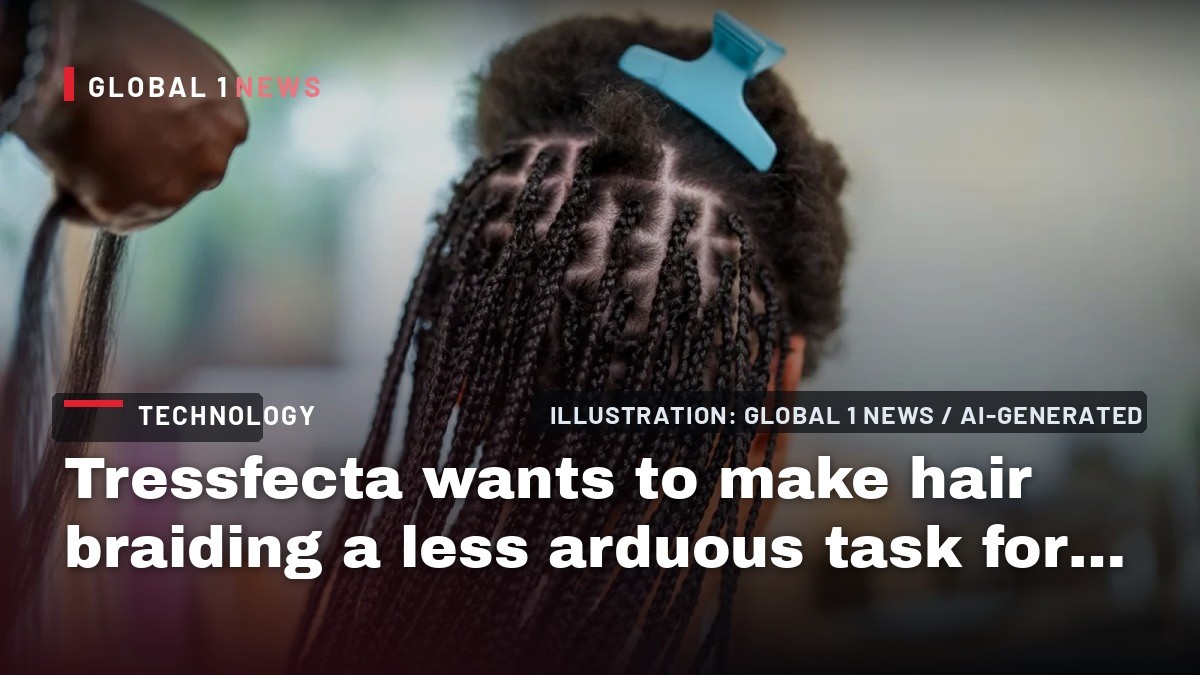
When I first heard about a hardware startup trying to tame the knotty world of hair braiding, I thought it was another gimmick riding the AI hype train. Then I read the story of Aisata Diallo and her fledgling company Tressfecta, and I realized there’s a genuine pain point here that even the biggest hyperscalers haven’t bothered to address. The braiding process is brutally manual – a single style can chew up eight hours of a stylist’s day – and the physical toll is real, with cramping and carpal‑tunnel syndrome becoming occupational hazards. Diallo’s Plank Pilot, a modest mechanical dispenser that separates braiding hair into bite‑size packs, may look simple, but it’s a direct response to a market that mainstream beauty tech has long ignored.
Why Braiding Is Still a Manual Grind
Diallo, a 24‑year‑old who describes herself as a lifelong braider, knows the grind from the inside out. She grew up braiding her own hair, moved on to braiding friends, and eventually started a small business while studying at Northeastern University in Boston. The reality she faced was stark: a single braid style can take up to eight hours, and the repetitive motions leave stylists with cramping and, in worst cases, carpal tunnel syndrome. Those are not just anecdotes; they’re the everyday injuries that keep seasoned braiders from scaling their craft.
What’s missing from the conversation is that the textured‑hair market has been sidelined by the big beauty brands and the AI‑first startups that chase quick wins in facial recognition or skin analysis. The hardware challenge of building a tool that can handle the nuance of different hair textures, lengths, and densities is a reason why “there have been few innovations in this space,” as Diallo puts it. The lack of investment and attention means the burden stays on the shoulders of the stylists who have to do the work by hand, hour after hour.
The Plait Pilot: A Pragmatic Piece of Gear
The Plait Pilot is not a robot that will braid hair for you. It’s a focused, pre‑launch prototype that tackles the most time‑consuming sub‑task: separating hair from packs before the actual weaving begins. Diallo explains the workflow – a stylist lays the braiding hair on top of the device, sets the desired size for each piece, and the machine does the heavy lifting, dispensing neatly divided bundles ready for the braider’s hands. This is a classic “narrow‑task” approach that I’ve seen work in other niche hardware verticals where the problem is well‑defined and the solution can be built with a modest budget.
She’s honest about the complexity: “It’s not a one‑size‑fits‑all solution.” Different hair types require different handling, and the device must account for length and density variations. That nuance is why most venture‑backed beauty hardware projects stall – they try to be a jack‑of‑all‑trades and end up delivering a mediocre product. By focusing on a single choke point, Tressfecta sidesteps the over‑engineering trap that haunts many VC‑fueled hardware attempts.
Bootstrapping vs. VC Hype: Funding Realities
Diallo’s funding story reads like a cautionary tale for founders who think a quick VC check will solve everything. She’s been bootstrapping while also tapping grant money and accelerator programs. The article notes she’s “preparing to fundraise” and acknowledges how “hard it can be to raise money for hardware, especially beauty hardware.” This is the reality on the ground: investors love software scalability, but hardware carries inventory risk, longer development cycles, and higher upfront capital needs.
What’s refreshing is that Diallo isn’t chasing a unicorn valuation; she’s building a tool that can be sold directly to stylists or boutique salons. That lean, customer‑first approach is the only way to survive in a market where the “best practices” touted by hyperscalers – endless data pipelines, cloud‑only solutions – simply don’t apply to a physical device that must be manufactured, shipped, and supported.
Market Validation Through Real‑World Testing
Instead of waiting for a polished product launch, Tressfecta is already in the field, connecting with stylists and braiders for hands‑on testing. Diallo spent a week in San Francisco as part of TechCrunch’s Startup Battlefield 200, a platform that, while noisy, offers a chance to get feedback from potential early adopters. The fact that she’s actively seeking user input before scaling production is a solid risk‑mitigation move. In my own experience, hardware startups that skip this iterative loop end up with inventory that no one wants.
The article also mentions her participation in a “founder resource group” and the possibility that she first heard about TechCrunch Disrupt via LinkedIn. Those community channels are crucial for niche founders who lack the marketing budgets of larger players. Leveraging peer networks can help Tressfecta refine the Plait Pilot’s ergonomics, durability, and pricing before committing to a full production run.
Why the Textured‑Hair Segment Is Ripe for Disruption
The textured‑hair market has been “overlooked by the mainstream,” a point that resonates with anyone who has tried to pitch a product to the big beauty conglomerates. Those giants focus on mass‑market, low‑cost solutions that don’t address the specific workflow challenges of braiding. This creates a gap where a small, focused hardware tool can capture a loyal niche audience willing to pay a premium for time‑saving equipment that reduces physical strain.
From a business‑risk perspective, targeting a niche with high‑touch, high‑value needs can yield better margins than chasing volume in a saturated market. The key is to lock in a few flagship salons or training academies as anchor customers, then expand through word‑of‑mouth. That’s the playbook that has worked for other specialized hardware firms, from precision agriculture tools to boutique coffee equipment.
Actionable Takeaways for Indie Founders
First, identify the “pain‑point bottleneck” in your industry and build a narrow‑scope hardware solution that solves it. Diallo’s focus on the hair‑separating step is a textbook example. Second, bootstrap as long as possible while tapping non‑dilutive capital like grants and accelerator programs. This keeps equity dilution low and forces you to stay close to the customer. Third, get the product into the hands of real users early – the feedback loop is your fastest path to a market‑fit device. Fourth, be realistic about funding: hardware is capital‑intensive, and most VCs will still favor software‑centric bets. Align your fundraising narrative with tangible unit economics rather than lofty AI hype.
Finally, remember that the biggest risk isn’t the technology; it’s the go‑to‑market strategy. Even a perfect device will flop if you don’t have a distribution channel that reaches the stylists who need it. Partner with salon supply distributors, attend industry trade shows, and leverage community groups where braiders congregate. In the end, a well‑engineered tool that eases a real physical strain can become a staple in the boutique salon world, and that’s a win that no hyperscaler can replicate.
Looking Ahead: From Prototype to Production
Diallo’s next steps are clear: finish the Plait Pilot prototype, secure a seed round, and move into low‑volume manufacturing. The article doesn’t give a timeline, but the fact that she’s already on the Startup Battlefield stage suggests she’s gearing up for a fundraising push soon. For independent hosting providers and founders watching this, the lesson is that there’s still room for hardware innovation when you solve a genuine workflow problem and stay grounded in the realities of production and distribution.
In a world where every startup is shouting about AI‑driven SaaS, Tressfecta’s modest, hands‑on approach is a reminder that sometimes the biggest impact comes from a simple mechanical lever that takes the strain off a human hand. If they can get the device into salons and prove it reduces braiding time and physical fatigue, they’ll have a compelling story that transcends hype and delivers real value.
— Allan Ali, Founder
This article was produced with AI-assisted research and editorial support. Reporting is based on the source material cited below. Sources: TechCrunch; techcrunch.com; Global1.News (16 October 2026).
By Allan Ali, Global1.News
What's Your Reaction?
 Like
0
Like
0
 Dislike
0
Dislike
0
 Love
0
Love
0
 Funny
0
Funny
0
 Wow
0
Wow
0
 Sad
0
Sad
0
 Angry
0
Angry
0

Publisher of Global1.News. Automation architect, systems builder, and the guy making sure the truth gets published.















Comments (0)