
Super Scam Me documentary shows what it takes to catch a romance scammer
Romance scams have become a scourge of the digital age, siphoning billions from unsuspecting victims while cloaking fraud in the language of love. The new National Geographic documentary Super Scam Me , premiering Saturday at 9 p.m.
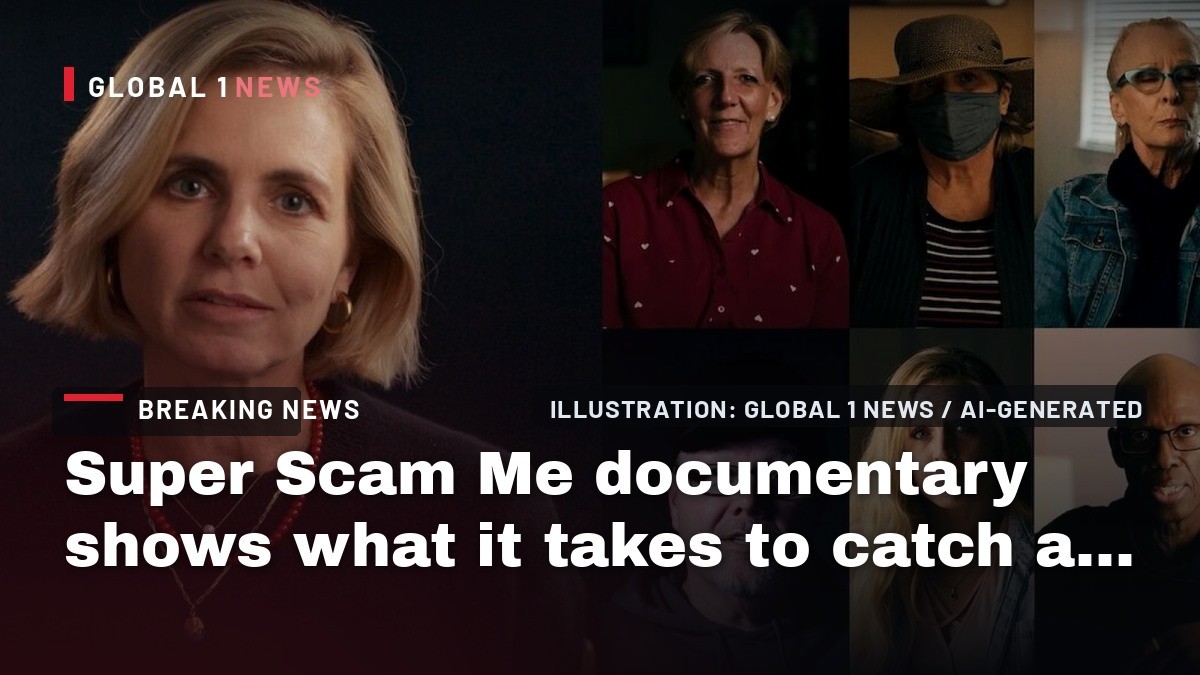
Romance scams have become a scourge of the digital age, siphoning billions from unsuspecting victims while cloaking fraud in the language of love. The new National Geographic documentary Super Scam Me, premiering Saturday at 9 p.m. ET, pulls back the curtain on this predatory industry, revealing how scammers manipulate emotions, exploit technology, and evade law enforcement. Investigative journalist Mariana van Zeller, who has spent years chronicling the scam economy, steps into the fray herself—posing as a potential target to expose the mechanics of the con and, in the process, give a battered victim a measure of closure.
Why Romance Scams Matter
The Federal Trade Commission (FTC) estimates that romance scams cost Americans nearly $1.5 billion each year. That figure, cited in the documentary’s promotional material, underscores the scale of the problem: a single category of fraud that now ranks among the nation’s leading forms of financial crime. The FTC’s warning highlights a troubling pattern—older women with disposable income, often widows or divorcées, are the primary targets. These individuals frequently lack strong community ties, making them especially vulnerable to the “love‑bombing” tactics that scammers wield like a weapon.
Beyond the raw dollar losses, the human toll is profound. Victims frequently endure shame and isolation, which keep them from seeking help until the damage is irreversible. As van Zeller notes in the film, the line between “lover” and “fraud victim” can blur, leaving victims trapped in a cycle of emotional manipulation and financial drain.
The Documentary’s Core Experiment
Van Zeller’s approach in Super Scam Me is both daring and methodical. She deliberately placed herself in the crosshairs of a romance scammer, adopting a fabricated online persona to lure the fraudster into a dialogue. Disguised as “Mary Zelle,” a middle‑aged antiques dealer, she crafted a profile that suggested a vibrant, single lifestyle—complete with a wig, oversized glasses, and a prosthetic nose to thwart reverse‑image searches. This disguise was essential; the documentary explains that scammers often verify identities through visual cues, and any hint of a journalist’s true face could jeopardize the operation.
Her bait worked quickly. The scammer, operating from Ghana, adopted the alias “Mark Turner,” presenting himself as a handsome four‑star military general. By mirroring the tactics used in the infamous fake Jon Bon Jovi case—where a fake Bitcoin receipt was employed to expose a fraudster—van Zeller and ethical hacker Arman the Cyber used a counterfeit Bitcoin receipt to bait the impostor, ultimately providing the victim of the Bon Jovi scam with much‑needed closure.
Inside the Scam: Tactics and Technology
The documentary lays bare the step‑by‑step playbook scammers follow. First, they locate potential victims on platforms such as Instagram, Match, or Tinder, often targeting users who have recently posted about loneliness or loss. Then, they initiate a rapid, intense courtship, flooding the target with compliments, affection, and promises of a future together—a technique known as love‑bombing. Over weeks or months, trust deepens, and the scammer begins to request money, typically framing the ask as an emergency or a need for travel funds to meet in person.
Technology amplifies these tactics. Scammers harvest stolen photos from real individuals—such as a genuine military general’s Instagram account—to construct convincing personas. AI tools now enable them to generate realistic text messages and even deep‑fake images, making detection increasingly difficult. As Experian forecasted in January, these AI‑enhanced scams are becoming more sophisticated, a trend confirmed by van Zeller’s own experience with the Ghanaian fraudster who skillfully maintained the façade despite her probing questions.
Community and Empathy as Countermeasures
Van Zeller emphasizes that combating romance scams requires more than law‑enforcement action; it demands a community response rooted in empathy. Experts featured in the documentary argue that isolation is a key vulnerability factor. By fostering stronger social networks for older women—through community groups, church outreach, and family engagement—society can create a protective buffer against the emotional isolation scammers exploit.
Education also plays a pivotal role. The film illustrates that victims are often well‑educated, debunking the myth that only the naïve fall prey. When victims understand the typical progression of a romance scam—initial flattery, gradual trust building, and eventual financial demands—they are better equipped to recognize red flags and seek help before the fraud escalates to “lose‑your‑house” levels of loss.
The Role of Ethical Hackers
Arman the Cyber, an ethical hacker who collaborated with van Zeller, demonstrates how technical expertise can turn the tables on fraudsters. By creating a fake Bitcoin receipt, he provided a tangible lure that the scammer could not resist, allowing the team to maintain control of the conversation and gather evidence without ever sending real money. This approach showcases a non‑violent, legally sound method for investigators to expose scammers while safeguarding victims from further financial harm.
The partnership between journalists and ethical hackers, as depicted in the documentary, underscores a growing trend: interdisciplinary collaboration is essential to outpace the evolving tactics of cybercriminals. By combining investigative storytelling with technical infiltration, teams can not only reveal the inner workings of scams but also develop practical tools for law‑enforcement and consumer protection agencies.
Policy Implications and Ongoing Investigations
The release of Super Scam Me arrives on the heels of a congressional investigation into dating‑app scams, which concluded that scammers are becoming harder to apprehend. NBC News reported that the investigation highlighted gaps in platform accountability and the need for stronger cross‑border cooperation. The documentary’s timing amplifies calls for legislative action, urging regulators to compel dating services to implement robust verification processes and to share data with authorities when fraud is suspected.
Moreover, the FTC’s annual loss estimate serves as a stark reminder that current measures are insufficient. As van Zeller’s on‑the‑ground work illustrates, proactive detection and victim outreach are critical. Policymakers must consider funding for victim assistance programs, expanding public awareness campaigns, and enhancing penalties for perpetrators—especially those operating from jurisdictions with limited extradition treaties.
What Viewers Can Take Away
Beyond the investigative narrative, Super Scam Me offers a glimmer of hope. By watching van Zeller’s meticulous infiltration, victims see that scammers are not invincible; they can be outsmarted. The documentary shows that even when a fraudster’s photos are stolen from a real military general, a well‑crafted fake persona can still outmaneuver him. This reversal of power dynamics empowers victims to reclaim agency, encouraging them to report scams and seek support without shame.
Ultimately, the film serves as both a warning and a call to action. It reminds us that romance scams thrive on emotional vulnerability, but that vulnerability can be mitigated through community vigilance, education, and technical ingenuity. As the story unfolds on National Geographic and streams on Disney+ and Hulu, viewers are invited to confront the uncomfortable truth that anyone—regardless of education or background—can fall victim to a well‑orchestrated con. The responsibility now lies with individuals, platforms, and policymakers alike to turn that awareness into concrete safeguards, ensuring that love remains a source of joy, not a gateway to financial ruin.
This article was produced with AI-assisted research and editorial support. Reporting is based on the source material cited below. Sources: Ars Technica; arstechnica.com; Global1.News (16 October 2026).
By Jessica Ali, Staff Writer
What's Your Reaction?
 Like
0
Like
0
 Dislike
0
Dislike
0
 Love
0
Love
0
 Funny
0
Funny
0
 Wow
0
Wow
0
 Sad
0
Sad
0
 Angry
0
Angry
0

Editor-in-Chief at Global1.News. Atlanta-based journalist who cuts through the BS and tells it like it is. Lead anchor, host, and the voice you hear when the spin stops and the truth starts.














Comments (0)