
Why Rwanda's deal for F1 race remains controversial
Formula 1’s return to Africa after more than three decades will be anchored by a new Grand Prix in Rwanda, a deal that has sparked both excitement and controversy.
Formula 1’s return to Africa after more than three decades will be anchored by a new Grand Prix in Rwanda, a deal that has sparked both excitement and controversy. The Rwandan government signed a ten‑year agreement to host the African Grand Prix on a purpose‑built circuit in Bugesera, a district about 25 miles south of Kigali. While President Paul Kagame hailed the partnership as an “honour and privilege” and a milestone for the continent, human‑rights groups and critics have warned that the race could serve as a high‑profile vehicle for sportswashing – using sport to polish a nation’s international image while deeper concerns remain unaddressed.
The promise of a continental showcase
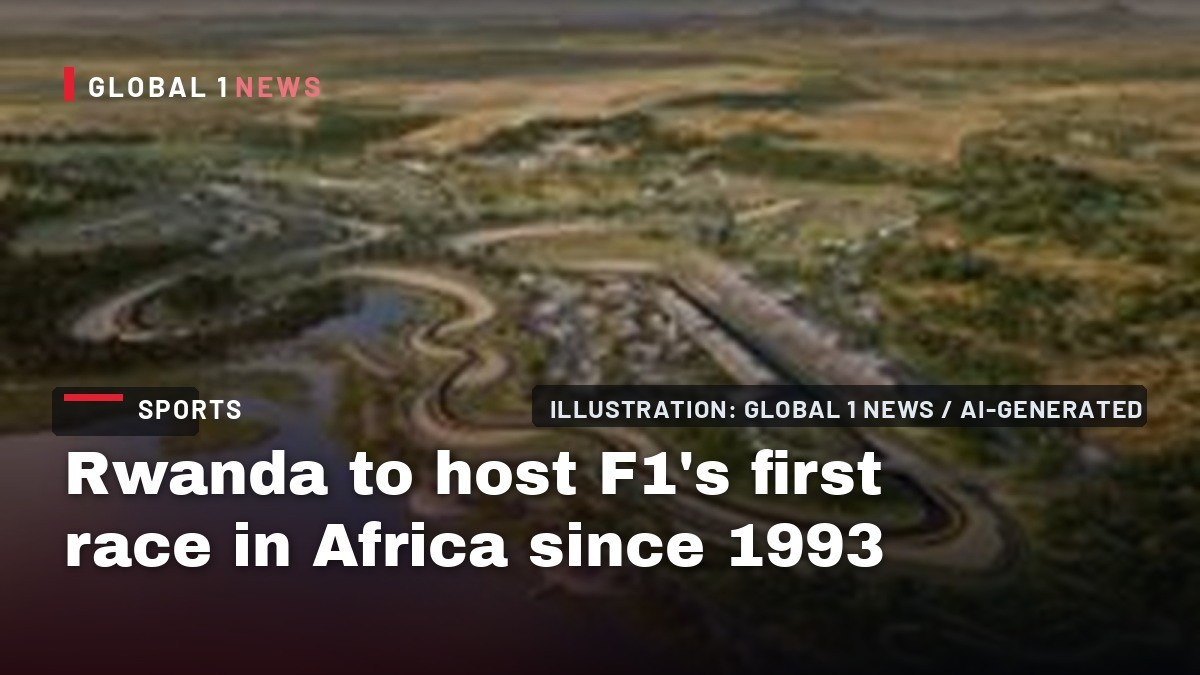
The new circuit, designed with former driver Alex Wurz, will weave through Rwanda’s undulating terrain, offering elevation changes of nearly 200 metres. This natural flow is intended to challenge drivers and provide a spectacular backdrop for African fans, many of whom have long awaited the sport’s return since the last race on the continent in 1993. The event, slated for the early 2030s, will be positioned outside Rwanda’s main rainy season of March to May, likely avoiding the shorter October‑November showers.
For Kagame, the race is more than a sporting spectacle; it is a strategic lever to attract tourism, investment and global attention. He described the agreement as a long‑overdue partnership that would benefit “every Rwandan,” echoing the sentiment that hosting world‑class events can catalyse broader economic development.
Rwanda’s growing sports portfolio
Rwanda has already positioned itself as a hub for international sport. Since 2021 the country has hosted the Basketball Africa League finals almost every year and, in the previous year, staged the World Road Cycling Championships – the first time that event took place on African soil. The nation’s tourism board, Visit Rwanda, has also linked its brand to European football powerhouses, sponsoring Arsenal until this year and later becoming the front‑of‑shirt sponsor for Aston Villa.
These partnerships illustrate a deliberate policy of leveraging sport to raise Rwanda’s profile. The F1 contract fits neatly into this pattern, promising a “lasting legacy” that the FIA hopes will inspire a new generation of African engineers, mechanics and drivers, as noted by former drivers such as Axcil Jefferies, who said the race will highlight the scale of the motorsport industry.
Human‑rights concerns and the sportswashing debate
Critics argue that the Grand Prix could distract from Rwanda’s troubling human‑rights record. Amnesty International’s Felix Jakens described the ten‑year Grand Prix as a “sportswashing prize” for the authorities, while Human Rights Watch has warned that space for freedom of expression and political autonomy is shrinking. The Democratic Republic of Congo has even taken Rwanda to the International Court of Justice over alleged treaty breaches covering genocide prevention, racial discrimination, women’s rights and torture.
Rwanda’s officials have dismissed these accusations as distractions. Chief tourism officer Irene Murerwa, speaking in December 2024, framed the race as part of “amazing and outstanding achievements” and insisted that benefits would “trickle down to every Rwandan.” The government’s narrative stresses development over dissent, a stance that fuels the ongoing debate about whether sport can be separated from politics.
F1’s own stance on human‑rights
The sport’s governing body, the FIA, has pledged to respect internationally recognised human‑rights standards in its global operations. Its charter explicitly calls for monitoring potential impacts and engaging with stakeholders. In the wake of the Rwandan announcement, the FIA issued a statement about the opportunity to inspire 100 million Africans, while acknowledging the need for sport to be a positive force.
Nonetheless, the FIA’s history includes other controversial venues, most notably Saudi Arabia, where similar accusations of sportswashing have arisen. The tension between commercial expansion and ethical responsibility remains a central challenge for F1 as it seeks to broaden its footprint across Africa.
Regional ambitions and competition
South Africa, which once hosted 23 Grand Prix races between 1962 and 1993, is keen to regain a place on the calendar. Sports minister Gayton McKenzie has publicly praised Rwanda’s progress, suggesting that South Africa “deserves” a race and may secure one even before 2030. This reflects a broader continental rivalry, as nations vie for the prestige and economic boost that a Formula 1 event can bring.
The timing of the African Grand Prix within the F1 season remains undecided, but organisers will need to balance climate considerations with the sport’s commitment to a maximum of 24 races per year. The calendar slot could influence how other African aspirants position their bids in the coming years.
Potential impact on African motorsport talent
Historically, African drivers have had to leave the continent to pursue their careers. Jody Sheckter remains the sole African World Champion, winning in 1979. Former drivers like Alex Wurz and current racers such as Axcil Jefferies see the Rwanda race as a catalyst for local talent development, offering visibility for engineers, mechanics and aspiring drivers.
South African presenter Kriya Gangiah highlighted the race’s potential to attract more female fans and participants, noting that increased representation can inspire girls to engage with the sport. If the event succeeds in creating pathways for African youth, it could mark a turning point for the continent’s presence in the global motorsport arena.
Looking ahead: legacy or liability?
Rwanda’s ten‑year Grand Prix contract promises a high‑visibility platform that could accelerate tourism, infrastructure and youth engagement. Yet the same contract also amplifies scrutiny of the nation’s governance record. As the early 2030s approach, the race will become a litmus test for how sport, politics and development intersect on the African continent.
Whether the African Grand Prix will be remembered as a landmark that opened doors for a new generation of African motorsport professionals, or as a glossy veneer that obscured deeper human‑rights concerns, will depend on how both the Rwandan authorities and the global motorsport community navigate the delicate balance between ambition and accountability.
This article was produced with AI-assisted research and editorial support. Reporting is based on the source material cited below. Sources: BBC News Africa; bbc.co.uk; Global1.News (16 October 2026).
By Amara Diop, Staff Writer
What's Your Reaction?
 Like
0
Like
0
 Dislike
0
Dislike
0
 Love
0
Love
0
 Funny
0
Funny
0
 Wow
0
Wow
0
 Sad
0
Sad
0
 Angry
0
Angry
0

West Africa/Sahel Correspondent at Global1.News. Dakar-based journalist covering politics, security, climate, and development across Francophone and Anglophone West Africa. Tells the stories of a region undergoing profound transformation.













Comments (0)