
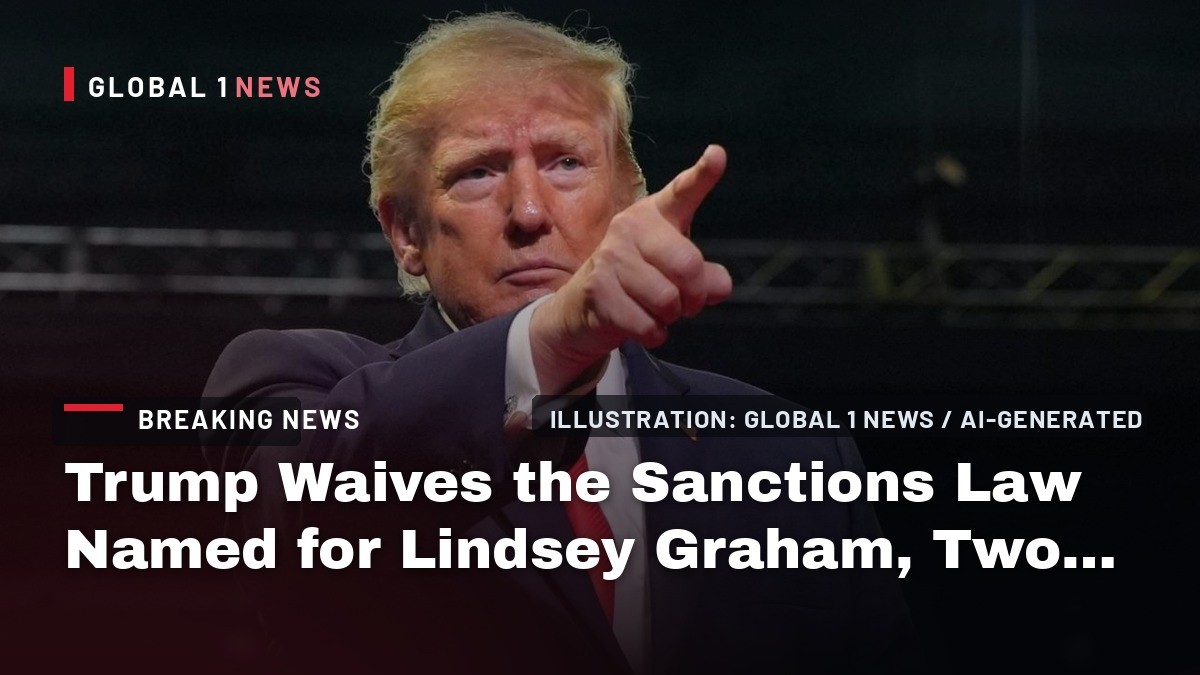
Trump Waives the Sanctions Law Named for Lindsey Graham, Two Days Before It Took Effect
President Trump signed an executive order waiving the sanctions and tariffs in the Lindsey O. Graham Sanctioning Russia and Iran Act two days before they were to take effect, citing the national interest as bipartisan lawmakers demanded he enforce the law instead.
A law named for a dead senator. Signed by the president. Gutted by the same president two days before it was set to bite. The Lindsey O. Graham Sanctioning Russia and Iran Act of 2026 was supposed to take effect Sunday, October 18. It did not get the chance.
Trump Waives the Sanctions Law Named for Lindsey Graham, Two Days Before It Took Effect
WASHINGTON — The order came Friday evening, signed by the same hand that signed the law four weeks earlier. It waives the sanctions, restrictions and duties in the Graham Act. It invokes section 115, the provision that lets a president set the law aside if he certifies to Congress that doing so is in the national interest. The president certified exactly that.
A Waiver Signed Two Days Before It Mattered
The executive order is titled "Implementing the Lindsey O. Graham Sanctioning Russia and Iran Act of 2026." It is dated October 16, 2026. In its first section, the president states plainly: "On September 18, 2026, I signed the Graham Act into law." Then it does what the title does not say. It waives the application of the sanctions, restrictions and duties the law provides for. The order says the president submitted a certification to Congress that the waiver "is in the national interests of the United States." It also says a report explaining the basis for that certification went to the Hill. The measures were due to take effect on Sunday, October 18. The waiver landed Friday evening, two days before that date. The order does not explain, in its text, how the waiver serves the national interest. It asserts the certification and moves on.
What the Graham Act Actually Required
The law was not a symbolic resolution. It required sanctions on Russian officials, on senior figures in the Russian government including Vladimir Putin, on banks and other financial institutions, and on Russia's "shadow fleet" of tankers used to dodge existing sanctions, the BBC reported. It required tariffs of up to 500 percent on Russian goods; the executive order fixes the rate at 500 percent ad valorem. It required tariffs of up to 100 percent on the five biggest buyers of Russian crude oil and gas and on the five countries doing the most to help Russia evade oil sanctions. Reuters reported the law would have imposed tariffs of up to 100 percent within 30 days on all goods brought into the United States from the five largest importers of Russian crude oil or gas, and on any country that knowingly bought Russian oil or gas 30 days after enactment. It also extended the Iran Sanctions Act to 2031.
The Diesel Deal That Came First
One week before the waiver, on October 9, the president announced a deal with Vladimir Putin under which Russia would supply diesel. He said Russia would "immediately" supply more than 300,000 metric tons, an additional 500,000 tons in November, one million tons "immediately thereafter," and then 3,000,000 tons "within a short period of time." The Treasury Department announced it would temporarily waive sanctions on Russia's energy sector to "allow the supply of Russian diesel to the global market." Asked about Russia using the proceeds for weapons, the president said: "Nobody's telling me anything. That's a diesel deal. Not for us. That's being released into the world. That's not being released to us. That's a diesel deal that's going to be released into the world for the world market, because the world market suffered with high prices."
Twelve Senators Put It in Writing
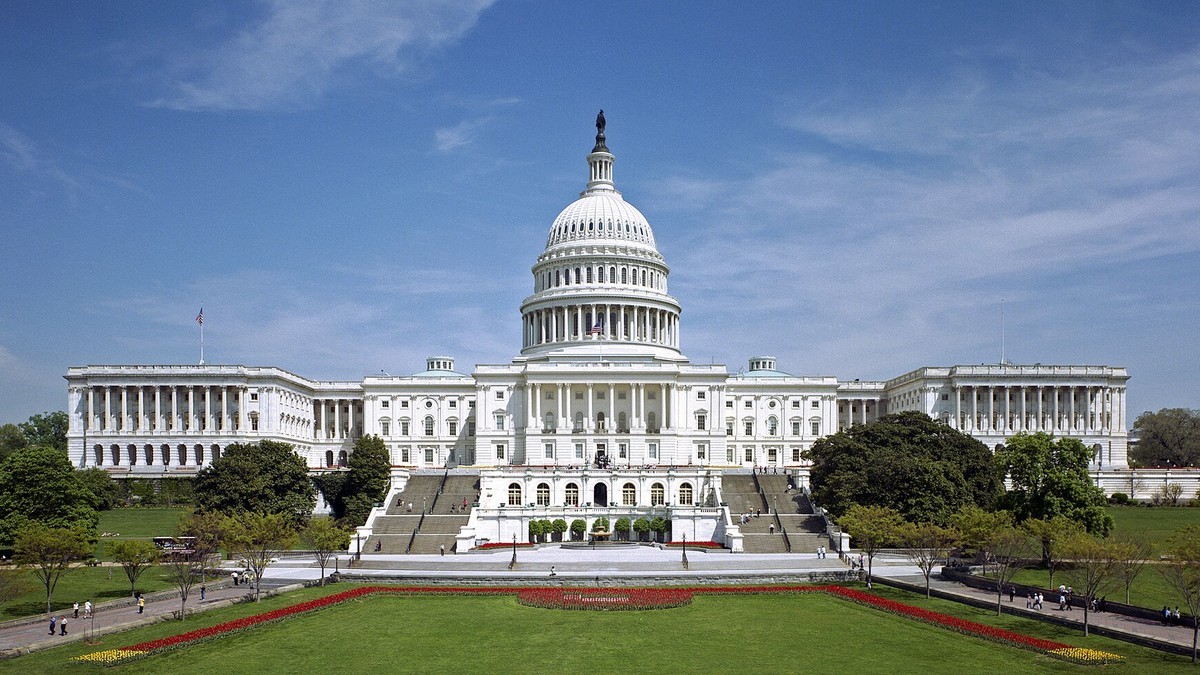
On Tuesday, October 13, twelve senators — six Republicans and six Democrats — wrote to the president. They urged him to rescind the diesel agreement and to implement the sanctions the Graham Act authorized. "Granting Moscow the ability to sell Russian diesel freely in global markets damages American security interests and is a betrayal of the people of Ukraine, who continue to defend themselves from Putin's murderous, illegal war," they wrote. "This deal is a gift to our adversary and a betrayal of our Allies; it should be rescinded." They wrote that "Putin is a tyrant." They argued Russian diesel would have "a negligible impact on fuel prices" and that revenues would "undoubtedly finance its desired war of attrition and advance its security cooperation with China, Iran, and North Korea." The letter was copied to Treasury Secretary Scott Bessent and Secretary of State Marco Rubio.
A Congress That Thought It Had a Deal
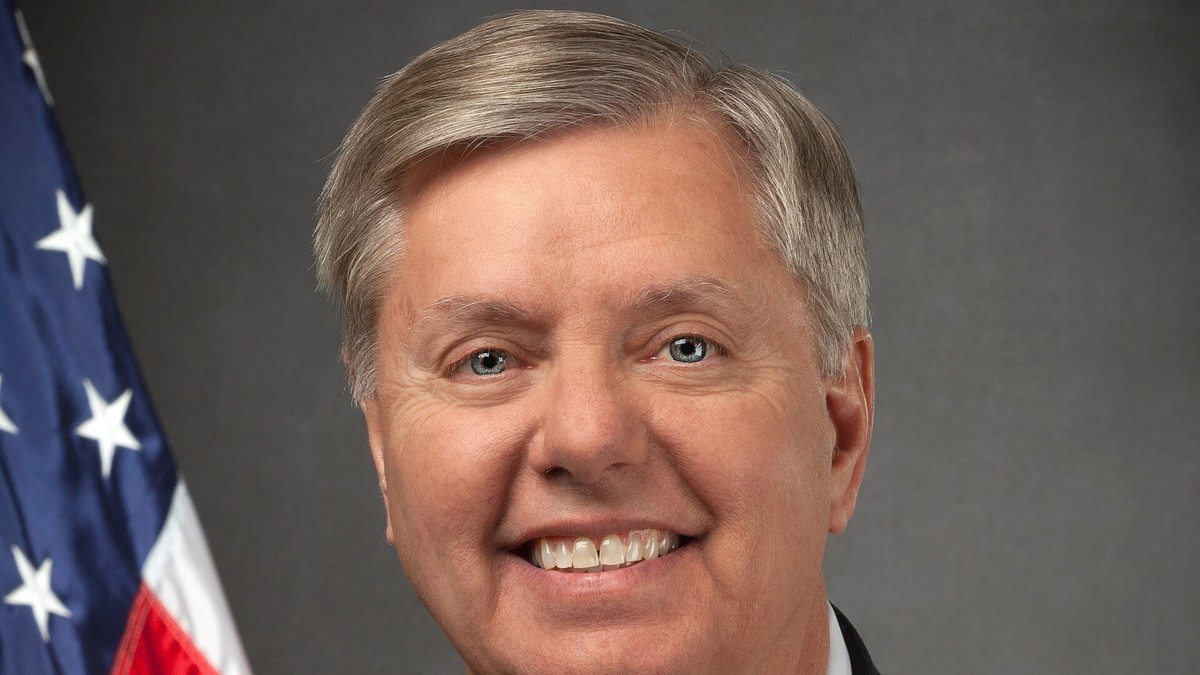
Two days later, the pressure grew. On Thursday, a bipartisan group of 20 lawmakers issued a letter calling on the president to respect the new law, the BBC reported. They thanked him for signing the bill and urged his "full and faithful implementation" of it. They said the law would be "decisive in forcing Putin to take peace talks seriously" and called on the administration "to apply the Graham law's sanctions to their fullest extent and without delay." The legislative history explains why the ask carried weight. The bill was introduced on April 1, 2025, by South Carolina Republican Lindsey Graham and Connecticut Democrat Richard Blumenthal. It gathered 84 Senate cosponsors. Graham died in July. The Senate passed the revised bill, renamed for him, 86 to 11 on August 7 — more than the two-thirds needed to override a veto. The House approved it in September. The president signed it in the Oval Office on September 18.
The Price Argument
The order does not rest on a public price argument. It cites the national interest and stops there. Reuters reported the new measures could have risked raising oil prices further weeks before the midterms, while Americans already face increased costs largely attributed to the US-Israeli war on Iran, analysts have said. Investing.com reported the waiver averted potential trade disputes with major Russian energy customers including China, India and Turkey, which could have faced substantial US tariffs. That is the trade-off described by outlets covering the decision. It is not the reasoning the White House put its name to. The order says the certification was submitted and the report provided. It does not walk through the case. Critics filled the gap. Rep. Don Beyer, a Virginia Democrat, said in a statement: "Trump's latest surrender to Putin again betrays our Ukrainian partners and defies clear congressional intent of legislation designed to punish Russia for its illegal war of aggression."
What the Waiver Leaves Standing
The order is specific about what it switches off. Section 4(a) waives "the application of any duties provided for in sections 112 and 113 of the Graham Act or this order." Section 4(b) waives the sanctions in section 102(d) with respect to foreign persons. Section 4(c) waives sections 102(a), 102(e), 103, 104, 105, 106, 107, 108, 109, 110, 111 and 117. Section 117 was the law's central bargain: sanctions could be lifted for good only if Russia "signed a peace agreement that is accepted by the free and independent Government of Ukraine" and ended hostilities. The order does not repeal the law. It waives application of those provisions, and the waivers "shall remain in effect until such time as the President or the Secretary of State, in consultation with the Secretary of the Treasury and the Trade Representative, as appropriate, determine that further action is appropriate." The order preserves earlier Russia sanctions issued under the national emergency continued on March 24, 2026 (91 Fed. Reg. 15515).
China, India and the Tariff That Never Landed
The law largely took aim at the world's largest buyers of Russian oil and gas, including China, India and Turkey, CBS reported. The European Union has historically purchased large quantities of Russian gas but has cut imports significantly in recent years. China and India are among the biggest buyers of Russian oil and had raised concerns about the bill, Reuters reported. Beijing said it "consistently opposed long-arm jurisdiction that lacks a basis in international law." India warned Washington that new tariffs could impact bilateral ties. The order means those tariffs do not land on Sunday. It does not mean the lists are settled. Which countries sit on the top-five importer list and the top-five facilitator list is for the trade representative to determine, in consultation with State, Treasury and Energy. The order directs monitoring and reporting. It names no country.
The Timing, Two Weeks Out
The midterm elections are November 3, about two and a half weeks after the waiver. Republicans are battling to maintain their narrow grip on both chambers of Congress, Reuters reported. The political calendar is not mentioned in the order. It does not need to be. The sequence is on the record: the diesel deal on October 9, the senators' letter on October 13, the larger bipartisan letter on October 15, the waiver on the evening of October 16, and the effective date of October 18. Reuters also reported a related headline: "US invites Putin to December G20 meeting, possible Trump summit." POLITICO reported the president signed the bill into law last month, "culminating a more than one-year-long effort spearheaded by the legislation's namesake." The namesake died in July. The funeral at Washington National Cathedral was on July 28.
Sunday Comes Anyway
Sunday will arrive. The 500 percent duties will not. The 100 percent duties on the five largest importers of Russian oil and gas, for new purchases on or after October 18, will not. The 100 percent duties on the top five sanctions-evasion facilitators will not. The sanctions provisions listed in section 4(c) will not apply, including the section 117 bargain that tied permanent relief to a peace agreement accepted by Ukraine's government and an end to hostilities. The White House did not immediately explain how the waiver serves the national interest, Deutsche Welle reported. The Kremlin has not commented on the waiver. The Ukrainian government has not issued a statement on it. Zelensky's remark that he felt "betrayed" was about the diesel deal, and he said it before the waiver landed. The law is still on the books. The waiver can be reversed. It was signed on a Friday evening, two days before it mattered.
By Jessica Ali, Staff Writer
This article was produced with AI-assisted research and editorial support. Sources: the White House executive order of October 16, 2026; Reuters; BBC News; CBS News; The Guardian; POLITICO; The Hill; Associated Press; Deutsche Welle; NPR.
What's Your Reaction?
 Like
0
Like
0
 Dislike
0
Dislike
0
 Love
0
Love
0
 Funny
0
Funny
0
 Wow
0
Wow
0
 Sad
0
Sad
0
 Angry
0
Angry
0

Editor-in-Chief at Global1.News. Atlanta-based journalist who cuts through the BS and tells it like it is. Lead anchor, host, and the voice you hear when the spin stops and the truth starts.












Comments (0)