
Zaldy Co’s bagmen, Baligod arrested for unjust vexation
The recent arrest of fourteen alleged bagmen linked to former Zambales Representative Zaldy Co, along with their counsel Levi Baligod, has reignited public concern over the intersection of politics, cybercrime legislation and the everyday lives of ordinary Filipinos.
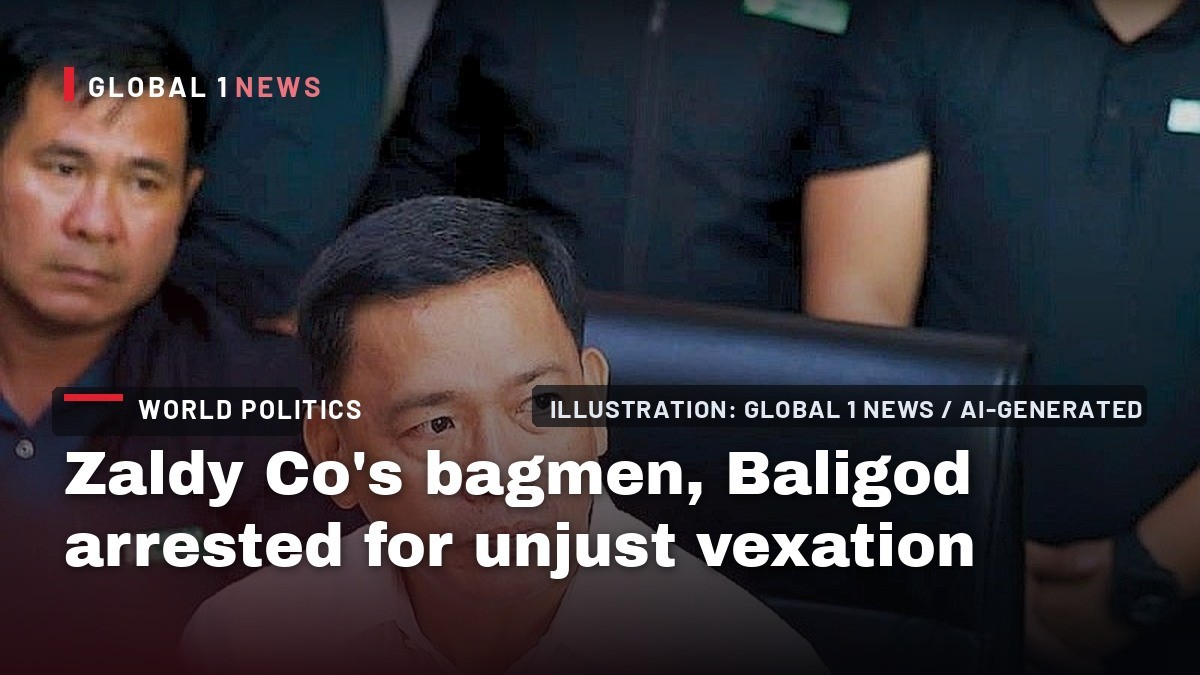
The recent arrest of fourteen alleged bagmen linked to former Zambales Representative Zaldy Co, along with their counsel Levi Baligod, has reignited public concern over the intersection of politics, cybercrime legislation and the everyday lives of ordinary Filipinos. The arrests, ordered by Judge Santiago Beltran Jr. of the Iba Regional Trial Court, were carried out at the San Juan Hall of Justice on a Friday morning, underscoring how legal battles once confined to the corridors of power can suddenly spill into the streets of barangays across the nation.
Background of the case
The court’s warrant, issued on September 23, targets a roster of twenty‑one individuals, including the lawyer Baligod and a mix of alleged “bagmen” who have been dubbed the “Brave 14.” The charges allege “unjust vexation” in relation to the Cybercrime Prevention Act of 2012, a law that has become a frequent tool in political and legal skirmishes. While the source of the complaint remains unclear, the inclusion of the Cybercrime Act signals that the alleged offenses involve digital communications, possibly online statements that were deemed defamatory or harassing.
These arrests come at a time when the Philippines continues to grapple with the balance between protecting reputations online and safeguarding freedom of expression. For many Filipinos, especially those in remote provinces, the legal jargon and procedural nuances can feel distant, yet the outcomes reverberate through local communities where political patronage and public service intersect.
The “Brave 14” and their legal predicament
The group of alleged bagmen arrived at the San Juan Hall of Justice to attend a hearing on separate cyber‑libel cases. Their presence there suggests they were already entangled in legal proceedings related to online speech, a reminder that the digital realm is now a battleground for political accountability. When the arrest warrant was executed at around 9:30 a.m., all fourteen were taken into custody, highlighting how quickly a routine court appearance can turn into a dramatic detention.
According to the court record, the individuals named include Bernard Tube, Rosebert Waupan, Johny Buduan, Rodante Orbillo, Reyneboy Julian, Christopher Esquivel, George Villalon Jr., Romeo Rommel Bobares, Gil Navidad Jr., Anselmo Taberdo, Joely Cadiao, Rommel Galapon, Cecilio Larroder Jr., Bernard Gumban, Crisanie Dado, Fidel Corpuz, Walter Manalansan and Benny Bulontate, among others. Their collective label as “bagmen” hints at alleged involvement in the distribution of cash or favors, a term often associated with political patronage networks.
Partial releases and lingering detention
Later that same afternoon, the lawyer Baligod and four of the bagmen were released, indicating that the court may have found procedural gaps or insufficient evidence for those individuals. However, ten members of the “Brave 14” remained behind bars because they failed to complete the necessary release documents within office hours. This procedural snag underscores how bureaucratic details can prolong detention, even when the underlying allegations remain contested.
For the families of those still detained, the situation is more than a legal inconvenience; it translates into missed work, disrupted schooling for children, and the emotional strain of uncertainty. In many barangays, the loss of a wage‑earner even for a few days can ripple through the household budget, affecting everything from rice purchases to school fees.
Allegations of flood‑control kickbacks
Complicating the narrative, four of the accused—Tube, Waupan, Bulontate and Larroder Jr.—had previously filed affidavits in July asserting that accusations of kickbacks tied to flood‑control projects were unfounded. Their statements claim that over thirty government officials were wrongly implicated in a scheme involving illicit payments for flood‑control works, a sector that directly impacts the safety and livelihood of countless Filipinos living in flood‑prone areas.
If these allegations are true, they point to a broader pattern of corruption that can exacerbate the vulnerability of communities during the rainy season. Conversely, the denial of such claims by the accused bagmen adds another layer of complexity, leaving ordinary citizens to wonder who to trust when public officials and their alleged associates are at odds.
Implications for the Cybercrime Prevention Act
The use of the Cybercrime Prevention Act as the legal basis for the unjust vexation charge raises questions about the law’s reach. Enacted in 2012, the act was intended to combat online threats, but its provisions have been invoked in a range of cases, from defamation to alleged harassment. Critics argue that the law can be wielded to silence dissent, while supporters contend it is essential for protecting individuals from digital abuse.
In this instance, the lack of clarity about who filed the case and the specific nature of the alleged vexation leave room for speculation. Nevertheless, the episode serves as a reminder that the law’s application can have tangible effects on people’s daily lives, especially when it intersects with political patronage and local power dynamics.
Community response and the role of the justice system
Local reactions to the arrests have been mixed. Some residents view the detention of the alleged bagmen as a necessary step toward accountability, especially given the lingering rumors of kickback schemes that could have compromised flood‑control projects. Others fear that the arrests may be politically motivated, a tactic to suppress allies of former Representative Co or to settle scores within the provincial power structure.
The Philippine justice system, represented here by Judge Beltran Jr. and the Regional Trial Court, finds itself at the center of this tension. While the court’s authority to issue arrest warrants is clear, the transparency of the process—particularly the anonymity of the complainant—has prompted calls for greater openness. For many Filipinos, confidence in the legal system hinges on seeing that justice is administered fairly, without hidden agendas.
Looking ahead: what this means for ordinary Filipinos
As the legal saga unfolds, the broader impact on everyday Filipinos remains a pressing concern. The alleged involvement of public officials in flood‑control kickbacks touches directly on community safety during the monsoon season, while the use of cyber‑crime statutes highlights the growing importance of digital literacy and the need for clear guidelines on online speech.
For the families of the detained bagmen, the immediate priority is securing their release and ensuring that due process is observed. For the wider public, the case serves as a reminder to stay vigilant about how political patronage can intersect with legal mechanisms, potentially affecting everything from local infrastructure projects to the ability to speak freely on social media. As the nation watches the courts’ next moves, the hope is that justice will be served in a manner that upholds both the rule of law and the democratic values that many Filipinos hold dear.
This article was produced with AI-assisted research and editorial support. Reporting is based on the source material cited below. Sources: Philstar.com; Global1.News (17 October 2026).
By Bella Reyes, Staff Writer
What's Your Reaction?
 Like
0
Like
0
 Dislike
0
Dislike
0
 Love
0
Love
0
 Funny
0
Funny
0
 Wow
0
Wow
0
 Sad
0
Sad
0
 Angry
0
Angry
0

Philippines/Southeast Asia Correspondent at Global1.News. Manila-based journalist covering Philippine politics, environment, maritime security, and social issues. Passionate about marine conservation and the communities protecting the Philippines' natural heritage.














Comments (0)