
Minor Food, Serruya Private Equity to acquire Bonchon
BANGKOK — In a move that signals Thailand's growing appetite for global food brands, Minor Food, the wholly owned subsidiary of Thai hospitality giant Minor International, is set to acquire the Korean fried chicken powerhouse Bonchon International alongside Serruya Private Equity (SPE). The deal, valued at US$50 million from Minor Food's side, is expected to close by the end of this month and will fundamentally reshape how the beloved crispy chicken brand operates across the globe.
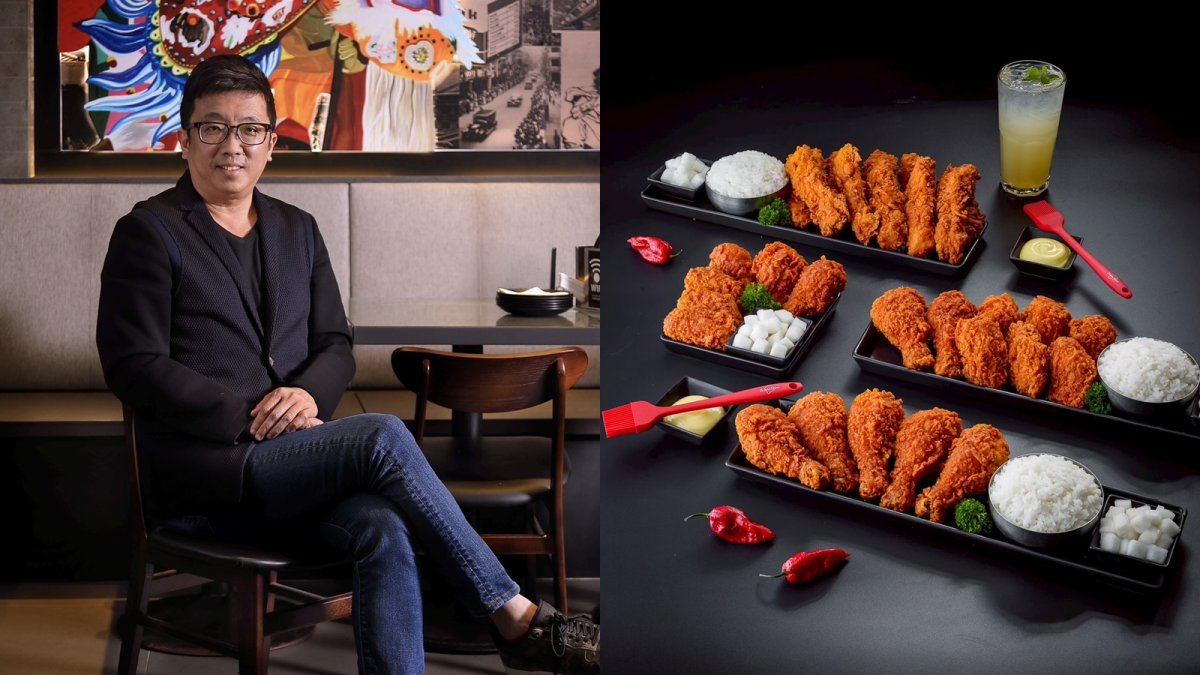
BANGKOK — In a move that signals Thailand's growing appetite for global food brands, Minor Food, the wholly owned subsidiary of Thai hospitality giant Minor International, is set to acquire the Korean fried chicken powerhouse Bonchon International alongside Serruya Private Equity (SPE). The deal, valued at US$50 million from Minor Food's side, is expected to close by the end of this month and will fundamentally reshape how the beloved crispy chicken brand operates across the globe. For Thai food lovers who have watched Bonchon flourish in Bangkok malls and neighbourhood streets, this acquisition marks a proud moment of Thai business leadership on the international culinary stage.
A Deal Built on Two Continents
The transaction is structured with surgical precision. Minor Food will invest US$50 million to take ownership of Bonchon's business globally outside the Americas, while Serruya Private Equity will own and operate the brand across the Americas. This division of territory means that after the deal closes this month, Minor Food will control Bonchon's operations in Asia and beyond, while SPE manages the lucrative North and South American markets.
For Minor Food, this represents a significant upgrade in status. The company currently serves as Bonchon's largest master franchisee by system-wide revenue, operating the brand in Thailand. After the acquisition, Minor Food transitions from being a franchisee to becoming the brand's owner across all markets outside the Americas. This is a classic case of a Thai company climbing the value chain — moving from renting a brand to owning it outright.
From Busan to Bangkok: Bonchon's Remarkable Journey
Bonchon's story began in Busan, South Korea, in 2002, when founder Jinduk Seo started selling his double-fried Korean fried chicken with proprietary sauces. The brand's distinctive cooking method — frying the chicken twice to achieve an extra-crispy exterior while keeping the meat juicy — quickly won devoted fans. In 2006, Bonchon opened its first US restaurant, and the brand has since grown into a franchise network of approximately 500 restaurants worldwide.
Today, Bonchon operates in nine key markets: the United States, Thailand, the Philippines, Vietnam, Myanmar, Taiwan, Laos, Cambodia and Malaysia. This footprint is heavily weighted toward Southeast Asia, a region where Korean culture has enjoyed immense popularity thanks to the Korean Wave, or Hallyu, which has swept through Thai society over the past two decades. From K-dramas to K-pop, and now K-fried chicken, Korean culinary culture has found a natural home in Thailand.
An Asset-Light Strategy with a Savory Twist
Minor Food's leadership has been clear about the strategic logic behind this acquisition. The company said the deal will strengthen its asset-light strategy by adding a scalable, franchise-based business that generates recurring income from royalties and sauce sales. This is a smart play for a company that already understands the economics of franchising deeply.
Bonchon operates its own sauce production facility, which has capacity for future expansion as its restaurant network grows. This vertical integration is particularly valuable — the proprietary sauces are the soul of the brand, and controlling their production ensures quality consistency across hundreds of franchise locations. For Minor Food, this means a steady stream of revenue not just from franchise fees but also from the sale of these signature sauces to franchisees worldwide.
The acquisition is expected to be immediately earnings-accretive for Minor Food, supported by Bonchon's franchise-led and royalty-driven business model. In plain terms, this deal should start adding to the bottom line from day one, without requiring heavy capital expenditure on restaurants or equipment.
A 30-Year Friendship: Minor and Serruya
This deal also deepens a relationship that spans more than three decades. Minor and Serruya Private Equity have been business partners for over 30 years, with SPE owning the Swensen's brand, which Minor operates in Thailand and other markets in the region. Swensen's, with its iconic ice cream sundaes and family-friendly atmosphere, has been a staple in Thai shopping malls for generations.
Michael Serruya, Chairman of SPE, said the partnership would support Bonchon's continued expansion in the Americas, citing the brand's customer base, differentiated products and franchise model. The trust built over three decades of working together on Swensen's clearly laid the groundwork for this more ambitious joint venture. For Thai consumers, this connection is a reminder that the ice cream parlour they visited as children is part of a much larger global business network.
The Thai Connection: A Love Affair with Korean Fried Chicken
For Thai readers, this deal hits close to home. Bonchon has become a familiar sight across Thailand, from bustling Bangkok shopping districts to provincial towns in the Isaan region. The brand's success in Thailand reflects a broader Thai appetite for Korean cuisine that has grown exponentially alongside the popularity of Korean pop culture.
Minor Food CEO Dellen Soh said the company already has a strong understanding of Bonchon through its experience operating the brand in Thailand and will focus on supporting franchisees and partners while expanding into existing and new markets. This local knowledge is invaluable — Thai consumers have specific preferences when it comes to flavour profiles, spice levels and dining experiences, and Minor Food has learned how to cater to these tastes while maintaining the brand's Korean authenticity.
The acquisition also speaks to the resilience of Thailand's food service industry. Despite economic headwinds and changing consumer behaviours, the demand for quality fried chicken remains robust. Thai families, office workers and students have embraced Bonchon as a go-to option for both casual meals and celebratory gatherings, often pairing the crispy chicken with som tam and sticky rice for a fusion of Korean and Thai flavours.
Why This Matters for Thai Business and the Region
This acquisition is more than just a corporate transaction — it is a signal of Thailand's growing confidence as a player in the global food and beverage industry. Minor International, founded by Thai billionaire William Heinecke, has long been a trailblazer in the region's hospitality sector, with a portfolio that includes Anantara hotels, The Pizza Company and Thai Express. This Bonchon deal adds another international brand to the family and demonstrates that Thai companies can successfully own and operate global franchises, not just manage them locally.
For the ASEAN region, the implications are significant. Minor Food's ownership of Bonchon outside the Americas means that decisions about the brand's future in Southeast Asia will be made in Bangkok, not in New York or Seoul. This could lead to faster expansion in regional markets, more tailored marketing campaigns for Southeast Asian consumers, and potentially more opportunities for local franchisees and suppliers.
The deal also highlights the growing economic ties between Thailand and South Korea. As Korean investment in Thailand continues to grow — from automotive manufacturing to entertainment and now food — this acquisition represents a two-way street where a Thai company is taking a leading role in a Korean brand's global expansion. It is a testament to the maturity of Thailand's business ecosystem and its ability to compete on the world stage.
Looking ahead, Thai consumers can expect to see Bonchon continue to grow and innovate under Minor Food's stewardship. The company's track record with brands like The Pizza Company and Swensen's suggests that it knows how to nurture and expand food brands in ways that resonate with local tastes while maintaining international standards. For the thousands of Thais who work in the food service industry, this deal could mean new opportunities for growth, training and career advancement as Bonchon expands its footprint across the region.
As the August 2026 closing date approaches, all eyes will be on how Minor Food integrates Bonchon into its portfolio and whether it can replicate its success in Thailand across other Asian markets. If the past is any guide, the future looks deliciously promising.
By Ann Srisawat, Staff Writer
This article was produced with AI-assisted research and editorial support. Sources: Khaosod English.
What's Your Reaction?
 Like
0
Like
0
 Dislike
0
Dislike
0
 Love
0
Love
0
 Funny
0
Funny
0
 Wow
0
Wow
0
 Sad
0
Sad
0
 Angry
0
Angry
0

Southeast Asia Correspondent at Global1.News. Based in Bangkok, covering Thai and Southeast Asian politics, economy, technology, and culture. Deep regional perspective on one of the world's most dynamic regions.














Comments (0)