
Migrants in Mexico Fear Trump Deportation and CBP One Cuts
As Donald Trump settles into his second term as U.S. president, the immigration enforcement machinery he promised on the campaign trail is moving into high gear — and nowhere is that more acutely felt than in the migrant shelters, border colonias, and dusty northern highways of Mexico.
As Donald Trump settles into his second term as U.S. president, the immigration enforcement machinery he promised on the campaign trail is moving into high gear — and nowhere is that more acutely felt than in the migrant shelters, border colonias, and dusty northern highways of Mexico. A recent DW News report titled "Migrants in Mexico fear Trump anti-immigration measures" captures the dread spreading through Tijuana's shelter corridors as families from Central America, Venezuela, and Haiti weigh the collapse of their last legal pathway to asylum in the United States.
Migrants in Mexico Fear Trump Deportation Plans as Sheinbaum Administration Scrambles for a Response
Tijuana, Baja California – Mexico, July 20 — The DW News report shows lines of people who crossed into Mexico earlier this year and now worry they will lose access to CBP One, the mobile app that offers the only scheduled asylum appointments at official U.S. ports of entry. Without it, many fear they will be forced into riskier attempts or remain indefinitely stranded in Mexican border cities already buckling under the pressure.
Video Report Captures Rising Anxiety Among Stranded Migrants
In the DW News video, families describe their dread that the CBP One app will be withdrawn after Donald Trump begins his second term in January. The report features migrants from Central America and Venezuela who crossed into Mexico earlier this year and now worry they will lose their only legal pathway to request asylum at official ports of entry.
The video underscores a broader trend: as Trump's deportation pledges harden into policy, the human cost is already visible in Mexican shelters, where occupancy rates are beginning to climb again after months of decline.
Tijuana Shelters Brace for New Surge Under Mass Deportation Plans
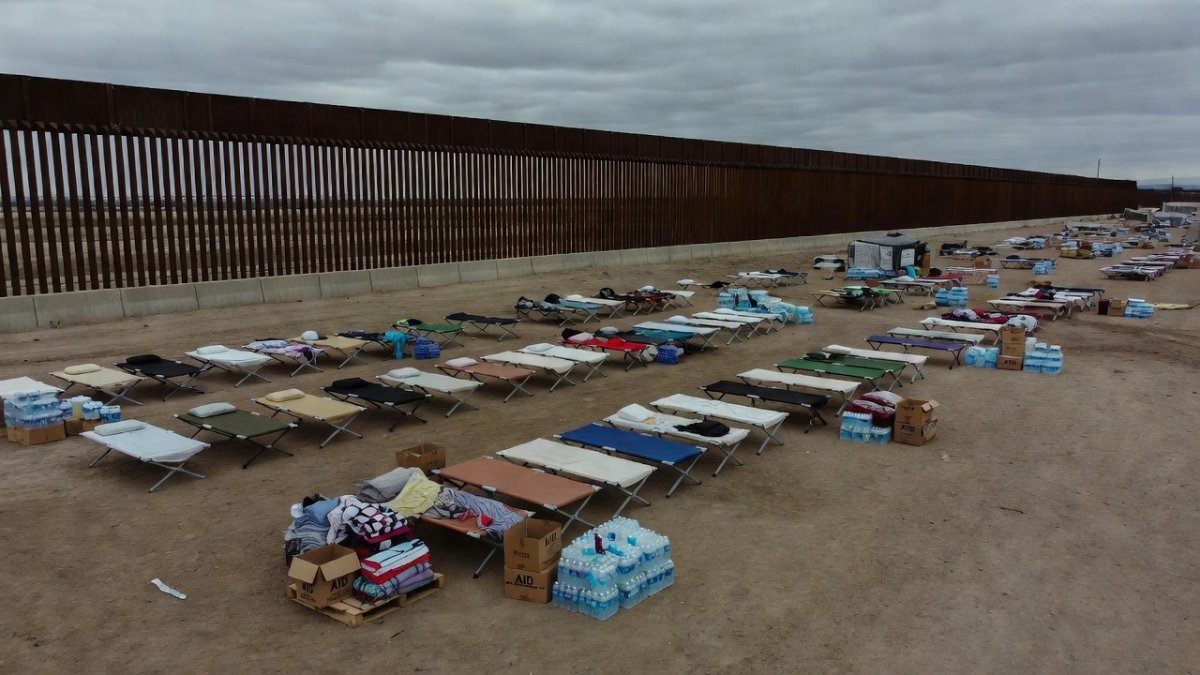
Migrant shelters in Tijuana have already begun stockpiling mattresses and food supplies in anticipation of a possible reversal in falling migrant numbers once the Trump administration accelerates removals. Staff at facilities near the Otay Mesa crossing report that current occupancy sits at 60 percent, but they expect that figure to climb quickly if the administration moves forward with proposals to return all border crossers to Mexico regardless of nationality.
Local operators note that many of the 2025 arrivals came from Venezuela and Haiti and have no family ties in Mexican border colonias, making sudden returns especially disruptive for those households.
Expansion: In Tijuana, facilities like El Ágape, which normally houses up to 180 migrants in its downtown compound, already report 142 residents sleeping on cots and floor mats as of late January, while Casa del Migrante on the eastern edge of the city has filled its 320-bed capacity and turned away 47 families last week alone. Juventud y Esperanza, a smaller shelter focused on unaccompanied minors and young mothers, holds 95 residents against a licensed limit of 110, with staff noting a steady trickle of Central American and Haitian nationals who crossed back after failed U.S. entries. Across Mexico's northern border cities, roughly 68,000 migrants remain stranded according to the latest count from the Mexican Commission for Refugee Assistance (COMAR), with Tijuana accounting for nearly 19,000 of that total. President Claudia Sheinbaum's administration has directed the Instituto Nacional de Migración (INM) to activate contingency reception centers in Baja California and Sonora, allocating an additional 420 million pesos for temporary housing and medical screening, though local officials in Tijuana warn that existing water and sanitation infrastructure cannot absorb another sudden influx of several thousand deportees per month.
Mexico Issues Formal Request Over 17 Deaths in ICE Custody
On July 15-16 2026, Mexico's Secretaría de Relaciones Exteriores (SRE) formally asked attorneys general in several U.S. states to investigate the deaths of 17 Mexican nationals in ICE custody since the current enforcement wave began. Fourteen of those deaths occurred inside detention facilities and three took place during enforcement operations, according to the diplomatic note delivered to Washington.
The SRE action follows months of pressure from families in states such as Michoacán and Guerrero who lost relatives after they were detained near the Arizona border. The foreign ministry has indicated a similar request will also be sent to the U.S. Department of Justice, though Washington is not legally obliged to act on the requests.
Since the current immigration crackdown began, 17 Mexican nationals have died in connection with ICE enforcement — a figure that human rights organizations in Mexico City and at the Palacio Nacional have described as deeply alarming. The deaths include Lorenzo Salgado Araujo, whose case drew particular attention from Mexican consular officials.
Remittances at Risk as Deportations Target Mixed-Nationality Groups
Mexico's economy depends on more than $63 billion in annual remittances sent from the United States, much of it from workers in construction and agriculture who send money to ejidos in Oaxaca and small businesses in Guadalajara. Trump administration proposals to deport anyone caught crossing the southern border to Mexico, regardless of nationality, could strand thousands of non-Mexican migrants in cities such as Reynosa and Matamoros and reduce the flow of dollars back to rural communities.
Economists at CONEVAL warn that even a 10 percent drop in remittances would push additional households below the poverty line in states already struggling with cartel-related violence.
Expansion: Remittances sent from the United States continue to anchor household economies in Michoacán, where families received 4.8 billion dollars last year, followed closely by Guerrero at 3.1 billion, Oaxaca at 2.9 billion, and Chiapas at 2.4 billion, according to Banco de México's most recent report that placed nationwide remesas at 63.3 billion dollars for the full calendar year. These flows represent between 12 and 18 percent of state GDP in those four entities and directly support small retail, construction, and agricultural supply businesses that would contract sharply if deportation numbers rise. Under the USMCA framework, Mexico's goods trade with the United States reached 475 billion dollars, yet the same cross-border labor networks that sustain formal commerce also channel informal remittance corridors. Analysts at the Bank of Mexico note that a 15 percent drop in monthly transfers could trim consumption in Guadalajara's artisan markets, Puebla's textile workshops, and the Estado de México's auto-parts suppliers by comparable margins within two quarters. Local chambers of commerce in those cities have already begun modeling scenarios in which reduced household spending leads to layoffs among the estimated 1.2 million micro-enterprises that depend on diaspora dollars for inventory and payroll.
Sheinbaum Administration Builds on Cartel Enforcement Successes
President Claudia Sheinbaum has received credit inside the Palacio Nacional for securing limited cooperation from the Trump team on cartel targets while avoiding the public confrontations that marked earlier periods. Her administration has increased SEDENA and Guardia Nacional patrols along the northern border without halting legal commerce at the main bridges in Ciudad Juárez and Nuevo Laredo. These steps have kept bilateral trade volumes steady even as enforcement rhetoric intensified in Washington.
At the same time, Sheinbaum's government has scored notable successes against the Sinaloa cartel in recent weeks, a development that has earned her high marks both in Mexican public opinion and in the country's financial markets. Her measured approach contrasts sharply with the more confrontational style of her predecessor, Andrés Manuel López Obrador, who frequently clashed with Trump over migration and trade issues.
CBP One App Elimination Would Close Main Legal Pathway
The CBP One mobile application currently allows migrants physically present in Mexico to schedule asylum interviews at eight U.S. ports of entry, processing roughly 1,450 appointments daily and requiring users to upload biometric data and proof of presence south of the border before a slot is granted. At its peak, the system processed more than 40,000 requests per month.
Expansion: Diplomatic talks between the Sheinbaum government and the Trump administration have centered on whether this digital queue will remain operational, with Mexican negotiators emphasizing that abrupt termination would eliminate the primary legal channel used by more than 420,000 individuals since its 2023 expansion. During the first Trump term, the Migrant Protection Protocols (Remain in Mexico) returned over 71,000 asylum seekers to Mexican border cities between 2019 and 2021, obligating Mexico to provide shelter and due-process access under that framework. Should those protocols be reinstated, Mexican authorities anticipate that alternatives would be limited to the existing asylum offices run by COMAR in Tapachula and Ciudad Juárez, plus a modest expansion of humanitarian parole categories that currently admit fewer than 300 Mexicans and Central Americans per month.
Border Czar Tom Homan has publicly defended plans to end the CBP One app, arguing it encourages illegal crossings, while ProPublica reporting has detailed internal White House memos that would redirect all returns to Mexican soil regardless of nationality. Without the app, migrants in Matamoros and other border towns would lose the only scheduled option for presenting protection claims, forcing many into informal tianguis economies while they wait for new rules.
Families in Border Colonias Face Immediate Daily Hardships
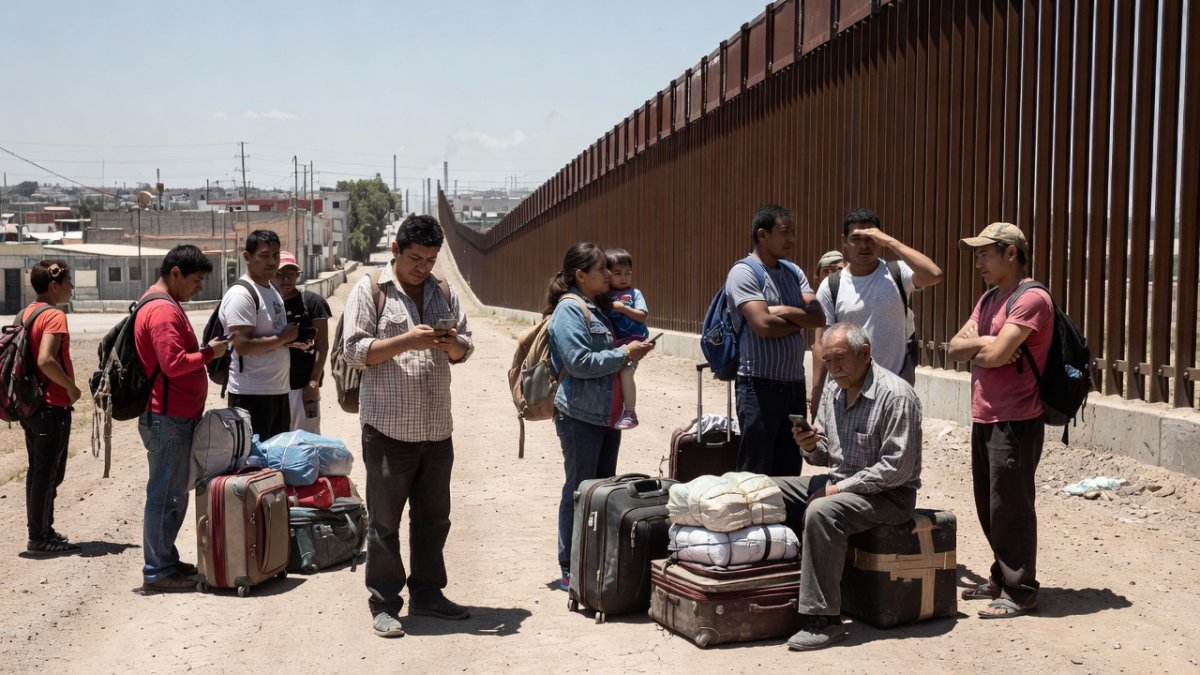
In the colonia near the Tijuana river canal, mothers who arrived from Honduras last spring now share single rooms with three or four children and rely on weekly food distributions from local churches. Teachers at nearby primary schools report that enrollment of migrant children has already begun to fluctuate as families weigh whether to move deeper into Mexico or attempt riskier crossings before stricter policies take hold. Healthcare workers at IMSS clinics in the same neighborhoods say they have seen a rise in stress-related visits from adults who fear separation from U.S.-based relatives if mass removals accelerate.
Expansion: In Ciudad Juárez's Anapra colonia, single mother María Elena Soto has spent the past four months shuttling her two children between a tent at the Casa del Migrante shelter and daily visits to the nearby INM office, where she awaits word on her pending humanitarian visa while relying on U.S.-funded meals provided through a USAID-supported nutrition program that serves 2,800 people weekly across Juárez and Matamoros shelters. Similar scenes unfold in Matamoros's low-lying riverbank neighborhoods, where extended families share one-room cinder-block homes without reliable electricity and depend on twice-weekly distributions of hygiene kits financed by the same State Department humanitarian account. The Instituto Nacional de Migración maintains a permanent presence at both cities' main processing centers, logging arrivals and coordinating with the Guardia Nacional, whose officers now patrol the Rio Grande levees and highway checkpoints under a renewed deployment order. These federal forces, alongside local civil-protection teams, have been tasked with managing any surge in family units returned from U.S. custody, though shelter directors report that current funding covers only 60 percent of projected needs if daily deportations exceed 1,200 people.
What to Watch For
The next several weeks will determine whether the Trump administration follows through on its most aggressive deportation proposals or negotiates a managed transition with the Sheinbaum government. The CBP One app's fate will be a key test — its elimination would signal the administration's intent to dismantle legal pathways entirely, while its survival under modified terms would indicate room for diplomatic maneuver. For the families waiting in Tijuana shelters, in Ciudad Juárez colonias, and in Matamoros riverbank settlements, the answer cannot come soon enough.
Mexico's congressional leadership, including the Morena majority in both the Cámara de Diputados and the Senado, will face pressure to allocate additional resources for reception infrastructure along the northern border. Meanwhile, human rights organizations and civil society groups across Mexico and the United States are preparing legal challenges to any policy that would return non-Mexican nationals to Mexican soil without their consent. The outcome of these parallel battles will define the shape of migration enforcement in North America for years to come.
By Rosa Martinez, Staff Writer
This article was produced with AI-assisted research and editorial support. Reporting is based on sources cited in the article.
What's Your Reaction?
 Like
0
Like
0
 Dislike
0
Dislike
0
 Love
0
Love
0
 Funny
0
Funny
0
 Wow
0
Wow
0
 Sad
0
Sad
0
 Angry
0
Angry
0

Latin America/Andes Correspondent at Global1.News. Based in Bogota, covering politics, environment, energy, and social movements across the Andean region. Passionate about environmental journalism and communities protecting their land.















Comments (0)