
Meta's US$16.68B Settlement Over Teen Social Media Harms: What It Means for Canada
In a recent CBC News report, the landmark US$16.68-billion settlement between Meta Platforms and 29 U.S. state attorneys general has raised pressing questions for Canadian families about what protections apply north of the border.
In a recent CBC News report, the landmark US$16.68-billion settlement between Meta Platforms and 29 U.S. state attorneys general has raised pressing questions for Canadian families about what protections apply north of the border. The deal, reached mid-trial in a California federal courtroom on Wednesday, resolves allegations that Facebook and Instagram were designed to be addictive to children — but the financial compensation is strictly for American users, leaving Canadian advocates to ask what Ottawa will do next.
Meta's US$16.68-Billion Settlement Over Teen Addiction Raises Questions for Canadian Families, Regulators
Toronto, Ontario — Wednesday — Meta Platforms has agreed to pay up to US$16.68 billion to resolve a landmark lawsuit brought by 29 U.S. state attorneys general, who alleged the company deliberately engineered Facebook and Instagram to be addictive to young users while misrepresenting the extent of child-related mental health harms. The settlement, announced mid-trial in a California federal courtroom, includes sweeping product changes that will affect Canadian teens as well — even though the monetary payout is strictly for U.S. states.
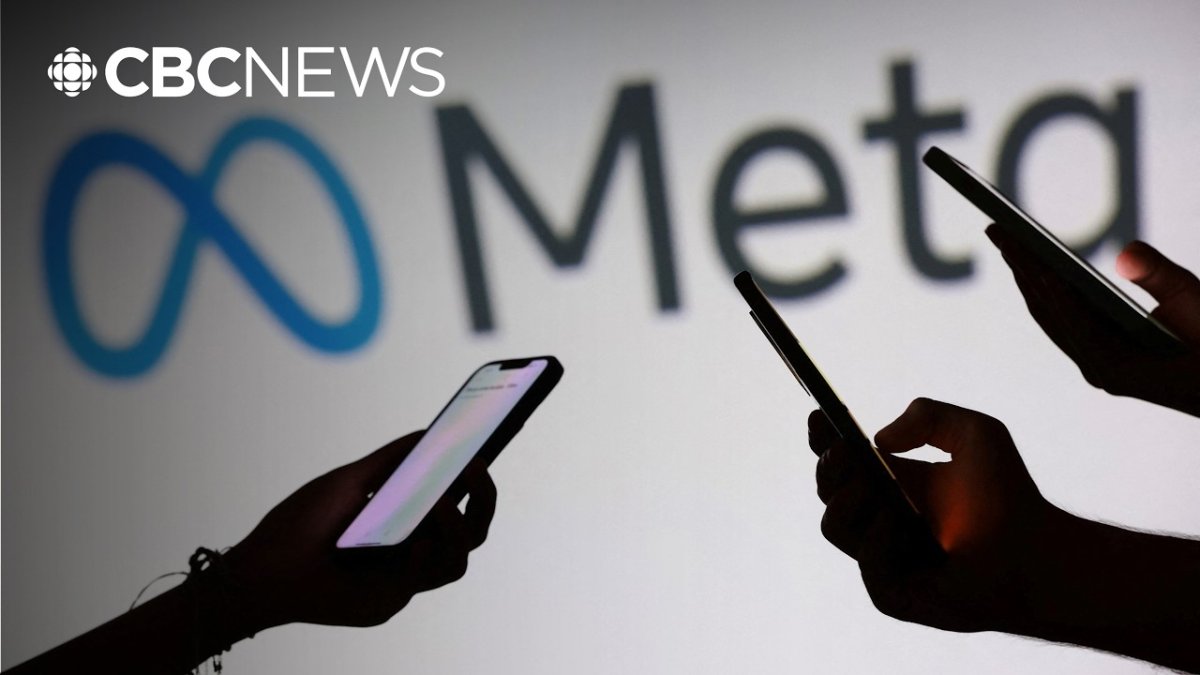
The Story — What Happened
The settlement brings an end to one of the largest consumer-protection cases ever brought against a social media company. The 29 state attorneys general, led by a bipartisan coalition, accused Meta of violating consumer protection laws by designing its platforms with features that exploit adolescent psychology — including infinite scrolling, algorithmic content recommendations, and notification systems that interrupt sleep and schoolwork.
Under the terms of the deal, Meta will pay US$16.68 billion, though some reports place the total value as high as US$17 to 18 billion when contingent payments are factored in. Roughly US$5 billion of that amount is conditional on YouTube and TikTok reaching similar settlements with the same group of states — a provision designed to ensure that Meta is not the only platform held accountable for youth mental health harms.
Meta denies any wrongdoing, stating in court documents that the settlement allows the company to move forward while continuing its existing safety work. The company has already directed users under 18 into Teen Accounts, which are private by default and limit exposure to certain types of harmful content. The new settlement goes further, mandating a default two-hour daily time limit for teens, a block on app use from midnight to 6 a.m., and the removal of like and reaction counts by default for underage users.
The Canadian Context
For Canadian families, the immediate reality is that the US$16.68-billion payout does not extend across the border. The settlement covers U.S. states only, meaning Canadian users are not direct recipients of any financial compensation. However, the product changes Meta has agreed to implement — including time limits, overnight blocks, and default privacy settings — will apply to Canadian users as well, since the company operates its platforms globally with consistent safety features.
Canada has its own legal and regulatory landscape when it comes to holding Meta accountable. In June 2026, Meta settled a separate class-action lawsuit in Canada for $51 million over the use of some users' images in Facebook advertising without their consent. That case, while different in nature, demonstrated that Canadian courts and class-action mechanisms can exert meaningful financial pressure on the tech giant.
On the regulatory front, the federal government's proposed Online Harms Act (Bill C-63) would impose new duties on social media platforms to address harmful content and protect young people online. The legislation has been slow to move through Parliament, facing contested debate over definitions of harmful content, platform liability, and the balance between free expression and child safety. The Meta settlement in the U.S. may now add urgency to that stalled legislative process.

What This Means for Canadian Teens and Families
Canadian research paints a clear picture of how central social media has become to young people's lives. According to MediaSmarts' Young Canadians in a Wireless World research and the MTM Jr. report, seven in ten children aged 7 to 17 use social media, and 85 per cent of teens report having used it within the past month. These numbers underscore why the product changes in the Meta settlement matter for Canadian families, even without direct financial compensation.
The default two-hour daily time limit for teens is a significant shift. Previously, time limits required manual setup by parents or teens themselves; now, the default will be active unless explicitly changed. Similarly, the block on app use from midnight to 6 a.m. addresses a growing body of research linking late-night social media use to poor sleep quality and worsened mental health outcomes among adolescents.
The removal of like and reaction counts by default for teens is another meaningful change. Research has consistently shown that social comparison — measuring one's popularity against peers through likes and follower counts — is a key driver of anxiety and depression among young users. By hiding these metrics by default, Meta is acknowledging that the design of its platforms has contributed to the very harms that the state attorneys general alleged.
Canadian parents will also benefit from the expansion of Teen Accounts, which are private by default and restrict who can contact young users. These features have been rolling out gradually, but the settlement makes them a binding commitment rather than a voluntary initiative that could be reversed at the company's discretion.
Reactions and Analysis
The state attorneys general who brought the case framed the settlement as a historic victory for child safety. In statements following the announcement, they argued that the deal sends a clear message to the entire social media industry: platforms cannot prioritise engagement metrics over the wellbeing of young users. The contingent US$5-billion portion tied to YouTube and TikTok settlements is particularly notable, as it creates financial pressure on Meta's competitors to reach similar agreements or face the prospect of Meta's payment being reduced.
Canadian child-safety advocates are watching the developments closely. While they welcome the product changes, many argue that voluntary commitments from a single company are insufficient. The Online Harms Act, they contend, would create a comprehensive regulatory framework that applies to all platforms operating in Canada, rather than relying on the outcome of U.S. litigation.
Privacy watchdogs in Canada have also weighed in, noting that the settlement's focus on design features — rather than just financial penalties — represents a shift in how regulators approach platform accountability. The idea that the very architecture of social media apps can be deemed harmful is a novel legal theory that could influence future Canadian jurisprudence.
Industry analysts point out that the settlement, while large, represents a fraction of Meta's annual revenue. The company reported over US$130 billion in revenue in 2024, making the US$16.68-billion payout manageable within its financial structure. The real cost, analysts suggest, may come from the product changes themselves, which could reduce engagement and advertising revenue if teens spend less time on the platforms.
What Happens Next
The implementation timeline for the product changes will be closely monitored. Meta has committed to rolling out the default time limits, overnight blocks, and hidden like counts across its platforms in the coming months. Canadian users should expect to see these changes appear in app updates, though the exact timing may vary depending on device and region.
The contingent US$5-billion portion of the settlement creates an interesting dynamic. If YouTube and TikTok reach similar settlements with the same 29 states, Meta's payment will be reduced accordingly. If they do not, Meta will pay the full amount. This structure is designed to prevent a situation where one platform bears the financial burden while competitors continue with business as usual.
For Canada, the path forward involves both regulatory and legal avenues. The Online Harms Act remains before Parliament, and advocates are pressing for expedited hearings in light of the U.S. settlement. Meanwhile, Canadian class-action lawyers are likely to examine whether the U.S. case creates new legal theories that could be applied in Canadian courts, particularly around the concept of addictive design and its impact on minors.
The broader platform pressure is also significant. With Meta now bound by court-approved commitments, other social media companies operating in Canada face increased scrutiny. Parents, school boards, and provincial health authorities are all likely to ask why similar protections are not being offered voluntarily by YouTube, TikTok, Snapchat, and other platforms popular with Canadian youth.
A Defining Moment for Online Child Safety
The Meta settlement marks a turning point in the relationship between social media platforms and the young people who use them. For Canadian families, the product changes will bring tangible improvements to daily digital life — fewer late-night scrolling sessions, less social comparison, and more privacy by default. But the deeper question remains whether Canada will follow the U.S. lead with its own enforceable regulatory framework.
The Online Harms Act, if passed, would create a made-in-Canada approach that goes beyond what any single settlement can achieve. It would apply to all platforms, not just those that have been sued, and would establish ongoing duties of care rather than one-time payments. The slow progress of the legislation through Parliament now stands in stark contrast to the speed with which U.S. states secured this historic settlement.
Canadian families should take note: the protections announced this week are real, but they are the product of American legal action, not Canadian policy. The question of whether Ottawa moves with similar urgency will determine whether Canadian children receive the same level of protection as their American counterparts — or whether they continue to rely on the goodwill of companies that have already admitted, through settlement, that their platforms can cause harm.
By Alex Thompson, Staff Writer
This article was produced with AI-assisted research and editorial support. Sources: CBC News, Reuters, BBC News, The New York Times, Axios.
What's Your Reaction?
 Like
0
Like
0
 Dislike
0
Dislike
0
 Love
0
Love
0
 Funny
0
Funny
0
 Wow
0
Wow
0
 Sad
0
Sad
0
 Angry
0
Angry
0

Canada Correspondent at Global1.News. Based in Toronto, covering Canadian politics, energy, trade, and US-Canada relations. Provides the Canadian perspective on North American and global affairs.















Comments (0)