
Sudan Joint Force says it has taken control of Bir Saliba in West Darfur
The Joint Force of armed movements in Sudan announced on Monday that, together with the Sudanese army, it had seized control of the Bir Saliba area in West Darfur after intense fighting with the Rapid Support Forces (RSF).
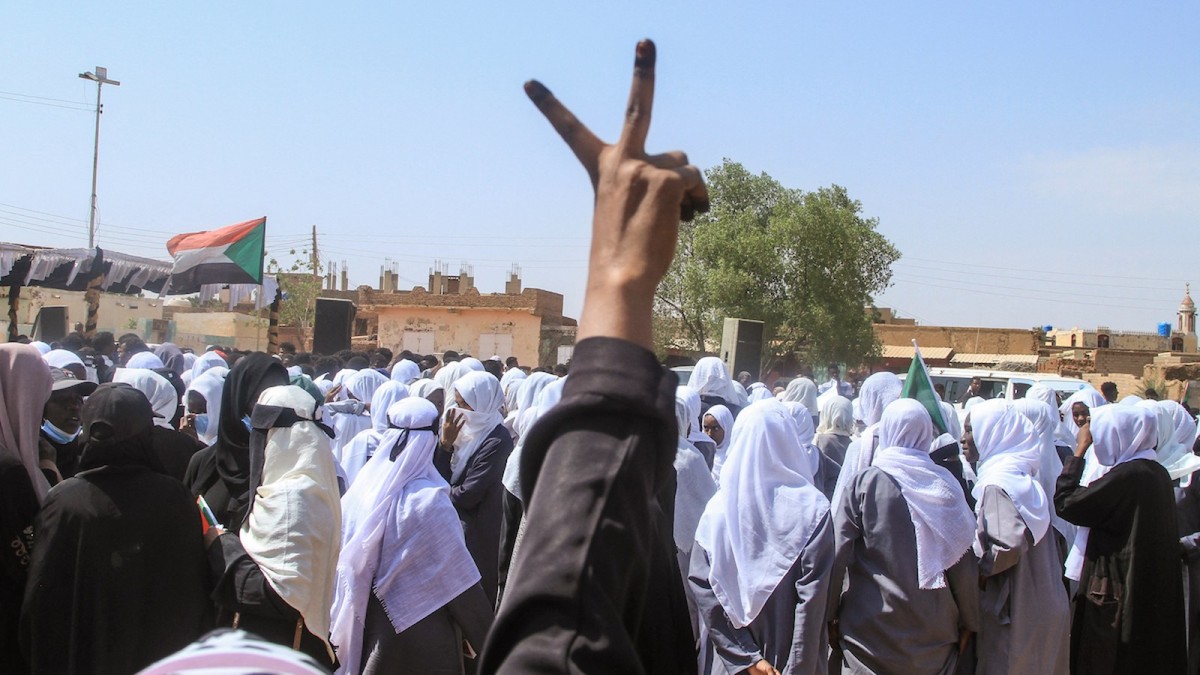
The Joint Force of armed movements in Sudan announced on Monday that, together with the Sudanese army, it had seized control of the Bir Saliba area in West Darfur after intense fighting with the Rapid Support Forces (RSF). The claim, delivered in a statement and echoed in videos shared on social media, marks a new flashpoint in a conflict that has already inflicted a heavy toll on civilians across Darfur. While the strategic significance of Bir Saliba is clear—its position on the northern axis toward El Geneina and its link to a key road network—its capture also raises urgent questions about the protection of civilians, the enforcement of the 2020 Juba peace agreement, and the broader humanitarian crisis that continues to unfold in the region.
Background to the Joint Force and the Juba Peace Accord
The Joint Force is a coalition of Darfur‑based armed movements that signed the 2020 Juba peace agreement with Khartoum. Among its members are the Justice and Equality Movement (JEM), led by Gibril Ibrahim, and the Sudan Liberation Movement (SLM), led by Darfur Regional Governor Minni Arko Minawi. The agreement was intended to integrate these groups into a national framework, granting them political representation and security guarantees in exchange for laying down arms. Yet, the persistence of armed clashes—most recently in Bir Saliba—demonstrates the fragility of that arrangement.
Since the signing of the Juba accord, the Joint Force has positioned itself as a partner of the Sudanese army, presenting its role as a “national duty” to protect civilians and secure territory. This framing underscores the complex loyalties that have emerged in Sudan’s civil war, where former rebel groups now fight alongside state forces against the RSF, a paramilitary militia that has been accused of widespread atrocities.
The Battle for Bir Saliba: What the Joint Force Claims
According to the Joint Force’s statement, its fighters and Sudanese army units engaged in “fierce field battles” along the Bir Saliba and Abu Saruj axis. The statement asserts that the Joint Force destroyed seven RSF combat vehicles, killed an unspecified number of RSF fighters, and subsequently took control of Bir Saliba, consolidating its positions there. Videos circulated by members of the Sudanese army and the Joint Force purportedly show troops raising flags and patrolling the area, reinforcing the claim of a decisive victory.
The Joint Force emphasized that the operation was conducted to protect civilians, secure the area, and respond to threats against the population. While the language suggests a humanitarian motive, the report offers no concrete evidence of civilian protection measures taken during or after the fighting, nor does it detail any casualties among non‑combatants. The lack of independent verification leaves the true human impact of the battle uncertain.
Strategic Importance of Bir Saliba
Bir Saliba occupies a pivotal location on the northern axis leading to El Geneina, the capital of West Darfur state. Control of this axis grants the holder a logistical advantage, enabling the movement of troops, supplies, and, potentially, humanitarian aid along a key road network. The area’s connectivity makes it a coveted prize for both the Joint Force and the RSF, each seeking to dominate the flow of resources and assert territorial authority.
From a broader strategic perspective, securing Bir Saliba could allow the Joint Force and the Sudanese army to project power deeper into West Darfur, potentially opening a corridor toward other contested towns. Conversely, the RSF’s loss of seven combat vehicles, as claimed, may weaken its operational capacity in the region, at least temporarily. However, the fluid nature of the conflict means that control can shift rapidly, and the long‑term significance of this particular gain remains to be seen.
Humanitarian Implications and Civilian Risks
The announcement of a new front in West Darfur inevitably raises concerns for the civilian population that has already endured years of displacement, food insecurity, and violence. The Joint Force’s declaration that it is fulfilling a “national duty of protecting civilians” must be weighed against the reality of ongoing clashes that often place non‑combatants in the line of fire. Past reports have documented RSF attacks on aid convoys, health workers, and schools, contributing to a climate of fear and uncertainty.
Even without specific casualty figures from the Bir Saliba engagement, the pattern of “fierce field battles” suggests a high likelihood of collateral damage. The destruction of seven RSF combat vehicles implies the use of heavy weaponry, which can easily affect nearby civilian structures. Moreover, the consolidation of positions by the Joint Force may involve the establishment of checkpoints or military outposts that could restrict civilian movement and access to essential services.
International Law and Accountability
Under international humanitarian law, all parties to an armed conflict are obligated to distinguish between combatants and civilians, to take precautions to minimize civilian harm, and to refrain from targeting protected objects such as schools and hospitals. The Joint Force’s claim of protecting civilians aligns with these obligations, yet the absence of independent verification makes it difficult to assess compliance.
The RSF, on the other hand, has been repeatedly accused of violating international law, including indiscriminate attacks on civilian areas and the use of child soldiers. While the Joint Force’s statement does not directly accuse the RSF of such violations in Bir Saliba, the broader context of the conflict suggests that any escalation in fighting heightens the risk of further breaches. International bodies and human rights monitors will need to investigate the aftermath of the Bir Saliba operation to determine whether the conduct of both sides adhered to their legal responsibilities.
Human Rights Perspectives and the Role of Civil Society
Sudan Doctors Network, among other civil‑society groups, has previously condemned RSF attacks on humanitarian aid, such as the killing of a driver from the World Food Programme. Their advocacy highlights the acute vulnerability of aid workers and the essential nature of humanitarian corridors. The recent fighting around Bir Saliba threatens to disrupt any existing aid routes that pass through the region, potentially exacerbating food shortages and limiting medical assistance.
Human‑rights organisations will likely monitor the situation closely, seeking testimonies from displaced residents, local health workers, and teachers. The image of a Sudanese student flashing a V‑sign for victory during a protest against RSF violations—captured in a photograph from November 2025—remains a potent reminder of the civilian desire for peace and accountability. As the Joint Force consolidates its hold on Bir Saliba, civil‑society actors will be essential in documenting any abuses and advocating for the protection of civilians.
Looking Ahead: Prospects for Peace and Stability
The capture of Bir Saliba may be presented by the Joint Force as a step toward stabilising West Darfur, but the broader trajectory of the Sudanese conflict remains uncertain. The 2020 Juba peace agreement, while still the legal framework governing the relationship between the state and Darfur armed movements, has been repeatedly tested by renewed violence. The Joint Force’s alignment with the Sudanese army against the RSF underscores a shifting alliance landscape that could either pave the way for a unified front against a common adversary or deepen factional divides.
For the civilian population, the immediate concern is safety and access to basic services. International donors and humanitarian agencies will need to reassess their operational plans in light of the new front, ensuring that aid can reach those displaced by the fighting. Continued monitoring by human‑rights groups, coupled with robust documentation of any violations, will be crucial for future accountability mechanisms, whether through national courts or international tribunals.
Ultimately, the fate of Bir Saliba reflects the larger struggle over Darfur’s future: a contest between armed groups seeking control of strategic terrain and a civilian populace yearning for security, dignity, and a return to normalcy. As the Joint Force claims victory, the international community must remain vigilant, demanding that any military gains translate into genuine protection for the people of West Darfur, rather than merely shifting the front lines of a protracted war.
This article was produced with AI-assisted research and editorial support. Reporting is based on the source material cited below. Sources: Middle East Monitor; middleeastmonitor.com; Global1.News (06 October 2026).
By Fatima Al-Rashid, Staff Writer
What's Your Reaction?
 Like
0
Like
0
 Dislike
0
Dislike
0
 Love
0
Love
0
 Funny
0
Funny
0
 Wow
0
Wow
0
 Sad
0
Sad
0
 Angry
0
Angry
0

Gulf/MENA Correspondent at Global1.News. Based in Doha, covering Gulf politics, energy markets, diplomacy, and development across the Middle East and North Africa. Tracks the economic transformation of the Gulf states.













Comments (0)