
Manhunt After Child Rapist Absconds from Leave in Perth
Police Scotland is hunting Cliff Lyons Dobbie, a restricted patient who absconded from escorted leave in Perth. Detained since his 1990 conviction for raping a 10-year-old girl in Glasgow, he has strong Glasgow links. The public are urged not to approach him — call 101 or 999, incident 1696.
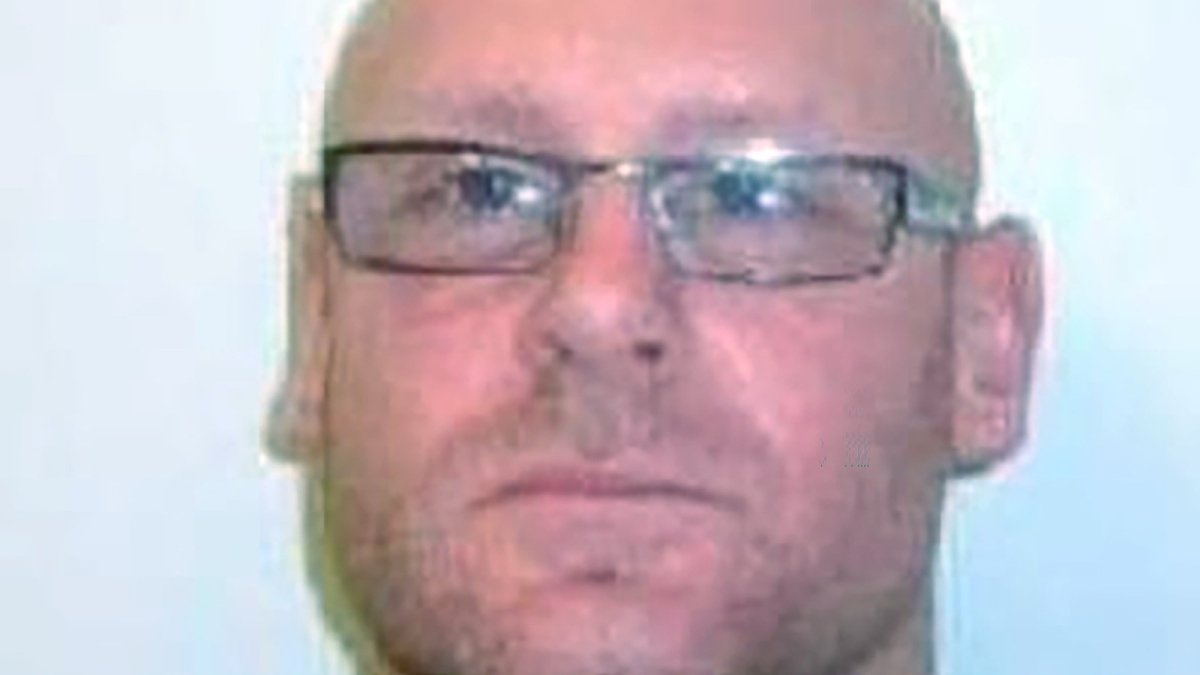
Police Scotland has launched a manhunt for a convicted child rapist who absconded while on escorted community leave in Perth city centre this week. Cliff Lyons Dobbie, who also uses the name Clifford Lyons, is being treated as a missing person, and the public have been urged not to approach him. Police say he has not been seen or heard from since Thursday 6 August.
Manhunt After Child Rapist Absconds from Leave in Perth
Perth, Scotland — 7 August 2026 — Police Scotland is searching for Dobbie, a restricted patient who absconded while on escorted community leave from a secure setting managed with NHS Tayside. The force has issued a public appeal and stressed that anyone who saw or spoke to him since Thursday should come forward, quoting incident number 1696 of 6 August.
The Manhunt Under Way
Inspector Kris McCall of Police Scotland said: "We want to trace Cliff, who also uses the name Clifford Lyons or Dobbie, as quickly as possible. I'd be interested to hear from anyone who has seen or spoken to him since Thursday August 6. He has links to Glasgow and the surrounding areas." He added that the public should not approach him but should report any sighting to Police Scotland. Anyone with information is asked to contact police on 101 or 999, quoting the incident number. The search was continuing on Friday evening.
Officers are handling the case as a missing-person investigation while gathering fresh sightings or contacts, and police have released both a photograph and CCTV images of Dobbie as part of the appeal. The emphasis on reporting rather than direct intervention reflects his status as a long-term restricted patient with a history of serious sexual offences: an encounter with him carries potential risk that trained responders are better equipped to manage.
Appeals of this kind generate leads through established channels such as 101 and 999, allowing control rooms to log details against the specific incident reference. That structured approach maintains investigative momentum while keeping members of the public out of harm's way.
Criminal Convictions from 1990
Dobbie was convicted in 1990 of raping a 10-year-old girl in Glasgow while on bail for sexually abusing a 12-year-old boy. BBC reports detail that he molested the boy after luring him into a field and forcing him to strip. Those offences led to his detention under mental health legislation, establishing his status as a restricted patient whose movements remain subject to strict oversight by Scottish authorities.
The route reflects a legal framework in which offenders judged to be suffering from significant mental illness are diverted from conventional custody into hospital detention, so that treatment can address underlying conditions alongside the need for public protection. It recognises that some individuals require specialist psychiatric care that prisons are not designed to deliver. Detention under restriction orders therefore combines therapeutic intervention with ongoing oversight, ensuring that any future steps towards greater liberty remain subject to clinical and ministerial scrutiny.
Because Dobbie was dealt with under mental health law rather than an ordinary prison sentence, decisions about his movement — including any leave — run through a multi-layered process rather than standard parole mechanisms, a framework designed to balance rehabilitation prospects against the gravity of the original offences.
Long-Term Detention in Secure Hospitals
Since 1990 Dobbie has been held in secure units, including the State Hospital at Carstairs, Scotland's high-security psychiatric hospital for offenders judged mentally ill and in need of treatment. That is now more than three and a half decades of continuous detention. The hospital accommodates individuals whose offences are grave but whose mental health needs require containment and treatment in a clinical environment.
Restricted-patient status brings statutory oversight that extends to movement outside the hospital perimeter. In Scotland, decisions about forensic leave are governed by mental health legislation, and ministers hold formal responsibilities comparable to those exercised by the Secretary of State in England and Wales, ensuring that any escorted leave is authorised only after a rigorous assessment of current risk and clinical progress.
Escorted community leave itself functions as a controlled test of readiness rather than a step towards unconditional release. It remains fully supervised and time-limited, allowing clinicians to evaluate behaviour in real-world settings while the legal framework retains the power to return the patient to secure conditions at any sign of increased concern.
The State Hospital at Carstairs is Scotland's high-security psychiatric hospital — the only facility of its kind in the country. Patients may be admitted directly by the courts or transferred from prison, and any discharge is a slow, staged process built around risk assessment and clinical review. In that context, leave is part of a carefully managed ladder towards greater freedom, granted only when clinicians and, where restrictions apply, ministers are satisfied that the risk is manageable.
The 2011 Court of Session Case
In 2011 Dobbie brought a judicial review at the Court of Session in Edinburgh against a plan to ban junk food to combat inmate obesity at Carstairs. He succeeded after arguing he required high-energy drinks and protein bars for his fitness regime. The case highlighted the legal protections available to restricted patients even within Scotland's secure hospital system — and it offers a glimpse of the regime Dobbie has maintained behind the walls. Police now describe him as stocky and muscular, a description consistent with the fitness routine he successfully defended in court.
Physical Description and Sightings
Police describe Dobbie as a white male, about 5ft 3in (1.6m), with a stocky and muscular build. He is bald with blue eyes and a noticeable squint that is more apparent when not wearing glasses. He has a strong Glaswegian accent and links to Glasgow and surrounding areas. When last seen he wore white trainers, light blue ripped jeans, a salmon-coloured golf shirt and a light blue jumper, along with a black cap and thick black-rimmed glasses. He carried a black backpack and a black puffer jacket. Distinctive tattoos include an image of two blue tiger-like eyes on his right arm and a blue and red Rangers tattoo on his left arm.
Escorted Leave and Public Safety Questions
NHS Tayside has confirmed that its established missing-patient procedures were followed and that it is working closely with Police Scotland, though it cannot discuss individual cases due to confidentiality. Once located, Dobbie will be returned to secure detention while further reviews determine what, if any, adjustments are needed to future risk management.
The episode has renewed scrutiny of how escorted leave is granted and supervised within Scotland's forensic mental health system, and of the balance between rehabilitation and public protection. Each supervised leave involves assessment of risk, and the overwhelming majority pass without incident — but when a patient does not return, the consequences are grave and the scrutiny intense. Across the UK, such cases attract legitimate questions about a system that must weigh clinical evidence of progress against the enduring seriousness of historical offences.
Questions will inevitably be asked about how a man detained since 1990 came to be walking through a city centre with an escort, and whether the procedures around escorted leave are robust enough. Those are legitimate questions for NHS Tayside and the Scottish government to answer as the search continues. For residents in Perth and Glasgow, the immediate advice is straightforward: remain vigilant, do not approach Dobbie, and channel any information through police on 101 or 999, quoting incident 1696 of 6 August.
By Erica Thornton, Staff Writer
This article was produced with AI-assisted research and editorial support. Reporting is based on sources cited in the article.
What's Your Reaction?
 Like
0
Like
0
 Dislike
0
Dislike
0
 Love
0
Love
0
 Funny
0
Funny
0
 Wow
0
Wow
0
 Sad
0
Sad
0
 Angry
0
Angry
0

US Politics and Policy Correspondent at Global1.News. Based in Washington DC, covering American politics, policy, elections, and the courts. Knows how the system works and tells you what it actually means.














Comments (0)