
PIF, Aramco strikes hit heart of Saudi Arabia’s economic overhaul
The latest missile strike on Riyadh’s tallest skyscraper, the Public Investment Fund (PIF) Tower, has underscored how Saudi Arabia’s ambitious economic transformation is increasingly being caught in the cross‑currents of a regional conflict that now stretches beyond the Red Sea.
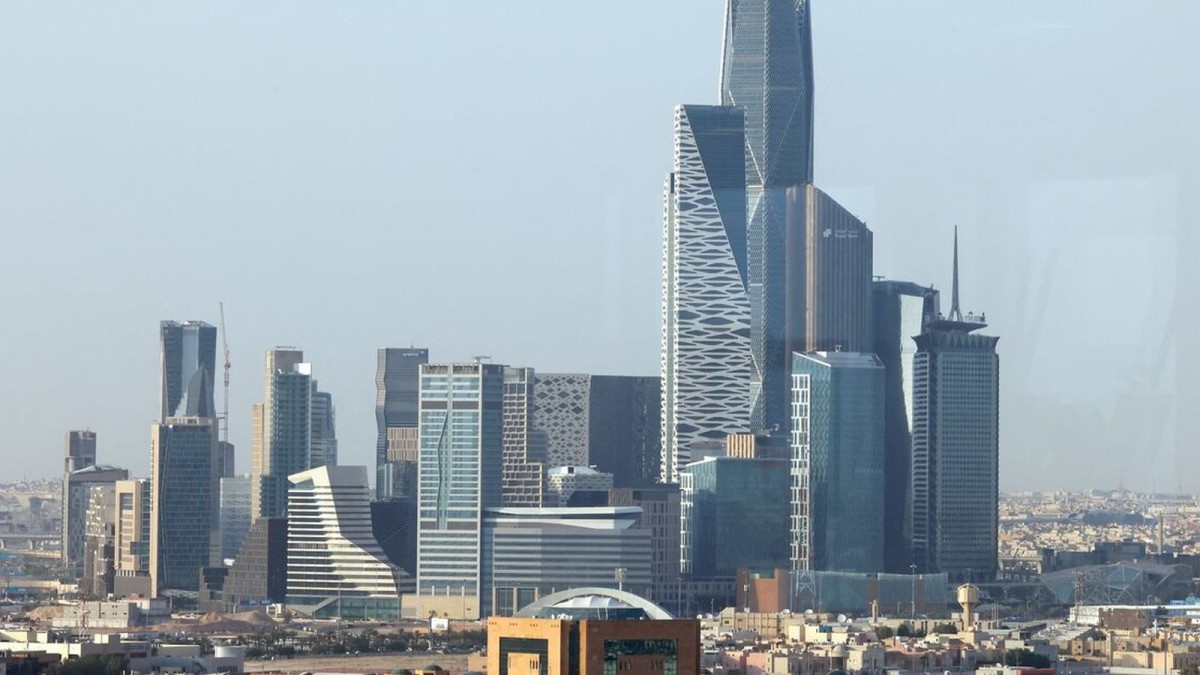
The latest missile strike on Riyadh’s tallest skyscraper, the Public Investment Fund (PIF) Tower, has underscored how Saudi Arabia’s ambitious economic transformation is increasingly being caught in the cross‑currents of a regional conflict that now stretches beyond the Red Sea. The attack, which damaged several floors of the tower and adjacent buildings in the King Abdullah Financial District, arrived just days after a similar strike hit the Aramco Tower, highlighting a pattern of targeting the kingdom’s financial heartland. While Saudi officials reported no casualties, the incident raises serious questions about the resilience of the Saudi Vision 2030 agenda and the broader implications for investors watching the kingdom’s reform trajectory.
Escalating Threats to Saudi Financial Infrastructure
The Public Investment Fund Tower, home to the sovereign wealth fund that drives much of Saudi Arabia’s diversification push, was struck by a missile on Thursday, according to local authorities. The blast damaged multiple floors and neighboring structures, but, remarkably, caused no loss of life. Saudi security forces reported that they had intercepted a missile threat aimed at the capital, while the Houthi movement openly claimed responsibility for the attack on the financial district.
Houthi spokesperson Yahya Saree, speaking later that evening, confirmed that the group had deliberately targeted the King Abdullah Financial District, adding that other strikes had been directed at Riyadh’s main airport and the Sadara Chemical Company in Jubail. The admission points to a deliberate strategy of hitting symbols of Saudi economic modernization, a tactic that could erode investor confidence if the pattern persists.
Impact on the Public Investment Fund’s Mandate
The Public Investment Fund sits at the core of Crown Prince Mohammed bin Salman’s Vision 2030 plan, channeling capital into sectors ranging from technology to tourism. A direct hit on the PIF Tower sends a stark signal that the very institutions tasked with reshaping the Saudi economy are now vulnerable to kinetic attacks. While the immediate physical damage appears limited, the psychological impact on both domestic stakeholders and foreign investors could be more profound.
For Israeli and regional tech firms that view Saudi Arabia as a burgeoning market for partnerships and joint ventures, the heightened risk environment may prompt a reassessment of exposure. Companies that have been courting the kingdom’s ambitious diversification goals—particularly in fintech, clean energy, and digital infrastructure—must now weigh the security calculus alongside commercial opportunities.
Broader Regional Dynamics and Security Calculus
The strike occurred as US Central Command chief Admiral Brad Cooper visited Riyadh with a delegation to discuss military ties and regional developments. The timing suggests that Saudi Arabia is seeking to reinforce its security partnerships amid an expanding conflict that now appears set to continue into 2027. The presence of senior U.S. military officials underscores the strategic importance Riyadh places on external support to safeguard its economic assets.
From an Israeli perspective, the convergence of security and economic concerns mirrors the challenges faced by Israel’s own high‑tech sector, which operates under the constant shadow of regional threats. The need for robust security guarantees to protect critical infrastructure is a shared priority, and the Saudi experience may inform future cooperation frameworks between the two nations.
Oil Production Recovery as a Financial Lifeline
Despite the escalating attacks, Saudi Arabia’s oil production has shown signs of recovery, providing a crucial fiscal buffer for the kingdom. The renewed flow of oil revenues offers a short‑term lifeline that can sustain public spending and fund the Vision 2030 projects even as the conflict drags on. However, reliance on oil earnings also highlights the vulnerability of the Saudi economy to external shocks, a risk the diversification agenda aims to mitigate.
The juxtaposition of a recovering oil sector with targeted attacks on non‑oil assets illustrates the multi‑dimensional nature of the current threat environment. While oil money can temporarily offset the cost of repairs and heightened security, it does not address the underlying strategic challenge of protecting the kingdom’s emerging economic pillars.
Implications for Foreign Investment and Venture Capital
Foreign investors, particularly those from the United States, Europe, and Asia, have been closely monitoring Saudi Arabia’s reform progress. The recent strikes on high‑profile financial landmarks could prompt a more cautious approach, especially for venture capital funds eyeing Saudi startups in sectors such as artificial intelligence, cybersecurity, and renewable energy.
Israeli venture capitalists, who have increasingly looked to Saudi partners for co‑investment opportunities, may need to recalibrate risk assessments. The perception of Saudi Arabia as a stable hub for innovation could be dented if security concerns outweigh the allure of a large, rapidly modernizing market.
Domestic Response and Resilience Measures
Within Saudi Arabia, the government has emphasized that the attacks have not caused casualties and that security forces are actively countering missile threats. This messaging aims to reassure both citizens and the business community that the state retains control over the security situation.
In parallel, the Ministry of Economy and the Israel Innovation Authority have observed that resilience planning is becoming a central component of national development strategies across the region. Investments in hardened infrastructure, cyber‑defense capabilities, and rapid response units are likely to accelerate as governments seek to protect critical economic assets from both physical and digital threats.
Future Outlook: Balancing Growth and Security
Looking ahead, the trajectory of Saudi Arabia’s economic overhaul will hinge on its ability to shield key projects from the expanding conflict. The twin strikes on the Aramco and PIF towers illustrate a clear intent by hostile actors to disrupt the kingdom’s diversification narrative.
For Israel’s tech ecosystem, the developments in Riyadh serve as both a cautionary tale and a potential avenue for deeper security‑economic collaboration. As the region grapples with a protracted conflict that now extends into 2027, the interplay between innovation, investment, and defense will shape the next chapter of Middle Eastern economic development.
This article was produced with AI-assisted research and editorial support. Reporting is based on the source material cited below. Sources: Al-Monitor; al-monitor.com; Global1.News (20 November 2026).
By Hannah Berg, Staff Writer
What's Your Reaction?
 Like
0
 Dislike
0
 Love
0
 Funny
0
 Wow
0
 Sad
0
 Angry
0

Israel Correspondent at Global1.News. Based in Tel Aviv, covering Israeli politics, security, technology, and society. Provides balanced, deeply-sourced reporting on one of the most closely-watched regions in the world.















Comments (0)