
Liga MX Ends Promotion and Relegation: Protests Erupt in Mexico
Liga MX has officially eliminated promotion and relegation for the 2026-27 season, transforming the top flight into a closed league and sparking protests from second-division clubs, fan backlash, and a COFECE antitrust complaint. Rosa Martinez reports on the fight for the future of Mexican football.
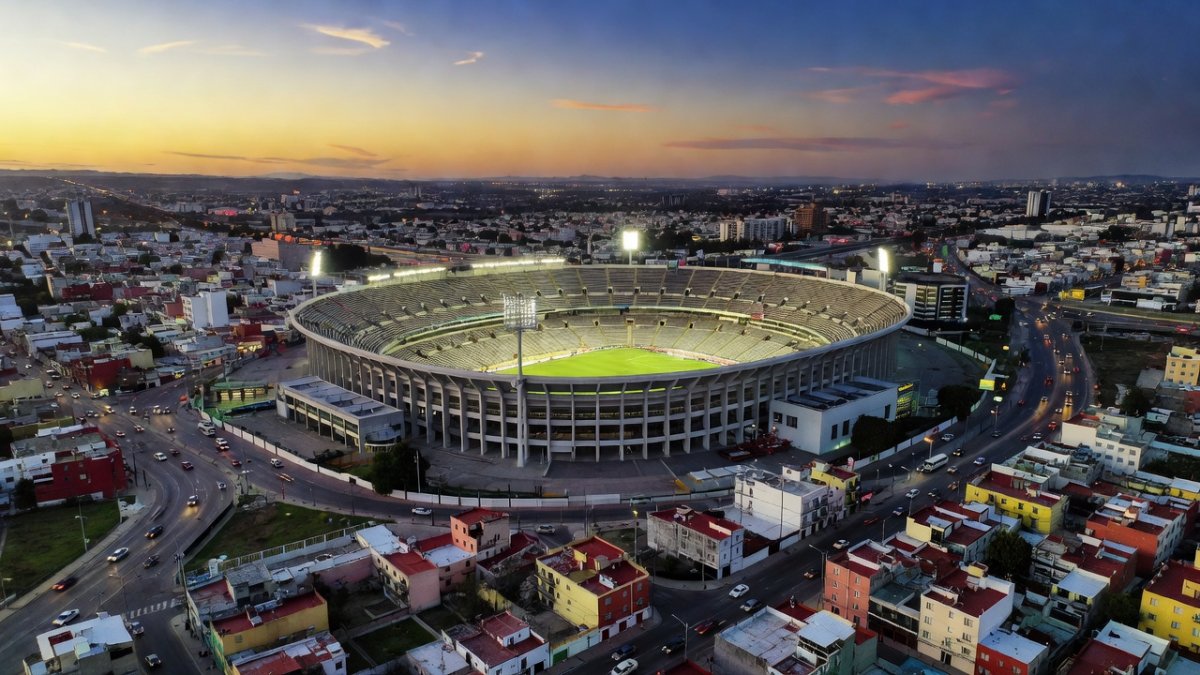
Liga MX Closes Its Doors: The End of Promotion and Relegation
The heartbeat of Mexican soccer changed forever on July 16, 2026, when Liga MX officially eliminated promotion and relegation, transforming the top flight into a closed league starting with the Apertura 2026 tournament. The measure, written into the new Reglamento de Competencia published just before the opening kickoff, means the 18 teams currently in Liga MX will keep their places indefinitely. For the first time in modern Mexican football history, there is no ladder between the second division and the top tier—only a gated community where the rich stay rich and the dreamers stay outside.
This decision did not arrive in a vacuum. Promotion and relegation between Liga MX and the second-tier Liga de Expansión MX had been suspended since 2020, when the Mexican Football Federation (FMF) and Liga MX agreed to pause it temporarily. What was sold as a pandemic-era emergency measure has now become permanent policy, justified by the FMF as a path to financial stability for clubs. But for the communities that live and breathe the second division—the barrios, the pueblos, the working-class colonias where Sunday football is a ritual—this feels less like stability and more like a locked door.
The old system was brutal in its own way. The bottom three teams in Liga MX would face fines upwards of US $4 million for ranking last, a punishment that often punished smaller clubs more than the wealthy ones. Yet that cruelty also carried a promise: if you fought hard enough, you could rise. Now, that promise is gone, and the protests that have erupted across the country reflect a deep cultural wound that goes far beyond the scoreboard.
Protests on the Pitch: Second-Division Clubs Roar Back
The anger was immediate and visible. On July 27, 2026, during the opening weekend of the Liga de Expansión MX season, second-tier clubs staged coordinated on-pitch protests that paused three fixtures at kick-off. Players stood still, arms crossed or holding banners, refusing to play the opening seconds as a symbolic rejection of the FMF's decision. It was a moment of solidarity that echoed through stadiums that rarely make national headlines—stadiums in cities like Mérida, Tepic, and Morelia, where the local club is often the only source of civic pride.
The protests have not stopped. On August 16, 2026, Leones Negros of Club Universidad de Guadalajara led a new demonstration during a Liga de Expansión MX match under the slogan "Rugimos por el ascenso" (We roar for promotion). The club has promised a different protest action at each match, turning every game into a political statement. This is not just about sports; it is about dignity, about the right to compete, about the Mexican belief that hard work and merit should open doors.
Alberto Castellanos, president of Leones Negros, has been the most vocal critic. On August 4-5, 2026, he accused the FMF of deception, saying "nos vieron la cara"—they played us for fools. Castellanos criticized Liga MX president Mikel Arriola directly for keeping promotion frozen, insisting that his club does not seek an automatic place in the top flight, but rather the right to earn promotion on the pitch. It is a distinction that matters deeply: the clubs are not asking for charity; they are asking for a fair fight.
Fan Fury at 30,000 Feet: The Discontent Goes Viral
The frustration is not confined to club offices and stadium tunnels. On August 5, 2026, a fan confronted Mikel Arriola on an airplane, directly challenging the Liga MX president over the elimination of promotion and relegation. The encounter, which was captured on video and spread quickly across social media, became a symbol of the widening gap between the league's leadership and its base. Here was a working-class fan, likely on a routine flight, seizing a moment to demand answers from the man who helped close the door on their dreams.
That airplane confrontation resonates deeply in Mexican culture, where football is not entertainment but identity. In the tianguis, in the tortillerias, in the taquerias after a match, the conversation is the same: how can they take away the hope of ascenso? For fans of second-division clubs, the dream of seeing their team play in the Estadio Azteca or the Estadio BBVA is not a luxury—it is a birthright passed down through generations. The elimination of promotion and relegation does not just change the rules; it changes the story they tell their children.
The fan's boldness also reflects a broader mood in the country. Mexicans are no longer silent in the face of decisions made behind closed doors, whether in the Palacio Nacional or in the offices of Liga MX. The airplane confrontation was a small act of resistance, but it captured the imagination of a nation that has grown tired of being told what is good for it without being consulted.
COFECE Complaint: Is This a Monopoly?
The political class has taken notice. On August 13, 2026, Jorge Alvarez Maynez, national coordinator of Movimiento Ciudadano and former presidential candidate, filed a formal request with the Comision Federal de Competencia Economica (COFECE), Mexico's antitrust watchdog. Maynez asked COFECE to investigate whether the definitive elimination of promotion and relegation constitutes a monopolistic practice. His argument is straightforward: closing the professional circuit affects not just clubs, but also players, coaches, and the entire ecosystem of Mexican football.
This is a significant escalation. COFECE has historically focused on markets like telecommunications, energy, and banking, but the soccer league is a multi-billion peso industry with enormous cultural weight. If COFECE decides to investigate, it could open a new front in the battle over the sport's governance. Maynez, a former presidential candidate, is clearly positioning this as a matter of public interest, not just a sports dispute. He is tapping into a broader Mexican sentiment that the concentration of power—whether in politics, business, or sports—hurts ordinary people.
The COFECE complaint also raises uncomfortable questions about the relationship between the FMF, Liga MX, and the clubs. The FMF pushed the move citing financial stability, but critics argue that stability for the 18 privileged clubs comes at the expense of the dozens of teams and thousands of workers in the lower divisions. From youth academies to coaching staff to the vendors outside the stadiums, the impact of a closed league ripples far beyond the pitch.
The Legal Battle Continues: Back to CAS
While COFECE considers the complaint, the legal fight is also moving forward on another front. Liga de Expansión MX clubs are returning to the Court of Arbitration for Sport (CAS) to appeal the FMF decision. This is not their first attempt. Some clubs had hoped that a 2025 ruling from CAS would bring the system back for the 2026-2027 campaign, but the court rejected a demand from six Liga de Expansión MX clubs for the immediate return of promotion and relegation.
The new appeal faces an uphill battle. CAS has already shown reluctance to intervene in the internal governance of national football federations, and the FMF will argue that the decision was made through proper channels. But the clubs are not backing down. For them, this is a matter of survival. Without the possibility of promotion, their commercial value diminishes, their ability to attract sponsors weakens, and their best players will inevitably seek opportunities elsewhere—likely in Liga MX or abroad.
The legal strategy is also a public relations campaign. By taking the fight to CAS, the clubs are keeping the issue alive in the media and in the consciousness of Mexican fans. They are betting that sustained pressure, both legal and popular, will eventually force a compromise. Whether that bet pays off remains to be seen, but the determination of the second-division clubs is a reminder that Mexican football is not just about the glamour of the top flight.
Voices from the Game: What Does This Mean for Mexican Football?
Former Mexico striker Bruno Marioni has offered a measured perspective on the controversy. Marioni commented that ending promotion and relegation does not directly influence the national team, but he said he thinks about the players and the long-term impact on Mexican football. His words carry weight because they come from someone who has lived the game at the highest level. The national team may not feel the immediate effects, but the pipeline of talent could suffer if young players see fewer pathways to the top.
Marioni's concern is shared by many in the football community. The Liga de Expansión MX has been a proving ground for young Mexican players, a place where they can develop before making the leap to Liga MX or European leagues. Without the incentive of promotion, clubs may invest less in youth development, focusing instead on short-term results. The long-term cost could be a generation of players who never get the chance to shine.
For the communities that support second-division clubs, the impact is more immediate and personal. A club like Leones Negros is not just a team; it is a source of identity for the Universidad de Guadalajara and the city itself. The slogan "Rugimos por el ascenso" is not just a protest chant—it is a declaration of existence. These clubs are saying: we are here, we matter, and we will not be erased by a decision made in a boardroom.
The fight over promotion and relegation is ultimately a fight about what Mexican football should be. Should it be a closed shop where the rich get richer, or an open system where merit and passion can overcome financial disadvantage? The answer to that question will shape the sport for decades to come, and it will be decided not just in courtrooms and boardrooms, but in the stands, where fans are already making their voices heard.
Tags: Liga MX, promotion and relegation, Liga de Expansión MX, Mikel Arriola, COFECE, Jorge Alvarez Maynez, Leones Negros, Mexican soccer, FMF, antitrust, protests, CAS, Bruno Marioni, Alberto Castellanos, Apertura 2026
By Rosa Martinez, Staff Writer
This article was produced with AI-assisted research and editorial support. Sources: Mexico News Daily, MARCA MX, Infobae México, Proyecto Puente, Nación321, soyreferee.
What's Your Reaction?
 Like
0
Like
0
 Dislike
0
Dislike
0
 Love
0
Love
0
 Funny
0
Funny
0
 Wow
0
Wow
0
 Sad
0
Sad
0
 Angry
0
Angry
0

Latin America/Andes Correspondent at Global1.News. Based in Bogota, covering politics, environment, energy, and social movements across the Andean region. Passionate about environmental journalism and communities protecting their land.













Comments (0)