
Leptospirosis Cases Hit 6,253 With 378 Deaths; DOH Warns of Another Surge as Flood Season Strains Hospitals and Workers
DOH reports 6,253 leptospirosis cases with 378 deaths; warns of another surge in two weeks. Metro Manila workers face flood exposure risks, Quezon City breaches epidemic threshold, and hospitals near capacity as monsoon rains continue.
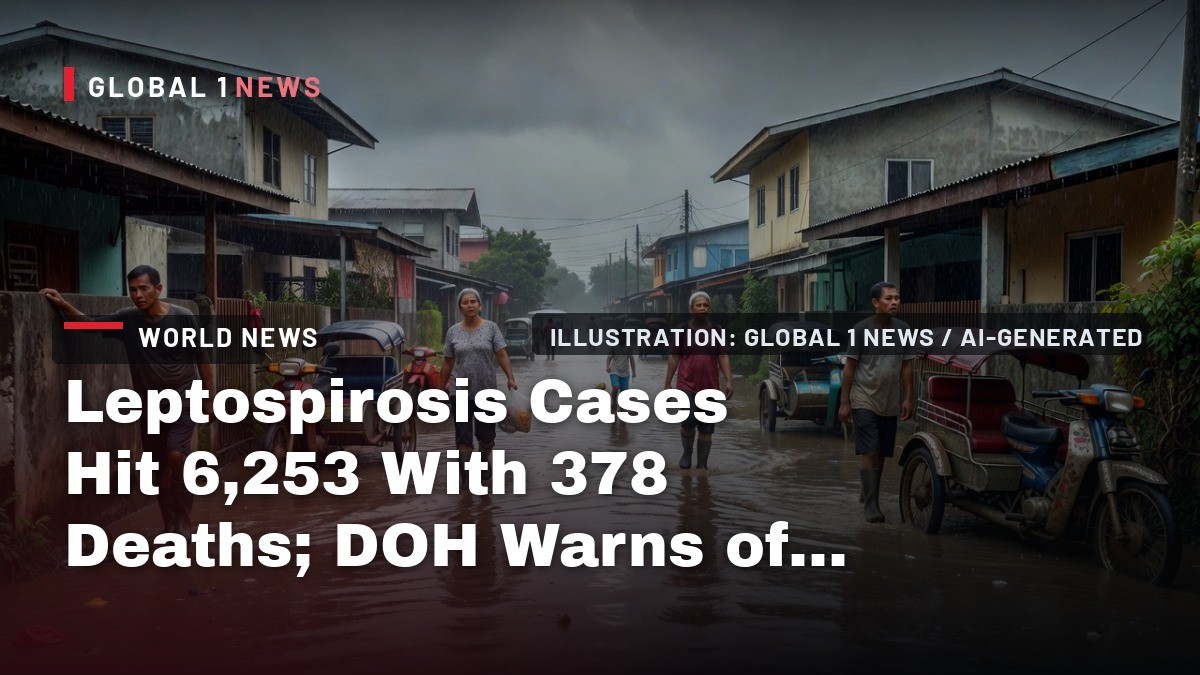
The Department of Health (DOH) reported that leptospirosis cases in the country have reached 6,253 from Jan. 4 to Aug. 29, with 378 deaths recorded, translating to a case fatality rate of 6.05 percent. Health officials are now warning that infections may surge again in approximately two weeks due to the disease’s incubation period, even as the habagat rainy season continues to batter the National Capital Region and nearby provinces.
DOH Undersecretary Gloria Balboa said the recent figure is actually lower by 12 percent compared to data from the same period last year, offering a glimmer of hope amid the ongoing health crisis. However, the looming threat of another wave of cases has prompted the agency to appeal to both the public and employers to take preventive measures seriously, particularly in flood-prone areas where exposure risks remain dangerously high.
The Human Cost of Floodwater: Workers Who Have No Choice
In Metro Manila, 72 percent of leptospirosis cases were traced to flood-related exposure, with unemployed or informal workers making up 55 percent of all infections. This statistic paints a stark picture of the daily dilemma faced by many Filipino workers who must choose between earning a living and protecting their health.
“They are the ones who need to work daily. They may not like to wade through floodwaters, but they had to do so to provide food for their family,” Balboa explained, as she appealed to employers to provide personal protective gear as part of occupational health and welfare for workers. The statement resonates deeply in communities where tricycle drivers, market vendors, and construction workers have no option to work from home or wait out the floods.
For many families in flood-prone barangays, the choice is stark: risk exposure to contaminated water or go hungry. This is the reality for informal settlers along waterways in Quezon City and Manila, where the daily wage often depends on showing up for work regardless of weather conditions. The DOH’s appeal to employers is a recognition that occupational safety must extend beyond factory floors and office buildings to include those who labor in the streets and flooded thoroughfares.
Quezon City Breaches Epidemic Threshold
Quezon City has emerged as a particular hotspot, with hospitals in the area reporting over 400 cases, more than half of which were logged just last month. Data released by the QC Epidemiology and Surveillance Division (QCESD) on Wednesday showed a total of 437 leptospirosis cases reported from Jan. 1 to Aug. 28, with 296 cases recorded from Aug. 1 to 28 alone.
Ten of the 30 deaths reported in the city occurred during the same period, and some 171 cases were reported between Aug. 16 to 22, which QCESD said breached the “epidemic threshold.” This breach signals that the situation in the city has moved beyond sporadic cases into a pattern that requires urgent intervention from local government units and health authorities.
The concentration of cases in Quezon City is no coincidence. The Metropolitan Manila Development Authority (MMDA) has recorded 662 flooding incidents in the National Capital Region since the start of 2026, with Quezon City accounting for 246 reports and Manila following with 140. These two local government units alone represent a significant portion of the total reported flooding incidents, according to data presented by the Flood Control and Sewerage Management Office.
Hospital Capacity Under Strain
The surge in cases has placed considerable pressure on the region’s healthcare facilities. According to Balboa, several leptospirosis beds have reached almost full capacity at East Avenue Medical Center and the National Kidney and Transplant Institute in Quezon City, as well as José R. Reyes Memorial Medical Center and San Lazaro Hospital in Manila.
This strain on hospitals comes at a time when the health system is still recovering from previous challenges, and it raises concerns about the ability of these facilities to accommodate a potential new wave of patients in the coming weeks. The DOH’s warning about the incubation period suggests that cases from recent exposures may not yet have manifested, meaning hospitals could see another influx of patients seeking treatment.
For families in affected communities, the hospital situation adds another layer of anxiety. A loved one showing symptoms of leptospirosis—fever, muscle pain, and headaches—may face long waits or be turned away from already crowded facilities. The situation underscores the importance of early consultation and prevention, as treatment becomes more complicated when the disease progresses to more severe stages affecting the kidneys or liver.
Flooding Data Points to Persistent Risk
The MMDA’s flooding data reveals the scale of the challenge facing the National Capital Region. In the month of August alone, 405 floods were reported, with other areas including Mandaluyong with 62, Malabon with 57, and Valenzuela with 56 flood reports. The agency noted that while shallow flooding makes up a large portion of the reported incidents, there are specific locations where flood depths reach mean tire or even waist-level.
“These areas require more drainage improvement, flood control interventions and emergency preparedness,” the agency said, acknowledging that the current infrastructure is insufficient to handle the volume of water brought by the monsoon rains. The persistent flooding creates standing water where rats and other animals thrive, increasing the risk of leptospirosis transmission to humans who come into contact with contaminated floodwaters.
For residents in these flood-prone areas, the daily routine during the rainy season involves navigating through potentially contaminated water just to reach school, work, or the nearest sari-sari store. The MMDA’s call for improved drainage and flood control measures reflects a long-standing need that has become more urgent as climate change brings more intense and unpredictable weather patterns to the Philippines.
Understanding Leptospirosis and Prevention Measures
Leptospirosis is caused by the bacteria leptospira, which can spread through direct contact with the urine of infected animals such as rats and pigs, or with a urine-contaminated environment such as floodwaters. The disease can manifest with symptoms ranging from mild flu-like illness to severe complications affecting the kidneys, liver, and other organs.
The DOH has consistently advised the public to avoid wading through floodwaters whenever possible, and to wear protective boots and gloves if exposure is unavoidable. For those who must enter floodwater, washing thoroughly with clean water and soap immediately afterward is essential, as is seeking early medical consultation if fever or other symptoms develop within two weeks of exposure.
Local government units and barangay officials play a crucial role in disseminating this information and ensuring that residents in flood-prone areas have access to preventive measures. The DOH also recommends maintaining cleanliness in homes and communities to reduce rat populations, properly disposing of garbage, and ensuring that food storage areas are protected from rodent infestation.
Looking Ahead: The Coming Weeks and Community Response
With the DOH warning that another wave of cases could be experienced in two weeks due to the disease’s incubation period, the coming weeks will be critical for monitoring and response efforts. Health authorities are urging the public to be vigilant about symptoms and to seek medical attention promptly if they suspect exposure to contaminated floodwater.
The situation calls for a bayanihan approach, with communities, local governments, and employers working together to protect the most vulnerable members of society. For the informal workers who make up the majority of infections, this means ensuring that employers provide protective equipment and that local governments offer accessible health services for early diagnosis and treatment.
As the rainy season continues, the challenge of balancing livelihood needs with health protection remains a daily struggle for many Filipino families. The DOH’s data serves as a reminder that behind every statistic is a worker who waded through floodwater to feed their family, a mother who worried about her children playing in contaminated streets, and a community hoping that the next flood will not bring another case of this preventable disease.
This article was produced with AI-assisted research and editorial support. Sources: PhilStar Global (philstar.com), Department of Health (doh.gov.ph).
By Bella Reyes, Staff Writer
What's Your Reaction?
 Like
0
Like
0
 Dislike
0
Dislike
0
 Love
0
Love
0
 Funny
0
Funny
0
 Wow
0
Wow
0
 Sad
0
Sad
0
 Angry
0
Angry
0

Philippines/Southeast Asia Correspondent at Global1.News. Manila-based journalist covering Philippine politics, environment, maritime security, and social issues. Passionate about marine conservation and the communities protecting the Philippines' natural heritage.












Comments (0)