
La Barbie's Ranch Becomes High School in Morelos, Mexico
The former ranch of convicted drug lord La Barbie in Atlacholoaya, Morelos, will become a CBTA agricultural high school, a traditional medicine center, and an Indigenous communities office, Gov. Margarita Gonzalez Saravia announced Tuesday.
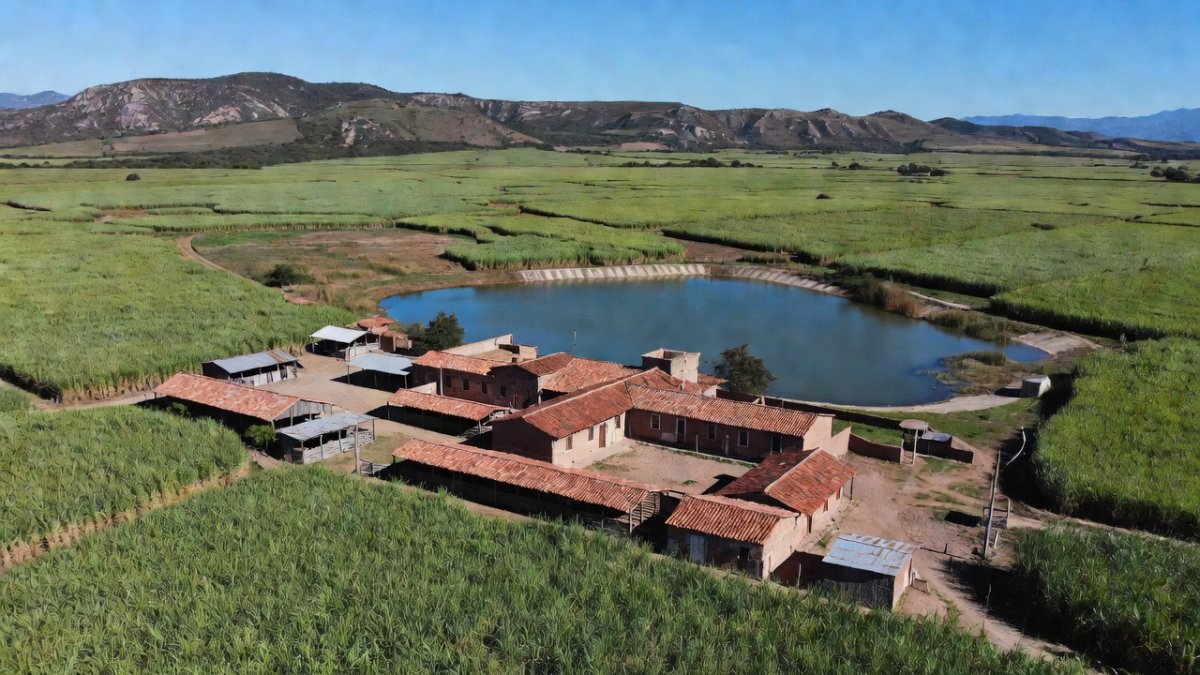
From Narco Hideout to Classroom: La Barbie's Ranch Becomes a School for Morelos Youth
In the heart of Morelos, where sugarcane fields sway under the warm Mexican sun, a profound transformation is taking shape. The former ranch El Paraíso, once owned by convicted drug lord Edgar Valdez Villarreal, known as "La Barbie," is being converted into a beacon of education and community health. Governor Margarita González Saravia announced Tuesday, August 18, 2026, during her weekly press conference that the property will house a technological agricultural high school, a center for traditional medicine, and an office dedicated to supporting Indigenous and Afro-Mexican communities.
The announcement marks a symbolic victory for the people of Atlacholoaya, a community in the municipio of Xochitepec, roughly a 35-minute drive south of Cuernavaca. For years, this property represented the dark allure of organized crime, a place that attracted young people toward a life of violence. Now, it is being reclaimed as a space for learning, healing, and cultural preservation. "We wanted to turn around a place that was an enemy of young people, because it attracted them to organized crime, and turn it into the exact opposite: an academic place and educational training for young people," Governor González Saravia said, her words resonating with the community's long-held hopes.
The decision to repurpose this land is not merely administrative; it is deeply personal for the families who have watched their children struggle to find educational opportunities close to home. The new facilities are expected to address a longstanding demand for secondary education infrastructure in the area, preventing young people from having to undertake long journeys to other municipalities just to continue their studies. This is a story about redemption, about a community choosing to write a new chapter over the ruins of a violent past.
Tags: La Barbie, Edgar Valdez Villarreal, Morelos, Atlacholoaya, Xochitepec, CBTA, traditional medicine, Margarita González Saravia, El Paraíso ranch, narco property, Mexico education, Indigenous communities
A Property Steeped in Violence and Excess
The story of El Paraíso is inextricably linked to the bloody history of the Beltrán Leyva cartel. The property was seized by authorities after Arturo Beltrán Leyva, the organization's leader, was killed by Mexican Navy personnel in a 2009 raid of a Cuernavaca apartment complex. Beltrán and his brothers had been senior figures in the Sinaloa Cartel before a violent split that plunged the region into chaos. The ranch, covering approximately 2.5 hectares, was a monument to the excesses of that era, complete with an artificial lake, stables, a swimming pool, dormitories, a lienzo charro, a bar, and spaces for shows.
Following its seizure, the property was transferred to Indep (Instituto para Devolver al Pueblo lo Robado), the federal agency responsible for administering and disposing of assets confiscated by the government. For years, the ranch sat in a state of limbo, deteriorating under government administration. Reports of vandalism and looting became common, as the once-glamorous hideout fell into disrepair. The buildings that once hosted lavish parties and clandestine meetings became hollow shells, a ghostly reminder of the violence that had touched so many lives in Morelos.
The property's fate took an unusual turn in 2021 when the National Lottery offered El Paraíso as one of 22 prizes in a raffle held on September 15. The lottery also included drug lord Joaquín "El Chapo" Guzmán's former safe house, homes, land, and a luxury box at Estadio Azteca. The money raised was intended to support federal social programs, including assistance for Olympic and Paralympic athletes. More than 773,000 tickets were sold nationwide for 250 pesos each, with the property valued at 61.43 million pesos for the drawing.
From Lottery Win to Community Asset
When the winning ticket was drawn, it was Nereida Morales, a woman from Jojutla in southern Morelos, who found herself the new owner of a notorious narco ranch. However, her initial joy quickly turned to concern. Upon inspecting the property, she found it in a state of significant deterioration, with maintenance costs that seemed insurmountable. Citing these challenges, Morales declined to take possession of the ranch, leaving its future uncertain.
This is where the Morelos state government stepped in with a vision. Governor González Saravia revealed that her administration actively sought out the lottery winner and negotiated a purchase. "We actively sought out the lottery winner and bought the ranch at a fair price to create the educational space," the governor explained. While the exact price remains undisclosed, the governor described it as a "fair price," reflecting a mutual desire to see the property serve a higher purpose. This negotiation represents a unique collaboration between a private citizen and the state to transform a symbol of crime into a public good.
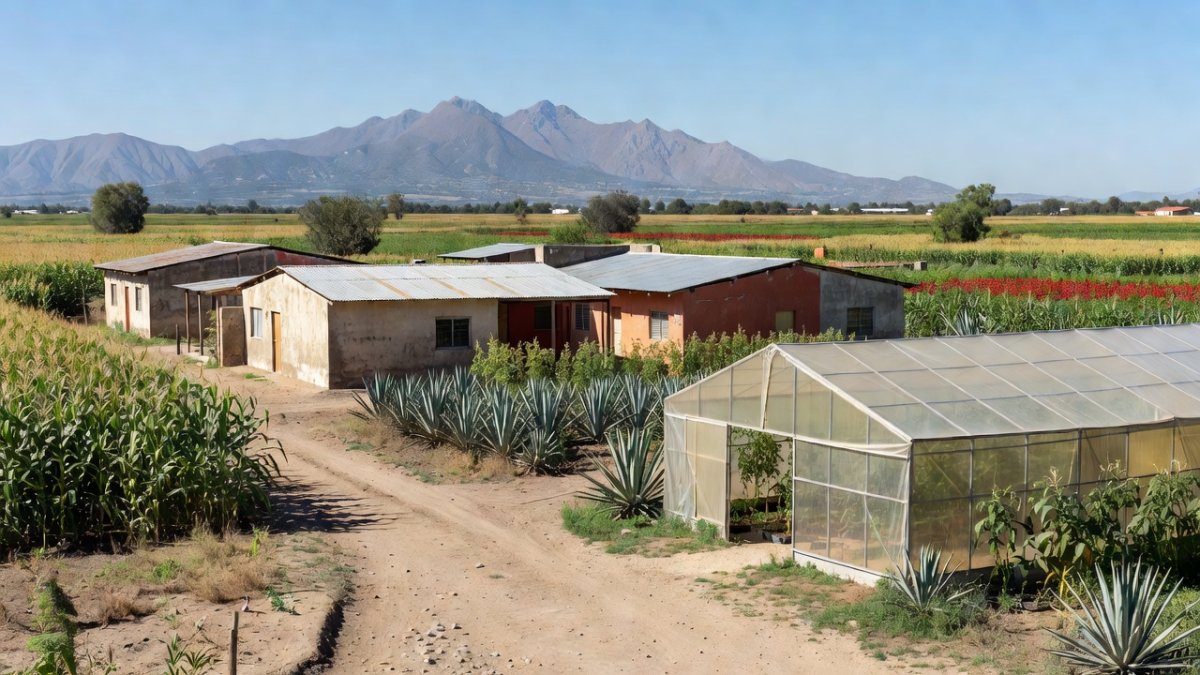
The acquisition of El Paraíso by the state government is a strategic move that goes beyond simple real estate. It is a statement that the state can reclaim spaces that were once lost to criminality and repurpose them for the benefit of the people. For the residents of Atlacholoaya and the surrounding areas, this means that a place that once represented fear and danger will now represent opportunity and hope. The community, surrounded by sugarcane and corn fields, is poised to become a center for agricultural education and traditional healing.
A New Educational Vision Rooted in Tradition
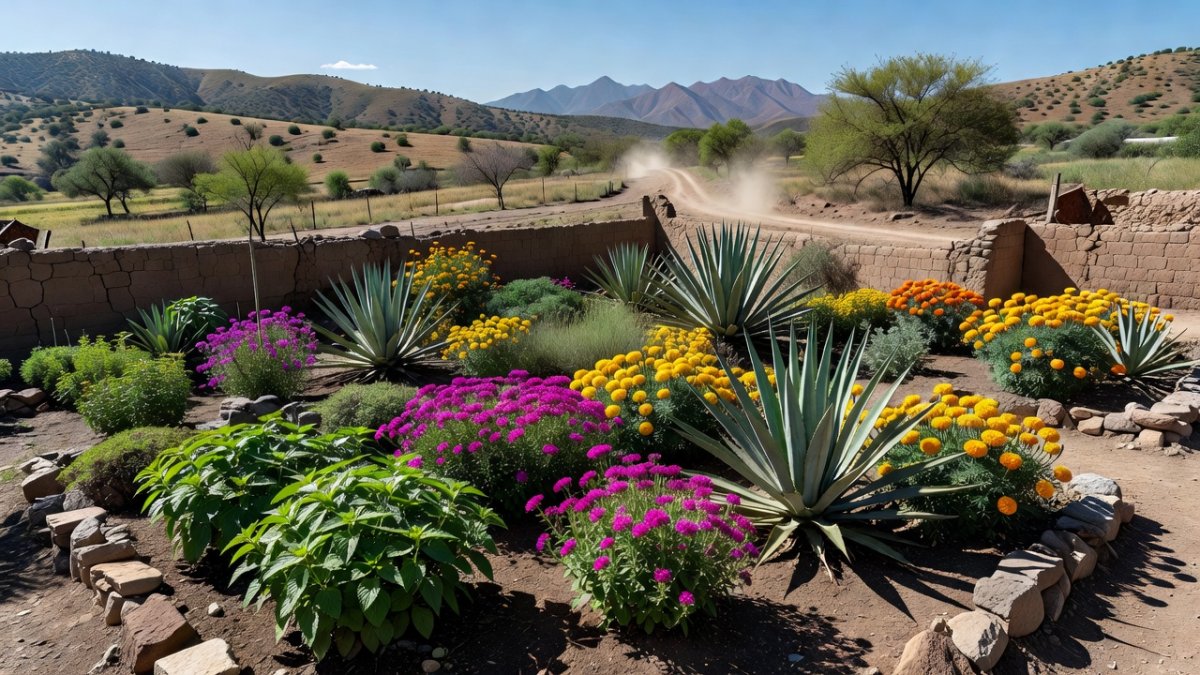
The centerpiece of this transformation is the establishment of a Centro de Bachillerato Tecnológico Agropecuario (CBTA), a technological agricultural high school. This is not just any school; its curriculum will be uniquely tied to traditional medicine and the ancestral knowledge held by Morelos' Indigenous communities. Students will have the opportunity to maintain a connection with their roots while developing practical skills at the traditional medicine center located on the same site. This integration of modern agricultural techniques with ancestral wisdom is a pioneering approach in Mexican education.
Spanish media reports indicate that the ranch will help expand the capacity of CBTA 194, an existing agricultural technology high school in Miacatlán, Morelos. This expansion is critical, as it will generate more spaces for young people who want to continue their studies without leaving their communities. The new campus will allow students to pursue a curriculum that values their cultural heritage while providing them with the technical skills needed for the 21st-century agricultural economy. It is an education model that sees tradition not as an obstacle to progress, but as a foundation for it.
The inclusion of a center for traditional medicine is particularly significant for the Indigenous communities of Morelos. This center will not only serve as a place for healing but also as a repository of knowledge, ensuring that ancestral practices are passed down to new generations. The Instituto de Pueblos y Comunidades Indígenas, a state agency created about two years ago, will have an office on the property, further cementing the state's commitment to supporting these communities. This holistic approach addresses both educational and health needs, recognizing that a community's well-being is multifaceted.
Timeline and Expectations for the New Complex
While the announcement has generated significant excitement, officials are being careful not to overstate the timeline. Construction and renovation work is expected to begin in the coming weeks, with Spanish media reporting that both spaces could begin operations in the first months of 2027. This is a phased process, and the community understands that transforming a dilapidated property into a functioning educational complex will take time. The state government is committed to doing this right, ensuring that the facilities are safe, modern, and fit for purpose.
The renovation of El Paraíso is a complex undertaking. The property includes an artificial lake, stables, a swimming pool, dormitories, bathrooms, halls, parking, and a lienzo charro, all of which have suffered from years of neglect and vandalism. The state will need to assess the structural integrity of these buildings and decide which can be repurposed and which need to be rebuilt. The goal is to create a campus that is both functional and inspiring, a place where students feel proud to learn and where the community feels a sense of ownership.
For the families in Atlacholoaya, the wait will be worth it. The promise of a local high school means that their children will no longer have to travel to other municipalities, a journey that is both costly and time-consuming. It means that education is accessible, that their culture is valued, and that their government is listening. The project is a testament to what can be achieved when a community and its leaders share a common vision for a better future.
The Legacy of La Barbie and the Future of Morelos
Edgar Valdez Villarreal, now 53, was born in Laredo, Texas, in 1973. Nicknamed "La Barbie" for his blond hair and blue eyes, he rose through the ranks of the Beltrán Leyva organization before his arrest in Mexico in 2010. He was extradited to the United States in 2015, where he pleaded guilty to four drug-trafficking counts and one money-laundering count. In 2018, he was sentenced to 49 years and one month in federal prison. His story is a cautionary tale of the drug trade's allure and its devastating consequences, a story that the people of Morelos know all too well.
However, the transformation of his former property signals a shift in the narrative. It is a move away from the glorification of the narco lifestyle and toward a future built on education and community resilience. Governor González Saravia's decision to turn "an enemy of young people" into an academic place is a powerful political statement. It aligns with the federal government's broader efforts, under President Claudia Sheinbaum's administration, to address the root causes of violence through social programs and educational opportunities. The Morelos state government, under González Saravia's leadership, is taking this mandate to heart.
The repurposing of El Paraíso is more than just a local project; it is a symbol for the entire country. It demonstrates that the state can reclaim assets from criminals and use them to build a better society. It shows that the cycle of violence can be broken, not just through law enforcement, but through investment in people. For the young people of Atlacholoaya, this ranch will no longer be a place of temptation and danger, but a place where they can learn, grow, and build a future for themselves and their families. The fields of sugarcane that surround the property will now be joined by the sounds of students, a new harvest of hope for Morelos.
By Rosa Martinez, Staff Writer
This article was produced with AI-assisted research and editorial support. Reporting is based on sources cited in the article.
What's Your Reaction?
 Like
0
Like
0
 Dislike
0
Dislike
0
 Love
0
Love
0
 Funny
0
Funny
0
 Wow
0
Wow
0
 Sad
0
Sad
0
 Angry
0
Angry
0
Latin America/Andes Correspondent at Global1.News. Based in Bogota, covering politics, environment, energy, and social movements across the Andean region. Passionate about environmental journalism and communities protecting their land.













Comments (0)