
Burnham declares EU reset a “landmark moment” but warns referendum required
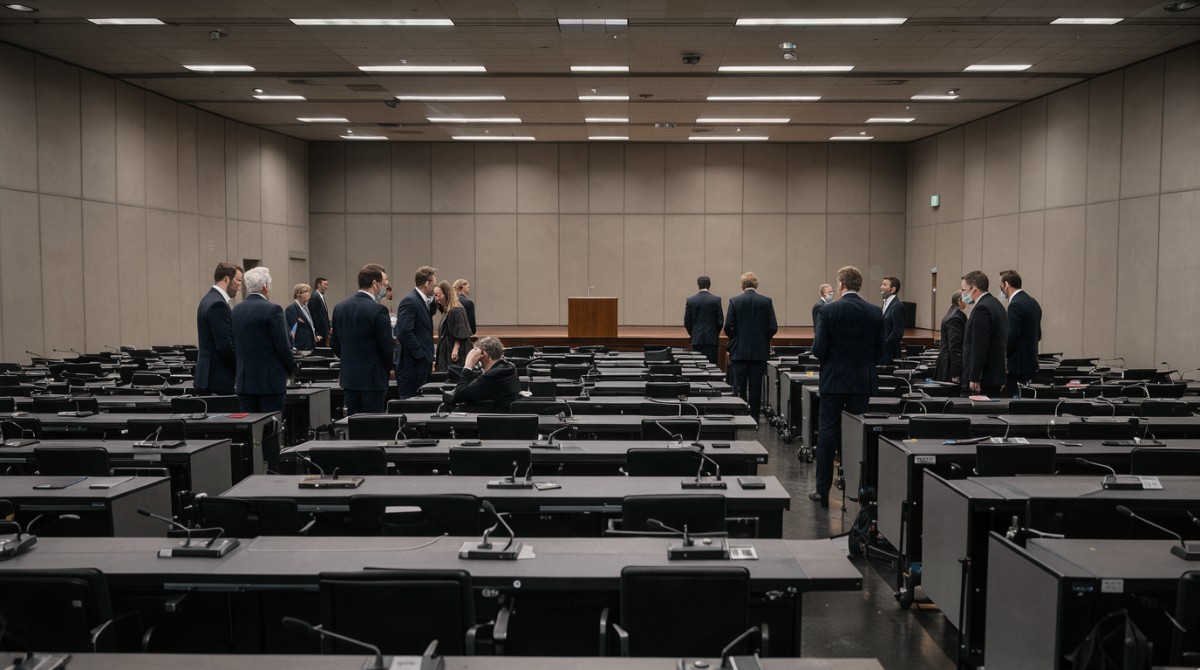
In a packed Commons chamber on 23 November 2026, Manchester mayor Andy Burnham framed the government’s new relationship with the European Union as a “landmark moment” for Britain’s future.
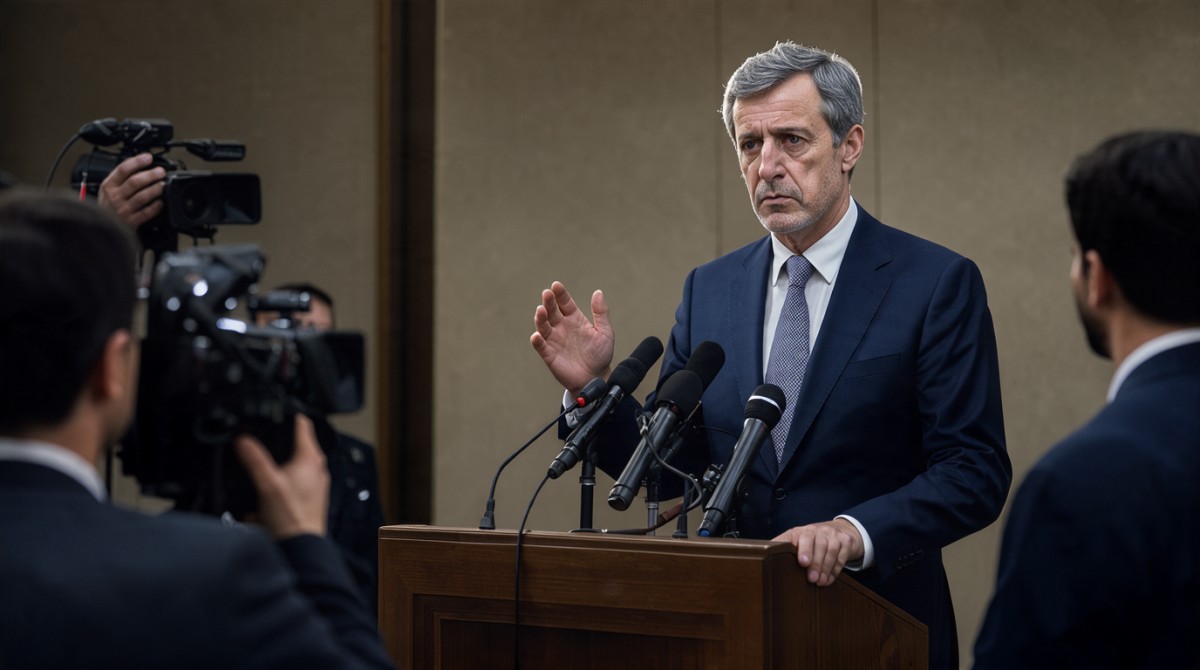
In a packed Commons chamber on 23 November 2026, Manchester mayor Andy Burnham framed the government’s new relationship with the European Union as a “landmark moment” for Britain’s future. Speaking to MPs, the prime minister – who also holds the foreign affairs brief – asserted that the majority of Britons now desire closer ties with Europe, yet he stopped short of pledging a return to full membership without a public vote. The remarks came as business leaders gathered in London for the Confederation of British Industry’s annual conference, where the “Brexit reset” deal was a central theme of debate.
Burnham’s declaration and the political calculus
Burnham’s statement to the House of Commons was deliberately framed to convey optimism while sidestepping the thorny question of sovereignty. By describing the EU reset as a “landmark moment”, he signalled a shift from the hard‑line post‑Brexit rhetoric that has dominated Westminster since 2016. Yet his insistence that re‑joining the bloc would be “unthinkable” without a referendum reflects a cautious approach, acknowledging the political risk of appearing to sideline democratic legitimacy.
The prime minister’s claim that “the vast majority of Britons wanted closer ties with Europe” was not accompanied by specific polling data in the video, but the phrasing suggests reliance on recent sentiment surveys that have shown a gradual softening of public opinion towards the continent. By coupling that claim with the referendum caveat, Burnham attempts to balance the desire for deeper integration with the legacy of the 2016 vote, which continues to shape the political landscape across Whitehall, devolved administrations and local councils.
Within the broader Westminster context, Burnham’s remarks also serve to placate factions within his own party that remain sceptical of any EU rapprochement. The Conservative leadership, still dealing with the fallout from the 2022 “Britain First” policy, is likely to scrutinise any move that could be portrayed as a retreat from the sovereignty narrative that underpins their electoral base. By positioning the reset as a “deal” rather than a full re‑entry, Burnham hopes to thread the needle between appeasing pro‑EU voices and avoiding a backlash from Eurosceptic backbenchers.
The CBI conference: business perspectives on the reset
The Confederation of British Industry’s annual conference, held in London on the same day, drew more than 700 delegates from across the private sector. The gathering provided a platform for senior executives to weigh the economic implications of the EU reset, particularly in relation to trade, regulation and the emerging challenges posed by artificial intelligence.
According to the footage, business leaders expressed a mixture of cautious optimism and pragmatic concern. Many welcomed the prospect of reduced friction in cross‑border trade, noting that smoother customs procedures could bolster supply chains that have been strained since the original Brexit exit. However, delegates also warned that any shift in the regulatory framework would need clear timelines and certainty to protect investment decisions that are currently being made under the existing UK‑EU arrangements.
Energy prices featured prominently in the discussions, with several speakers linking the reset to the broader debate on energy security. While the EU’s Green Deal offers pathways to cheaper, greener power, businesses remain wary of potential costs associated with aligning UK standards with European regulations. The conference’s agenda, as outlined in the video description, also included a session on the risks and benefits of AI, underscoring how technology policy is becoming intertwined with trade and regulatory considerations in the post‑Brexit era.
Implications for the UK’s economic strategy
The Burnham reset arrives at a moment when the Bank of England is navigating a delicate balance between curbing inflation and supporting growth. A closer alignment with EU standards could, in theory, reduce transaction costs for exporters and importers, thereby easing price pressures on consumers. Yet the absence of concrete figures in the briefing means that the economic impact remains speculative, hinging on the specifics of the forthcoming deal.
From a fiscal standpoint, the government will need to assess how any new alignment affects revenue streams, particularly in areas such as customs duties, VAT on cross‑border services and the administration of the Northern Ireland Protocol. The protocol, already a source of tension between Westminster and Dublin, could be reshaped by a reset that seeks to normalise trade flows while preserving the integrity of the UK’s internal market.
Moreover, the reset may influence the UK’s negotiating position in other trade agreements, including those with the United States and the Pacific Rim. Demonstrating a willingness to cooperate with the EU could be leveraged as a sign of diplomatic flexibility, potentially enhancing the UK’s credibility in multilateral forums. Conversely, if the reset is perceived as a step back from the autonomy championed in recent years, it could provoke scepticism among partners who value the UK’s independent regulatory stance.
Devolved administrations and the reset debate
Scotland, Wales and Northern Ireland each have distinct stakes in the EU relationship, and Burnham’s comments will inevitably reverberate in their capitals. The Scottish Government, long‑standing in its advocacy for EU re‑integration, is likely to welcome the “landmark moment” framing, interpreting it as a signal that Westminster is moving towards a more collaborative stance.
In Wales, the focus may be more pragmatic, centred on how the reset could affect cross‑border trade with England and the broader UK market. Welsh ministers will be watching closely for any regulatory divergences that could complicate supply chains, especially in sectors such as agriculture and manufacturing that are heavily integrated across the UK.
Northern Ireland remains the most sensitive case, given the delicate balance maintained by the current protocol. Any shift towards closer EU alignment must address the concerns of unionist parties who view the protocol as a threat to the union, while also considering the economic benefits that smoother trade with the Republic of Ireland brings. Burnham’s insistence on a referendum before any full re‑entry could be interpreted as a concession to the principle of democratic consent that underpins the protocol’s design.
Public sentiment and the referendum question
The prime minister’s emphasis on a future referendum reflects an acute awareness of the lingering divisions that the 2016 vote left in its wake. While the video does not provide polling data, the assertion that “the vast majority of Britons wanted closer ties with Europe” suggests that public opinion may have shifted enough to warrant a reconsideration of the UK’s EU relationship.
However, the political calculus of calling a second referendum is fraught. Opposition parties, particularly the Labour and Liberal Democrat benches, have long advocated for a public vote on any major constitutional change. Yet the Conservative opposition may seize on the referendum demand as an opportunity to portray the government as indecisive or as pandering to a vocal minority.
Beyond party politics, the referendum question also touches on deeper societal debates about national identity, sovereignty and the future direction of the UK. The public’s appetite for a new vote will likely be shaped by how the reset is communicated in the coming months, especially if tangible benefits – such as lower energy costs or smoother trade – become evident.
Looking ahead: the roadmap for the EU reset
In the immediate aftermath of Burnham’s declaration, the government has signalled that detailed negotiations with Brussels will commence within weeks. The video’s timestamped sections indicate that the prime minister will present the EU reset deal, followed by a segment on how businesses feel about the reset, and concluding with a questioning of the Business Secretary on the specifics of the arrangement.
Stakeholders across the spectrum – from the CBI delegates to devolved administrations and civil society groups – will be monitoring these negotiations closely. The absence of precise figures in the current briefing means that the next phase will involve intense scrutiny of the deal’s clauses, particularly those relating to regulatory alignment, customs procedures and the mechanisms for a future referendum.
Ultimately, the success of the reset will hinge on its ability to deliver measurable benefits to the British economy while respecting the democratic principle that underlies the nation’s constitutional framework. As Burnham’s “landmark moment” unfolds, the interplay between political pragmatism, economic necessity and public consent will define whether the UK can chart a new course with Europe without reigniting the polarising debates that have dominated British politics for the past decade.
By Erica Thornton, Staff Writer
This article was produced with AI-assisted research and editorial support. Reporting is based on the source material cited below. Sources: Channel 4 News video report (23 November 2026); Channel 4 News; Global1.News
What's Your Reaction?
 Like
0
 Dislike
0
 Love
0
 Funny
0
 Wow
0
 Sad
0
 Angry
0

US Politics and Policy Correspondent at Global1.News. Based in Washington DC, covering American politics, policy, elections, and the courts. Knows how the system works and tells you what it actually means.












Comments (0)