
Iran Faces 'Economic Asphyxiation' as Washington Tightens Sanctions
The latest American sanctions salvo against Tehran lands at a moment when the Islamic Republic's strategic patience is being tested on multiple fronts simultaneously, from the six-month-old US-Israeli military campaign to the quiet erosion of its domestic economic resilience.
The latest American sanctions salvo against Tehran lands at a moment when the Islamic Republic's strategic patience is being tested on multiple fronts simultaneously, from the six-month-old US-Israeli military campaign to the quiet erosion of its domestic economic resilience. Washington's new financial offensive, framed by Treasury Secretary Scott Bessent as "economic asphyxiation," represents a deliberate escalation in the pressure campaign that began with the 2018 withdrawal from the nuclear deal — but this time, the battlefield is not just Iran's oil terminals, but the very social contract between the state and its citizens.
Iran Faces 'Economic Asphyxiation' as Washington Tightens Sanctions Noose
Beirut, Lebanon – August 28, 2026 — As fuel queues stretch for kilometres across Tehran and other major Iranian cities, the United States has unveiled what it calls its largest financial offensive against the Islamic Republic, targeting nearly 60 entities linked to Iranian oil, weapons, and cyber operations. The Aug 25 package, announced by Treasury Secretary Scott Bessent, includes secondary sanctions aimed at any country or entity that continues to facilitate Iranian oil transactions — a warning that no nation, including China, is exempt from Washington's reach. With the US-Israeli war on Iran approaching its six-month mark and a naval blockade of Iranian ports in place since the conflict began, the question is no longer whether sanctions will bite, but whether they will trigger the kind of social unrest that could reshape the regime's calculations.
The Mechanics of Economic Asphyxiation
Bessent's framing of the strategy as "economic asphyxiation" is more than rhetorical flourish; it reflects a deliberate shift in how Washington is wielding its financial leverage. Unlike the 2018 maximum pressure campaign, which focused primarily on cutting off Iranian oil revenues, the current approach targets the entire ecosystem that sustains Iran's economy — from tanker operators and insurance providers to the Hong Kong-based shippers and front companies that have helped Tehran circumvent previous sanctions. The Treasury's decision to sanction a tanker and a Hong Kong shipping firm, rather than directly targeting Chinese banks tied to the US financial system, signals a calibrated approach designed to avoid a full-blown rupture with Beijing while still squeezing Iran's lifeline.
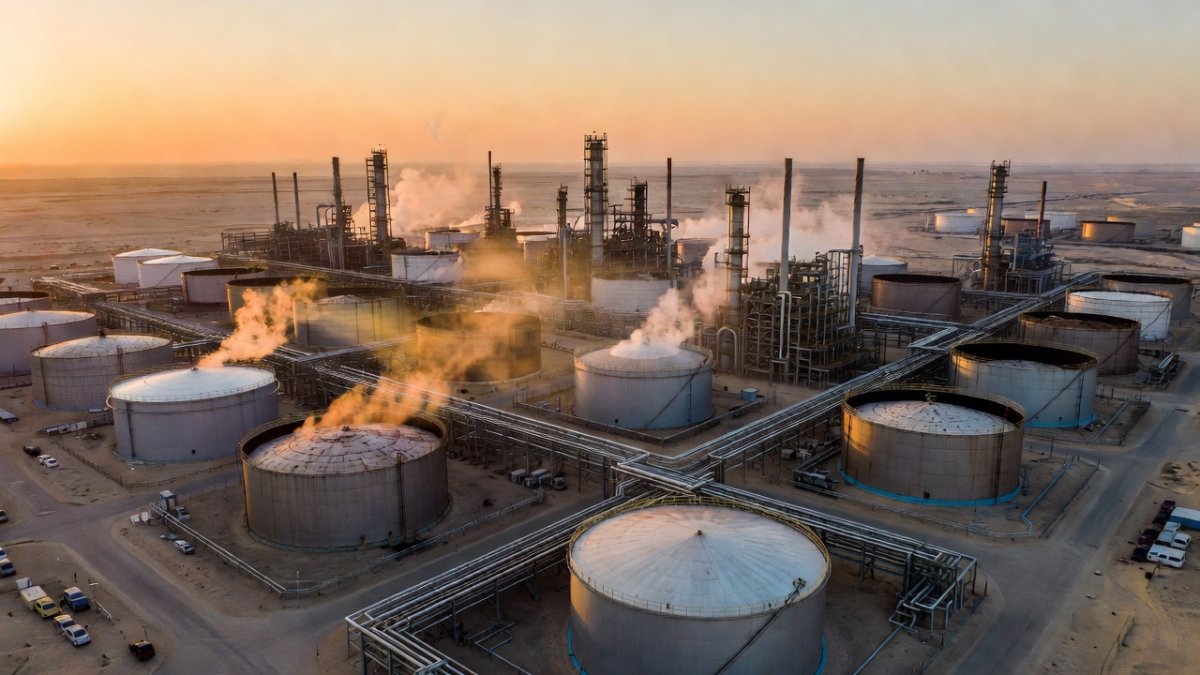
The numbers tell a stark story. Iran produces approximately 120 million liters of gasoline per day against daily consumption of around 135 million liters — a structural deficit of roughly 15 million liters that has been exacerbated by US-Israeli strikes on Iranian refining infrastructure. The Energy Optimisation Organisation has confirmed the shortfall, and Iran International reports that fuel reserves may run dry within weeks. This is not merely an inconvenience; it is a strategic vulnerability that Washington has identified and is now exploiting with surgical precision. The 2019 nationwide fuel price protests, which saw hundreds killed in the streets, remain a vivid memory for both the regime and its citizens — and the current situation carries uncomfortable echoes of that unrest.
Tehran's Divided Response: Defiance and Alarm
Iranian leadership is sending mixed signals that reveal internal divisions over how to confront the escalating pressure. President Masoud Pezeshkian has publicly dismissed the sanctions as ineffective, insisting that Iran has stood firm despite what he calls a full-scale war. This is the language of revolutionary defiance, designed to project strength to both domestic audiences and regional allies. Yet the reality on the ground suggests a more anxious calculus. Parliament Speaker Mohammad Bagher Ghalibaf has called for national unity in the face of what he describes as an "all-out economic war" — a formulation that implicitly acknowledges the severity of the threat while attempting to frame it as an external aggression that demands internal cohesion.
Economy Minister Ali Madanizadeh struck a similarly defiant tone, declaring that "we are fully prepared for the US sanctions" and that "the enemies intend to launch an economic terrorist attack on us, but we also have our own tools and know how to play the game." Yet the gap between official rhetoric and lived reality is widening. Government officials have confirmed impending petrol price increases without disclosing timing or magnitude — a politically explosive move that risks reigniting the kind of protests that shook the regime in 2019. The regime's dilemma is acute: raise prices to manage scarcity and risk social unrest, or maintain subsidies and risk economic collapse. Either path carries existential implications.
The China Factor: Tehran's Lifeline and Washington's Dilemma
At the heart of this economic war lies the question of China. Beijing purchases roughly 80% of Iran's oil exports and remains Tehran's largest trading partner, providing the hard currency that keeps the Iranian economy afloat. The Trump administration's decision to sanction a tanker and a Hong Kong shipper rather than Chinese banks reflects a careful balancing act: Washington wants to disrupt Iranian oil flows without triggering a broader confrontation with Beijing that could destabilize global markets and complicate other strategic priorities. China has vowed to defend its interests, and the New York Times reports that the administration has added more than 1,000 entities to its sanctions list since the start of Trump's second term — a staggering pace that underscores the centrality of the Iran file to US strategy.
Yet China's position is more complicated than simple defiance. Beijing has its own economic vulnerabilities, including its reliance on US financial markets and technology. The Chinese government has historically been willing to absorb some sanctions risk to secure Iranian oil at discounted prices, but the calculus shifts when the threat extends to secondary sanctions that could cut Chinese entities off from the US financial system entirely. The Treasury's warning that "no country is exempt" is a direct message to Beijing, and the coming months will reveal whether China's commitment to Iran extends beyond transactional oil purchases to strategic defiance of US financial hegemony. For Tehran, the stakes could not be higher: if China capitulates to US pressure, Iran's economic isolation becomes near-total.
Regional Dynamics: Gulf Hedging and the Shadow of Hormuz
The sanctions offensive unfolds against a backdrop of profound regional realignment. The Gulf states, particularly Saudi Arabia and the UAE, have spent years hedging between Washington and Tehran, maintaining diplomatic channels with Iran even as they deepen security cooperation with the United States. The current crisis tests that balancing act. On one hand, the Gulf monarchies have no love for the Islamic Republic and have quietly welcomed the degradation of Iran's military and economic power. On the other, they fear the consequences of a collapsed Iranian state — refugee flows, regional instability, and the potential for Iranian retaliation through proxies or direct attacks on Gulf infrastructure.
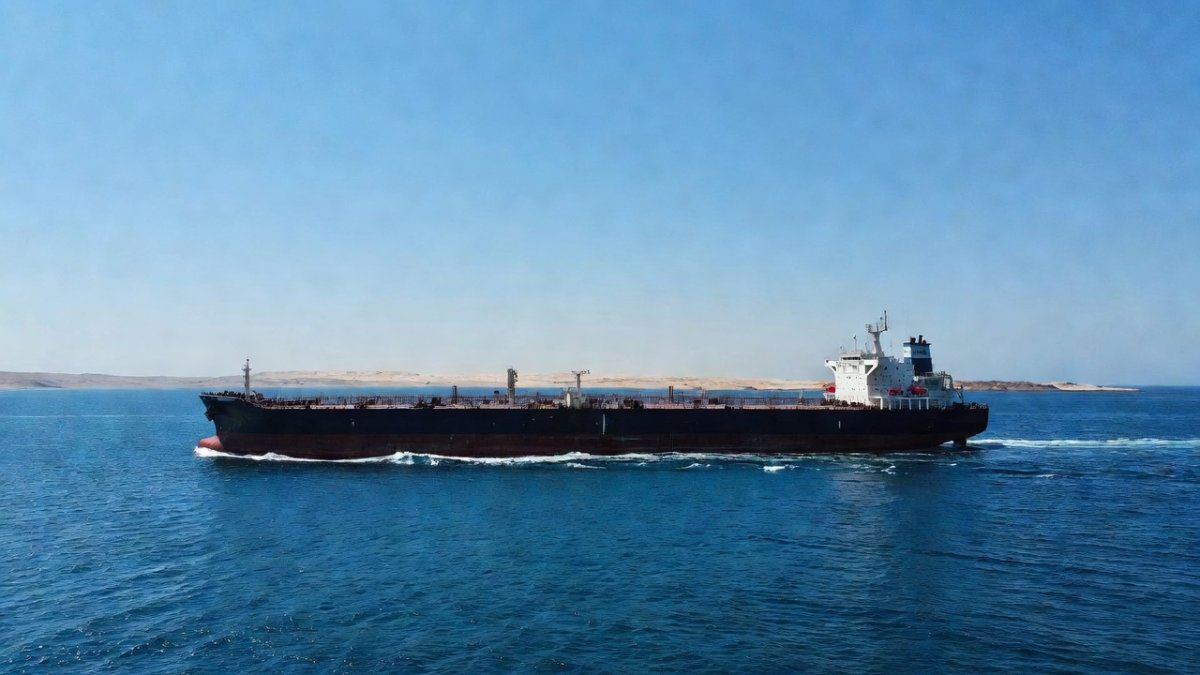
The Strait of Hormuz remains the critical chokepoint, through which roughly 20% of global oil supplies transit. Iran has historically threatened to close the strait in response to existential pressure, and past tanker seizures have demonstrated Tehran's willingness to disrupt shipping. The naval blockade imposed by US and Israeli forces since the war began has already escalated tensions in the waterway, and the new sanctions package raises the risk of Iranian retaliation. Any significant disruption to Hormuz would send oil prices soaring, hitting global markets and particularly vulnerable economies in Asia and Europe. The Gulf states, despite their alignment with Washington, have a vested interest in preventing such an outcome — a factor that limits the degree to which they will fully cooperate with the sanctions regime.
The Domestic US Dimension: Midterms and the Politics of Pressure
The Atlantic has reported on the domestic US political dimension of the Iran strategy, noting that the administration is mindful of the November midterm elections. The war with Iran, now approaching its sixth month, has become a defining issue in American politics, with critics questioning the cost and duration of the campaign while supporters argue that economic pressure is the most effective way to force Tehran to the negotiating table. Bessent's "economic D-Day" framing is clearly designed to project strength and resolve, but it also carries political risk: if the sanctions fail to produce visible results — or if they trigger a humanitarian crisis that generates international condemnation — the administration could face a domestic backlash.
The historical parallel is instructive. The 2018 maximum pressure campaign under Trump's first term succeeded in collapsing Iranian oil exports but failed to achieve the stated goal of forcing Tehran to renegotiate the nuclear deal. Instead, it pushed Iran to accelerate its nuclear program and expand its regional proxy activities. The current campaign faces similar risks. Analysts quoted by the New York Times warn that Iranian leaders may feel they have little to lose and could respond with military escalation, potentially targeting US assets in the region or intensifying attacks on Israel. The regime's "resistance economy" doctrine, developed over decades of sanctions, has proven resilient but not invulnerable — and the combination of military strikes, naval blockade, and financial strangulation may finally exceed the threshold of what the system can absorb.
What Comes Next: Scenarios and Strategic Implications
Three scenarios emerge from the current trajectory. The first is a gradual Iranian capitulation, in which economic pressure forces Tehran to accept a new nuclear agreement on terms more favorable to Washington and its allies. This outcome, while the stated goal of the sanctions campaign, appears unlikely in the near term given the regime's ideological commitment to resistance and its fear that concessions would signal weakness to both domestic opponents and regional rivals. The second scenario involves a humanitarian crisis that triggers widespread social unrest, potentially threatening the regime's survival. The fuel shortages and impending price increases create the conditions for such an outcome, but the regime's security apparatus has proven adept at suppressing protests — and the 2019 experience demonstrated that the costs of repression, while high, are not prohibitive.
The third scenario, and perhaps the most dangerous, is a military escalation born of desperation. Iranian leaders, facing economic collapse and military degradation, may calculate that they have nothing to lose by striking out — whether through closing Hormuz, launching missile attacks on Gulf states, or intensifying operations against US forces in the region. Such an escalation would draw the United States deeper into the conflict, with unpredictable consequences for regional stability and global energy markets. The Gulf states, despite their alignment with Washington, would be caught in the crossfire, and their hedging strategies would be tested to the breaking point.
For the broader Middle East, the outcome of this confrontation will shape the regional order for years to come. A weakened Iran would embolden its rivals — Israel, Saudi Arabia, and the UAE — while potentially creating a power vacuum that non-state actors like Hezbollah and the Houthis would seek to fill. A defiant Iran that weathers the sanctions storm would emerge with renewed credibility among its allies and a demonstrated capacity to resist US pressure. The Arab-Israeli normalization dynamic, already complicated by the war, would be further reshaped by the outcome. And the great power competition between Washington and Beijing, playing out in the shadows of this crisis, would determine whether the United States can still enforce its will in a region where its influence has been steadily contested.
The coming weeks will be critical. Fuel reserves are dwindling, prices are set to rise, and the Iranian leadership faces a choice between economic pragmatism and revolutionary defiance. Washington, for its part, must navigate the fine line between applying enough pressure to force concessions and pushing Iran into a corner where escalation becomes the only rational option. The stakes extend far beyond Iran's borders — they encompass the future of the Gulf, the stability of global energy markets, and the credibility of American power in a region that has grown accustomed to its retreats. As the queues lengthen at Tehran's petrol stations, the world watches to see whether economic asphyxiation will achieve what military strikes could not.
By Malik Hassan, Staff Writer
This article was produced with AI-assisted research and editorial support. Reporting is based on sources cited in the article.
What's Your Reaction?
 Like
0
Like
0
 Dislike
0
Dislike
0
 Love
0
Love
0
 Funny
0
Funny
0
 Wow
0
Wow
0
 Sad
0
Sad
0
 Angry
0
Angry
0

Middle East Correspondent at Global1.News. Based in Beirut, covering politics, conflict, energy, and society across the Middle East. Brings context and depth to a region often reduced to headlines.










Comments (0)