
House Lawmakers File Counter-Affidavits vs Carpio Complaint Over Bank Records
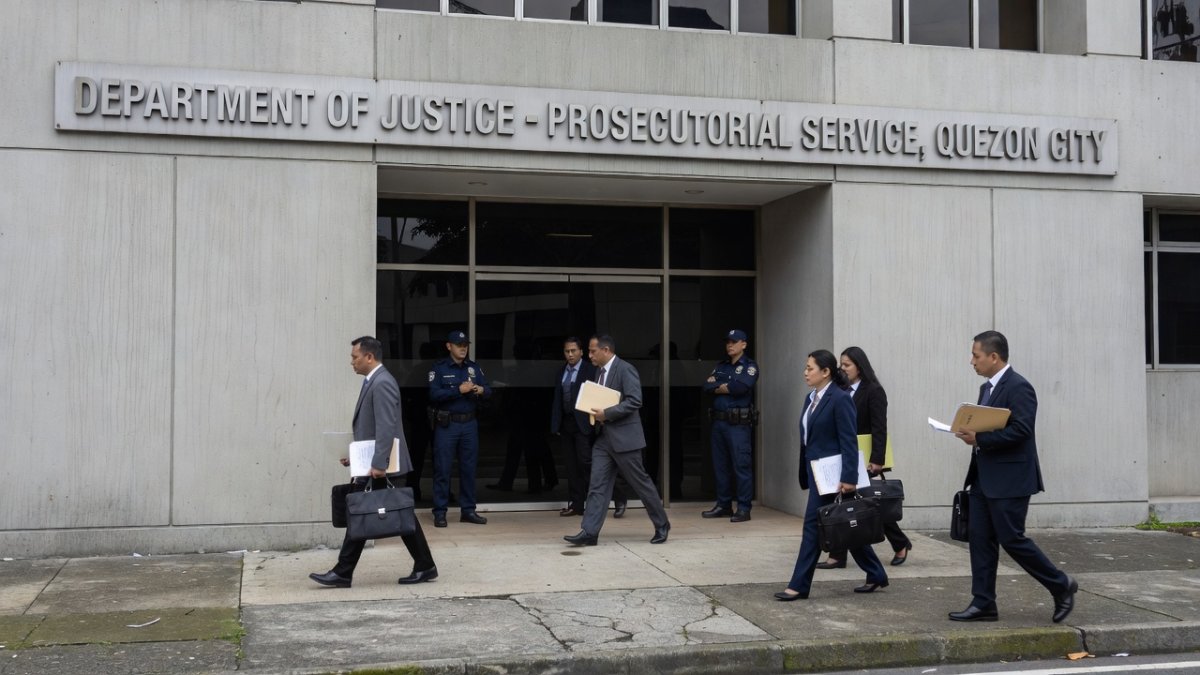
In a recent ANC 24/7 report covering the House Committee on Justice proceedings, four lawmakers arrived at the Quezon City Prosecutor's Office on Friday to file counter-affidavits against the complaint lodged by Atty. Manases "Mans" Carpio, husband of Vice President Sara Duterte. The filings respond to allegations that the lawmakers violated bank secrecy, anti-money laundering, and privacy laws by disclosing financial records during impeachment deliberations.
In a recent ANC 24/7 report covering the House Committee on Justice proceedings, four lawmakers arrived at the Quezon City Prosecutor's Office on Friday to file counter-affidavits against the complaint lodged by Atty. Manases "Mans" Carpio, husband of Vice President Sara Duterte. The filings respond to allegations that the lawmakers violated bank secrecy, anti-money laundering, and privacy laws by disclosing financial records during impeachment deliberations. This case directly touches the daily concerns of Filipino families who expect transparent governance from their elected officials in Congress.
House Lawmakers File Counter-Affidavits Against Mans Carpio Complaint Over Bank Records
Manila, Philippines – This week — Four House lawmakers submitted their responses at the Quezon City Prosecutor's Office on Friday, July 31, 2026, challenging the supplemental complaint filed by Atty. Manases Carpio. Kabataan Rep. Renee Co, ACT Teachers Rep. Antonio Tinio, Bicol Saro Rep. Terry Ridon, and Manila 3rd District Rep. Joel Chua each delivered counter-affidavits disputing claims that they breached Republic Act No. 1405 and the Anti-Money Laundering Act. The complaint centers on disclosures made during House Committee on Justice hearings on the impeachment complaint against Vice President Sara Duterte.
The Story — Lawmakers Respond to Financial Records Complaint
The supplemental complaint became public only when the four respondents filed their counter-affidavits on Friday. Carpio had announced on April 27, 2026, that he would pursue criminal charges against lawmakers and Anti-Money Laundering Council officials for allegedly weaponizing the Vice President’s bank records. During the House justice panel hearings, AMLC Executive Director Ronel Buenaventura testified that the Vice President and Carpio recorded P6.7 billion in covered and suspicious transactions from 2006 to 2025. The panel also learned that the couple’s Statements of Assets, Liabilities and Net Worth from 2019 to 2024 listed no cash on hand or in banks.
Rep. Terry Ridon described the complaint as baseless and trash, stating that the four lawmakers were simply included in the original case. Rep. Renee Co said the filing aims to derail efforts toward accountability. House Assistant Minority Leader Chel Diokno of Akbayan party-list filed his own counter-affidavit the same day, declaring that the lawmakers performed their constitutional duty under the House impeachment rules that grant the justice committee power to compel production of documents. Mamamayang Liberal party-list Rep. Leila De Lima also submitted her counter-affidavit on Friday.

The four lawmakers who filed their counter-affidavits represent districts and party-lists that often highlight the struggles of young people, teachers, and rural communities in places like Bicol and Manila. Their responses emphasize that the disclosures happened only after the House justice committee exercised its authority to gather evidence during the impeachment process. This approach mirrors past congressional inquiries where financial documents helped clarify whether public funds were used properly, giving ordinary citizens in sari-sari stores and barangay halls a clearer view of how leaders manage resources.
Details from the AMLC testimony presented during the hearings showed specific categories of transactions, including credit memos and check deposits, that raised questions about the couple’s reported finances. The lawmakers noted that their actions followed standard procedures for impeachment inquiries rather than any intent to breach privacy rules. By submitting their documents together at the Quezon City Prosecutor’s Office, the group underscored a shared commitment to defending legislative oversight against what they see as attempts to shift focus away from accountability.
Residents in Davao and Cebu, where the Vice President maintains strong ties, have watched these filings closely because the case involves records spanning nearly two decades. The counter-affidavits point out that the supplemental complaint surfaced only after the original proceedings gained momentum, suggesting a strategy to complicate the House panel’s work. This development adds another layer to the ongoing exchange between the legislative branch and the Vice President’s legal team.
Legal observers note that the involvement of additional respondents like Chel Diokno and Leila De Lima broadens the discussion beyond the initial four lawmakers. Their filings reinforce the argument that the House committee operated within constitutional bounds when it compelled banks and the AMLC to provide information. Such coordinated responses help illustrate how party-list representatives balance their advocacy roles with the demands of congressional duty.
Philippine Context — Impeachment Powers and Congressional Authority
The filings occur amid parallel developments in the Senate impeachment court. On Thursday, the Office of the Clerk of Court received financial records of Vice President Duterte, Carpio, and 20 related entities after President Ferdinand Marcos Jr. authorized the release of tax records covering 2007 to 2025. The Bureau of Internal Revenue delivered four red boxes containing those records, while the AMLC and six banks—Bank of the Philippine Islands, BDO Unibank, Philippine Savings Bank, Metropolitan Bank & Trust Company, Landbank of the Philippines, and Security Bank Corporation—complied with subpoenas. The Senate impeachment court will next examine these records under Article II of the impeachment articles concerning alleged unexplained wealth.
The House rules explicitly empower the justice committee to issue compulsory processes for witnesses and documents during impeachment inquiries. The Constitution grants the House exclusive power to initiate impeachment cases. Lawmakers argue their disclosures occurred within this framework rather than in violation of bank secrecy statutes. This tension reflects ongoing debates in Philippine governance about the balance between congressional oversight and individual privacy protections.
The tension between bank secrecy laws and congressional impeachment authority has surfaced in earlier Philippine cases, where courts had to weigh privacy protections against the public’s right to know about possible misuse of power. The House justice committee’s compulsory processes, rooted in the Constitution’s grant of exclusive impeachment initiation to the lower chamber, allow panels to request records from agencies like the AMLC without first seeking individual consent. This framework supports thorough reviews of financial flows, especially when SALN filings show discrepancies with reported inflows over many years.
Under the Anti-Money Laundering Act, covered transactions above P500,000 in a single day trigger reporting requirements that the AMLC then shares with authorized bodies during formal inquiries. The Senate impeachment court’s receipt of BIR records in four red boxes, authorized by President Marcos, demonstrates how executive cooperation can advance such proceedings when tax data from 2007 onward is needed. Lawmakers argue this process protects institutional checks rather than undermining personal privacy statutes like RA 1405.
Historical patterns in Philippine governance show that impeachment inquiries often test the boundaries between branches, particularly when large sums appear in suspicious transaction reports. The current filings highlight how the justice committee’s rules enable access to bank data from institutions such as BPI and Landbank, ensuring that evidence on alleged unexplained wealth can be examined fully. This balance remains central to maintaining public confidence in the system across regions from Manila to Mindanao.
Impact on Filipinos — Accountability and Public Trust
Filipino families in barangays across Manila, Quezon City, Cebu, and Davao follow these proceedings because they involve questions of how public officials handle large financial flows. The AMLC data presented to the House panel showed total inflows of approximately P1.51 billion from 2006 to 2022, including P1.41 billion in credit memo transactions. When elected leaders face scrutiny over unexplained wealth, ordinary citizens question whether government services and budgets receive proper oversight. Workers and OFWs who file their own SALNs and pay taxes expect the same standards applied to high officials.
Students and farmers in provinces such as Bicol and the Cordilleras watch the case because impeachment outcomes can influence budget allocations and policy priorities set by Congress and the executive branch. The decision to open the BIR boxes and bank records signals that financial transparency mechanisms remain active even when powerful figures are involved. This process affects daily life by shaping public confidence in institutions like the Ombudsman, the Senate, and the House.
Families in provinces like Bicol and the Cordilleras often discuss these proceedings during community gatherings because they wonder whether large financial movements affect local budgets for schools and health centers. When lawmakers defend their right to review records showing P1.51 billion in inflows, it reminds workers and OFWs who diligently declare their own assets that accountability standards apply at every level. The absence of bank holdings in the joint SALN filings from 2019 to 2024 raises questions that touch daily life for those relying on transparent use of public resources.
Barangay leaders in Quezon City and Manila note that trust in institutions grows when congressional panels pursue evidence without fear of counter-complaints. The case involving the Vice President’s financial history connects to broader concerns about how unexplained wealth might influence policy decisions affecting farmers and small vendors. By filing counter-affidavits, the lawmakers signal that protecting inquiry powers ultimately serves communities that expect fair governance.
Young people and students following the Senate proceedings see the handling of Article II evidence as a test of whether financial transparency tools work for everyone. The compliance of six banks with subpoenas shows that established legal channels remain open even in high-profile matters. This process can strengthen or weaken public faith depending on how fairly the records are weighed in the impeachment court.
Reactions and Responses — Statements from Lawmakers and Stakeholders
Rep. Chel Diokno stated that the lawmakers filed their counter-affidavits because they believe the case lacks basis and that they simply performed their constitutional duty. He emphasized that the House Committee on Justice actions did not violate any law. Rep. Terry Ridon and Rep. Renee Co echoed that the complaint serves to obstruct accountability efforts. Defense spokesman Michael Poa indicated the defense may still object to certain evidence from the BIR boxes during Senate proceedings.
Civil society groups and party-list organizations aligned with the lawmakers have voiced support for the counter-affidavits, framing the filings as necessary to protect legislative inquiry powers. Social media discussions in recent days have centered on the P6.7 billion in reported transactions and the absence of bank declarations in the Vice President’s SALNs. Affected communities, including those represented by the four lawmakers, view the response as a stand against attempts to intimidate members of Congress.
Party-list groups aligned with the respondents have organized discussions in Manila and Cebu to explain why the counter-affidavits focus on constitutional duties rather than personal disputes. These gatherings highlight how the complaint could affect future legislative inquiries if lawmakers hesitate to request financial data. Stakeholders emphasize that the filings protect the ability of representatives like those from ACT Teachers and Kabataan to advocate for their sectors without legal repercussions.
Community voices in Davao express mixed feelings, with some supporting the Vice President while others call for full examination of the AMLC data on suspicious transactions. The statements from Diokno and Ridon resonate with residents who value bayanihan spirit in holding leaders accountable. Social media conversations continue to reference the scale of reported transactions, prompting everyday citizens to reflect on their own expectations of public officials.
Defense preparations in the Senate court, including possible objections to BIR documents, add another dimension that civil society monitors closely. Groups backing the lawmakers view the coordinated counter-affidavits as a collective stand that reinforces congressional independence. This response helps maintain momentum for the impeachment process while addressing concerns from affected districts.
What to Watch For
The Senate impeachment court will next address the subpoenaed bank and tax records under Article II after completing presentations on grave threats under Article IV. Defense lawyers may file legal remedies questioning the admission of the BIR documents. Pending deadlines for further counter-affidavits and possible motions before the Quezon City Prosecutor’s Office will determine whether the complaint advances to formal charges.
These steps carry direct implications for how future impeachment inquiries handle financial evidence and for the broader relationship between the House, Senate, and executive branch. Filipino voters will assess the outcomes when they evaluate congressional performance in upcoming sessions.
The proceedings underscore the continuing role of congressional oversight in addressing questions of public accountability that affect every household from sari-sari stores in Quezon City to farming communities in Mindanao.
Upcoming sessions in the Senate impeachment court will focus on Article II evidence after the allotted dates for Article I conclude, allowing detailed review of the tax and bank records from the four red boxes. Observers expect motions from the defense regarding admissibility, which could shape how similar financial disclosures are handled in future cases. The Quezon City Prosecutor’s Office will also process remaining deadlines that determine if the supplemental complaint moves forward.
Filipino voters in regions such as Bicol and Cebu will track these developments because outcomes influence how Congress approaches oversight of high officials. The interplay between House initiation powers and Senate trial procedures continues to evolve with each new piece of evidence submitted. This ongoing process affects public perception of whether accountability mechanisms deliver results for ordinary households.
Further compliance from agencies and banks may bring additional details into the open, helping clarify the path for both prosecution and defense teams. Lawmakers and stakeholders alike note that the coming weeks will test the resilience of institutional checks amid the impeachment proceedings. These steps ultimately guide how the country addresses questions of public trust in the months ahead.
By Bella Reyes, Staff Writer
This article was produced with AI-assisted research and editorial support. Reporting is based on sources cited in the article.
What's Your Reaction?
 Like
0
Like
0
 Dislike
0
Dislike
0
 Love
0
Love
0
 Funny
0
Funny
0
 Wow
0
Wow
0
 Sad
0
Sad
0
 Angry
0
Angry
0

Philippines/Southeast Asia Correspondent at Global1.News. Manila-based journalist covering Philippine politics, environment, maritime security, and social issues. Passionate about marine conservation and the communities protecting the Philippines' natural heritage.














Comments (0)