
Bursa's historic 'Kebapçı Iskender' arrives in London's Knightsbridge
In the intricate tapestry of Middle Eastern cultural influence, food often serves as a subtle conduit for soft power, linking heritage to contemporary geopolitics.
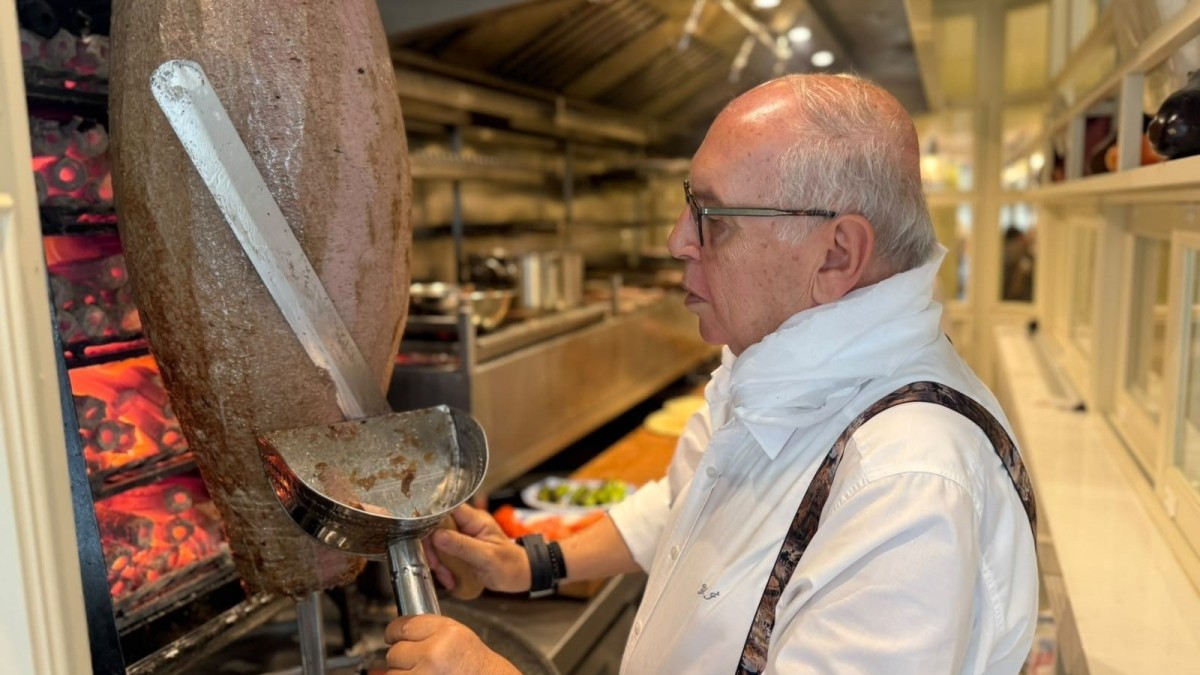
In the intricate tapestry of Middle Eastern cultural influence, food often serves as a subtle conduit for soft power, linking heritage to contemporary geopolitics. The recent opening of the historic Turkish eatery “Kebapçı Iskender” in London’s Knightsbridge district exemplifies how culinary traditions from Bursa—a city whose identity has long been intertwined with Ottoman legacies—are being projected onto the global stage. While the move may appear purely commercial, it resonates within broader patterns of Turkish outreach, regional identity assertion, and the ongoing competition for cultural relevance amid shifting great‑power dynamics.
From Bursa to Knightsbridge: A Century‑and‑a‑Half of Culinary Continuity
The Iskenderoğlu family traces its gastronomic lineage back to 1867, when the first Iskender kebab was crafted in Bursa. Over more than 150 years, the dish—thinly sliced lamb döner served over pide bread, drenched in tomato sauce and sizzling butter, accompanied by yoghurt—has become synonymous with the city’s culinary identity. This deep‑rooted tradition has been handed down through generations, preserving both recipe and ritual.
Now, Yavuz Iskenderoğlu and his sons, Oğuzhan and Kayhan, have transplanted this heritage to Beauchamp Place, a short walk from Harrods. The three‑floor restaurant not only replicates the iconic kebab but also showcases a broader palette of Bursa’s regional flavors, including the sweet Kemalpaşa dessert served with kaymak. In doing so, the family extends a culinary narrative that began in the 19th century into the heart of one of the world’s most prestigious dining districts.
Strategic Placement in a Global Hub
Choosing Knightsbridge—a district renowned for luxury retail and diplomatic residences—signals a calculated effort to position Turkish culinary heritage alongside other high‑profile international brands. The location near Harrods ensures visibility among affluent consumers and visiting dignitaries, potentially turning the restaurant into a cultural showcase for Turkish soft power.
This strategic placement aligns with Turkey’s broader ambition to amplify its cultural footprint across Europe. By embedding a historic family brand within a cosmopolitan environment, the Iskenderoğlu family contributes to a narrative that Turkish traditions are not merely regional curiosities but globally relevant experiences.
Family Legacy as a Vehicle for Cultural Diplomacy
The Iskenderoğlu family’s stewardship of the restaurant underscores the role of familial continuity in cultural transmission. Their leadership, highlighted by the involvement of three generations, reinforces the authenticity of the culinary offering, distinguishing it from generic Turkish eateries that often dilute traditional practices.
Such authenticity can be a potent diplomatic tool. Visitors to the Knightsbridge outlet encounter a living piece of Bursa’s history, gaining insight into the city’s Ottoman‑era culinary evolution. This experiential learning fosters a nuanced appreciation of Turkish culture, potentially softening stereotypes and building goodwill among foreign audiences.
Economic Implications for Turkish Gastronomy
The expansion into London marks a significant step for the Iskender brand, following its established presence in Bursa and Istanbul. While the source material does not disclose financial specifics, the move to a high‑cost market suggests confidence in the brand’s ability to command premium pricing and attract a clientele willing to pay for heritage‑driven experiences.
Success in Knightsbridge could inspire other Turkish family‑run establishments to pursue similar international forays, thereby diversifying Turkey’s export portfolio beyond traditional sectors such as textiles and energy. The ripple effect may stimulate domestic culinary entrepreneurship, reinforcing the sector’s contribution to the national economy.
Regional Identity and the Global Turkish Narrative
Bursa’s culinary identity, epitomized by the Iskender kebab, has historically been a point of regional pride within Turkey. By projecting this identity onto a global platform, the Iskenderoğlu family participates in a broader discourse about what constitutes “Turkishness” in the modern world. The dish’s prominence in the London restaurant invites foreign diners to associate Turkish culture with the specific flavors of Bursa rather than a monolithic national cuisine.
This differentiation aligns with Turkey’s internal dynamics, where regional identities often intersect with national narratives. Showcasing Bursa’s distinct culinary heritage abroad subtly reinforces the country’s internal diversity while presenting a cohesive, high‑quality image to the outside world.
Soft Power in the Context of Great‑Power Rivalry
Amid escalating competition among the United States, the European Union, and emerging powers such as China for influence in the Middle East, cultural exports become a quiet yet effective arena of rivalry. Turkey’s investment in culinary diplomacy, exemplified by the Knightsbridge opening, complements its more overt geopolitical maneuvers in the Eastern Mediterranean and the Levant.
By establishing a celebrated Turkish brand in a Western capital, Turkey subtly asserts its cultural relevance alongside European and American soft power channels. The presence of a historic Turkish restaurant near diplomatic quarters may even serve as an informal meeting point for policymakers, further intertwining gastronomy with diplomatic discourse.
Future Trajectories: From Heritage to Global Brand
The Knightsbridge outlet is described as “a major new chapter” for the Iskender kebab, suggesting ambitions that extend beyond a single location. If the restaurant succeeds in attracting an international audience, it could lay the groundwork for a broader franchise model that balances heritage preservation with scalable growth.
Such expansion would need to navigate the tension between maintaining authentic preparation methods—thinly sliced lamb, traditional butter, and yoghurt accompaniments—and adapting to diverse market expectations. The family’s commitment to passing down the recipe “carefully preserved” indicates a willingness to prioritize authenticity, a factor that may become a distinctive selling point in an increasingly homogenized global food market.
This article was produced with AI-assisted research and editorial support. Reporting is based on the source material cited below. Sources: Daily Sabah Middle East; dailysabah.com; Global1.News (03 October 2026).
By Malik Hassan, Staff Writer
What's Your Reaction?
 Like
0
Like
0
 Dislike
0
Dislike
0
 Love
0
Love
0
 Funny
0
Funny
0
 Wow
0
Wow
0
 Sad
0
Sad
0
 Angry
0
Angry
0

Middle East Correspondent at Global1.News. Based in Beirut, covering politics, conflict, energy, and society across the Middle East. Brings context and depth to a region often reduced to headlines.













Comments (0)