
India's 'Cockroach' Movement Defies Mumbai Ban to Demand Election Chief's Exit
The Cockroach Janta Party, a Gen-Z movement that forced an Indian education minister's resignation in July, begins a nationwide 'Jail Bharo Andolan' from Mumbai against Chief Election Commissioner Gyanesh Kumar over the removal of 13 crore names from India's draft voter rolls.
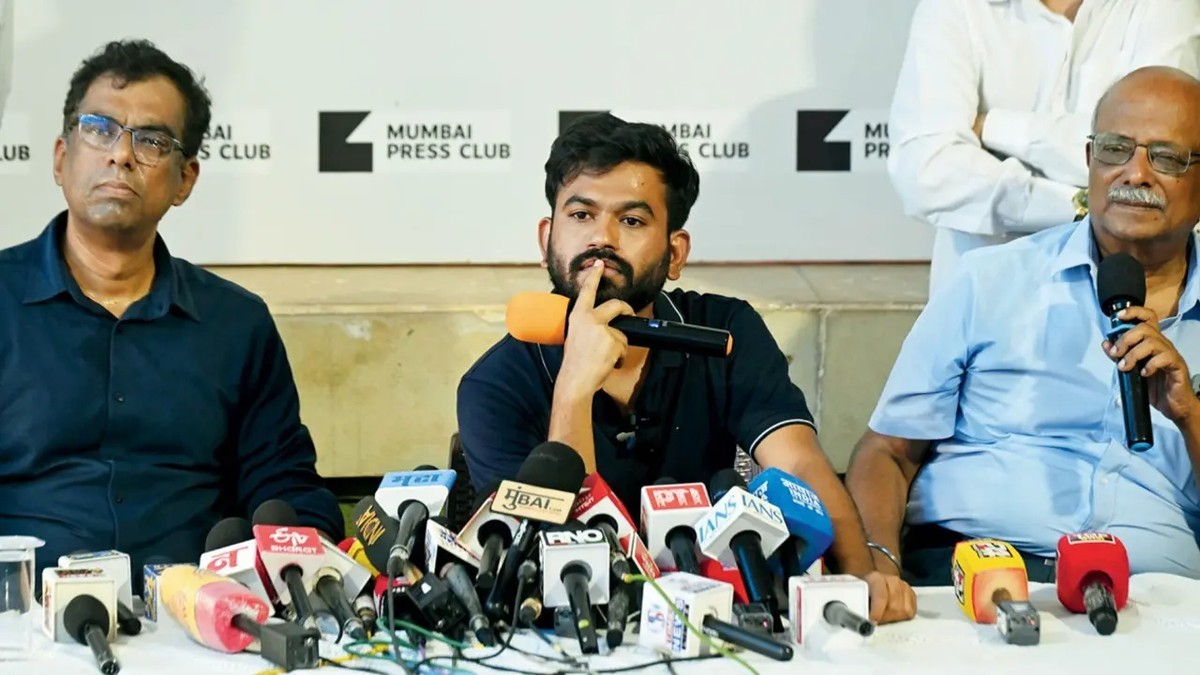
On the morning of Mahatma Gandhi's birthday, the barricades were already up at Gate No. 6 of Shivaji Park. Mumbai Police had said no. The Brihanmumbai Municipal Corporation had said no. The Chief Minister had said protesters would spend three days in jail. By 4 pm, a Gen-Z movement that commands 25 million Instagram followers intended to walk into the middle of all of it anyway.
India's 'Cockroach' Movement Defies Mumbai Ban to Demand Election Chief's Exit
Mumbai, India - 2 October 2026 - The Cockroach Janta Party, a satirical online movement that forced the resignation of a Union education minister in July, is due to open a nationwide "Jail Bharo Andolan" at Shivaji Park this afternoon, demanding the resignation of Chief Election Commissioner Gyanesh Kumar. Mumbai Police have denied permission, citing a 2013 Bombay High Court order, the area's silence-zone status and traffic and emergency-access concerns. Organisers say dissent does not require a permit. The agitation is scheduled to travel to Goa, Bengaluru, Kolkata, Patna, Ranchi and Uttar Pradesh before a sit-in at Jantar Mantar later this month.
A Movement That Began as a Joke
The Cockroach Janta Party started as an online pressure group, the BBC reported, and grew into what the broadcaster described as an influential Gen-Z-led "cockroach" protest movement. Its founder is Abhijeet Dipke; its co-conveners are Saurav Das and Ashutosh Ranka, according to Hindustan Times and the Times of India. The BBC put its reach at 25 million followers on Instagram and more than 400,000 on X. Its first major victory came in July 2026, when education minister Dharmendra Pradhan resigned after weeks of protests over leaked examination papers - a defeat the BBC and Geo.tv counted among Prime Minister Narendra Modi's most significant political setbacks in recent years. The name is a joke. The demands are not.
What Happens at Shivaji Park Today
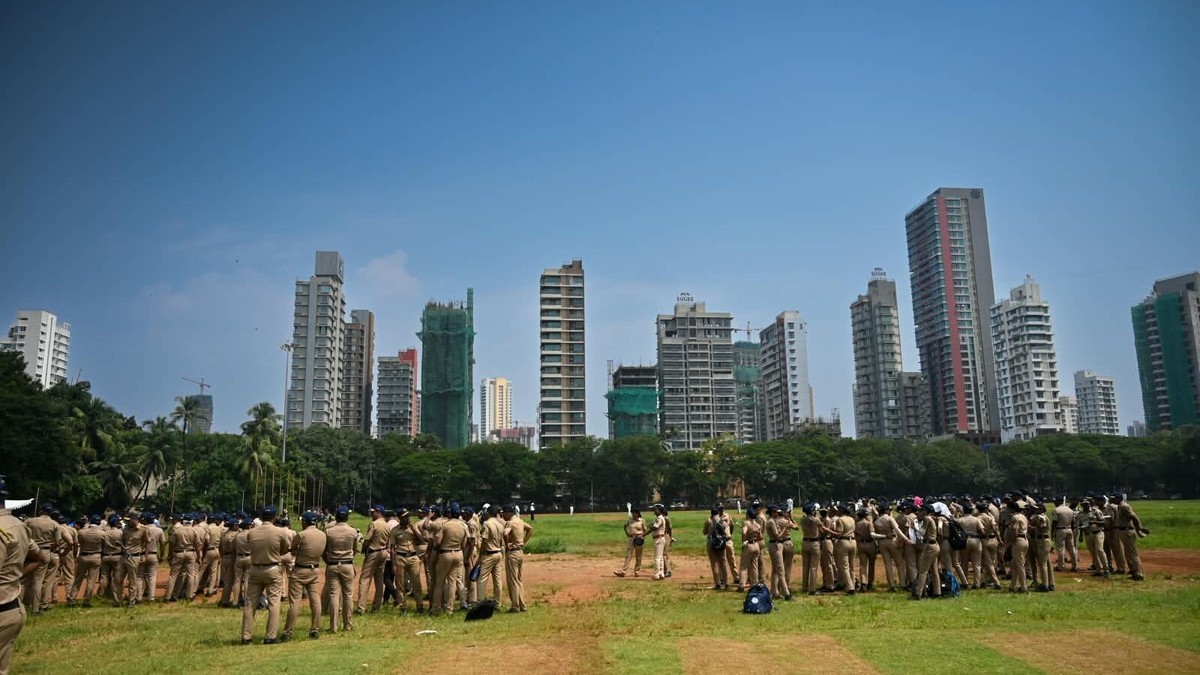
The protest is due to begin at 4 pm IST (10:30 GMT) at Gate No. 6 of Chhatrapati Shivaji Maharaj Park in Dadar, the BBC, Hindustan Times, NDTV Profit and PTI reported. The CJP calls it a "Jail Bharo Andolan" - a fill-the-prisons movement. The Times of India reported heavy police deployment around the park, the area declared a no-parking zone, and barricades at Gate No. 6; a video shot on Thursday night showed the gate fully blocked. Hindustan Times, citing a Central Railway spokesperson, reported roughly 40 additional staff, including Railway Protection Force personnel, deployed at Dadar station. Residents of Dadar opposed the plan. "They are doing it forcefully. This protest should not take place," one local resident told the Times of India.
A Ban, and a Man Who Says He Will Be Back
Mumbai Police denied permission, the BBC, Mid-Day and Madhyamam reported. The grounds cited, per Madhyamam and Hindustan Times: police are not empowered to grant permission at Shivaji Park because of a 2013 Bombay High Court order; the area is a silence zone; civic permission was absent; and there were concerns over noise, traffic, disruption to the residential area and emergency-vehicle movement. The BMC also refused clearance and asked organisers to shift to Azad Maidan, Mid-Day reported. Police advised organisers to find an alternative venue and submit a fresh request. Dipke's answer, per the Times of India: "If Devendra Fadnavis can have a political rally at Shivaji Park, then we can protest as well," adding, "Did Mahatma Gandhi have permission to protest against the British?" He took "full responsibility" for any police action and said of arrest, "I will come again and again and again." To Fadnavis, he said: "Mee punha yein."
A Second Front Opens in Delhi
Delhi Police separately denied permission for a proposed gathering at Jantar Mantar and intensified security in and around New Delhi, the Times of India and Hindustan Times reported, with barricades on approach roads and Central Armed Police Forces deployed. Police sources told the outlets that around 3,000 to 4,000 people could turn up. Delhi Traffic Police issued an advisory listing diversions around Connaught Place, Patel Chowk, GPO, Tolstoy Marg, Jantar Mantar Road, Parliament Street and adjoining roads. The Times of India live blog also reported internet services suspended near Jantar Mantar. The gathering was called by social activists and student groups, including AISA national president Neha Bora, Rajya Sabha MP Manoj Jha and Supreme Court lawyer Prashant Bhushan; AAP leaders Atishi, Sanjay Singh and Manish Sisodia appealed to people to attend.
The Report That Lit the Fuse
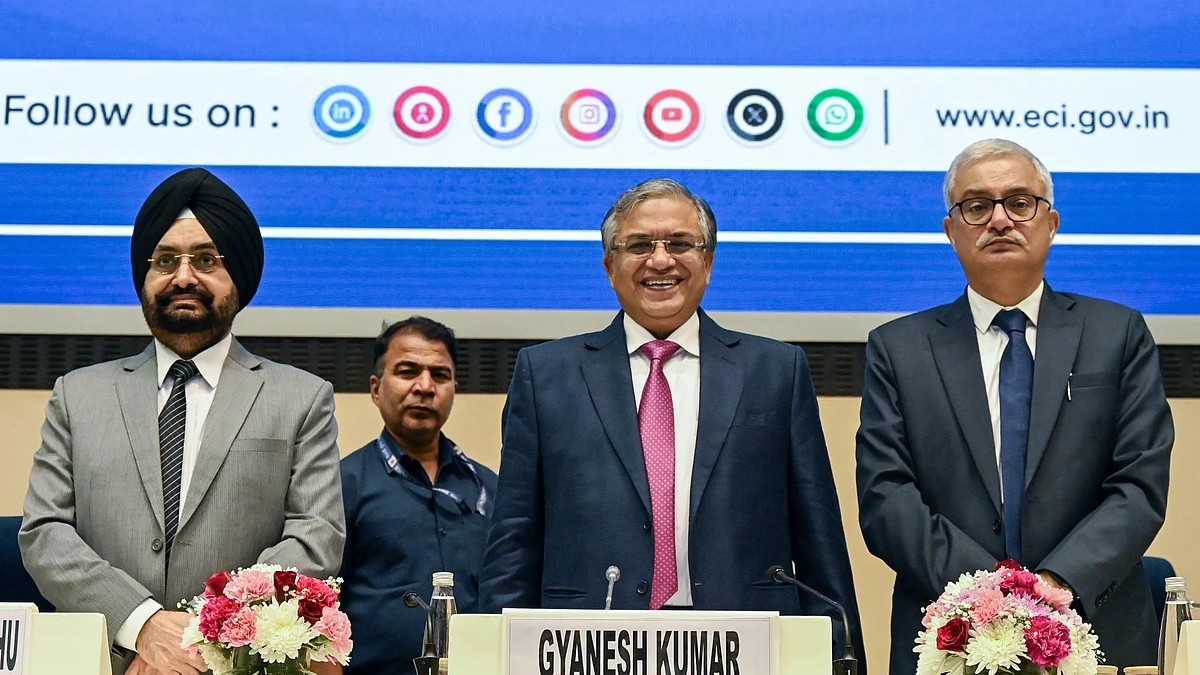
An investigation by The Indian Express, published 23 September 2026 and written by Ritika Chopra, revealed that Election Commissioners Sukhbir Singh Sandhu and Vivek Joshi formally objected, on record, at least 14 times over 10 months - four times on a single day - to decisions and orders they said were taken without their knowledge. The objections were copied to Chief Election Commissioner Gyanesh Kumar, and some went to Deputy Election Commissioners under their watch. In one written objection, Sandhu complained the Commission had acted against the written advice of two Commissioners and called the action "unauthorised and illegal". It was after this, on 9 September, that the CEC and the two ECs met - their first full meeting in four months, the paper reported.
What the Two Commissioners Actually Objected To
The objections went to the core of the Commission's mandate, The Indian Express reported: new voter registration; deletion and restoration of voters in the rolls; appeals against orders restoring voters during the SIR process; and the custody and security of the electoral roll itself. The two Commissioners called steps on new voters "unauthorised, illegal" and warned against voter database access being "centralised" in Delhi, bypassing state officials. Joshi red-flagged in May what he called the "gradual centralisation of the electoral roll database" and proposed an audit to certify that "no one, except the concerned statutory authorities, has credentials to make any change in the (voter) database". In August, Sandhu recorded that state-level officials reported they "don't have proper and complete access" to the ERONet portal, and flagged that the Commission's Director General of IT, Seema Khanna, "doesn't have any legal authority to restrict proper and complete access and freedom to operate, as given by law, to the statutory authorities".
Thirteen Crore Names
The Special Intensive Revision is a nationwide revision of India's electoral rolls that began in Bihar in June 2025, The Indian Express reported. The exercise has left more than 13 crore - 130 million - names off draft voter rolls across 30 States and Union Territories, the paper reported; the BBC said 130 million names had been struck off. The Indian Express data put the figure at 13.37 crore, a 14.1 per cent reduction from the pre-SIR electorate, while noting the figures relate to draft rolls and do not necessarily represent permanent deletions, since claims and objections can restore names. The Election Commission says the exercise is meant to remove duplicate, deceased or ineligible entries and ensure the accuracy of the rolls. The Commission has rejected the suggestion that the reported differences indicate unilateral decision-making, maintaining that differing observations are part of institutional deliberations and that decisions taken by the full Commission, including on SIR, were unanimous.
The Opposition Closes Ranks
Leader of the Opposition Rahul Gandhi has repeatedly accused the Commission of "stealing votes from the opposition" and said officers indulging in "vote theft" were "traitors", the BBC reported. Mamata Banerjee has demanded the CEC's arrest. BJD president Naveen Patnaik said the CEC "should immediately resign and the whole SIR process should be thoroughly revisited", Pragativadi reported. The Congress Working Committee demanded Kumar's immediate resignation, suspension of the SIR, restoration of the 13 crore 30 lakh names it says were removed, and independent time-bound inquiries, Mathrubhumi reported. Five Left parties announced nationwide demonstrations from 26 September to 2 October. The INDIA alliance said it would hold protest rallies across the country, and on 6 October all opposition MPs plan to march to the Election Commission office in Delhi. The CJP says it will not join that march, maintaining its movement is independent.
Why the Election Chief Cannot Simply Be Fired
Article 324(5) of the Constitution gives the Chief Election Commissioner removal protection comparable to that of a Supreme Court judge, and Section 11 of the 2023 Chief Election Commissioner and Other Election Commissioners Act incorporates the same standard, Mathrubhumi reported. The Union government cannot simply issue an order dismissing the CEC. The constitutional route requires a removal motion initiated in Parliament by at least 100 Lok Sabha members or 50 Rajya Sabha members; admission by the Speaker or Chairman; a three-member inquiry committee under the Judges (Inquiry) Act framework; proof of misbehaviour or incapacity; approval by both Houses by a majority of total membership and two-thirds of members present and voting in the same session; and an order of the President. Section 16 of the 2023 Act protects the CEC and Commissioners from civil and criminal proceedings for official acts; it does not expressly use the words "arrest" or "investigation". Rajya Sabha Chairman CP Radhakrishnan rejected an opposition motion to remove Kumar, The Indian Express reported.
The Courts, and What Comes Next
The Supreme Court is examining the constitutional challenge to Section 16: in January 2026 it agreed to hear a petition by Lok Prahari, issued notice to the Centre and the Election Commission, and declined to stay the provision, Mathrubhumi reported. No final judgment has been delivered. The Supreme Court has also agreed to hear a plea against CEC Gyanesh Kumar's functioning and the SIR, with Senior Advocate Vikas Singh seeking an early hearing on the ground that questions about collective decision-making raise a serious constitutional issue, The Indian Express reported. On 25 September, three Maharashtra residents filed a plea before the Kolhapur Bench of the Bombay High Court seeking restoration of every voter deleted in the SIR, the quashing of 14 administrative orders, a stay on the revision and the postponement of upcoming assembly elections in affected states. No merits ruling is reported. The barricades at Gate No. 6 are in place. The protest is due at 4 pm.
By Jessica Ali, Staff Writer
This article was produced with AI-assisted research and editorial support. Sources: BBC, The Indian Express, Hindustan Times, The Times of India, Mathrubhumi English, NDTV Profit, Mid-Day, Madhyamam, Pragativadi, Geo.tv and PTI.
What's Your Reaction?
 Like
0
Like
0
 Dislike
0
Dislike
0
 Love
0
Love
0
 Funny
0
Funny
0
 Wow
0
Wow
0
 Sad
0
Sad
0
 Angry
0
Angry
0

Editor-in-Chief at Global1.News. Atlanta-based journalist who cuts through the BS and tells it like it is. Lead anchor, host, and the voice you hear when the spin stops and the truth starts.













Comments (0)