
Hormuz Talks in Final Stages: Iran Says, Trump Claims Deal
Iran Says Hormuz Talks With Oman in 'Final Stages' as Trump Claims Deal Progress Washington, DC — Folks, the Strait of Hormuz just took center stage again on Monday, August 3, 2026, as Iran confirmed it is holding talks with Oman on temporarily reopening the critical shipping lane. Mediators are scrambling to cool down the risk of renewed war between the United States and Iran, according to the New York Times on August 3.
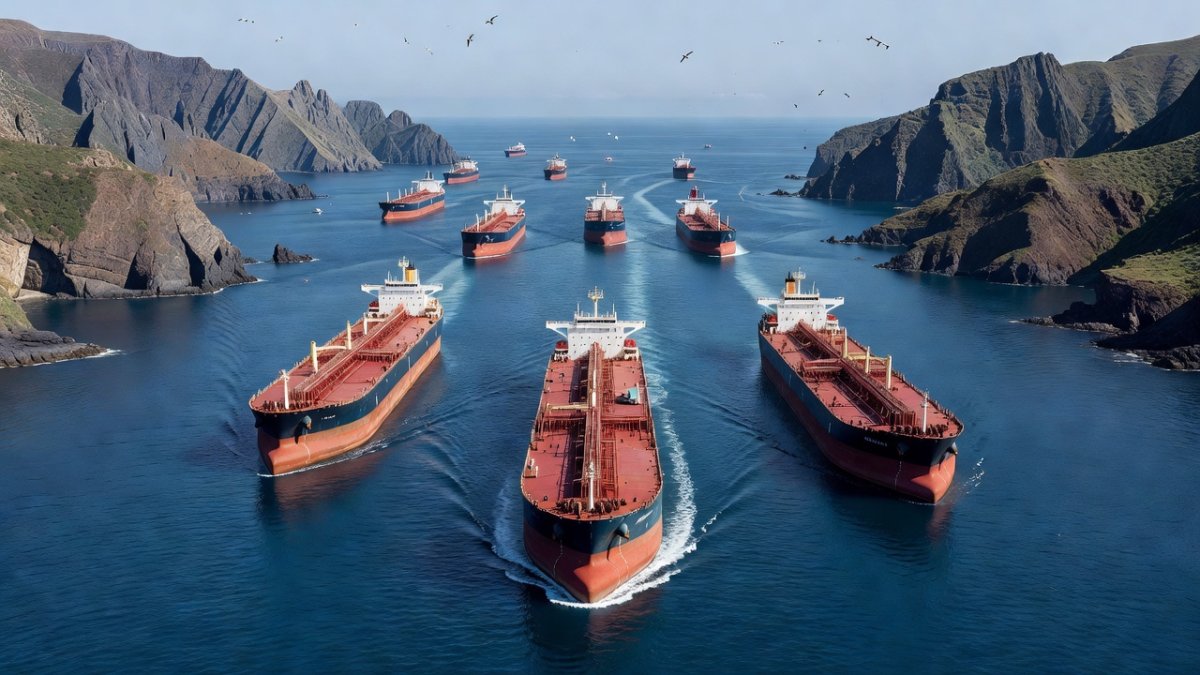
Iran Says Hormuz Talks With Oman in 'Final Stages' as Trump Claims Deal Progress
Washington, DC — Folks, the Strait of Hormuz just took center stage again on Monday, August 3, 2026, as Iran confirmed it is holding talks with Oman on temporarily reopening the critical shipping lane. Mediators are scrambling to cool down the risk of renewed war between the United States and Iran, according to the New York Times on August 3.
If you are tracking global energy prices the way I am, this matters right now. Iran has kept the strait largely closed since February 28, 2026, when the United States and Israel entered war with Iran and its allies after airstrikes that killed several Iranian officials, including Supreme Leader Ali Khamenei, per Britannica and Wikipedia records.
That blockade has already pushed energy prices higher and added fuel to global inflation. Higher gasoline costs sit especially sensitive for President Trump ahead of November congressional elections, according to Al-Monitor.
Yet the latest signals mix caution with movement. Iranian Foreign Minister Abbas Araghchi announced on August 2 that talks between Tehran and Muscat have entered the final stages, reported Mehr News Agency. At the same time, President Trump canceled a threatened strike over the weekend of August 1-2, stating that deal perimeters had been reached, according to Al Jazeera on August 2.
What Iran and Oman Are Negotiating
Iranian Foreign Ministry spokesman Esmaeil Baghaei laid it out clearly: the talks with Oman remain strictly bilateral between the two littoral states. Tehran is not currently engaged in negotiations with the United States, and there are no plans to receive a US delegation or send an Iranian one, according to Al Jazeera live blog and PressTV.
Baghaei added that the new Hormuz shipping route under discussion will consist of one path with entry and exit lanes, Al Jazeera reported. This framing keeps the conversation between Iran and Oman only, even as outside mediators push for broader de-escalation.
Araghchi’s August 2 statement that the talks have reached final stages suggests concrete details are close, per Mehr News Agency. Still, Omani efforts to find an off-ramp acceptable to all sides collapsed over the weekend, TIME noted on August 3.
Folks, that bilateral line matters because it limits how much Washington can claim credit or control at this moment. The focus stays on reopening a narrow, controlled route rather than full restoration of pre-war traffic.
Trump's Weekend Reversal: Strike Canceled, 'Deal Perimeters' Claimed
President Trump announced over the weekend that he had canceled a threatened attack on Iran after determining that deal perimeters had been reached, according to Al Jazeera on August 2. He stated that new Iran negotiations are set to begin Monday, August 3, the Guardian and New York Times reported.
Trump framed Iran’s options in stark terms: limited to a deal or consequences, Al Jazeera headlines captured. That reversal came after weeks of rising tension tied directly to the Hormuz blockade and its economic ripple effects.
Yet Iranian officials moved quickly to separate the Oman channel from any US talks. Baghaei’s statements on August 3 made clear that Tehran sees the current discussions as between littoral states only, with no American delegation expected, per Al Jazeera and PressTV.
If you are watching how fast rhetoric can shift, this weekend flip shows both sides testing whether a narrow technical opening can prevent wider fighting. The clock starts on those promised Monday talks right now.
Why the Strait of Hormuz Matters
The Strait of Hormuz carries roughly 20 percent of the world’s oil and liquefied natural gas before the current conflict, the Guardian reported. Iran has maintained control of the waterway since February 28, 2026, when hostilities began, according to Al Jazeera.
That effective blockade has driven energy prices higher and fed global inflation. The resulting pressure on gasoline costs carries direct political weight for President Trump ahead of November congressional elections, Al-Monitor noted.
Folks, this is not abstract geography. When one-fifth of global energy supply faces restriction, every household feels it at the pump and in higher costs for goods. The war that started after US-Israeli airstrikes killed Iranian officials, including Supreme Leader Ali Khamenei, turned the strait into a choke point that neither side has fully released.
Reopening even a single controlled path would ease some of that pressure, which is why the Oman channel draws so much attention today.
The Strait of Hormuz has long functioned as a critical chokepoint whose stability influences global energy markets far beyond the immediate region. When flows are disrupted, the ripple effects reach refineries, shipping schedules, and national reserves in ways that echo earlier crises such as the 1970s oil shocks, reminding traders how quickly concentrated supply routes can translate into broad price volatility. Ordinary households feel this through higher fuel and heating costs that squeeze budgets and shift consumer spending patterns across continents.
From a diplomatic standpoint, the waterway’s geography forces even rival powers to weigh the costs of escalation against the benefits of continued passage. Oman’s role as a quiet interlocutor highlights how smaller states can shape outcomes by offering neutral ground, a pattern seen in past regional standoffs where back-channel talks prevented wider conflict. For readers watching inflation data, the strait’s status serves as an early indicator of whether energy-driven price pressures will ease or intensify in coming quarters.
The $2 Million Transit Fee Controversy
Iran has charged some commercial vessels up to $2 million per transit through the strait, with at least two payments settled in Chinese yuan, according to status.lu and Bloomberg. An Iranian official told state media that the country provides security and that ships and oil tankers should naturally pay such fees, TIME reported.
Iran signed the UN Law of the Sea Convention in 1982 but never ratified it, objecting to the transit-passage rule it now defies, TIME added. Some reports show Iran denying the $2 million fee claims as unfounded.
Folks, these tolls represent Iran’s attempt to extract revenue while holding the strait closed to normal traffic. The yuan settlements point to efforts to work around Western financial systems during the ongoing war that began February 28, 2026.
The fees add another layer of friction for global shipping already squeezed by the blockade that has lasted since late February.
Transit fees imposed on vessels represent more than a revenue tool; they alter the risk calculations of shipowners and insurers who must decide whether to absorb costs or reroute cargoes around longer, more expensive paths. Such mechanisms can quickly embed themselves in spot-market pricing, where even temporary surcharges influence how much crude and liquefied natural gas reaches buyers in Asia and Europe. The choice of settlement currency adds another layer, tying payments to broader shifts away from traditional dollar clearing and toward alternative financial rails.
These arrangements also test the limits of international maritime norms, particularly for states that have signed but not ratified key conventions. The resulting uncertainty encourages both carriers and energy firms to build flexibility into contracts, a practice that raises baseline costs for downstream consumers. For everyday readers, the fees illustrate how localized policy decisions in one narrow waterway can feed into the global inflation numbers that affect wages, interest rates, and election-year debates over household energy bills.
Washington's Counterplay: Sanctions and Shadow Tankers
The US Treasury’s Office of Foreign Assets Control has targeted Iran’s Hormuz toll collection network, including blocking eight shadow tankers, TechTimes reported on July 30. In April 2026, OFAC coordinated with Tether to freeze $344.2 million held in two wallets attributed to Iran’s Central Bank—the largest single on-chain freeze of Iranian sovereign crypto reserves on record.
These moves show Washington using financial tools to disrupt revenue streams tied to the strait even as diplomatic channels with Oman advance. The sanctions hit both physical tankers and digital assets linked to fee collection.
Folks, this is classic pressure alongside the talk of new negotiations set for Monday. The $344.2 million freeze and the eight blocked tankers demonstrate that the United States continues to squeeze Iran’s ability to profit from the current closure.
That dual track—sanctions on one side, Oman-mediated route talks on the other—defines the current standoff.
Sanctions targeting specific vessels and digital wallets form part of a wider effort to raise the operational friction of moving sanctioned energy cargoes, forcing traders to weigh legal exposure against profit margins. This approach mirrors earlier campaigns that combined financial pressure with selective enforcement, gradually shrinking the pool of willing counterparties and elevating insurance premiums across the sector. Market participants respond by diversifying routes and counterparties, a dynamic that can slow but not fully halt flows when demand remains strong.
At the same time, these measures interact with ongoing bilateral negotiations in ways that complicate timelines and expectations. By signaling continued enforcement even as talks proceed, authorities aim to maintain leverage without immediate military commitments. For ordinary consumers, the result appears in the form of sustained but fluctuating energy prices that influence everything from commuting costs to the broader pace of economic recovery, underscoring how regulatory tools translate into tangible effects on daily life.
What Happens Next
The Oman talks sit in final stages, according to Iranian Foreign Minister Abbas Araghchi’s August 2 announcement. Mediators continue working to reduce the chance of renewed war, the New York Times reported on August 3. Omani attempts at a broader off-ramp collapsed over the weekend, TIME noted.
President Trump canceled the threatened strike after claiming deal perimeters were reached and said negotiations begin Monday, August 3. Iranian officials, however, keep the Hormuz channel framed as bilateral only, with no US delegation planned, per Esmaeil Baghaei’s statements.
Folks, the gap between those positions will shape whether a single controlled route actually opens or whether tensions spike again. The strait’s 20 percent share of global energy supply keeps every development high stakes.
Watch for any concrete details emerging from the Oman channel in the coming days and whether the promised Monday talks produce visible movement or fresh friction. Track energy price reactions and any new sanctions updates from OFAC. Stay engaged with reliable reporting and contact your representatives about protecting household energy costs during this standoff. Global supply lines and household budgets both hang on what happens next in Hormuz.
The transition from military posturing to scheduled negotiations reflects a classic diplomatic pattern in which both sides seek to lock in gains before external pressures, such as upcoming elections, shift the domestic calculus. Oman’s continued facilitation role offers a low-profile venue that reduces the risk of public posturing derailing progress, a method that has proven useful in previous regional disputes. Observers will watch whether preliminary understandings can be reached before wider market reactions set in.
Should an agreement take shape, the focus will likely turn to verification mechanisms and phased adjustments to transit rules, each step carrying implications for global supply reliability. For readers, the coming weeks represent a test of whether energy markets stabilize or remain hostage to incremental developments, directly affecting inflation forecasts and household budgets in import-dependent economies around the world.
By Jessica Ali, Staff Writer
This article was produced with AI-assisted research and editorial support. Reporting is based on sources cited in the article.
What's Your Reaction?
 Like
0
Like
0
 Dislike
0
Dislike
0
 Love
0
Love
0
 Funny
0
Funny
0
 Wow
0
Wow
0
 Sad
0
Sad
0
 Angry
0
Angry
0

Editor-in-Chief at Global1.News. Atlanta-based journalist who cuts through the BS and tells it like it is. Lead anchor, host, and the voice you hear when the spin stops and the truth starts.














Comments (0)