
'I was not going to let others die' - pilot of Flydubai flight describes cockpit attack by co-pilot
Capt Smit Machchhar, an Indian pilot employed by Flydubai, emerged as the central figure in a dramatic mid‑air crisis on 2 October 2026. While flying from Dubai to Tel Aviv, the aircraft was hijacked by its co‑pilot, who stabbed Machchhar in the cockpit.
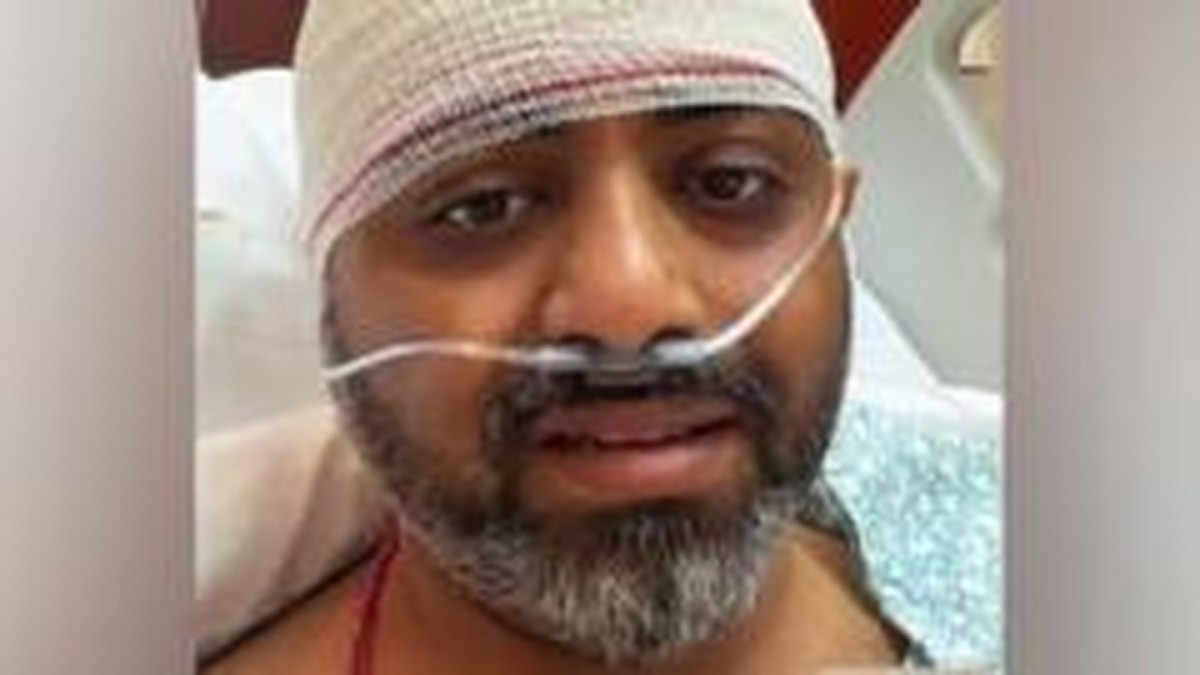
Capt Smit Machchhar, an Indian pilot employed by Flydubai, emerged as the central figure in a dramatic mid‑air crisis on 2 October 2026. While flying from Dubai to Tel Aviv, the aircraft was hijacked by its co‑pilot, who stabbed Machchhar in the cockpit. Despite his injuries, Machchhar managed to open the cockpit door from inside, allowing other crew members and passengers to intervene and ultimately bring the plane down safely in Tabuk, Saudi Arabia. His actions have been lauded by officials in India, the United Arab Emirates (UAE), Israel and beyond, and they raise significant questions about airline security, pilot training and the broader geopolitical context of the incident.
Chronology of the hijacking and emergency response
The flight, designated FZ1073, departed Dubai early on Wednesday morning bound for Tel Aviv. Approximately two and a half hours into the journey, the aircraft began a rapid descent of more than 17,000 ft (5,200 m). During this descent the co‑pilot attacked Machchhar with a knife, stabbing him while the plane was still in the air. The pilot later recounted that he was lying on the floor, injured, yet resolved to make a final effort to open the cockpit door from the inside.
While the aircraft was descending, it transmitted an emergency signal to air traffic controllers and subsequently switched to squawk 7500, the international code indicating a hijacking. Israeli Prime Minister Benjamin Netanyahu later confirmed that one pilot had stabbed the other before “apparently trying to crash” the plane. Passengers and crew overpowered the attacker, and two reserve pilots who were on board took control of the aircraft. They managed to land safely at Tabuk Airport in north‑western Saudi Arabia at 06:58 local time.
Machchhar’s actions and personal testimony
In a video call with Indian Prime Minister Narendra Modi, Machchhar described his mindset during the attack. He said he was “lying on the floor injured” but forced himself to push one last time to open the cockpit door. Once the door was opened, “others came in and also played a role” in controlling the situation. He emphasized that, despite fighting for his own life, he was determined “not to let others die.”
Machchhar also reflected on his recovery, stating that he does not view his wound as a hindrance but as a “journey” that will take time. He expressed confidence that he will regain full health and be fit to fly again. His own words underscore a personal resilience that has resonated strongly on Indian social media, where he has been praised as a national hero.
Official reactions from India, Israel and the UAE
Prime Minister Modi praised Machchhar’s “courage, patience and quick decision‑making,” saying the whole country was proud of him. The Indian embassy in the UAE confirmed that Machchhar was “in good health and recovering well,” with Ambassador Deepak Mittal describing him as “proud of Capt Smit for his bravery” and “very reassured” to meet him. These statements highlight the diplomatic weight attached to the incident, as India seeks to showcase the competence of its expatriate workforce.
In Israel, Netanyahu hailed Machchhar as a “true hero” and highlighted the broader security implications. He identified the attacker as an Omani national who had undergone “Islamist radical indoctrination” and described the assailant’s behavior after being subdued as suicidal, repeatedly shouting “kill me, kill me.” The Israeli leader’s remarks framed the event within the larger narrative of regional terrorism.
UAE investigation and security implications
The United Arab Emirates, where the airline is based, announced an investigation into whether the incident was linked to any terrorist activity or purpose. The state news agency reported that authorities would examine the attacker’s background and any possible extremist influences. This response reflects the UAE’s broader commitment to aviation security, particularly after a series of high‑profile incidents in the region.
Given that the flight originated in Dubai and the attacker was a national of a neighboring Gulf state, the investigation may also explore cross‑border security cooperation. The incident underscores the need for airlines to reassess cockpit access protocols, especially on routes to politically sensitive destinations such as Israel.
Passenger and crew response on board
Beyond the two reserve pilots who landed the plane, passengers played a decisive role in subduing the attacker. After the assailant was tied up, he continued to shout “kill me, kill me,” indicating a continued intent to cause further harm. The collective effort of passengers and crew prevented a potential crash, demonstrating the importance of passenger awareness and training in emergency situations.
The successful containment of the hijacker also raises questions about the presence of armed or security personnel on commercial flights to high‑risk destinations. While the article does not mention any armed guards, the fact that passengers were able to physically restrain the attacker suggests a level of preparedness that may influence future airline policies.
Broader geopolitical context
The incident occurred against a backdrop of heightened tension in the Middle East, with Israel’s ongoing security concerns and the involvement of an Omani national in a violent act. Netanyahu’s characterization of the attacker as having undergone “Islamist radical indoctrination” aligns with Israel’s broader narrative of external threats to its security. Meanwhile, India’s diplomatic engagement, exemplified by Modi’s direct conversation with Machchhar, signals a desire to protect its citizens abroad and to reinforce the reputation of Indian professionals in the global workforce.
Saudi Arabia’s role as the landing site further illustrates the complex web of regional cooperation. By allowing the emergency landing at Tabuk, Saudi authorities facilitated the safe resolution of the crisis and provided medical care to the injured pilot before his transfer to Abu Dhabi. This cooperation may be viewed as part of a broader, pragmatic approach to regional aviation safety, irrespective of political differences.
Implications for airline safety and future protocols
The Flydubai incident will likely prompt airlines, regulators and governments to revisit cockpit security measures. The fact that a co‑pilot could weaponize a knife against a fellow pilot raises concerns about background checks, mental‑health screening and the monitoring of radicalisation risks among crew members. Additionally, the swift switch to squawk 7500 demonstrates that pilots are trained to signal hijackings, but the effectiveness of such signals depends on rapid coordination with air traffic control and ground authorities.
From an operational standpoint, the presence of reserve pilots on the flight proved crucial. Their ability to assume control after the attack underscores the value of having additional qualified crew members on long‑haul routes, especially those heading to conflict‑prone regions. Airlines may consider expanding such practices, ensuring that at least one additional pilot is on board for flights to destinations with heightened security concerns.
This article was produced with AI-assisted research and editorial support. Reporting is based on the source material cited below. Sources: BBC News Asia; bbc.co.uk; Global1.News (03 October 2026).
By Kenji Tanaka, Staff Writer
What's Your Reaction?
 Like
0
Like
0
 Dislike
0
Dislike
0
 Love
0
Love
0
 Funny
0
Funny
0
 Wow
0
Wow
0
 Sad
0
Sad
0
 Angry
0
Angry
0

Japan Correspondent at Global1.News. Tokyo-based voice covering Japanese politics, technology, economy, and culture. Tracks the intersection of tradition and innovation in one of the world's most dynamic societies.















Comments (0)