
Gaza's Footballers Keep World Cup Alive Amid War and Ruins
The World Cup Unfolds in North America While Gaza's Pitches Lie in Ruins The 2026 FIFA World Cup is underway across stadiums in the United States, Canada and Mexico, with South Africa's Bafana Bafana in Group C fighting to reach the knockout stages for the first time. At the same time, Gaza's footballers have lost teammates, stadiums and entire seasons to the ongoing war, with
The World Cup Unfolds in North America While Gaza's Pitches Lie in Ruins
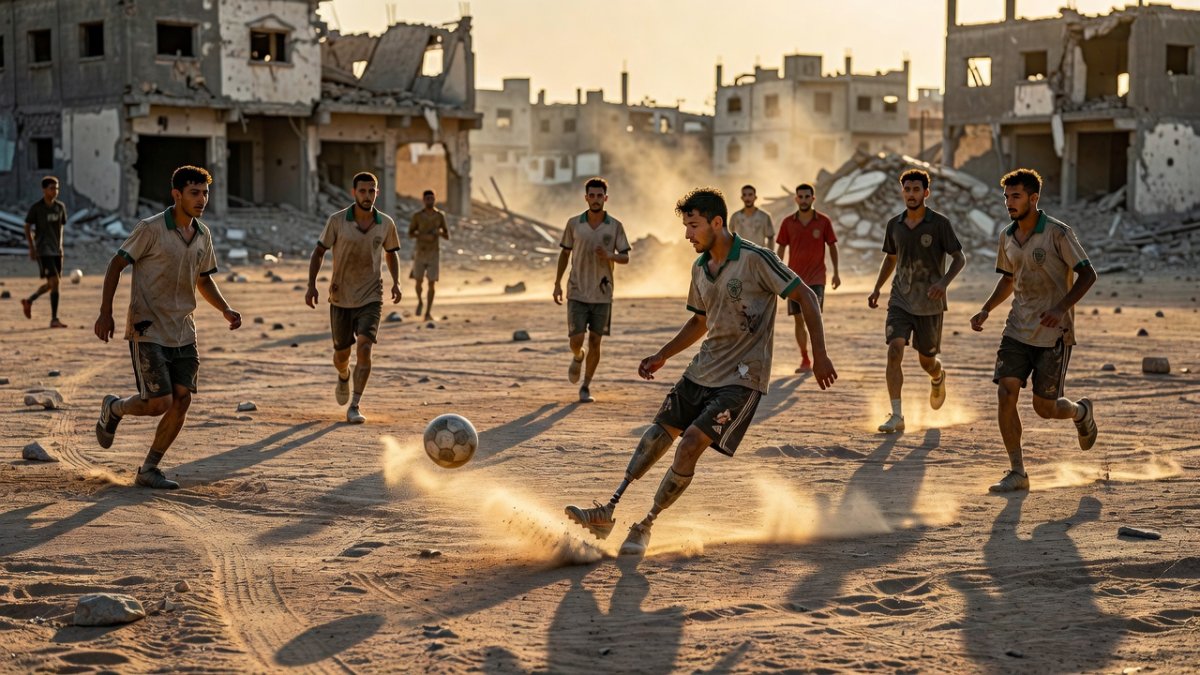
The 2026 FIFA World Cup is underway across stadiums in the United States, Canada and Mexico, with South Africa's Bafana Bafana in Group C fighting to reach the knockout stages for the first time. At the same time, Gaza's footballers have lost teammates, stadiums and entire seasons to the ongoing war, with some players losing limbs yet still returning to the game on makeshift pitches in Deir al-Balah.
Reporter Maram Humaid of Al Jazeera English's daily podcast The Take has documented how these athletes, coaches and fans refuse to let football die even as power cuts and constant threats make following matches nearly impossible. South African supporters watching on SuperSport know the unifying force of the sport from the 2010 FIFA World Cup hosted on home soil and the 1995 Rugby World Cup victory that helped bind the nation.
Bafana Bafana's Grit Mirrors the Resilience Seen in Gaza
Bafana Bafana secured a 1-1 draw against Czechia in their second group match when star midfielder Teboho Mokoena converted a late penalty in the 83rd minute after Czechia had taken the lead through Sadílek. Young Orlando Pirates forward Relebohile Mofokeng, aged 21, came off the bench and won the decisive penalty that kept South Africa's hopes alive.
The team had opened with a 2-0 defeat to Mexico, prompting coach Hugo Broos to revert to a familiar formation for the Czechia clash. South African fans following the tournament through the MultiChoice Diski Challenge and PSL clubs such as Kaizer Chiefs and Mamelodi Sundowns recognise the same determination that keeps Gaza's amputee footballers training in central Gaza despite everything they have lost.
Destroyed Stadiums and Lost Seasons in Gaza
Gaza's football community has seen teammates killed, stadiums reduced to rubble and complete seasons wiped out by the conflict. Players who have lost limbs continue to train, proving that losing a limb does not end their connection to the game. Young women are among the amputee footballers gathering on a modest pitch in Deir al-Balah to keep their skills sharp.
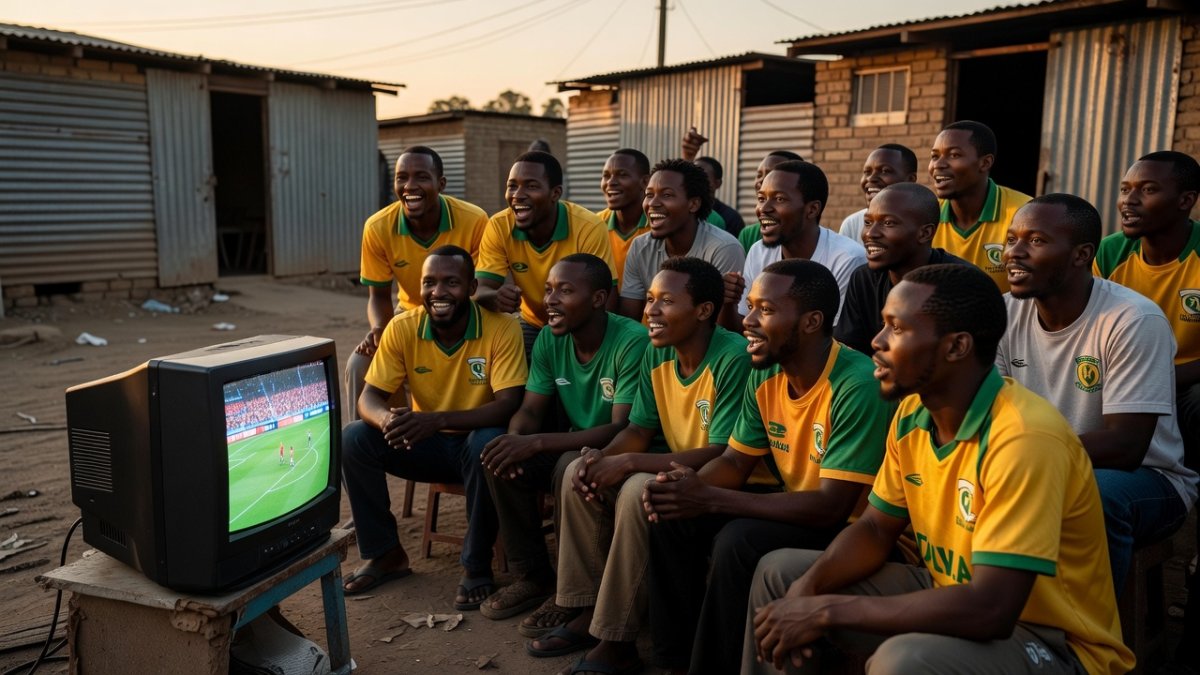
Before the current war, residents carried televisions into the streets to watch World Cup matches together with neighbours. Today, following the tournament requires electricity that many lack and money that most cannot spare, yet the passion for the sport remains unbroken according to Maram Humaid's reporting from inside Gaza.
How South African Football Culture Understands Gaza's Struggle
South Africa has long drawn strength from sport during difficult times, whether through SAFA's development programmes or the grassroots work supported by the South African Sports Ministry. The sight of Gaza's players refusing to abandon the game echoes the way local clubs in townships kept football alive during the darkest days of apartheid.
PSL supporters know the heartbreak of lost seasons and the joy of seeing young talents like Relebohile Mofokeng emerge. That lived experience creates a direct line of empathy with Gaza's footballers who continue training in Deir al-Balah even after losing teammates and facilities.
The Human Cost and the Unbreakable Spirit of the Game
Some Gaza players have returned to the pitch after amputations, joining sessions that include both men and young women determined to show that disability does not erase their future in football. These sessions take place under the same conditions of power shortages and insecurity that make simply watching the 2026 World Cup on television a daily challenge.
Maram Humaid's dispatches for The Take highlight athletes and coaches who refuse to let the sport disappear. South African fans, who celebrated Bafana Bafana's fighting draw against Czechia, see in these stories the same refusal to surrender that has defined our own football community through decades of struggle and triumph.
What the 2026 World Cup Means When Viewed from Gaza and Johannesburg
While Bafana Bafana battles in Group C to make history, Gaza's footballers fight simply to keep the ball rolling on whatever ground remains. The contrast between packed stadiums in North America and destroyed pitches in Gaza underscores how the beautiful game survives in the most extreme conditions.
South African supporters understand that football has always been more than results. It is the thread that connects communities, builds pride and offers hope. The determination of Gaza's players, documented by Maram Humaid, reminds us why the sport still matters so deeply in every corner of the world, including our own.
By Dante Williams, Staff WriterThis article was produced with AI-assisted research and editorial support. Reporting is based on sources cited in the article.
What's Your Reaction?
 Like
0
Like
0
 Dislike
0
Dislike
0
 Love
0
Love
0
 Funny
0
Funny
0
 Wow
0
Wow
0
 Sad
0
Sad
0
 Angry
0
Angry
0

Breaking News and Investigations Correspondent at Global1.News. Based in London, covering global breaking news, security, and investigative stories. Known for digging deeper and connecting the dots across continents.










Comments (0)