
Over 70% of England in Drought as UK Braces for Fifth Heatwave
The summer of 2026 has delivered a brutal reckoning for England’s water infrastructure. Following an emergency meeting of the National Drought Group on Monday, the Environment Agency has officially declared four more regions in drought, pushing the total area affected to a staggering 71.3 per cent of the country.
The summer of 2026 has delivered a brutal reckoning for England’s water infrastructure. Following an emergency meeting of the National Drought Group on Monday, the Environment Agency has officially declared four more regions in drought, pushing the total area affected to a staggering 71.3 per cent of the country. As the UK braces for its fifth heatwave of the season, with temperatures potentially hitting 36C, the stark reality of a "flash drought" is now touching the daily lives of 45 million people.
Drought Declared Across England: 71.3% Affected as Nation Braces for Fifth Heatwave
London, UK – 10 August 2026 — The Environment Agency confirmed on Monday that the East Midlands; Lincolnshire and Northamptonshire; Kent and East Sussex; and Solent and the South Downs have all officially entered drought status. This declaration, agreed at the latest meeting of the National Drought Group, means that nearly three-quarters of England is now parched, with Natural Resources Wales confirming that the whole of Wales is also in drought. It marks the third such event in five years, a frequency that water minister Emma Hardy described as the "sharp end of climate change."
The Numbers Behind the "Flash Drought"
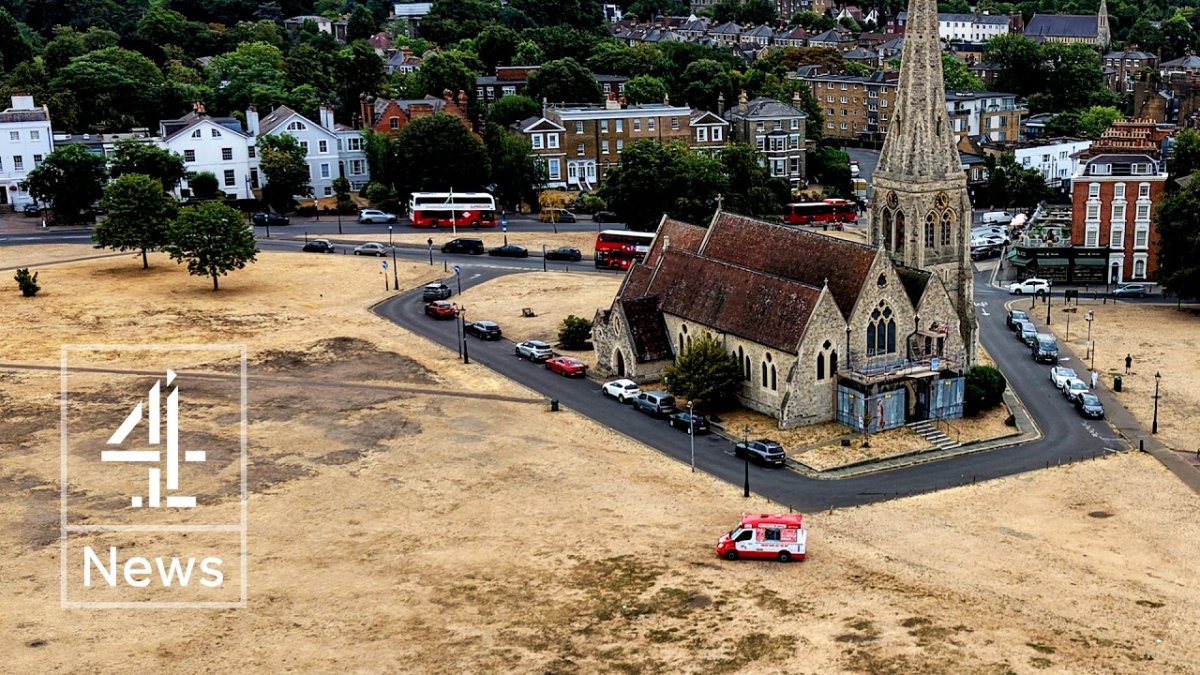
The term "flash drought" has entered the national lexicon this summer, describing the rapid onset of arid conditions driven by a combination of exceptionally low rainfall and soaring temperatures. The statistics are sobering. England recorded its driest July since records began in 1836, with rainfall totals ranging from a mere 1 per cent to 26 per cent of expected averages. The week of 31 July to 6 August marked the seventh consecutive week of less than 10mm of rainfall across the nation; in the east and south-east, some areas saw less than 1mm.
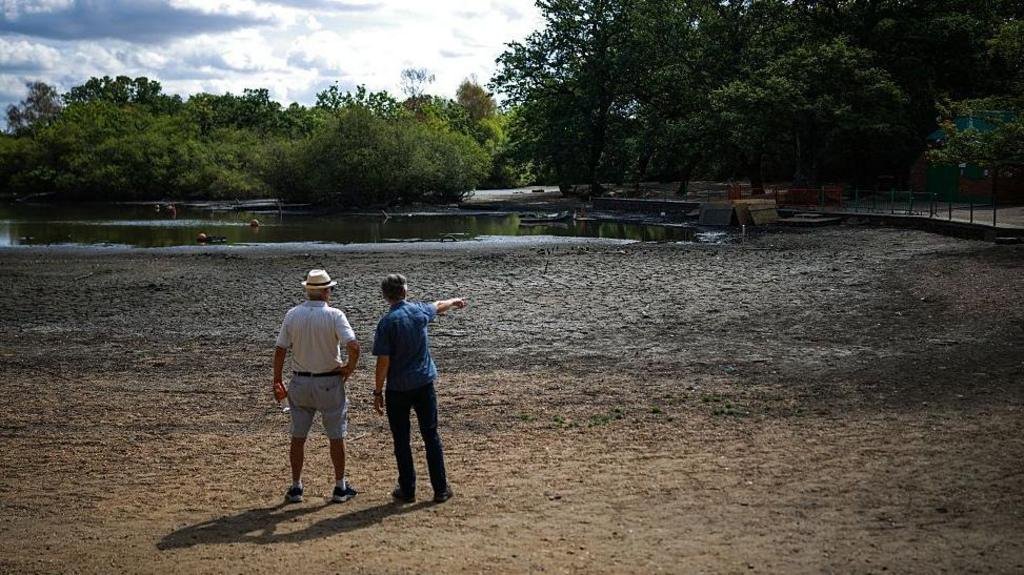
This has created a hydrological crisis that is now visible from space. Only 14 per cent of rivers are at normal levels, with one in five classified as exceptionally low, including iconic waterways such as the Avon, the Wye, the Ely Ouse and the Exe. River temperatures are also rising to dangerous levels, with the River Trent recording 27C — around 2C higher than expected for this time of year, threatening aquatic life and exacerbating oxygen depletion.
Reservoirs and the Crumbling Water Supply
England’s reservoir storage fell by 16 per cent last month, the greatest reduction in raw water storage in any July for the last three decades. This rapid drawdown has forced eight water companies to introduce Temporary Use Bans — commonly known as hosepipe bans — in some or all of their areas, affecting more than 27 million customers. The Environment Agency noted that these restrictions have reduced public demand by up to 9 per cent in some parts of the UK, but the agency has warned that without significant rainfall, further restrictions are inevitable.
The impact on daily life is already being felt acutely. Chessington World of Adventures theme park in Surrey was forced to close entirely due to a water outage, a stark illustration of how fragile the supply chain has become. Meanwhile, the Canal and River Trust has reported 26 navigation closures and 19 restrictions across the canal network, with forecasts of further closures unless the heavens open. For the narrowboat community and the businesses that rely on the waterways, this is not merely an inconvenience but an existential threat to their summer livelihoods.
Wildfires and the New Forest Blaze
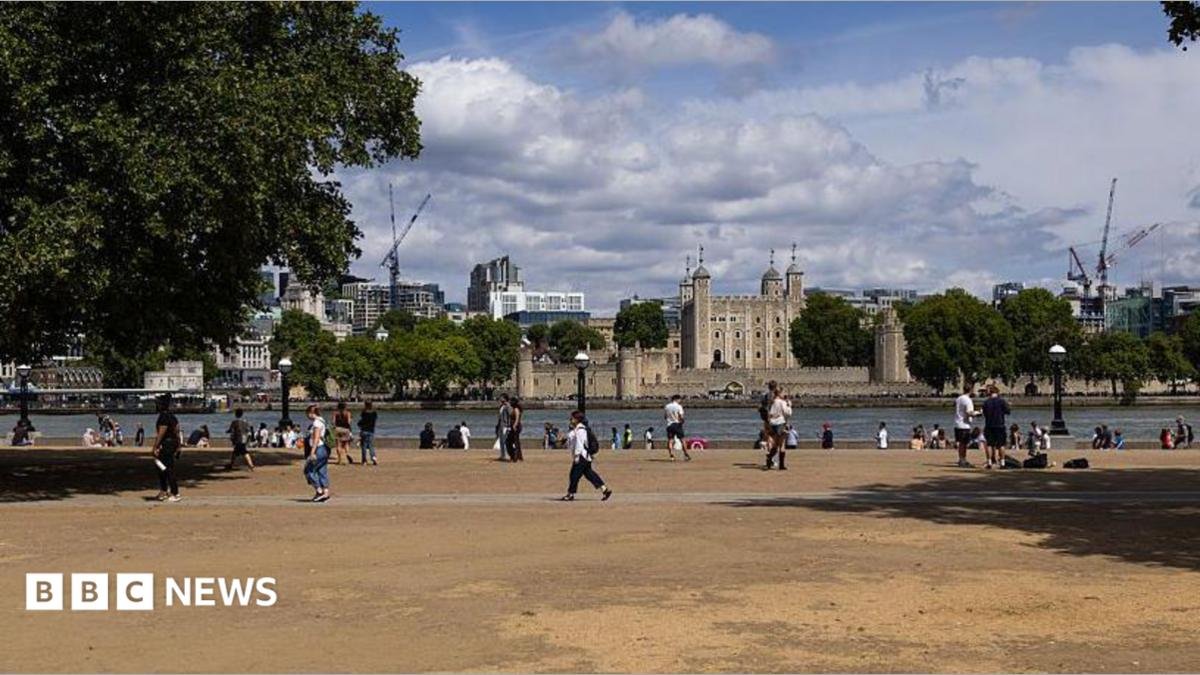
The dry conditions have created a tinderbox across the countryside. Natural England has reported 245 wildfires on Sites of Special Scientific Interest (SSSI) this year alone, a figure that conservationists describe as unprecedented. Currently, more than 120 firefighters are battling a major blaze in the New Forest National Park, an internationally protected heathland in England’s south. The New Forest National Park Authority confirmed that 10 fire engines and 13 off-road vehicles are in attendance, with operations maintained until at least midnight and likely longer.
The fire, which began when a van caught fire on the nearby A31 dual carriageway on Sunday evening, has closed the road in both directions. The heathland is home to rare species including all six UK native reptiles, Dartford warblers and nightjars, and the loss of habitat is a conservation disaster. This incident underscores the heightened risk that the UK Health Security Agency (UKHSA) has been warning about, as the Met Office considers issuing a rare amber or red extreme heat warning for the coming days.
Health Alerts and the NHS Under Pressure
The UKHSA has updated heat-health alerts for nine regions in England, with amber alerts in place from 9am on Tuesday 11 August to 9pm on Friday 14 August for Yorkshire and the Humber, West Midlands, East Midlands, East of England, South East, London, South West and North West. The North East is under a yellow alert for the same period. Polly Ashmore, acting consultant in Public Health at the UKHSA, urged the public to drink plenty of water, avoid the sun during the hottest part of the day and keep indoor spaces cool. She also called on health and social care services to be prepared and for the public to check on vulnerable friends and family.
The timing could not be worse for the NHS, which is already grappling with summer pressures. Hospitals across the affected regions are bracing for a surge in heat-related admissions, particularly among the elderly and those with respiratory conditions. The combination of extreme heat and drought conditions also raises the risk of waterborne diseases, as lower river flows concentrate pollutants.
Farming at the Sharp End
Perhaps nowhere is the crisis more acute than in the agricultural sector. Paul Tompkins, deputy president of the National Farmers' Union (NFU), painted a grim picture of a "brutal harvest." Many farmers have completed the earliest harvest on record, with poor yields in key crops in some areas. Livestock and dairy farmers are already using winter feed because grass has stopped growing, while growers are working tirelessly to keep fruit and vegetables watered — but many are struggling to access the water they need.
The NFU has warned that the drought could lead to shortages of certain foods in Britain. Water minister Emma Hardy, who attended the National Drought Group meeting on Monday, acknowledged the severity of the situation. "We know how challenging this summer has been, especially for our hard-working farmers who are at the sharp end of climate change," she said. The government has pledged to step up support, including plans to help farmers build irrigation reservoirs on their land and to invest in new infrastructure such as reservoirs and water transfer schemes. However, these are long-term solutions to an immediate crisis.
The Politics of Water: A National Infrastructure Failure
The escalating drought has reignited a fierce political debate about the management of England’s water resources. Critics point to the fact that this is the third drought in five years, arguing that the water companies and successive governments have failed to invest adequately in reservoir capacity, leakage reduction and inter-regional transfer schemes. The Environment Agency’s data shows that demand reduction measures have been effective where implemented, but the patchwork of hosepipe bans across eight companies highlights the fragmented nature of the industry.
For residents in the newly declared drought regions — from the farms of Lincolnshire to the commuter belts of Kent — the immediate concern is whether their taps will keep running. The 27 million people under water use restrictions are being asked to change their behaviour, but there is a growing sense that the burden is falling unfairly on households while the underlying infrastructure deficits remain unaddressed.
The Bottom Line — What Comes Next
As the UK braces for temperatures of 36C or higher later this week, with the Met Office considering an amber or red extreme heat warning, the immediate outlook is bleak. The Environment Agency has made clear that without significant rainfall, the drought will deepen, bringing further restrictions, more navigation closures and increased pressure on the natural environment. The government’s proposed investments in reservoirs and water transfer schemes are welcome, but they will take years to deliver.
For now, the message from officials is one of collective responsibility. The UKHSA’s Polly Ashmore urged the public to stay hydrated and look out for the vulnerable, while the NFU’s Paul Tompkins called for urgent action to support farmers. The reality is that England is living through a climate emergency that is no longer a distant threat but a present-day crisis. The question is whether the political and industrial response will match the scale of the challenge — or whether we will be having this same conversation, with even more dire statistics, in the years to come.
By Erica Thornton, Staff Writer
This article was produced with AI-assisted research and editorial support. Reporting is based on sources cited in the article.
What's Your Reaction?
 Like
0
Like
0
 Dislike
0
Dislike
0
 Love
0
Love
0
 Funny
0
Funny
0
 Wow
0
Wow
0
 Sad
0
Sad
0
 Angry
0
Angry
0

US Politics and Policy Correspondent at Global1.News. Based in Washington DC, covering American politics, policy, elections, and the courts. Knows how the system works and tells you what it actually means.















Comments (0)