
EHRC Single-Sex Spaces Code Comes Into Force Across England, Scotland and Wales
The Equality and Human Rights Commission code of practice on single-sex spaces came into force on Wednesday 5 August 2026, compelling service providers across England, Scotland and Wales to organise toilets, changing rooms, hospital wards and refuges according to biological sex. This follows the landmark UK Supreme Court ruling of April 2025 that defined "sex" in the Equality Act 2010 as biological sex. The change directly affects millions of people using everyday public facilities from...
The Equality and Human Rights Commission code of practice on single-sex spaces came into force on Wednesday 5 August 2026, compelling service providers across England, Scotland and Wales to organise toilets, changing rooms, hospital wards and refuges according to biological sex. This follows the landmark UK Supreme Court ruling of April 2025 that defined "sex" in the Equality Act 2010 as biological sex. The change directly affects millions of people using everyday public facilities from Lambeth leisure centres to Highland bowls clubs.
EHRC Code Forces Biological Sex Rules on Toilets, Refuges and Wards
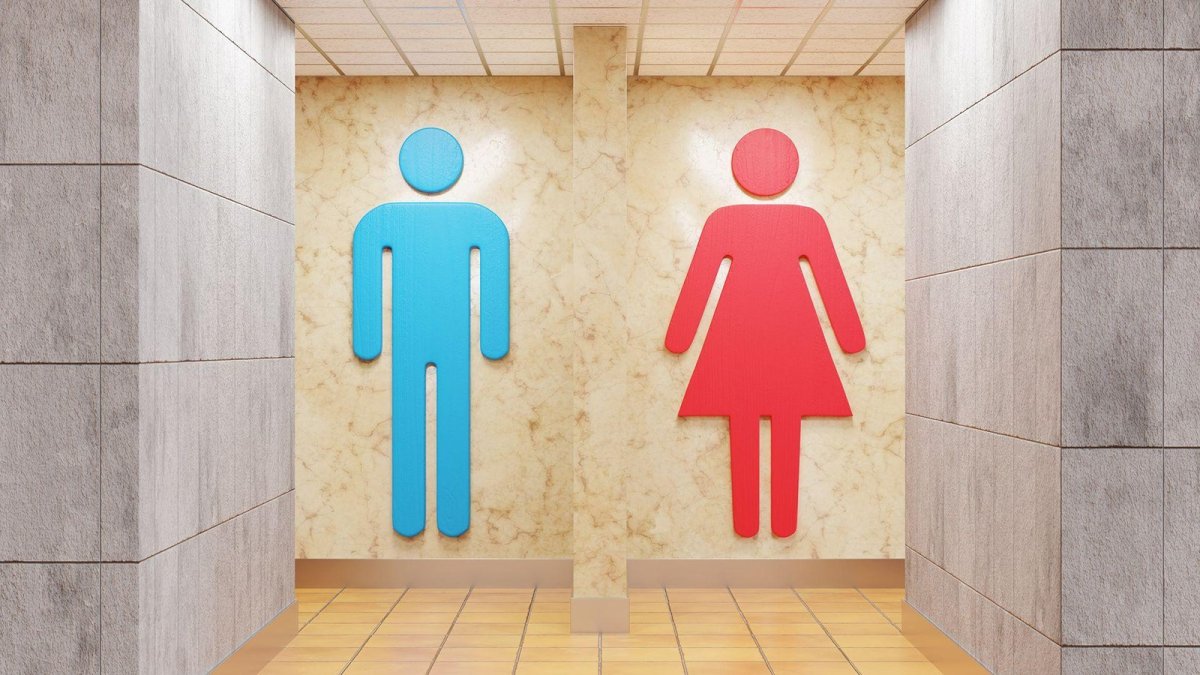
London, UK – 5 August 2026 — Service providers must now treat single-sex spaces as reserved for biological females or biological males, with gender-neutral options offered as the alternative for trans people. The code applies to cafes, restaurants, gyms, leisure centres, public toilets, hairdressers, sports clubs with 25 or more members, council services, domestic violence shelters and hospital wards. It does not cover Northern Ireland, which operates under separate equality legislation.
The Supreme Court Ruling That Changed Everything
The April 2025 Supreme Court judgment clarified that the Equality Act 2010 refers to biological sex, not gender identity. This 16-month-old decision prompted the EHRC to draft its code, which Equalities Minister Bridget Phillipson received in September 2025. An amendment followed in June 2026 after 167 MPs signed a motion to scrap the draft, though Parliament never debated it. The code now carries the same weight as the law itself, according to EHRC chair Dr Mary Ann Stephenson.
The Legal Framework Beneath the Debate
The Equality Act 2010 places sex and gender reassignment on equal footing as protected characteristics, yet the Supreme Court’s April 2025 ruling in the For Women Scotland case clarified that “sex” denotes biological sex alone. This distinction forces service providers to weigh competing rights when deciding whether single-sex provision remains lawful. The code offers no new statute but supplies a framework for assessing proportionality, requiring organisations to demonstrate that exclusion serves a legitimate aim and leaves no less restrictive alternative. Reasonable adjustments for those with the protected characteristic of gender reassignment must still be considered, yet they cannot automatically override sex-based exceptions where evidence of detriment to women or girls is clear.
Courts are expected to treat the code as persuasive authority when testing whether a policy meets the “proportionate means” threshold. Providers must therefore document the specific risks or privacy concerns that justify maintaining separate facilities rather than relying on generalised assertions. The guidance underscores that blanket policies excluding trans individuals from all services are unlikely to withstand scrutiny, while carefully evidenced single-sex arrangements retain protection under the Act.
The Equality Act 2010 established both sex and gender reassignment as protected characteristics, a balance already tested by the Gender Recognition Act 2004. The April 2025 Supreme Court ruling and the present code mark the clearest attempt in a generation to resolve the resulting tensions. Advocates on each side maintain that the other misreads the legislation, and both are preparing further litigation to test the boundaries now set out in the guidance.
What the Code Requires of Everyday Services
A trans woman born male must not use women-only facilities, while a trans man must not use men-only spaces. The code states it "could amount to discrimination" if a trans person is forced into services matching their biological sex, yet it also warns providers against leaving trans individuals without any usable service. Gender-neutral facilities become the required fallback. Providers must decide how to police access, a point highlighted by Channel 4 News Culture Correspondent Minnie Stephenson.
Schools, Hospitals and the Front Line
School changing rooms and hospital wards illustrate the code’s practical reach. Institutions must now decide whether biological sex determines access or whether self-identification suffices, with single-occupancy cubicles presented as one route to compliance. Where shared spaces remain, safeguarding obligations towards children and vulnerable patients intensify, requiring explicit risk assessments rather than informal arrangements. The code stresses that denying any usable facility to a trans person is rarely proportionate, yet it equally affirms that women’s and girls’ reasonable expectations of privacy in intimate settings carry statutory weight.
Scale of Required Changes Across Britain
Estimates from Sky News and The Independent indicate nearly 13,000 toilets and more than 5,000 changing rooms may need reconfiguration. The total cost runs into millions of pounds for local authorities and private operators. Leisure centres in Manchester, council-run facilities in Glasgow and hospital wards in Cardiff all fall under the new rules. The Women's Institute and Girl Guiding have already restricted membership to biological females in line with the guidance.

Political Reactions from Westminster to Local Councils
Suella Braverman, Reform UK's equalities spokeswoman and former home secretary, welcomed the move, stating the government had been "dragged kicking and screaming into adopting simple common sense and protecting women's-only spaces." Bridget Phillipson has warned that legal challenges are likely "because this is a very contested space." Lambeth Council's deputy leader, Green Party councillor Natalie Kane, told BBC Radio 4's Today programme that the authority may refuse implementation if legal advice permits, citing concerns that people will feel unable to access services.
Campaigners on Both Sides Assess the Impact
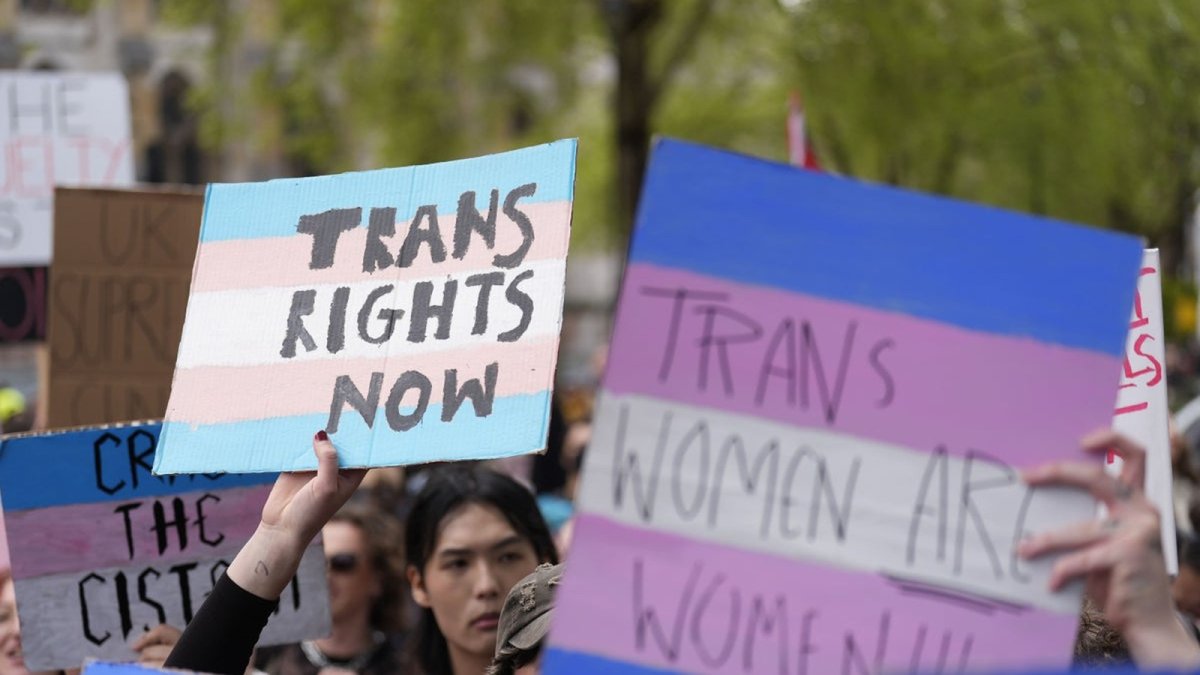
Trans+ Solidarity Alliance director Alexandra Parmar-Yee warned that "trans people will be shut out of the services they need, made to feel unwelcome and unsafe in public spaces. Our lives will feel smaller and more precarious." In contrast, Sex Matters director Maya Forstater described the code as "practical, giving many examples that apply to everyday services." Dr Mary Ann Stephenson emphasised that trans people remain protected against discrimination and harassment, adding they "shouldn't be left in a position where there aren't services for them."
Devolved Administrations and Divergence
Public bodies in Scotland and Wales must integrate the code into existing equality duties, adapting local guidance on council services, leisure centres and domestic-abuse refuges accordingly. Although the legislation is reserved, implementation falls to devolved administrations whose public-sector equality schemes will shape day-to-day application. Northern Ireland’s separate statutory regime means its authorities continue to examine the judgment’s implications without immediate obligation to mirror the code, creating a potential divergence in rights and remedies across the United Kingdom.
Scotland's distinct legal framework adds further complexity to the code's rollout. The UK Government invoked a Section 35 order in January 2023 to prevent Holyrood's Gender Recognition Reform Bill from proceeding, preserving tighter criteria for gender recognition certificates. Scottish public bodies, leisure trusts and health boards must now reconcile the EHRC guidance with the country's separate equality provisions. The SNP administration has yet to clarify its approach to implementation, even as women's groups in Scotland have pressed most strongly for robust sex-based safeguards in policy and practice.
Practical Enforcement Falls to Service Providers
The code offers guidance on existing law rather than creating new obligations. Providers must now decide signage, staff training and access policies for rape crisis centres, domestic violence refuges and sports clubs. Gender-critical groups argue the changes enhance safety for women and girls, while trans rights campaigners label the approach unworkable and potentially discriminatory. Northern Ireland continues to assess the Supreme Court ruling separately.
Compliance Burdens and Litigation Risks
Service providers face fresh compliance burdens, from revised signage and staff training to consistent enforcement of access rules. The EHRC retains powers to investigate systemic breaches, yet the code simultaneously exposes organisations to tribunal claims from individuals asserting either sex-based or gender-reassignment rights. Bridget Phillipson has already flagged the likelihood of litigation, describing the area as “a very contested space.” Providers that fail to maintain clear, documented policies risk findings against them from either direction.
Service providers face immediate operational pressures. Managers at a leisure centre in Leeds or a hospital trust in Bristol must weigh new signage, staff training and possible reconfiguration of changing facilities, while judging when a reasonable adjustment or gender-neutral option meets the requirements. Errors risk tribunal claims from trans individuals alleging discrimination or from women asserting that single-sex protections have been undermined. The EHRC retains powers to investigate and to issue unlawful act notices where compliance falls short.
Everyday Encounters and Visible Changes
Ordinary encounters at the local gym or shopping-centre toilets will test the code’s reach most visibly. Users may notice new signage directing biological females to particular facilities while unisex lockable cubicles serve as the default alternative for others. Over the coming year, these incremental changes are likely to prompt both quiet adaptation and occasional disputes, as staff navigate requests that test the boundary between lawful single-sex provision and unlawful exclusion. The practical outcome will depend less on abstract principle than on the quality of local decision-making and record-keeping.
Abstract legal terms translate into concrete questions of dignity, privacy and safety for individuals. A teenage girl using school changing rooms, a trans woman at a leisure centre and a survivor of domestic abuse seeking refuge each encounter the code's provisions in daily life. The guidance seeks to reconcile these competing claims, yet its effectiveness will be measured by whether rules framed in London prove workable across the varied communities of the United Kingdom.
The Bottom Line — What Comes Next
Local authorities in England, Scotland and Wales must now audit facilities and update policies within months, with further court cases expected to test the boundaries. Residents in cities from Birmingham to Edinburgh will encounter new signage and possible service adjustments in the coming year. The EHRC has made clear that ignoring the code carries the same risk as ignoring the Equality Act itself.
By Erica Thornton, Staff Writer
This article was produced with AI-assisted research and editorial support. Reporting is based on sources cited in the article.
What's Your Reaction?
 Like
0
Like
0
 Dislike
0
Dislike
0
 Love
0
Love
0
 Funny
0
Funny
0
 Wow
0
Wow
0
 Sad
0
Sad
0
 Angry
0
Angry
0

US Politics and Policy Correspondent at Global1.News. Based in Washington DC, covering American politics, policy, elections, and the courts. Knows how the system works and tells you what it actually means.















Comments (0)