
Cable lobby to sue Trump FCC over repeal of national TV ownership cap
The cable industry’s latest legal salvo against the Federal Communications Commission underscores a brewing clash over who gets to control America’s airwaves.
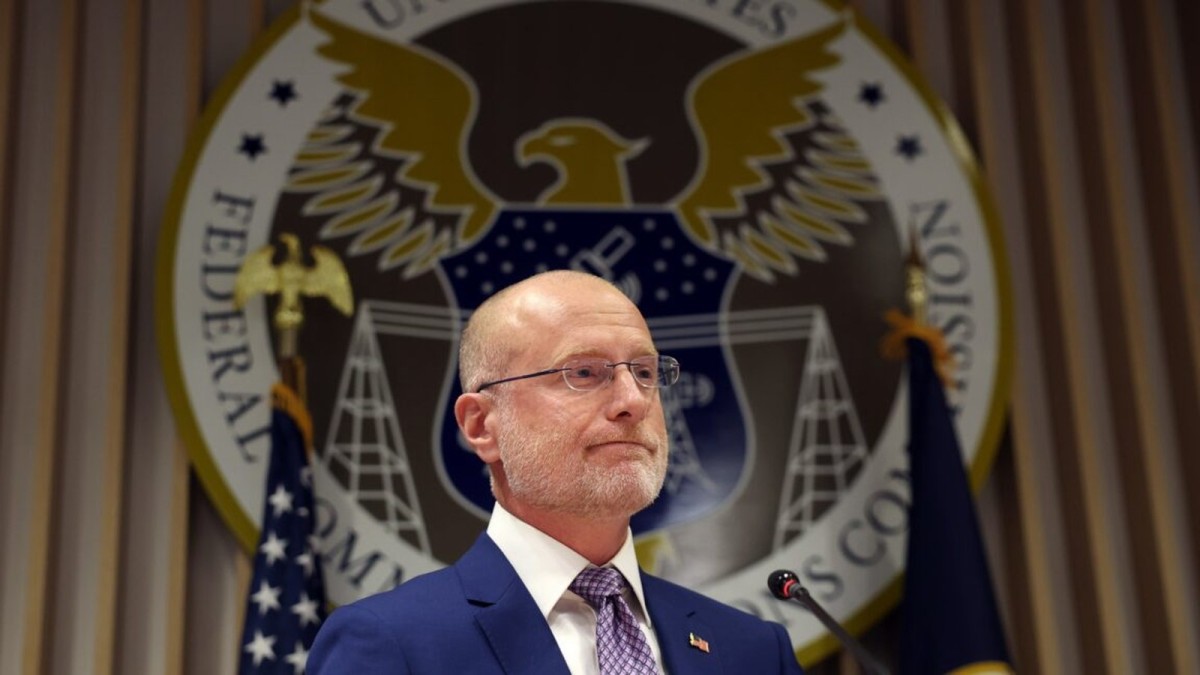
The cable industry’s latest legal salvo against the Federal Communications Commission underscores a brewing clash over who gets to control America’s airwaves. On October 5, 2026, a coalition of cable lobby groups announced they will sue the FCC to halt its repeal of the National Television Ownership Rule—a regulation that caps how many broadcast TV stations a single company may own. Their filing, representing giants like Comcast and Charter, argues that lifting the cap will drive up retransmission fees and, ultimately, monthly TV bills for consumers. The fight, already spilling into the courts, pits powerful cable operators and broadcast conglomerates against a commission that, under Chairman Brendan Carr, claims authority to rewrite a rule Congress set more than two decades ago.
What the FCC Did and Why It Matters
On August 6, 2026, the FCC voted to eliminate the National Television Ownership Rule, a regulation that limits any one broadcaster’s reach to 39 percent of U.S. TV households—a ceiling Congress explicitly set in the 2004 Consolidated Appropriations Act. After an unusually long delay, the commission finally posted the repeal order on its website on October 1, citing the need to shore up its legal arguments ahead of inevitable lawsuits. The agency contends that while Congress directed the 39‑percent cap, it did so by “directing the Commission to modify its rules rather than by enacting a fixed cap into law,” thereby granting the FCC the latitude to revisit the limit outside its quadrennial review cycle.
Chairman Carr has framed the repeal as a shift from a rigid numerical ceiling to a “case‑by‑case review” of each merger. He argues that this approach will let the FCC approve deals that serve the public interest while rejecting those that do not. Critics, however, note Carr’s history of threatening to revoke broadcast licenses for stations unfavorable to the Trump administration, suggesting the new review process could become a tool for political influence over news coverage.
The Cable Lobby’s Legal Challenge
The petition filed by cable lobby groups—representing providers in states ranging from Colorado to the six New England states—asks the FCC to keep the cap in place until the courts decide whether the commission had the authority to repeal it. The filing emphasizes that Congress’s 2004 action was “unambiguous” in setting the 39‑percent threshold, a figure chosen after Congress rebuffed the FCC’s earlier attempt to raise the cap to 45 percent. The petition further argues that the cap is “statutory, not regulatory,” pointing to provisions that require entities exceeding the 39‑percent limit to divest within two years and that bar the FCC’s forbearance authority from applying to such entities.
While the petition is largely procedural—recognizing that the FCC is unlikely to stay its own order—it signals the cable industry’s readiness to seek a preliminary injunction in a U.S. appeals court. By doing so, the lobby hopes to preserve the status quo and prevent broadcasters from leveraging larger station portfolios to demand higher retransmission fees from cable providers, a move they claim would translate into “higher monthly TV bills for consumers.”
Broadcasters’ Expanding Footprint
Even before the cap’s repeal, the Carr‑led FCC demonstrated a willingness to relax ownership limits. In a notable waiver, the commission approved Nexstar Media Group’s purchase of Tegna, a deal that would give the combined entity reach to 80 percent of U.S. TV households—or 54.5 percent when applying the “UHF discount,” which counts only half of the households reached by UHF stations toward the cap. A federal judge later ordered Nexstar and Tegna to halt integration of assets while an antitrust suit by DirecTV proceeds, highlighting the legal friction already surrounding massive broadcast consolidation.
The cable lobby warns that allowing broadcast groups to exceed the 39‑percent ceiling will create “unchecked gatekeeper power” over both over‑the‑air and internet distribution. They cite the recent Charter‑Cox merger—completed in August after the FCC rejected advocacy protests—as evidence that larger cable operators are already consolidating, and that a relaxed broadcast cap would further tilt the media landscape toward a handful of dominant players.
Potential Consumer Impact
The cable groups’ core argument centers on consumer costs. By expanding broadcast ownership, they claim larger station groups will wield greater leverage in retransmission‑fee negotiations with cable and satellite providers. Higher fees, they assert, inevitably flow through to subscribers in the form of higher monthly bills. While the petition does not present specific cost projections, the logic follows a familiar pattern: consolidation reduces competition, giving dominant owners more bargaining power.
Free Press, a media‑advocacy organization, echoed these concerns, warning that the repeal could lead to “deep job cuts for journalists” and an “influx of bargain‑basement content disguised as local news.” Their General Counsel, Matt Wood, warned that the change would effectively hand “Trump‑aligned billionaires” the ability to “swallow up stations wherever and whenever they please,” consolidating editorial influence in the hands of a few.
The Legal Battlefield Ahead
Beyond the cable lobby’s lawsuit, Free Press has signaled its intention to join the legal fight, framing the FCC’s action as “unlawful.” Both groups are likely to argue that the FCC overstepped its statutory authority by repealing a cap that Congress explicitly set. The agency’s counterargument hinges on a nuanced reading of the 2004 law, which it claims separates the cap’s review from the mandated quadrennial review of other media ownership rules.
Should the case reach a federal appeals court, the central legal question will be whether the FCC can unilaterally eliminate a statutory limit without new congressional legislation. The outcome could set a precedent for how far the commission can go in reshaping media ownership rules—a matter with profound implications for the structure of American broadcasting and the balance of power between regulators, broadcasters, and cable operators.
Political Undercurrents and Future Outlook
The repeal and ensuing lawsuits cannot be divorced from the broader political context. Chairman Carr’s tenure has been marked by alignment with the Trump administration, including threats to revoke licenses of broadcasters critical of the president. By shifting to a case‑by‑case review, Carr could theoretically favor broadcasters that align with administration narratives, while sidelining dissenting voices.
Meanwhile, cable operators, many of which have expanded through mergers like Charter’s acquisition of Cox, stand to benefit from a media environment where broadcast owners are less constrained. The cable lobby’s legal push thus reflects a strategic effort to preserve a pricing advantage and prevent a potential shift in bargaining dynamics that could erode their profit margins.
What’s Next for Consumers and the Industry?
In the short term, the FCC’s repeal order is already in effect, meaning broadcasters can pursue acquisitions that push their national reach beyond the former 39‑percent ceiling. However, the pending lawsuits could result in a preliminary injunction that temporarily reinstates the cap while courts deliberate the agency’s authority. If a court sides with the cable lobby and Free Press, the cap could be restored, preserving the status quo and limiting further consolidation.
For viewers, the stakes revolve around monthly bill amounts and the diversity of local news content. A concentration of ownership could lead to homogenized programming and fewer independent editorial voices, while a maintained cap would keep market competition healthier. As the legal battles unfold, both industry insiders and everyday consumers should watch closely—this fight over a single percentage point could reshape the American television landscape for years to come.
This article was produced with AI-assisted research and editorial support. Reporting is based on the source material cited below. Sources: Ars Technica; arstechnica.com; Global1.News (06 October 2026).
By Jessica Ali, Staff Writer
What's Your Reaction?
 Like
0
Like
0
 Dislike
0
Dislike
0
 Love
0
Love
0
 Funny
0
Funny
0
 Wow
0
Wow
0
 Sad
0
Sad
0
 Angry
0
Angry
0

Editor-in-Chief at Global1.News. Atlanta-based journalist who cuts through the BS and tells it like it is. Lead anchor, host, and the voice you hear when the spin stops and the truth starts.














Comments (0)