
ABB launches range of DC power products
ABB just dropped its new Infinitus line, a suite of DC power gear aimed squarely at the next wave of AI‑heavy data centers. The pitch is simple: as rack power densities push toward the 1 MW mark, the old AC‑centric playbook is about to crack.
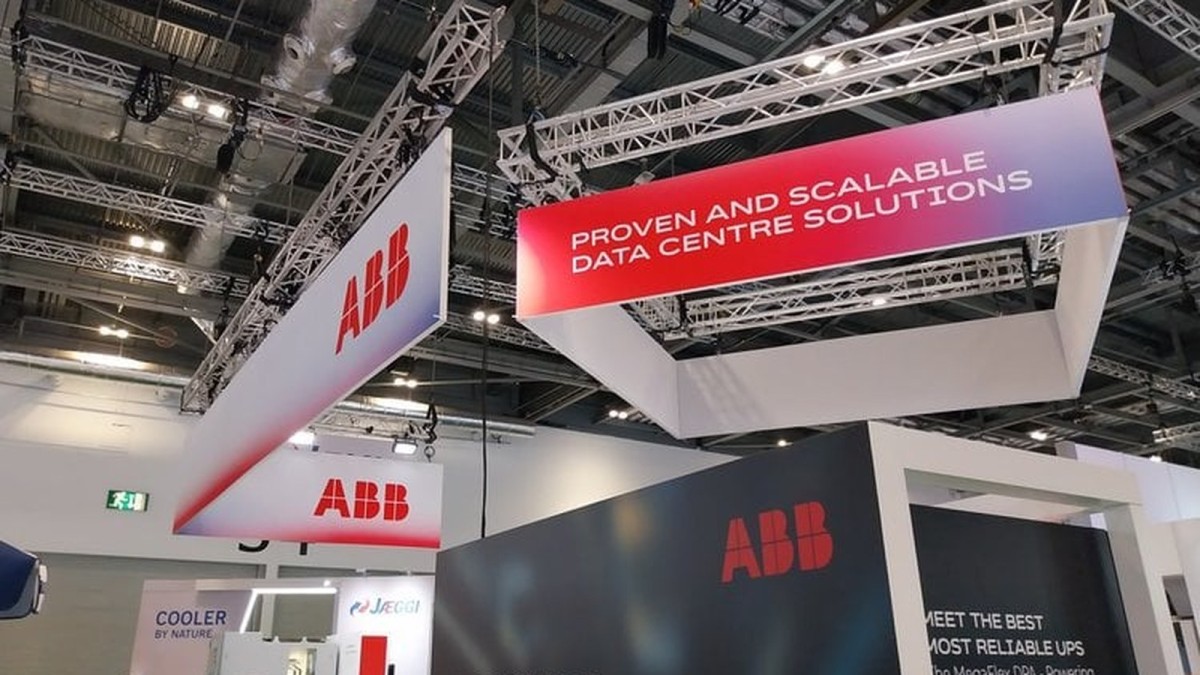
ABB just dropped its new Infinitus line, a suite of DC power gear aimed squarely at the next wave of AI‑heavy data centers. The pitch is simple: as rack power densities push toward the 1 MW mark, the old AC‑centric playbook is about to crack. ABB says 800 VDC architectures will become the norm, and they’re positioning themselves as the go‑to supplier for the whole “source‑to‑rack” chain. For anyone running an independent hosting operation, that announcement is a reminder that the industry’s hype train is speeding up, and the cost of not keeping pace could be a serious hit to margins.
Why 800 VDC is suddenly on everyone’s radar
The push toward 1 MW racks isn’t a pipe‑dream; it’s being driven by GPU‑heavy workloads that are gobbling power like there’s no tomorrow. Nvidia and the hyperscalers are already talking about future generations that could hit that 1 MW threshold per rack. When you start stacking that kind of density, the inefficiencies of AC‑to‑DC conversion become a glaring liability. ABB’s Infinitus portfolio is built around 800 VDC architectures, which they argue can shave more than five percent off energy use. In a large campus that translates into megawatts of capacity saved – a figure that looks good on paper and even better on a utility bill.
From a practical standpoint, the move to DC isn’t just about shaving a few percent off the power bill. It’s about simplifying the power path. By delivering DC straight from the source to the rack, you cut out a layer of conversion, reduce heat, and free up space that would otherwise be taken by bulky AC‑centric UPS systems. For a boutique hosting provider with limited floor space, that could be the difference between fitting an extra rack or having to turn a customer away.
ABB’s claim of “first integrated source‑to‑rack” portfolio
ABB says Infinitus is the industry’s first integrated source‑to‑rack DC portfolio. The line includes solid‑state transformer tech and a static medium‑voltage UPS that’s already in production. The claim of integration matters because it promises a single vendor relationship for the whole power chain – a tempting proposition for data center operators who are tired of juggling multiple suppliers and the inevitable integration headaches.
But the devil is in the details. While ABB touts its 25‑year pedigree in DC tech across various segments, the real test will be how those solid‑state transformers perform under the relentless load spikes that AI workloads generate. In my own experience, even a modest uptick in load can expose weaknesses in conversion equipment that were never seen in lab tests. Independent hosts will need to watch the rollout closely and demand real‑world performance data before committing capital.
Timing and rollout expectations
ABB projects that the first DC‑native facilities using the full Infinitus suite will be up and running within two to three years. That timeline is aggressive, especially when you consider the ancillary work required – from redesigning rack power distribution to retraining staff on DC safety protocols. For hyperscalers with deep pockets and dedicated engineering teams, that may be a manageable sprint. For smaller operators, the lag between product announcement and on‑site reality could be a period of uncertainty.
The rollout window also raises a strategic question: should independent providers start planning for a DC migration now, or wait until the technology matures and prices drop? My gut says start the feasibility studies now. The cost of a late‑stage switch – retrofitting power distribution, re‑certifying equipment, and potentially paying premium pricing for early‑adopter gear – could erode any efficiency gains you hoped to capture.
Cost versus efficiency: the hidden price tag
ABB highlights a five‑plus percent efficiency gain, which on a large campus could mean megawatts of saved capacity. That sounds impressive, but the headline figure doesn’t tell the whole story. The upfront capital outlay for solid‑state transformers, static medium‑voltage UPS units, and the associated redesign of power distribution can be steep. Hyperscalers can absorb that cost because they operate at scale, but for an independent hosting business, the ROI calculation is tighter.
When you factor in the cost of training staff on high‑voltage DC safety, the potential need for new cabling standards, and the risk of vendor lock‑in, the efficiency gain has to be weighed against a very real cash flow impact. In my own data center builds, a 5 % efficiency improvement rarely offsets a double‑digit percentage increase in capital spend unless you’re operating at a massive scale.
Industry standards and the role of hyperscalers
Giampiero Frisio, president of ABB’s electrification business area, says the company is working closely with chipmakers, hyperscale customers, supply partners, and industry bodies to set standards for DC rollout. That collaborative approach is a double‑edged sword. On one hand, it promises a more unified ecosystem, which could reduce the fragmentation that has plagued the early AC‑to‑DC conversion market. On the other hand, it also means that the standards will likely be shaped by the biggest players – the hyperscalers – whose priorities may not align with those of independent providers.
For us in the hosting trenches, the risk is that standards become a gate‑keeping tool, forcing us to adopt proprietary solutions or pay licensing fees to stay compliant. The lesson from past “best practice” mandates is clear: what works in a hyperscale lab often collapses under the varied load profiles and budget constraints of smaller operators. Keep an eye on the standards process and be ready to push back if the rules start to favor the big boys at the expense of the rest of us.
Practical steps for independent providers
If you’re running a boutique data center or thinking about scaling up, the ABB announcement should trigger a concrete action plan. First, run a power density audit of your current racks. Identify any racks that are already flirting with the 800 kW mark – those are the low‑hanging fruit where a DC upgrade could make the most sense. Second, engage with your power equipment vendors to get a detailed breakdown of the capital cost for an Infinitus‑style upgrade versus a traditional AC‑centric refresh.
Third, pilot a single rack or a small pod with DC power. Even a modest pilot can surface integration challenges, safety concerns, and real‑world efficiency numbers that are far more useful than vendor‑provided estimates. Finally, factor the pilot results into a broader financial model that includes not just energy savings but also the cost of staff training, potential downtime during migration, and any licensing or support fees tied to the ABB ecosystem.
Bottom line: hype meets hard reality
ABB’s Infinitus line is a clear signal that the industry is gearing up for the next generation of high‑density AI workloads. The promise of 800 VDC architectures delivering a few percent more efficiency is attractive, but it comes with a suite of practical considerations that independent hosting providers can’t afford to ignore. The timing – a two‑to‑three‑year window for the first full‑scale DC‑native deployments – gives you a narrow runway to decide whether to be an early adopter, a cautious observer, or to simply stick with the tried‑and‑true AC approach for now.
My advice, distilled from a decade of running production servers, is to start the feasibility work now, run a small pilot, and let the data drive your decision. Don’t be swayed by hype or by the allure of being “future‑proof” without a clear cost‑benefit picture. In the end, the only thing that matters is whether the move to DC actually protects your bottom line and keeps your customers’ workloads humming without a hitch.
— Allan Ali, Founder
This article was produced with AI-assisted research and editorial support. Reporting is based on the source material cited below. Sources: Data Center Dynamics; datacenterdynamics.com; Global1.News (06 October 2026).
By Allan Ali, Global1.News
What's Your Reaction?
 Like
0
Like
0
 Dislike
0
Dislike
0
 Love
0
Love
0
 Funny
0
Funny
0
 Wow
0
Wow
0
 Sad
0
Sad
0
 Angry
0
Angry
0

Publisher of Global1.News. Automation architect, systems builder, and the guy making sure the truth gets published.













Comments (0)