
Carney says Canada involved 'from the start' in NATO intern spying case
Prime Minister Mark Carney said Wednesday that Canada has been "involved from the start" in the espionage case of a Canadian intern arrested at NATO's military headquarters in Belgium, adding cryptically that observers could "draw your own conclusions" about what that involvement means. Speaking in Toronto after a housing announcement, Carney stressed that any such situation demands lessons while noting the active investigation limits what he can say. The case has thrown a spotlight on...
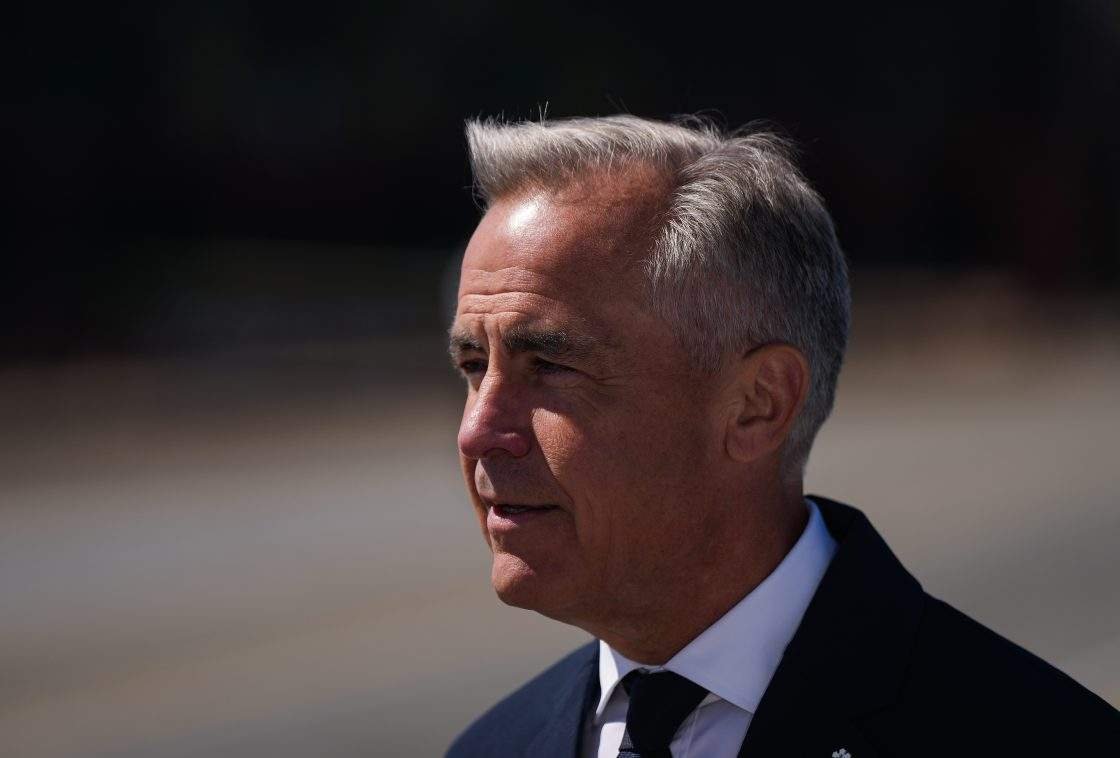
Prime Minister Mark Carney said Wednesday that Canada has been "involved from the start" in the espionage case of a Canadian intern arrested at NATO's military headquarters in Belgium, adding cryptically that observers could "draw your own conclusions" about what that involvement means. Speaking in Toronto after a housing announcement, Carney stressed that any such situation demands lessons while noting the active investigation limits what he can say. The case has thrown a spotlight on Canada's security screening processes, the vetting role of the Canadian Security Intelligence Service, and the wider challenge of foreign interference at alliance institutions.
Carney's Response Highlights Ongoing Investigation
Prime Minister Mark Carney addressed reporters in Toronto on Aug. 5, 2026, following a housing policy announcement. When questioned about contacts with NATO and Belgian authorities, and about the security risk posed by the spying case, he stressed the importance of reviewing procedures after any such incident.
"Anytime you have a situation, you should take stock and take lessons from this. The second thing is, look, it's an active investigation, so I'm limited in what I can say," Carney said.
"The only thing I would add, cryptically, is that Canadian officials have been involved from the start. Draw your own conclusions."
Arrest of Canadian Intern at SHAPE Headquarters
Belgian authorities arrested the 32-year-old Canadian woman of Chinese origin on July 25 at NATO's Supreme Headquarters Allied Powers Europe (SHAPE) in Mons. The Federal Public Prosecutor's Office said she is suspected of spying on behalf of a third country and of being a member of a criminal organization.
The suspect came to the attention of SHAPE's security services, which referred the matter to Belgium's military intelligence agency. Following the arrest, searches were conducted at her home and office at NATO. To date, Belgian authorities have released no further details of her identity or the country or organization she is suspected of spying for.
Identity and Background of Biwei Zhang
CBC News has identified the suspect as Biwei Zhang, a systems engineer whose resume suggests she previously worked for Canadian government agencies. She was vetted by the Canadian Security Intelligence Service before beginning her internship at SHAPE.
No additional details have emerged regarding the specific third country or organization involved, and China has not commented on the allegations. The case has nevertheless raised pointed questions about how the intern obtained clearance for a position at one of the alliance's most sensitive facilities.
The Belgian Legal Process
The allegations centre on suspected spying for a third country, according to Belgium's Federal Public Prosecutor's Office. Belgian authorities have released limited details about the investigation, which began after SHAPE security services referred the matter to the country's military intelligence agency.
Following a closed-door hearing, bail was denied and a one-month pre-trial detention order was issued. The suspect has appealed the detention decision, and further hearings are expected in the coming weeks to address both the appeal and the scope of the charges. Public information remains restricted at this stage.
Security Screening Under the Microscope
The case has drawn attention to the CSIS vetting process applied to Canadians selected for positions at international institutions such as NATO. Experts have raised questions about the effectiveness of existing RCMP and CSIS screening procedures in this context, and about how such placements are approved and monitored.
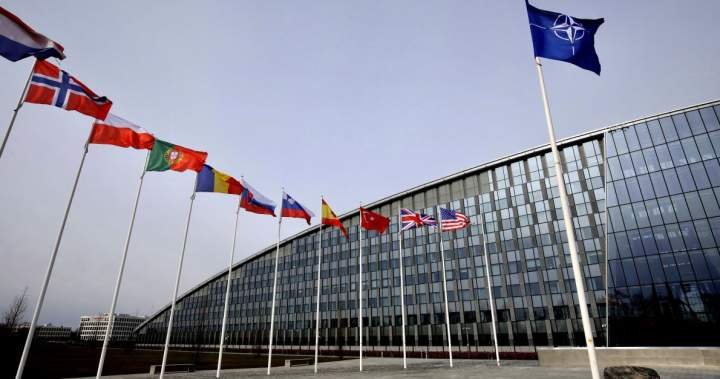
Public Safety Minister Gary Anandasangaree stated on July 27, during remarks in New Westminster, British Columbia, that he did not want to speculate on the case. "What I will say is that the allegations that have been made are quite serious," he said. Officials will examine whether the suspect performed any work for Canadian agencies, he added, "but ultimately, we need to get to the bottom of this, and we need to ensure that these types of incidents do not occur in the future."
Internships and the Security Gap
Internship placements at institutions such as SHAPE provide young professionals with direct exposure to alliance operations. At the same time, these roles can create security questions because they grant access to information at the core of global security architecture. Experts have described such internships as a potential Achilles' heel for this reason.
The case of the 32-year-old systems engineer, who was vetted by CSIS before her placement, illustrates the balance between offering career development and protecting classified material. Her resume indicated prior work with Canadian government agencies, yet the matter still came to the attention of SHAPE security services before Belgium's military intelligence agency became involved.
The incident suggests that international security organizations may need to review how internship placements are vetted and monitored on an ongoing basis to address these vulnerabilities.
Foreign Interference and a Wider Espionage Pattern
The arrest occurs against the backdrop of Canada's ongoing parliamentary inquiries into foreign interference. The Communications Security Establishment continues to monitor threats to government systems and alliances, while agencies such as CSIS and the RCMP maintain responsibilities for counter-espionage and protective security.
The Canadian case also aligns with a wider pattern of suspected espionage activity targeting NATO structures. In February, Greek and French authorities detained multiple individuals accused of spying for China, including a Greek air force colonel alleged to have shared classified information on NATO projects. Beijing has extended an anti-dumping investigation against Canada, though no direct link to the espionage allegations has been established. The developments highlight ongoing challenges in protecting sensitive positions within multinational defence organizations.
Implications for Canada-NATO Relations
Canada has committed to increasing defence spending toward NATO's two per cent of GDP guideline and contributes personnel and resources to alliance operations. SHAPE in Mons serves as the primary military command hub for the alliance, making any security breach at the facility a matter of direct concern to all member states, including Canada.
The episode raises practical questions about the placement of Canadian personnel in sensitive NATO roles and the mechanisms for sharing security-related information between Ottawa and alliance partners. Global Affairs Canada and Public Safety Canada are expected to assess implications for future vetting and liaison arrangements without disrupting established defence cooperation.
An espionage case involving a Canadian national at SHAPE places these commitments under renewed attention from allies, even as Minister Anandasangaree has emphasized the requirement to prevent similar incidents and to protect future placements.
For Canadians, the case is a reminder that national security responsibilities extend well beyond the border. Canadian personnel serve at alliance institutions across Europe, and Ottawa's screening decisions carry consequences for how partners view the reliability of Canadian clearances. The government's pledge to review what happened, and to examine whether the suspect performed any work for Canadian agencies, points to a broader reckoning with how Canada protects the sensitive information it shares with allies.
What Happens Next
The Belgian legal process continues, with the appeal of the pre-trial detention order still pending and further proceedings expected to determine the scope of the charges. Public Safety Minister Anandasangaree has committed to investigating any Canadian connections, including whether the suspect performed work for Canadian agencies. China has remained silent on the case while recently extending an anti-dumping probe against Canada.
Prime Minister Carney's cryptic assurance that Canadian officials have been involved from the start suggests Ottawa has been cooperating with Belgian authorities and NATO throughout. The coming weeks will determine whether the appeal succeeds, what further details Belgian prosecutors disclose, and what lessons Canada draws about the security screening of Canadians who serve at the heart of the alliance.
Tags: Mark Carney, NATO, espionage, Biwei Zhang, CSIS, foreign interference, Belgium, SHAPE, national security, Canada
By Alex Thompson, Staff Writer
This article was produced with AI-assisted research and editorial support. Reporting is based on sources cited in the article.
What's Your Reaction?
 Like
0
Like
0
 Dislike
0
Dislike
0
 Love
0
Love
0
 Funny
0
Funny
0
 Wow
0
Wow
0
 Sad
0
Sad
0
 Angry
0
Angry
0

Canada Correspondent at Global1.News. Based in Toronto, covering Canadian politics, energy, trade, and US-Canada relations. Provides the Canadian perspective on North American and global affairs.














Comments (0)