
Carney and Chow Announce $2.7 Billion Toronto Rental Housing Deal to Deliver 5,600 Homes by 2031
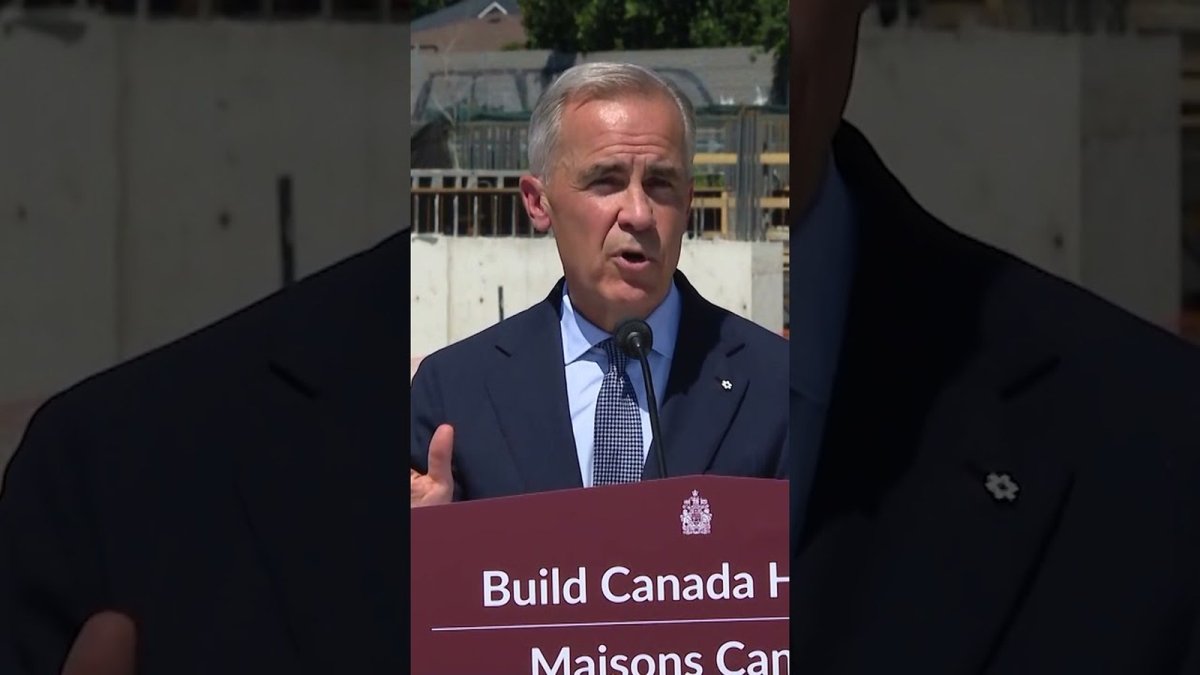
The federal government is committing at least $2.7 billion over three years to unlock more than 18 stalled rental housing projects across Toronto, Prime Minister Mark Carney announced Wednesday alongside Mayor Olivia Chow at a co-op construction site in Scarborough.
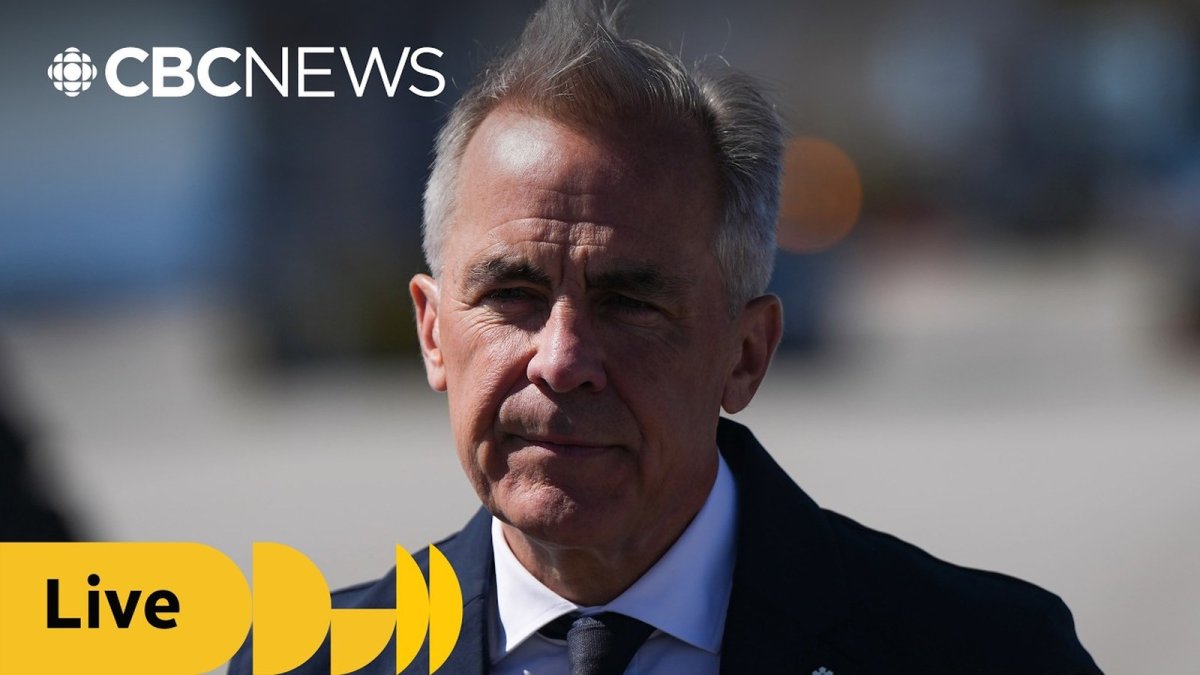
The federal government is committing at least $2.7 billion over three years to unlock more than 18 stalled rental housing projects across Toronto, Prime Minister Mark Carney announced Wednesday alongside Mayor Olivia Chow at a co-op construction site in Scarborough. The partnership, featured in a recent CBC News report, is expected to deliver more than 5,600 rental homes — with shovels in the ground on more than 4,500 units before the end of 2026 — through two distinct funding channels involving Build Canada Homes and the CMHC Apartment Construction Loan Program. For a city where rents have climbed sharply and vacancy remains tight, the announcement directly targets the affordability pressures facing Toronto renters.
Carney and Chow Announce $2.7 Billion Toronto Rental Housing Deal to Deliver 5,600 Homes by 2031
Toronto, Ontario – Wednesday — Prime Minister Mark Carney and Toronto Mayor Olivia Chow announced the partnership at a new co-op housing site in Scarborough, marking the largest single-city housing investment under the Build Canada Homes initiative launched in September 2025. The federal government is directing at least $2.7 billion over three years into more than 18 projects that will produce more than 5,600 rental homes, all designated as affordable, supportive, rent-geared-to-income or rent-controlled units, with about 80 per cent of the portfolio scheduled to begin construction before the end of 2026.
Non-Market Housing Channel Through Build Canada Homes
More than $310 million from Build Canada Homes will advance nine projects on City-owned land, delivering nearly 1,900 rental homes. This includes more than 700 supportive and affordable units plus more than 1,100 rent-controlled homes managed by the non-market housing sector. The City of Toronto is contributing public land at nominal value along with more than $530 million in capital funding and financial incentives, including up to 99-year exemptions from municipal and school property taxes. These sites are located in downtown Toronto, Scarborough, Etobicoke, Parkdale and the waterfront.
The non-market approach prioritises Canadian materials under the Buy Canadian Policy, including Canadian steel and lumber. One example is the 100-unit Indigenous-led supportive housing development at 15 Denison Avenue. Another is the mass-timber, low-carbon build at 1113-1125 Dundas Street West, which uses modern methods of construction expected to reduce emissions by up to 22 per cent. A volumetric-modular development at 805 Wellington Street further demonstrates the focus on faster, lower-emission building techniques.
Market-Rate Channel via CMHC Apartment Construction Loan Program
More than $1.8 billion in low-cost financing through the CMHC Apartment Construction Loan Program will support nine additional projects expected to deliver over 3,700 rental homes. This includes more than 1,000 affordable units. Up to $600 million in additional financing has been allocated for further Toronto projects as they become ready. These developments are planned for downtown Toronto, Leaside, Flemingdon Park, the Junction Triangle, Scarborough and Weston.
Projects target neighbourhoods hardest hit by rising rents and evictions, where Toronto's renoviction bylaw took effect a year ago. The 16-storey Parkdale Hub complex in the west end and the redevelopment of the former Toronto Coach Terminal downtown, which will bring new rentals to Corktown, illustrate the geographic spread. A project at 158 Borough Drive in Scarborough, a neighbourhood that has seen some of the steepest rent increases in the city, is also included in this portfolio.
Impact on Toronto Renters and Families
For households on affordable housing waitlists, seniors seeking stable accommodation, students near transit and families needing more space, the portfolio matters because every one of its more than 5,600 units is a rental — none are condominiums. At least 1,800 of those homes will be deeply affordable, supportive or rent-controlled, a distinction that carries real weight in a market where average asking rents in the GTA have risen sharply in recent years and vacancy rates remain tight. The projects are spread across Scarborough, Parkdale, Weston, Etobicoke, the downtown core and the waterfront, where rent pressures and displacement concerns have been most acute.
Understanding the housing categories helps explain the impact. Affordable units are defined as those costing under 30 per cent of household income, rent-geared-to-income units adjust rent to a fixed proportion of actual income, and rent-controlled units follow provincial guidelines that limit annual increases. The Indigenous-led supportive housing project at 15 Denison Avenue responds to a specific community need, while supportive units elsewhere in the portfolio are designed to address chronic homelessness. Because the homes remain rental rather than condominium, the projects also avoid the conversion pressures that have reduced Toronto's purpose-built rental stock in recent years.
The location of the projects is as important as their number: many sit in neighbourhoods where residents already work or study, which means the new supply can help people remain close to jobs, schools, transit and grocery stores rather than forcing longer commutes. For families doubled up in crowded apartments and for young workers watching rents consume a growing share of their pay, the announcement offers a concrete signal that relief is planned — even though most units will take time to complete.
Political and Economic Context for Canadian Housing Policy
The announcement occurs against Ontario's struggle to meet its target of 1.5 million new homes by 2031. The Canada-Ontario Partnership to Build earlier provided Toronto with $1.5 billion to reduce residential development charges by 40 to 60 per cent, lowering the cost of a new single or semi-detached home by roughly $83,000. Federal measures such as the elimination of GST on homes up to $1 million for first-time buyers, saving up to $50,000, and the full 13 per cent HST removal in Ontario, saving up to $130,000, complement the new investment.
Build Canada Homes, launched in September 2025 with $13 billion in initial capital, has already committed to nearly 17,000 units through 17 partnerships nationwide, with more than 1,900 homes under construction. Carney noted that all of the Toronto projects had received prior approvals but remained stalled until financing was secured through this partnership.
Statements from Carney, Chow and Federal Housing Minister
Prime Minister Carney stated that Toronto is becoming a model for how a great city can build its way forward, adding that the projects represent places people can afford rather than luxury condos. He emphasised that for decades Toronto did not build enough housing, with prices driven up by development charges, taxes and rising construction costs, and that the solution lies in building more supply faster through partnership across every order of government. Carney also highlighted that people have come from every corner of the earth to build a life in Toronto and that a healthy rental market is crucial for every kind of renter.
Mayor Olivia Chow said that if you work in Toronto, you should be able to afford to live here, and that thousands of shovels are now in the ground with cranes in the sky across the city. Housing and Infrastructure Minister Gregor Robertson noted that every Canadian deserves a safe, affordable place to call home and that the partnership aligns investments to accelerate construction of much-needed housing.
Reactions and Analysis
Housing advocates have long called for expanded non-market supply, arguing that private development alone will not deliver the deeply affordable homes lower-income households need. Conservative critics, including Leader of the Opposition Pierre Poilievre, have taken the opposite view, contending that the federal government has not built housing quickly enough and pressing the Liberals to deliver on pledges made since the 2025 election campaign. The announcement gives both sides fresh material as the parties position themselves on affordability ahead of the August byelections.
The financing step is significant because the 18 projects had already cleared municipal approvals; the federal commitment removes the capital barrier rather than restarting planning processes from scratch. As Carney put it, the projects were "stalled for want of financing, until today" — meaning construction can begin quickly on sites already zoned, permitted and, in many cases, designed. That distinguishes this announcement from programs that must first navigate years of approvals before a single unit breaks ground.
Construction is projected to support roughly 2,100 jobs per year. Modern methods such as mass timber at 1113-1125 Dundas St W, which targets up to a 22 per cent reduction in emissions, and volumetric modular construction at 805 Wellington reduce on-site timelines and material waste compared with traditional methods. These techniques align with the federal emphasis on faster, lower-carbon building practices.
Connections to Federal-Provincial Relations and Upcoming Elections
The announcement coincides with Carney's tour of a public transit site in Toronto alongside Ontario Premier Doug Ford. The federal government earlier this month rejected a proposal to expand Toronto's Billy Bishop island airport to allow jets after consultations drew more than 87,000 responses, with nearly 87 per cent opposed. Ford's government is also reconsidering support for the Alto high-speed rail project. Housing affordability remains a top issue ahead of byelections called for three ridings in Ontario, Quebec and British Columbia under the Liberal minority government.
What This Signals for Federal Housing Policy
The Toronto agreement effectively operationalises the two-channel model at municipal scale: Build Canada Homes directs public capital to non-profits, co-ops and public agencies for affordability-focused units, while the CMHC Apartment Construction Loan Program extends low-cost loan support to private developers in exchange for a required share of affordable homes. The agency's original mandate of 4,000 factory-built homes on six federal sites, with capacity to scale toward 45,000 units, suggests the federal government views Toronto as a proving ground for delivery models it hopes to replicate in other cities.
The package also layers contributions from every order of government — federal capital and loan financing, provincial development-charge relief delivered through the Canada-Ontario Partnership to Build, and municipal land, cash and long-term property tax exemptions. Similar cooperation models have been referenced in other federal infrastructure files involving ports, mines, highways and energy corridors, suggesting housing is being treated as part of a broader national building agenda.
The timing is politically significant: the announcement lands weeks before the August byelections in three ridings across Ontario, Quebec and British Columbia, giving the governing Liberals a visible delivery story to campaign on. For housing researchers and municipal planners, the more durable signal is the financing architecture — a federal agency writing equity-style cheques to non-market builders alongside a loan program for private developers, with the city contributing land and tax relief. If the Toronto projects hit their construction deadlines, that architecture is likely to become the template for similar partnerships in other large Canadian cities.
What Happens Next
Construction timelines will see more than 4,500 units begin before the end of 2026, with the full portfolio reaching substantial completion by March 2031. The partnership demonstrates how federal capital, municipal incentives and provincial development-charge relief can align to address the housing supply shortage that has driven up rents across the GTA in recent years.
By delivering a mix of non-market and market rental units in neighbourhoods facing the highest eviction pressures, the $2.7 billion commitment provides a concrete test of whether coordinated federal-provincial-municipal action can reverse decades of under-building and restore affordability for Toronto renters. The outcomes will inform future national housing policy under Build Canada Homes and shape public expectations about what coordinated government action can deliver on affordability.
By Alex Thompson, Staff Writer
This article was produced with AI-assisted research and editorial support. Reporting is based on sources cited in the article.
What's Your Reaction?
 Like
0
Like
0
 Dislike
0
Dislike
0
 Love
0
Love
0
 Funny
0
Funny
0
 Wow
0
Wow
0
 Sad
0
Sad
0
 Angry
0
Angry
0

Canada Correspondent at Global1.News. Based in Toronto, covering Canadian politics, energy, trade, and US-Canada relations. Provides the Canadian perspective on North American and global affairs.















Comments (0)