
Five Newborns Died in an IMSS Neonatal Unit in Durango. Mexico's Answers Are Still Pending.
Five newborns died in the neonatal intensive care unit of IMSS Hospital General de Zona No. 1 in Durango between 15 and 19 September 2026. Klebsiella pneumoniae was found in four of them, but IMSS says the link to the deaths is still under analysis and families have filed complaints.
DURANGO, Mexico — Five newborn babies died in the neonatal intensive care unit of an IMSS hospital in Durango between 15 and 19 September 2026, and Mexico's social security institute says the relationship between the bacterium found in four of them and each individual death is still under analysis.
The bacterium, Klebsiella pneumoniae, was detected in four of the five babies who died, according to IMSS's coordinator of Epidemiological Surveillance, Dr Adriana Toríz Saldaña. In the fifth baby, studies did not identify the outbreak bacterium. IMSS has stated repeatedly that its presence "does not by itself explain" the deaths.
A criminal complaint has been filed, the families are rejecting compensation, and a second cluster has surfaced at an IMSS hospital in Jalisco, where at least three babies have died. Genetic sequencing results for the Durango samples remain pending.
Five Newborns Died in an IMSS Neonatal Unit in Durango. Mexico's Answers Are Still Pending.
Durango, Mexico — The unit has been closed to new admissions since the outbreak was identified, and the case has been escalated to federal health authorities. More than two weeks after the last of the five deaths, the analysis that would explain them is not finished.
The Five Deaths in Durango
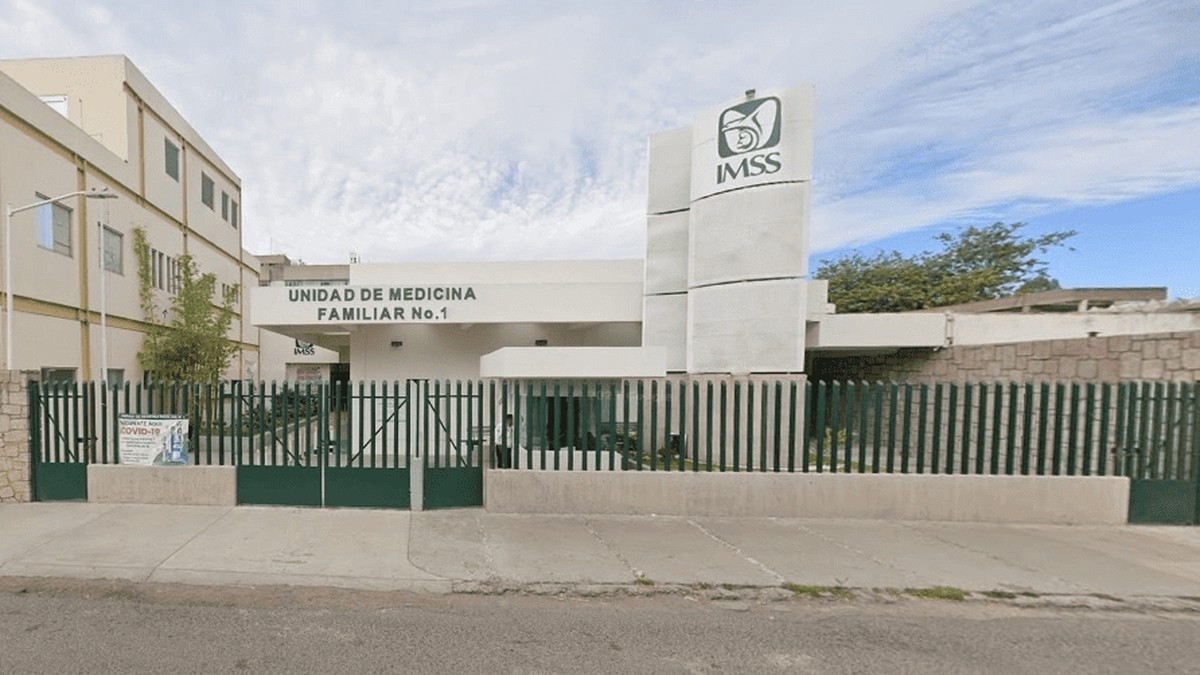
Three newborns died on Tuesday 15 September. A fourth died on Friday 18 September, and a fifth on Saturday 19 September. All five were patients in the neonatal intensive care unit, known in Mexico as the UCIN, at IMSS Hospital General de Zona No. 1 in Durango.
Between 1 and 19 September the unit treated eleven newborns in total, all of them in serious or complex condition requiring intensive care. Some were more than 30 days old. Others weighed under 900 grams. Several had undergone medical procedures.
Six of the eleven were discharged, and in none of those six was the bacterium associated with the outbreak identified. Four of the five bereaved families were initially attended individually by IMSS, which reviewed and delivered the clinical files they requested and explained the results available at that point.
The Bacterium at the Centre of the Investigation
Dr Adriana Toríz Saldaña, IMSS's coordinator of Epidemiological Surveillance, said the organism was found in four of the five babies who died. The strain is sensitive to the antibiotics routinely used and available in the hospital, she said.
In the fifth baby who died, the studies did not identify the bacterium associated with the outbreak. IMSS has not detailed a possible cause of death for that baby.
The first notification came on 14 September 2026, after two cultures returned positive for Klebsiella pneumoniae. IMSS's stated main hypothesis is that the bacterium came from a single source associated with one of the patients treated in the UCIN — that is, one newborn may have been a carrier on admission. The institute said this remained under review. Environmental cultures taken inside the unit have not found Klebsiella pneumoniae, as of the IMSS update of 24 September.
What IMSS Has Confirmed, and What It Has Not
IMSS has confirmed the deaths, the detection of the bacterium in four of the five babies, the closure of the unit to new admissions, and the escalation of the case to federal authorities. It has confirmed that environmental cultures inside the UCIN were negative for the bacterium.
It has not confirmed that Klebsiella pneumoniae caused the deaths. The institute states that the presence of the bacterium "does not by itself explain" them, and that the relationship between the bacterium and each individual death remains under analysis. No authority has established a causal link.
On 24 September IMSS said it had concluded the observation period for the outstanding cultures. The samples were sent to Mexico City for genetic sequencing of the Klebsiella pneumoniae, to establish its genetic characteristics and whether the cases are related. Those results are still pending. The institute has not stated a source of contamination.
The Containment Measures
Containment measures have included isolation of cases, suspension of new admissions, exhaustive cleaning and disinfection, monitoring of contacts, and follow-up cultures. The UCIN remains closed to new admissions. No new associated cases had been reported as of the IMSS update of 24 September.
The case was escalated to IMSS head offices with the participation of the federal Secretaría de Salud, the Dirección General de Epidemiología, CENAPRECE, the federal health-risk regulator COFEPRIS and Coprised. The federal Health Secretariat sent a technical team from the Dirección General de Epidemiología and COFEPRIS to investigate.
Surveillance was widened from the neonatal unit to the rest of Hospital General de Zona No. 1. Durango governor Esteban Villegas Villarreal said containment and surveillance measures were being applied in hospitals with intensive-care and paediatric units. State authorities also said human error might have played a part.
The Families Are Not Accepting Compensation
Four families initially filed a complaint with the public prosecutor's office, and the fifth family then also filed one, according to Fermín Flores, the lawyer for one of the families. The families are rejecting IMSS's compensation and intend to pursue a penal case for negligencia médica, or negligent homicide.
Parents interviewed by El Financiero said several babies deteriorated rapidly and questioned the absence of laboratory results and of an explanation for the deaths. They also alleged irregularities in hygiene and care conditions in the UCIN, and accused hospital authorities of a lack of communication and attention.
IMSS said it maintains personalised attention for families through the head of its Human Rights Unit, Jorge Marengo. The institute said it responded to requests from the federal Attorney General's Office arising from a complaint, and would cooperate fully and transparently with the authorities.
The Apology, and the Fifteen-Day Clock
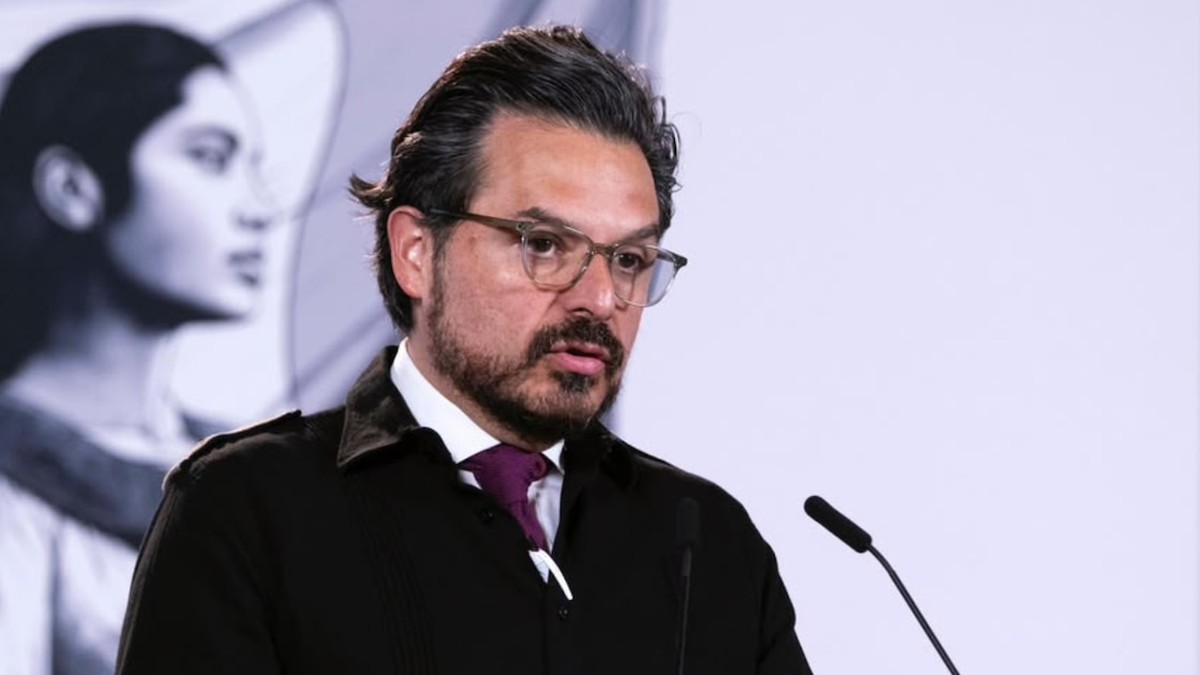
IMSS director general Zoé Robledo Aburto travelled to Durango, met governor Esteban Villegas Villarreal to review the investigation, and met the mothers, fathers and relatives of the newborns. At that meeting he apologised on behalf of the Institute to the families of four of the five babies, heard their submissions, and agreed to keep supporting them through the investigation. A follow-up meeting was announced for 15 days' time.
Speaking at President Claudia Sheinbaum's morning press conference on 29 September, Robledo said the medical, legal and labour investigations remain open, and that conclusions cannot be anticipated while the analyses are unfinished. He said one of the agreements reached with the parents is that any new finding will be communicated to the families first, and to the media afterwards.
No one has resigned, been suspended or been charged in connection with the deaths.
A Second Cluster in Jalisco
At least three babies have died at the Centro Médico Nacional de Occidente, an IMSS hospital in Jalisco. Parents detailed the case of Anthony Jassiel, a three-week-old baby admitted to the neonatal intensive care area for an intestinal problem detected at birth. They said he was later isolated in another area and diagnosed with Klebsiella pneumoniae, and that he died on 7 July 2026. His death certificate gave the cause as multi-organ failure due to Klebsiella pneumoniae and Candida albicans.
A collective complaint was filed before the federal Attorney General's Office over the three Jalisco deaths, alleging medical negligence in the unit. The parents point to infections by bacteria and fungi including Klebsiella and Candida during hospitalisation. They also filed a complaint with IMSS; their legal representative said the institute has 50 days to carry out the investigations.
IMSS Jalisco said it is awaiting the findings of the Órgano Interno de Control. Salud Jalisco said it found no presence of the bacterium, but would follow up the complaint and monitor the hospital's epidemiological situation. The parents have demanded an investigation to establish staff responsibility and sanction those implicated. The Jalisco cases have not been confirmed to involve the same organism or the same outbreak as Durango.
What the President Has Said
President Claudia Sheinbaum confirmed the federal government is investigating. "An investigation is under way to see what caused it and to stay in contact with the families," she said. She said she had spoken with Robledo that morning.
She characterised the case as IMSS's and as a matter distinct from other health-sector cases. Her remarks came as the institute faced questions over the Durango deaths and over a separate matter in Baja California, where IMSS confirmed a serious error at Hospital de Gineco Pediatría No. 31 in Mexicali, where two newborn girls were handed to families to whom they did not belong.
A central-level team travelled to Mexicali to provide psychological, medical and legal support, together with the state DIF's child-protection prosecutors. Gabriela Paredes Orozco, head of IMSS's national Unidad de Atención a la Derechohabiencia, apologised personally to the families.
Klebsiella in Mexican Hospitals Before
In late November 2024, twelve newborns and a 13-year-old girl died after receiving an intravenous nutritional formula contaminated with the bacterium Klebsiella oxytoca. The cases occurred in three public hospitals and one private hospital in Toluca, in the State of Mexico.
Klebsiella pneumoniae is one of the most frequent causes of late-onset neonatal sepsis. Strains producing extended-spectrum beta-lactamases and carbapenem-resistant strains are the particular concern. It can cause bacteraemia, pneumonia, meningitis and urinary-tract infections.
Premature newborns with low birth weight, catheters, mechanical ventilation, surgery or prolonged stays are at greater risk of colonisation and infection. The microbiological profile of a neonatal unit varies by hospital, city, institution and season; empirical antibiotic decisions must be based on blood cultures, sensitivity testing and the unit's own antibiogram. The bacterium detected in the Durango cases was one IMSS described as responsive to the hospital's standard antibiotic stock.
What Happens Next
The genetic sequencing results from Mexico City are pending. Until they arrive, the question of whether the Durango cases are related to one another remains formally unanswered. The unit is still not accepting new patients, and surveillance continues across the rest of the hospital.
A follow-up meeting between IMSS and the families is scheduled for 15 days after Robledo's visit to Durango. The institute has committed to communicating any new finding to the families first. The criminal complaints filed by the families remain before the public prosecutor's office, and the parallel medical and labour inquiries have not concluded.
In Jalisco, IMSS awaits the findings of its internal control body, and the federal Attorney General's Office has 50 days to carry out investigations into the collective complaint. The families there have demanded an exhaustive investigation to establish responsibility and to sanction those implicated. No outcome has been promised in either case.
By Jessica Ali, Staff Writer
This article was produced with AI-assisted research and editorial support. Sources: Infobae, Excelsior, UnoTV, Eje Central, Diario de Mexico, Sonora Presente, Subjetivo, nmas and Su Medico.
What's Your Reaction?
 Like
0
Like
0
 Dislike
0
Dislike
0
 Love
0
Love
0
 Funny
0
Funny
0
 Wow
0
Wow
0
 Sad
0
Sad
0
 Angry
0
Angry
0

Editor-in-Chief at Global1.News. Atlanta-based journalist who cuts through the BS and tells it like it is. Lead anchor, host, and the voice you hear when the spin stops and the truth starts.















Comments (0)