
Delivery Rider Killed by Falling Tree, Utility Pole in Antipolo as Habagat Claims Lives Across Luzon
In a recent ANC 24/7 report, the nation witnessed the tragic death of a delivery rider in Antipolo City, a stark reminder of the daily dangers faced by gig economy workers who brave the elements to make a living.
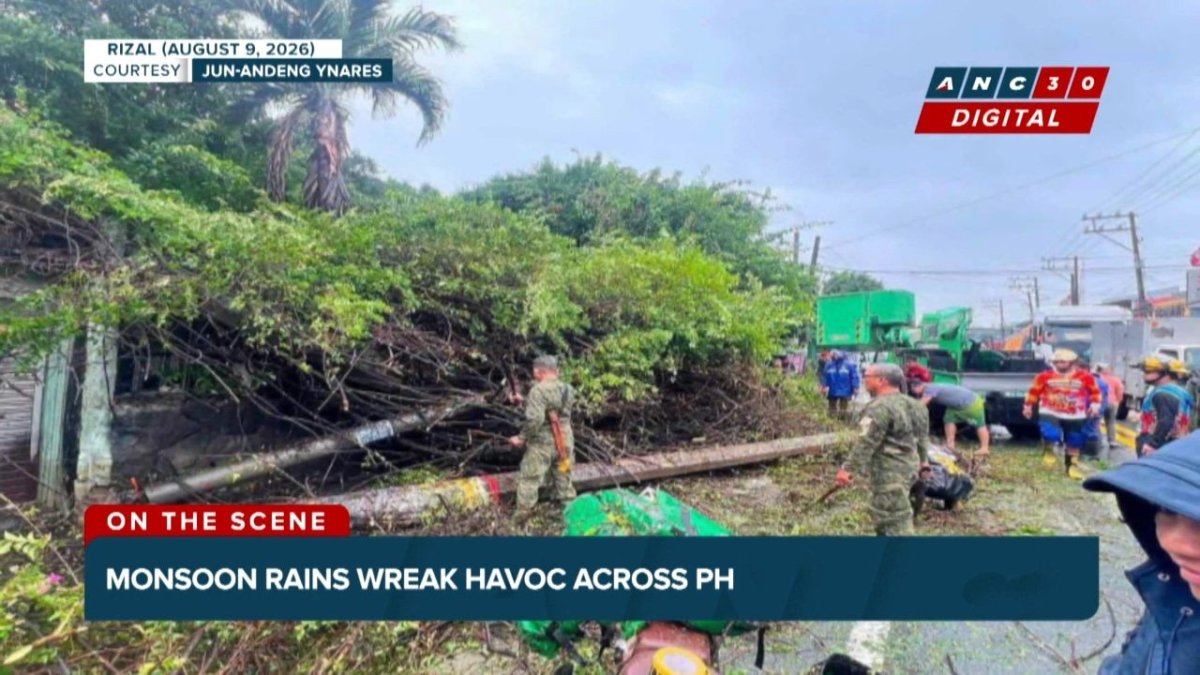
In a recent ANC 24/7 report, the nation witnessed the tragic death of a delivery rider in Antipolo City, a stark reminder of the daily dangers faced by gig economy workers who brave the elements to make a living. The rider, who had sought shelter from the relentless rain under a tree along Circumferential Road, was crushed when the tree and a utility pole collapsed on him. This heartbreaking incident underscores the immense risks shouldered by the thousands of Filipino delivery riders who keep the country's commerce moving, even as the Southwest Monsoon (habagat) unleashes its fury on the metropolis and surrounding provinces.
Delivery Rider Killed by Falling Tree, Utility Pole in Antipolo as Habagat Claims Lives Across Luzon
Manila, Philippines – Sunday — A delivery rider died on Sunday afternoon after a tree and a utility pole fell on him while he took shelter from heavy rain along Circumferential Road in Barangay San Isidro, Antipolo City. The incident, which occurred amid the continued onslaught of the Southwest Monsoon, has prompted the city government to issue urgent safety warnings as the death toll from the combined effects of the monsoon and tropical cyclones Luis and Maymay rose to eight, according to the National Disaster Risk Reduction and Management Council (NDRRMC).
The Fatal Shelter: A Routine Stop Turns Deadly
The victim, whose name has not yet been released pending family notification, was navigating the flooded streets of Antipolo when the downpour intensified. Seeking refuge under a large tree along the busy Circumferential Road, a common practice for riders and commuters alike during sudden storms, he was caught in a deadly cascade of timber and electrical infrastructure. The saturated soil, weakened by days of continuous rain, could no longer hold the roots of the tree, which gave way and dragged down a nearby concrete utility pole, pinning the rider beneath the debris.
According to a Facebook post by Antipolo City Mayor Jun-Andeng Ynares, rescuers from the city's disaster response team were immediately dispatched to the scene. They rushed the critically injured rider to the Rizal Provincial Hospital System (RPHS) Antipolo Annex 2, where medical personnel fought to save his life. Despite their efforts, the rider succumbed to his injuries shortly after arrival, marking a somber day for the city that has been on high alert since the weekend.
Mayor Ynares expressed his condolences and detailed the city's commitment to supporting the victim's family. In a statement in Filipino, he said, "At present, his family members are in Pasay, Laguna, and Catanduanes. We are waiting for them to arrive so we can properly assist and support them." The Antipolo City government has pledged to cover all funeral and burial arrangements, easing the financial burden on a family already grappling with sudden loss. The mayor also confirmed that clearing operations were conducted immediately at the scene to remove the fallen tree and pole, allowing the road to be reopened to motorists and restoring normal traffic flow in the area.
Habagat's Wrath: A Regional Crisis Unfolds
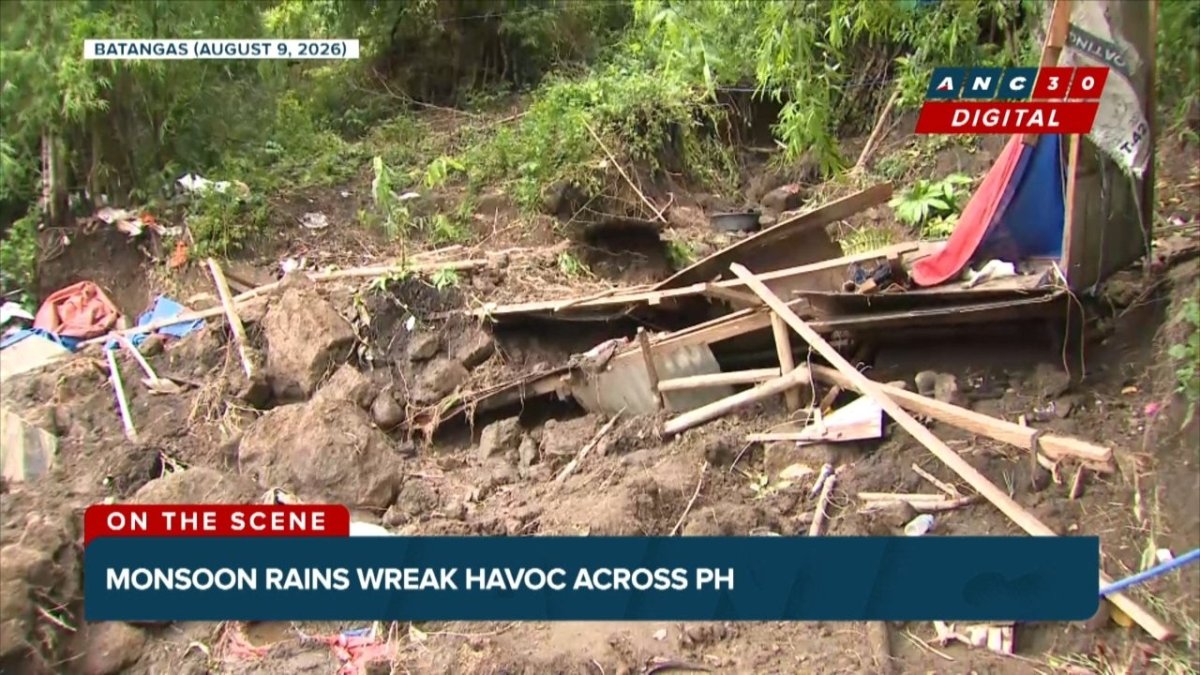
The Antipolo tragedy is not an isolated event. It is a grim symptom of a larger weather system that has battered Luzon for days. The Southwest Monsoon, enhanced by tropical cyclones Luis and Maymay, has dumped torrential rains across the region, saturating the soil and destabilizing slopes and vegetation. This environmental fragility has turned everyday objects—trees, utility poles, and even mountainsides—into lethal hazards.
The NDRRMC reported that as of 6 p.m. on Sunday, the death toll from the combined effects of the Habagat and the cyclones stood at eight. The casualties are spread across four regions: two in Rizal due to a rockslide, two in Batangas due to drowning and electrocution, two in Benguet due to a landslide, and two in La Union due to a combination of landslide, electrocution, and drowning. These numbers, while still being verified, paint a picture of a nation under siege from a climate that is becoming increasingly unpredictable and violent.
In a related incident that highlights the peril faced by workers in disaster-prone zones, a 69-year-old construction worker, Teodoro Latombo from Mauban, Quezon, died after a landslide buried the barracks where he and his co-workers stayed in Barangay Calumala, Sta. Teresita, Batangas on Saturday night. Latombo was part of a crew working on the Taal Lake Circumferential Road. At around 11 p.m., the workers heard a loud rumbling. In the chaos that followed, Latombo fell from a four-meter-high riprap and was buried by soil and debris. He was rushed to Taal Polymedic hospital but was declared dead at around 1:25 a.m. on Sunday. Authorities confirmed he was the third recorded fatality in Batangas from the Habagat, following one person electrocuted in Lipa City and another who drowned in Barangay San Jose Sico, Batangas City.
La Mesa Dam and the Looming Flood Threat
As the rains continue, the risk of severe flooding in Metro Manila has escalated dramatically. La Mesa Dam in Quezon City breached its critical level of 79.50 meters on Sunday, reaching 79.77 meters as of 10:20 a.m. With its spilling level at 80.15 meters, the dam is on the verge of releasing water, which will significantly raise the flood risk along the Tullahan River. This is a familiar and terrifying scenario for residents of low-lying barangays in Quezon City, Malabon, Navotas, and Valenzuela, who have historically borne the brunt of the river's overflow.
The Philippine Atmospheric, Geophysical and Astronomical Services Administration (PAGASA) has warned that the enhanced Habagat will continue to bring moderate to heavy rains over the western sections of Luzon, including Metro Manila, in the coming days. The agency has urged local government units to preemptively evacuate residents in danger zones, particularly those living near riverbanks, mountain slopes, and other high-risk areas. The situation is a stark reminder that the monsoon, a seasonal phenomenon that Filipinos have lived with for centuries, is now being amplified by climate change, resulting in more intense and destructive weather events.
The Human Cost: Gig Workers and Families on the Frontline
The death of the delivery rider in Antipolo is a profound loss that resonates deeply with the millions of Filipinos who depend on the gig economy for their survival. In a country where traffic congestion is a daily ordeal and public transportation is often unreliable, delivery riders have become the lifeblood of urban commerce. They navigate flooded streets, brave howling winds, and risk their lives to deliver food, documents, and packages to homes and offices. For many, this is not a choice but a necessity, as they juggle multiple jobs to support their families.
The victim's story is one of sacrifice. He was working on a Sunday, a day typically reserved for rest and family, to earn a living. His decision to shelter under a tree was a rational one, a momentary pause to wait out the storm. It was a decision that cost him his life, and it highlights the extreme vulnerability of these workers who have no safety net, no hazard pay, and no guarantee of protection from their employers. The city government's promise to assist with funeral arrangements is a compassionate response, but it does little to address the systemic risks that these workers face every day.
Beyond the gig economy, the monsoon's impact is being felt by families across Luzon. In Batangas, the family of Teodoro Latombo is mourning a patriarch who was working far from home to provide for his loved ones. In Benguet and La Union, communities are reeling from landslides that have buried homes and claimed lives. In Rizal, a rockslide has left two families shattered. Each number in the NDRRMC report represents a person with a name, a story, and a family left behind to pick up the pieces.
Government Response and Public Vigilance
Mayor Ynares' swift response to the Antipolo tragedy has been praised by residents, but it also underscores the need for proactive measures. The city government has urged the public to remain vigilant during heavy rain and strong winds and to avoid taking shelter near trees, utility poles, and other structures that could collapse. This advisory, while necessary, is a reactive measure. The deeper question is what can be done to prevent such tragedies from occurring in the first place.
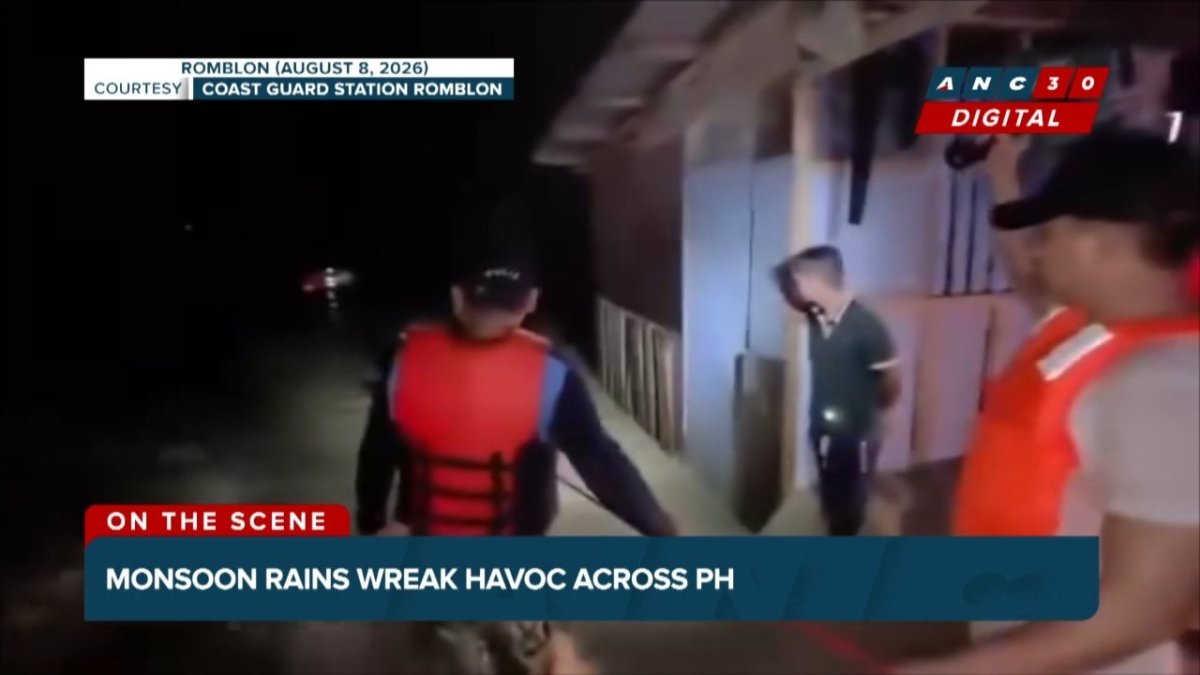
Local governments across the affected regions have been conducting preemptive evacuations, clearing drainage systems, and positioning rescue teams in strategic locations. The Department of Social Welfare and Development (DSWD) has prepositioned food packs and relief goods in evacuation centers. The Department of Public Works and Highways (DPWH) has deployed teams to clear roads of debris and landslides. However, the sheer scale of the disaster, combined with the ongoing threat of more rain, is stretching resources thin.
On social media, the tragedy in Antipolo has sparked a wave of grief and anger. Netizens have expressed their condolences for the rider and his family, while also calling for better protection for gig workers. Many have shared stories of near-misses, of trees swaying dangerously, and of utility poles leaning precariously over busy streets. The sentiment is clear: the public is tired of living in fear of the elements, and they are demanding that both the government and private companies take greater responsibility for public safety.
What to Watch For: The Days Ahead
As the nation mourns the lives lost, the immediate focus remains on the weather. PAGASA has forecast that the enhanced Habagat will persist for at least another 48 hours, with the possibility of more intense rainfall if another weather disturbance develops. The release of water from La Mesa Dam is imminent, and residents along the Tullahan River should prepare for sudden flooding. Several flights were canceled on Sunday due to the inclement weather, and more disruptions are expected in the coming days.
The NDRRMC is expected to update its casualty figures as more reports come in from isolated areas. The full extent of the damage to agriculture and infrastructure is still being assessed, but early estimates suggest significant losses for farmers in the rice and vegetable-producing regions of Luzon. The government has promised to provide assistance to affected families, but the process of recovery will be long and arduous.
For the family of the delivery rider in Antipolo, the coming days will be filled with grief and the difficult task of arranging a funeral. They will travel from Pasay, Laguna, and Catanduanes to say their final goodbyes. The city government has pledged to stand by them, but no amount of assistance can replace a loved one lost too soon.
The tragedy in Antipolo is a somber reminder of the power of nature and the fragility of human life. It is also a call to action for a nation that must learn to adapt to a changing climate. As the rains continue to fall, Filipinos are once again demonstrating their resilience, their bayanihan spirit, and their determination to rebuild. But resilience alone is not enough. The government must invest in better infrastructure, stricter building codes, and more robust social safety nets to protect the most vulnerable members of society. The delivery rider who died on Sunday was not just a statistic; he was a son, a father, a friend, and a worker who deserved to come home safely. His death must not be in vain. It must serve as a catalyst for change, a reminder that in the face of nature's wrath, we must do everything in our power to protect one another.
By Bella Reyes, Staff Writer
This article was produced with AI-assisted research and editorial support. Reporting is based on sources cited in the article.
What's Your Reaction?
 Like
0
Like
0
 Dislike
0
Dislike
0
 Love
0
Love
0
 Funny
0
Funny
0
 Wow
0
Wow
0
 Sad
0
Sad
0
 Angry
0
Angry
0

Philippines/Southeast Asia Correspondent at Global1.News. Manila-based journalist covering Philippine politics, environment, maritime security, and social issues. Passionate about marine conservation and the communities protecting the Philippines' natural heritage.












Comments (0)