
Habagat's Wrath: 8 Dead, Over 10,000 Schools Shut as Monsoon Rains Drench Luzon
Habagat rains have suspended classes in over 10,000 Luzon schools, affecting 6.5 million learners. Eight people died, one is missing, and thousands of families remain in evacuation centers as government agencies and communities mobilize relief efforts.
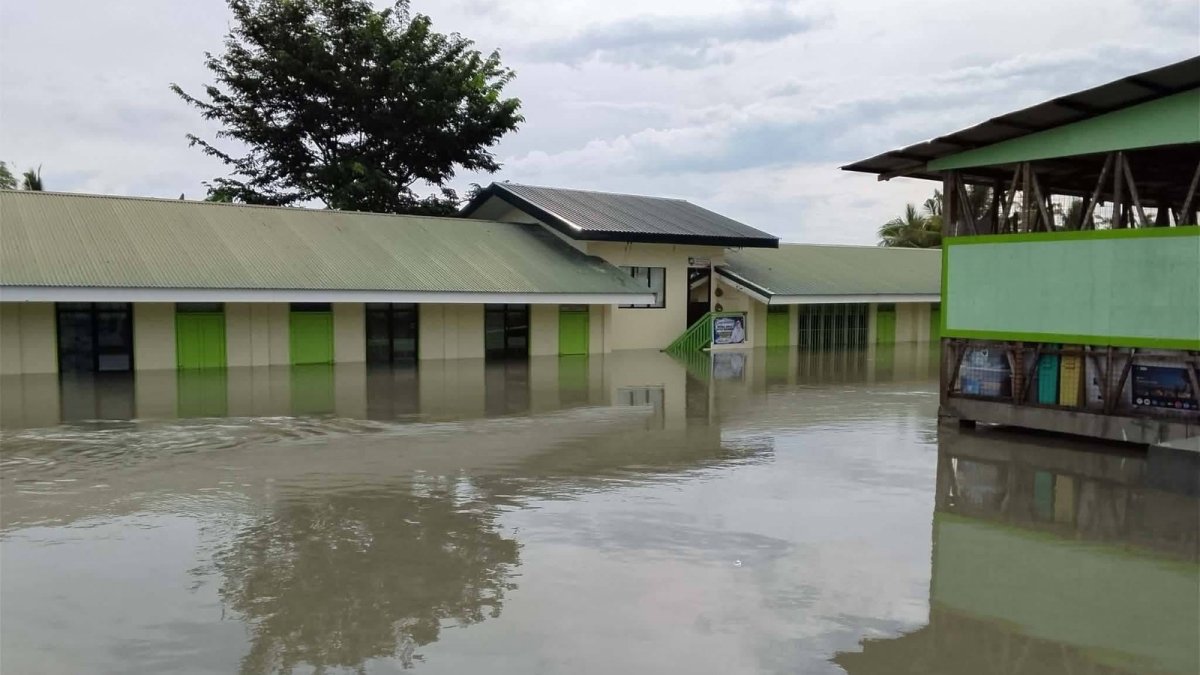
The rains came and did not stop
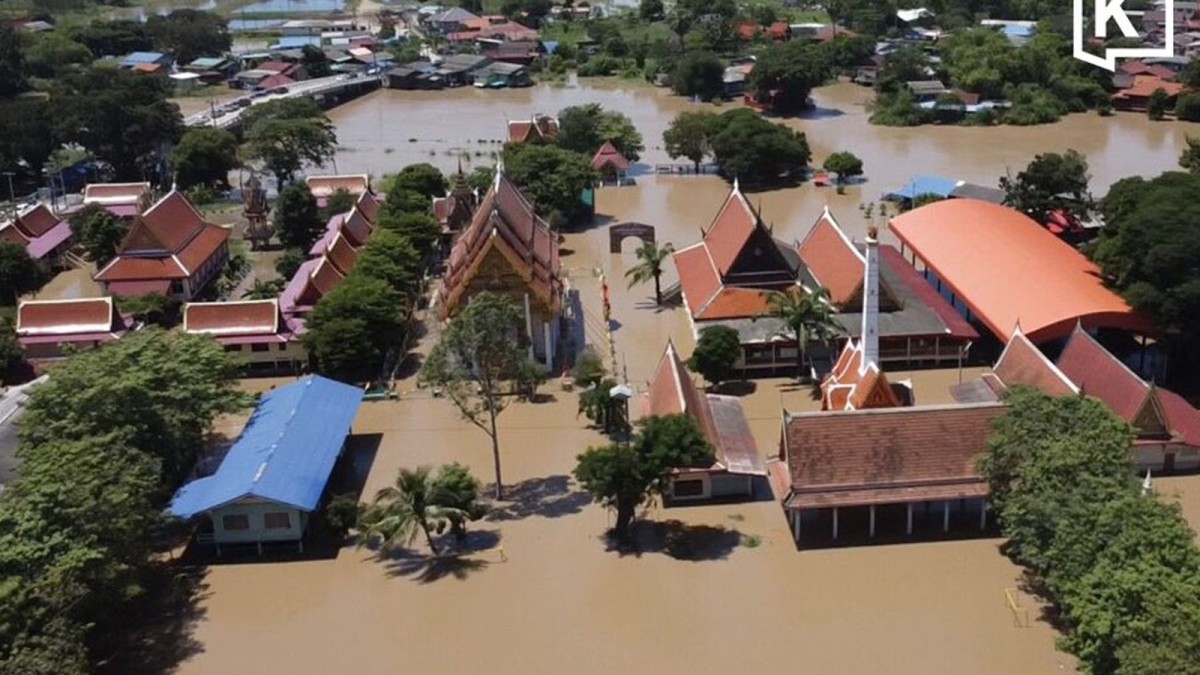
For millions of Filipino families, the familiar drumming of rain on tin roofs has turned into something heavier, more threatening. The southwest monsoon, or habagat, is battering Luzon with unrelenting intensity, and the numbers tell a story of a region struggling to stay dry, safe, and hopeful.
As of Monday, August 10, the National Disaster Risk Reduction and Management Council (NDRRMC) reported that eight people have died and one person remains missing as the combined effects of Tropical Cyclones Luis and Maymay and the southwest monsoon affected more than 752,000 people across nine regions. More than 10,000 families — around 34,400 people — are staying in 412 evacuation centers, their homes either flooded, damaged, or deemed unsafe.
This is not just a weather report. This is the story of mothers carrying sleeping children through waist-deep floodwaters, of teachers wiping mud off classroom floors they worked hard to keep clean, of barangay captains paddling boats through submerged streets to check on elderly neighbors.
6.5 million learners, one massive disruption
The Department of Education (DepEd) reported that in-person classes have been suspended in more than 10,000 public schools across 61 divisions in eight regions. The disruption has touched 6.5 million learners and nearly 289,000 school personnel — a scale of educational interruption that is difficult to comprehend but painfully easy to feel in households across Luzon.
Central Luzon bore the brunt, with 3,546 schools suspending in-person classes. Region I followed with 2,428 schools, the Cordillera Administrative Region with 1,842, the National Capital Region with 827, and Calabarzon with 623. For parents who juggle work and childcare, and for students who look forward to seeing their classmates, these suspensions mean another day of uncertainty.
The damage to school infrastructure is staggering. DepEd has counted 722 schools that have sustained damage, including 751 classrooms totally destroyed, 818 with major damage, and 2,355 with minor damage. The department estimates at least P20 million is needed for cleanup operations alone, while the cost for minor repairs has climbed to P115 million. Beyond walls and roofs, schools have also lost 5,368 chairs, 380 information and communications technology equipment units, and 6,227 learning materials.
Education Secretary Sonny Angara said in a news release that he has directed schools to apply DepEd's emergency protocol and system for suspending classes and resuming operations. For now, the priority is clear: children first, learning materials next, and infrastructure repairs as soon as the skies allow.
Evacuation centers: classrooms become homes
In a deeply Filipino display of resilience, 52 schools have been converted into evacuation centers, with 239 classrooms currently sheltering over 1,000 displaced families. The majority of evacuees — 614 families — are in Calabarzon, followed by Central Luzon with 336.
Think about that for a moment. The same rooms where children recite multiplication tables and practice their declamation pieces are now serving as temporary homes for families who have lost theirs. There is a certain poignancy — and a measure of bayanihan — in seeing classrooms transformed into community shelters, with neighbors sharing rice cookers, blankets, and stories to pass the time until the floodwaters recede.
The NDRRMC reported that nine people have been injured, including seven in Benguet due to landslides and vehicular accidents, one in Rizal due to strong flood currents, and one in Cavite. One person remains missing in Batangas. Across Luzon, 300 houses have been damaged, including 24 that were completely destroyed and 276 that were partially damaged.
The economic toll is mounting as well. Preliminary infrastructure damage has reached P1.12 billion, while agricultural losses are initially estimated at P3.53 million. For farmers whose rice paddies and vegetable plots have been submerged, this monsoon season may mean a lean harvest — and a tighter Pasko.
Palace steps in: work from home, remote learning
Recognizing the severity of the situation, Malacañang issued Memorandum Circular 123, suspending face-to-face classes across Metro Manila and 15 provinces on Monday, August 10, and directing public and private schools at all levels to shift to alternative learning modes. Government offices in the affected areas were ordered to implement work-from-home arrangements, though agencies involved in basic and healthcare services, disaster response, and other vital services were directed to continue operations.
The order was issued upon the recommendation of the NDRRMC in anticipation of continued heavy rainfall from the southwest monsoon. Local chief executives in other areas may also order localized class or government work suspensions under existing rules, while private companies and offices are given discretion to adopt alternative work arrangements.
For government workers who have been commuting through flooded streets — many of them riding jeepneys that struggle through knee-deep water — this directive offers a measure of relief. For parents, it means another day of supervising online classes, a familiar but exhausting routine that has become part of pandemic-era and typhoon-season life alike.
Government agencies and local disaster offices have already distributed P33.94 million in assistance and relief goods to affected families. The response, coordinated down to the barangay level, reflects a system that has learned from years of typhoons and monsoon seasons — but also one that is being tested yet again by nature's fury.
The weather ahead: PAGASA warns of more rain
The rain is not over yet. PAGASA forecast more than 200 millimeters of rain over Benguet on Monday, with Zambales, Bataan, and Occidental Mindoro expected to receive 100 to 200 millimeters. Metro Manila and several other Luzon provinces could see 50 to 100 millimeters. The weather bureau warned that rainfall could be higher over mountainous and elevated areas, and that the effects may be worsened by the significant rain that has already fallen on saturated ground.
There is cautious hope on the horizon: PAGASA expects monsoon rainfall to gradually ease beginning Tuesday. However, the agency cautioned that significant rain and the threat of flooding and landslides may persist in some areas even as the worst passes. For families in landslide-prone communities in the Cordilleras, and for those living along riverbanks in Central Luzon, the watch continues.
What families should know
As the monsoon continues, here is what Filipino families should keep in mind:
First, heed evacuation orders. When barangay officials or local disaster risk reduction officers advise evacuation, go early — especially in areas prone to landslides, flash floods, and storm surges. It is always better to be inconvenienced than to be caught off guard.
Second, stay updated on class and work suspensions. DepEd's emergency protocols allow schools to suspend classes when weather conditions pose risks. Parents should monitor official announcements from DepEd, local government units, and PAGASA rather than relying solely on social media rumors. The Palace's MC 123 has established the framework for localized suspensions, and local chief executives may issue their own orders based on ground conditions.
Third, prepare a go-bag. For families in flood-prone areas, having a bag with documents, medicines, flashlights, power banks, and a change of clothes can make a world of difference. Sari-sari store owners and tricycle drivers, who often serve as first responders in their communities, know this well — a little preparation goes a long way.
Fourth, check on your kapitbahay. The spirit of bayanihan is alive in evacuation centers across Luzon, where strangers have become neighbors and neighbors have become family. If you have an elderly relative living alone, or a young family with infants in your compound, reach out. A simple act of kindness — sharing a hot meal, offering a ride to higher ground — can save lives.
Finally, be patient with teachers and school personnel. They are not just preparing lesson plans; many of them are also evacuees themselves, balancing their duty to students with the need to secure their own families. The P20 million needed for cleanup and the P115 million for minor repairs are reminders that recovery will take time, resources, and understanding.
For now, the rain continues to fall, and Luzon holds its breath. But if there is one thing Filipinos have proven time and again, it is that we weather the storm together — one flooded street, one classroom shelter, one act of kindness at a time.
By Bella Reyes, Staff WriterThis article was produced with AI-assisted research and editorial support. Reporting is based on sources cited in the article.
What's Your Reaction?
 Like
0
Like
0
 Dislike
0
Dislike
0
 Love
0
Love
0
 Funny
0
Funny
0
 Wow
0
Wow
0
 Sad
0
Sad
0
 Angry
0
Angry
0

Philippines/Southeast Asia Correspondent at Global1.News. Manila-based journalist covering Philippine politics, environment, maritime security, and social issues. Passionate about marine conservation and the communities protecting the Philippines' natural heritage.











Comments (0)