
CJNG Arrests in Michoacán: 9 Detained, Blockades Erupt
The quiet of early Wednesday morning in Michoacán was shattered by the roar of federal operations as elements of the Defense Secretariat (SEDENA) moved against one of the most wanted criminal figures in the region.
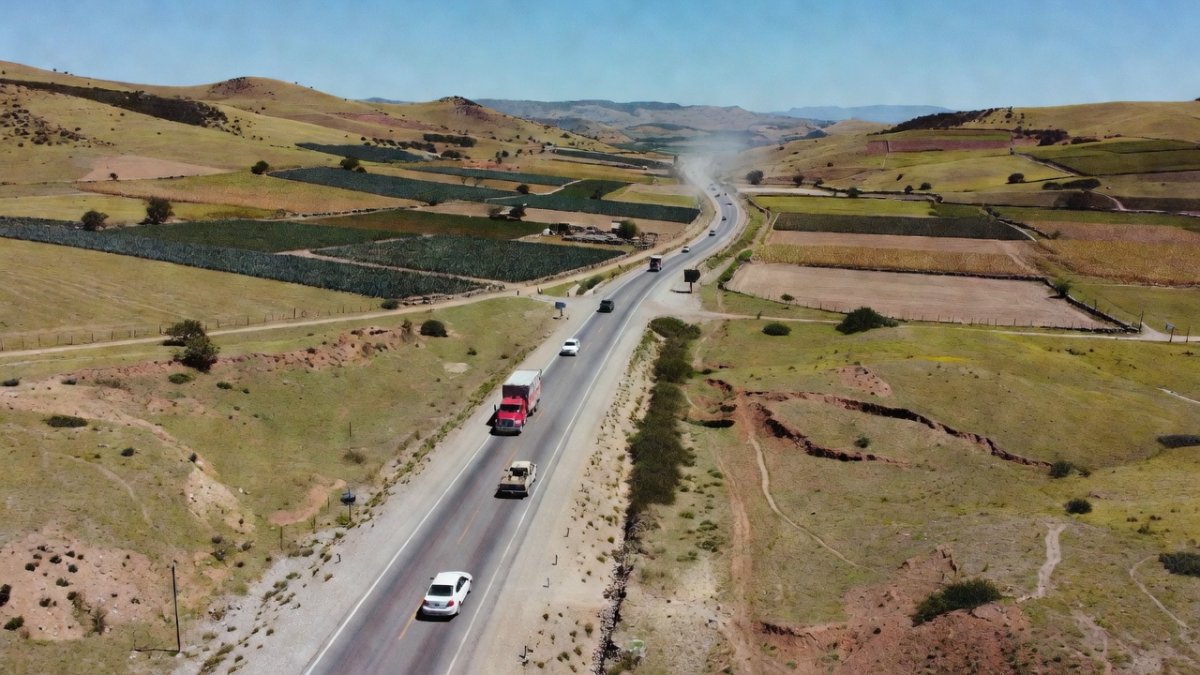
CJNG Arrests in Michoacán: 9 Detained, Blockades Erupt
The quiet of early Wednesday morning in Michoacán was shattered by the roar of federal operations as elements of the Defense Secretariat (SEDENA) moved against one of the most wanted criminal figures in the region. The target was Heraclio Guerrero Martínez, alias "El Tío Lako," identified by federal security sources as a regional commander of the Jalisco New Generation Cartel (CJNG) and the leader of the "Los Guerrero" cell operating in the volatile border zone between Michoacán and Jalisco. The operation, which unfolded before dawn on August 19, 2026, resulted in the detention of nine alleged members of the cell, including four cell leaders, two of them women, according to reporting from La Jornada.
The arrests represent a significant blow to the CJNG's operational structure in a region that has become a critical corridor for drug trafficking and extortion. "El Tío Lako" is considered one of the most relevant criminal profiles in the area, and his cell has been linked to a series of violent incidents that have terrorized agricultural communities. While federal authorities have not confirmed whether Guerrero Martínez himself was among those detained, the operation's scale suggests a coordinated effort to dismantle the leadership of the "Los Guerrero" cell, which has maintained a stronghold in the municipalities straddling the Michoacán-Jalisco border.
The operation did not go unanswered. In a brazen show of force, the CJNG responded by setting up narco-blockades at more than 20 points across Michoacán, setting vehicles on fire and paralyzing movement on key highways. The blockades primarily affected the Zamora region, a major agricultural hub, with reports of burning vehicles on roads connecting Morelia, the state capital, Zamora, La Piedad, and surrounding municipalities. By early Wednesday afternoon, most, if not all, of the narco-blockades had been cleared, but the message from the cartel was unmistakable: they will not retreat quietly.
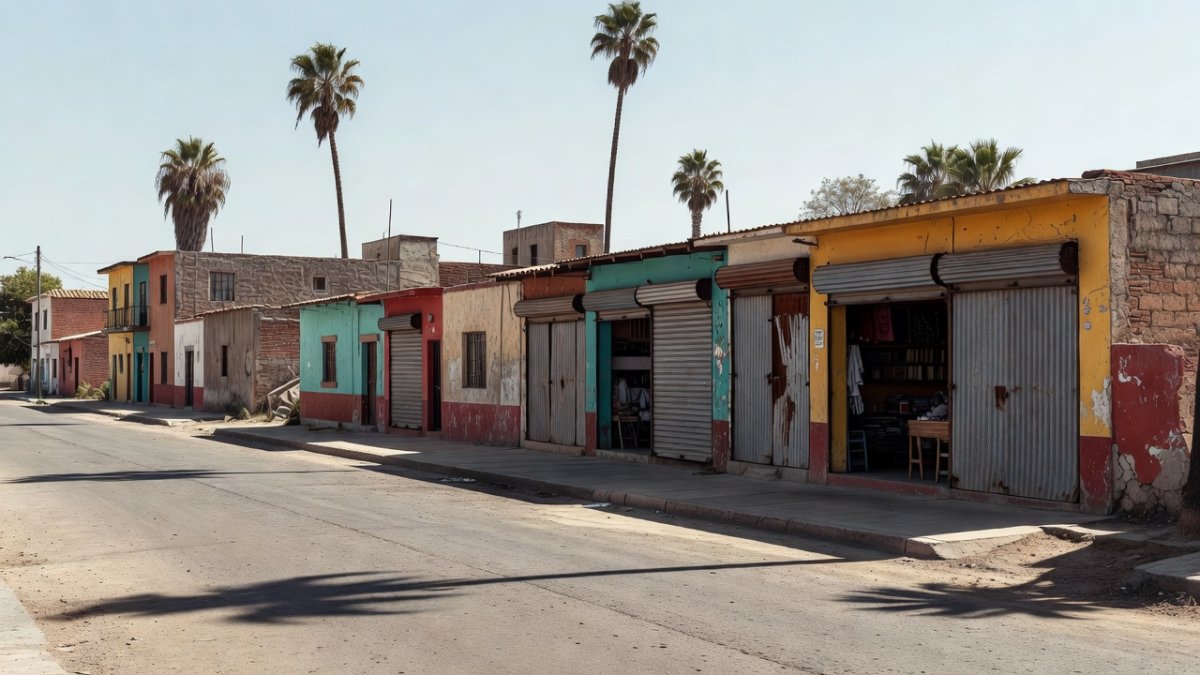
Narco-Blockades Paralyze Highways and Towns Across Michoacán
The narco-blockades that erupted in response to the federal operation were not random acts of violence but a calculated strategy to disrupt daily life and pressure authorities. Vehicles were set ablaze at strategic points along the highways connecting Morelia, Zamora, and La Piedad, creating walls of fire that halted traffic and forced commuters to seek alternate routes. For residents of towns like Zamora, a city known for its thriving berry industry and deep migrant ties to the United States, the blockades were a terrifying reminder of the cartel's reach into everyday existence.
Witnesses described scenes of chaos as burning trucks and cars blocked major arteries, with thick plumes of black smoke visible from kilometers away. Families heading to work, farmers transporting produce, and students commuting to school found themselves stranded or forced to turn back. The blockades also disrupted the supply chain for local businesses, with many small shop owners in the affected municipalities reporting that they could not receive deliveries of goods. The economic ripple effects, while temporary, underscored how deeply organized crime has embedded itself in the region's social and economic fabric.
By early Wednesday afternoon, federal and state forces had managed to clear most of the blockades, reopening the highways to traffic. However, the psychological impact lingered. Residents in the affected areas expressed a mix of fear and frustration, with many questioning how such a brazen display of cartel power could occur in broad daylight. The blockades also served as a stark reminder that while the federal government has made security a priority, the CJNG remains a formidable adversary capable of mobilizing resources and personnel at a moment's notice.
Sheinbaum Confirms Operation at Mañanera, Orders Security Cabinet Report
President Claudia Sheinbaum addressed the situation at Wednesday's mañanera from Palacio Nacional, confirming that the blockades and vehicle burnings were a direct reaction to a federal operation aimed at detaining "one or several relevant targets" in Michoacán. Her words, delivered with the calm authority that has characterized her administration, sought to reassure the public while acknowledging the gravity of the events. She instructed the Security Cabinet (Gabinete de Seguridad) to provide a detailed report on the criminal group targeted, signaling that the federal government is taking the incident seriously.
Sheinbaum's confirmation at the mañanera, the daily morning press conference that has become a cornerstone of Mexican political life, was a deliberate move to maintain transparency and public trust. By addressing the narco-blockades head-on, she sought to counter the narrative of chaos that the CJNG hoped to create. Her administration has consistently maintained federal security operations against organized crime, and Wednesday's operation in Michoacán is part of a broader strategy to dismantle cartel leadership structures across the country.
The president's directive to the Security Cabinet underscores the importance of intelligence-sharing and coordination between federal and state forces. It also reflects the Sheinbaum administration's commitment to a security policy that, while controversial in some quarters, has shown results in terms of high-profile arrests. However, the CJNG's swift and violent response serves as a reminder that these operations come with significant risks, both for the security forces involved and for the civilian populations caught in the crossfire.
Eleven Municipal Police Officers Detained in Ecuandureo for Alleged Collusion
In a separate but related development, Michoacán Governor Alfredo Ramírez Bedolla confirmed the detention of 11 municipal police officers from the municipality of Ecuandureo, including the local police director, for allegedly participating in or supporting the narco-blockades. The arrests highlight a troubling reality: the infiltration of local law enforcement by organized crime remains a persistent challenge in the region. The officers are accused of aiding the CJNG's efforts to disrupt the federal operation, a charge that, if proven, would represent a serious breach of public trust.
The detention of the Ecuandureo officers is a significant development, as it suggests that the CJNG's ability to mount such a coordinated response may have been facilitated by complicity within local institutions. Governor Ramírez Bedolla, who has been vocal about the need for police reform in Michoacán, described the arrests as a necessary step in cleaning up the state's security forces. He called for a thorough investigation to determine the full extent of the officers' involvement and to identify any other officials who may have been complicit.
This incident also raises questions about the broader relationship between local police forces and the federal government's security strategy. While the Sheinbaum administration has emphasized the importance of coordination between different levels of government, cases like this underscore the challenges of ensuring that local law enforcement agencies are not compromised. For residents of Ecuandureo, a small municipality that has largely been overshadowed by the violence in larger cities, the arrests are a sobering reminder that the cartel's influence extends even into the most unassuming corners of the state.
The Michoacán-Jalisco Corridor: A Contested Landscape of Agriculture and Violence
The region where Wednesday's operation took place is one of the most contested corridors in Mexico's ongoing conflict with organized crime. The Michoacán-Jalisco border has long been a battleground for control of drug trafficking routes, extortion rackets, and the lucrative agricultural economy that defines the area. Zamora, in particular, is a major hub for the berry industry, with its strawberries, blackberries, and raspberries exported to markets across the United States and beyond. The region's prosperity, however, has made it a target for cartels seeking to extract tribute from farmers and businesses.
The CJNG, widely considered one of the most powerful criminal organizations in Mexico, has established a strong presence in this corridor, using a combination of violence and intimidation to maintain control. The "Los Guerrero" cell, led by "El Tío Lako," has been particularly active in the border zone, engaging in drug trafficking, extortion, and violence against rival groups and civilians alike. The federal operation targeting this cell is part of a broader effort to weaken the CJNG's grip on the region, but the cartel's ability to respond with narco-blockades demonstrates its resilience.
For the agricultural communities that depend on the region's economic stability, the violence is an ever-present threat. Farmers in the avocado and berry industries have reported being forced to pay extortion fees to cartels, with those who refuse facing threats or worse. The blockades on Wednesday disrupted the movement of goods, causing delays that could have financial repercussions for growers and exporters. The situation is a stark illustration of how organized crime not only threatens public safety but also undermines the economic livelihoods of ordinary Mexicans.
Impact on Ordinary Communities: Fear, Disruption, and Resilience
For the families, farmers, and small business owners who call Michoacán home, Wednesday's events were a jarring interruption of daily life. The narco-blockades forced many to abandon their plans, whether it was a trip to the market, a delivery of produce, or a commute to work. In Zamora, a city that has worked hard to project an image of prosperity and resilience, the sight of burning vehicles on the highways was a stark reminder of the fragility of that stability. Local businesses, from tortillerías to taquerías, reported a noticeable drop in customers as residents stayed home, fearful of venturing out.
The psychological toll of such events cannot be overstated. For many residents, the narco-blockades evoke memories of past episodes of violence that have plagued the region, from the era of the Knights Templar cartel to the ongoing conflict between the CJNG and rival groups. The sense of insecurity is compounded by the knowledge that local authorities, as the Ecuandureo arrests suggest, may not always be reliable allies. This erosion of trust in institutions is one of the most insidious effects of organized crime, and it is felt most acutely in communities that have borne the brunt of the violence.
Yet, amid the fear and disruption, there are signs of resilience. Community organizations and local leaders have called for calm, urging residents to cooperate with authorities and to report any suspicious activity. The federal government's swift response to the blockades, including the deployment of additional security forces, has been met with cautious optimism. For now, the people of Michoacán are left to navigate the uncertain terrain between hope and fear, knowing that the cartels' reach extends far beyond the highways they blockaded on Wednesday morning.
What to Watch For: The Aftermath of the Operation and the Road Ahead
In the coming days, the focus will shift to the fate of the nine detainees and the ongoing investigation into the "Los Guerrero" cell. Federal authorities are expected to provide more details about the operation, including whether "El Tío Lako" was among those arrested. The Security Cabinet's report, ordered by President Sheinbaum, will be closely scrutinized for insights into the CJNG's operations and the government's strategy for countering them. The detention of the 11 Ecuandureo police officers will also be a key storyline, as it raises questions about the extent of cartel infiltration in local institutions.
The broader implications of Wednesday's operation extend beyond Michoacán. The CJNG's use of narco-blockades as a response to federal operations has become a recurring pattern, and the Sheinbaum administration will need to develop strategies to counter this tactic. The blockades not only disrupt daily life but also serve as a propaganda tool for the cartels, demonstrating their ability to challenge the state's authority. How the government responds to these challenges will be a test of its resolve and its ability to protect citizens from the violence that has plagued Mexico for decades.
For the people of Michoacán, the road ahead remains uncertain. The operation on Wednesday was a significant step in the fight against organized crime, but it is unlikely to be the last. The region's strategic importance, both economically and geographically, ensures that it will remain a focal point of the conflict. As the sun set on Wednesday, the highways were clear, but the underlying tensions that gave rise to the blockades remain. The resilience of the communities in the face of such adversity is a testament to their strength, but it is a strength that should not have to be tested so often.
Tags: CJNG, Michoacán, narco-blockades, SEDENA, Sheinbaum, El Tío Lako, Zamora, security operation, drug cartel, Mexico, organized crime, federal forces, Ecuandureo, agricultural communities
This article was produced with AI-assisted research and editorial support. Sources: Mexico News Daily, Infobae, La Jornada, BBC Mundo, El Imparcial, Expansión Política, Telediario.
By Rosa Martinez, Staff Writer
What's Your Reaction?
 Like
0
Like
0
 Dislike
0
Dislike
0
 Love
0
Love
0
 Funny
0
Funny
0
 Wow
0
Wow
0
 Sad
0
Sad
0
 Angry
0
Angry
0
Latin America/Andes Correspondent at Global1.News. Based in Bogota, covering politics, environment, energy, and social movements across the Andean region. Passionate about environmental journalism and communities protecting their land.











Comments (0)